In Maryland, the Montgomery County Council has introduced a resolution deeming racism a public health crisis.
In an interview with Cheddar, councilmember Will Jawando says disparities the black community faces are staggering. Recent social uprisings might have lit the flame under Jawando to introduce the resolution but the issue of racial inequality goes back hundreds of years, he said.
"Racism is the direct result, for 401 years, we've been either property or legally discriminated against for most of that time," Jawando told Cheddar.
In Montgomery County, systemic racism is not limited to just over-assertive and sometimes lethal policing of the black community, he said. It's also running rampant in the healthcare system. As COVID-19 continues to ravage communities of color nationwide, 18 percent of the black population in his county makes up a quarter of the deaths related to the virus.
For Jawando, racism in the Washington DC suburb is simply a reflection of society on a smaller scale.
"If you look at maternal health and childbirth, black women die at three times the rate," he said. "When they come in with problems, often doctors — look at Serena Williams — don't believe that they're sick."
Introducing the resolution, which he expects to pass next week, is a first step for curing the public health crisis in his county, Jawando said, but he hopes the measure is eventually recognized on both the state and federal levels. He also supports other methods of combating racism including the growing call to defund police departments nationwide.
"We shouldn't have stats driven by policing," he explained. "De-escalation, that should be rewarded just as much as we reward arrests and tickets."
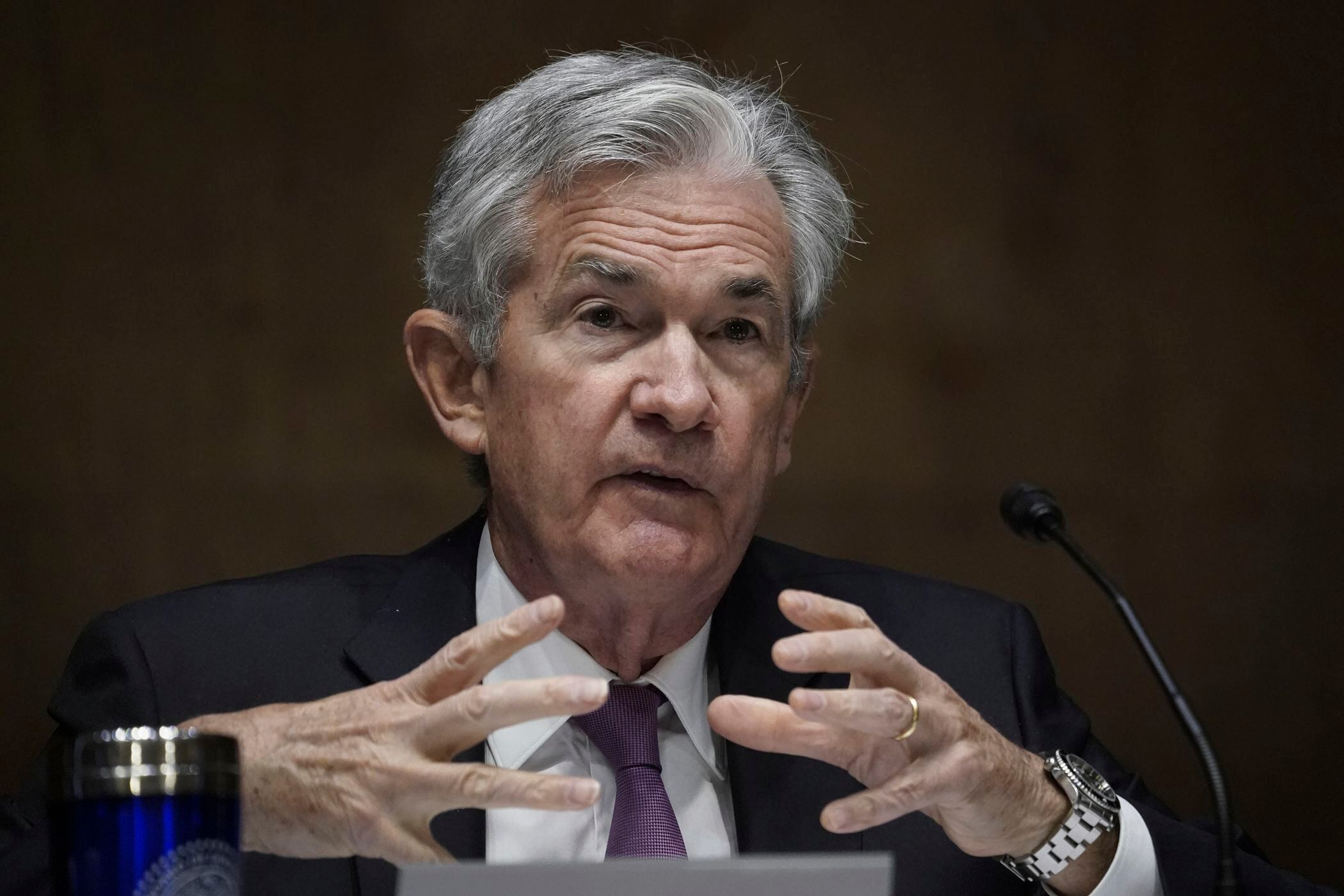
Federal Reserve Chair Jerome Powell warned Tuesday that a tentative recovery from the pandemic recession could falter unless the federal government supplies additional economic support.
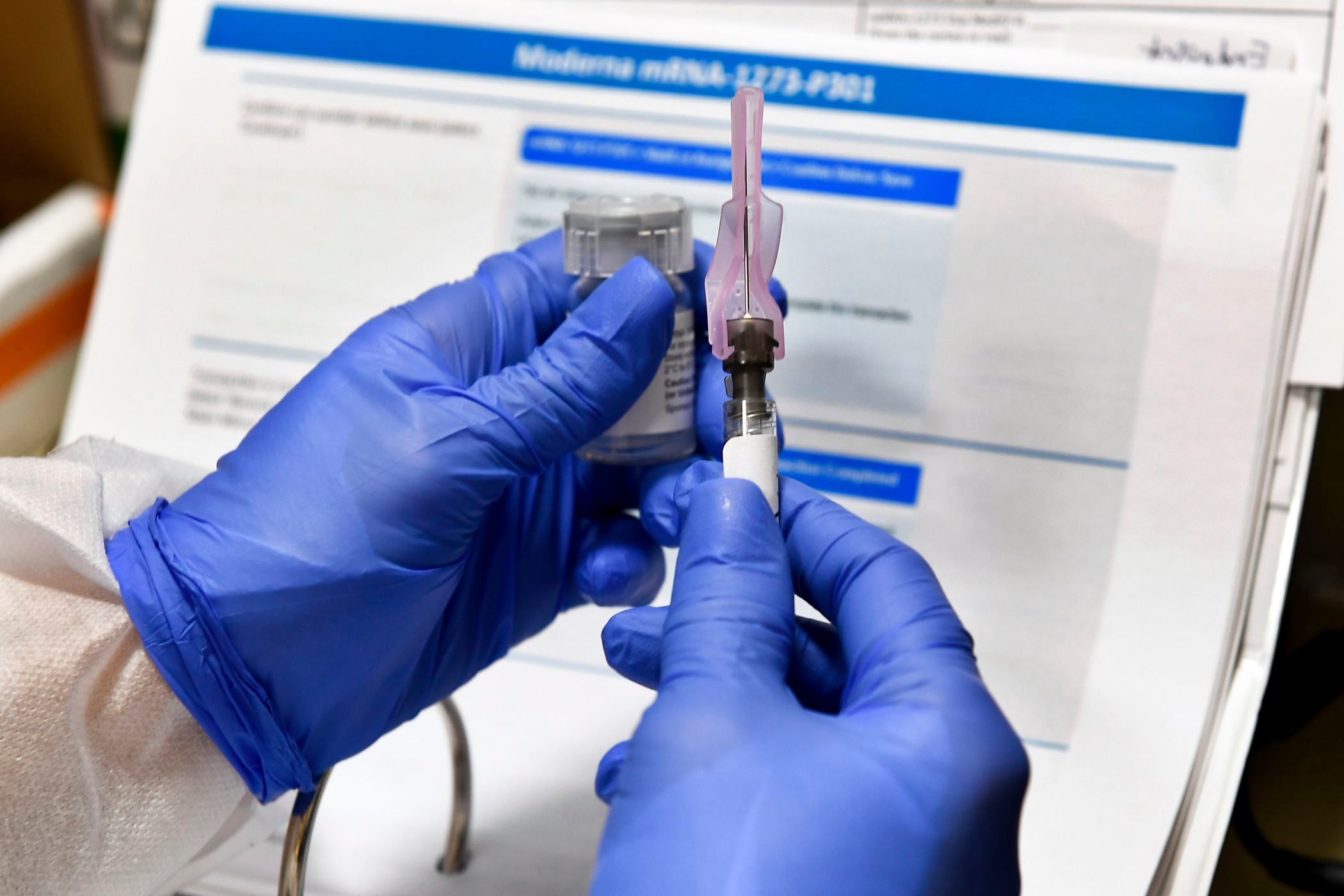
The Food and Drug Administration has laid out its safety standards for developers of COVID-19 vaccines after the White House blocked their formal release.
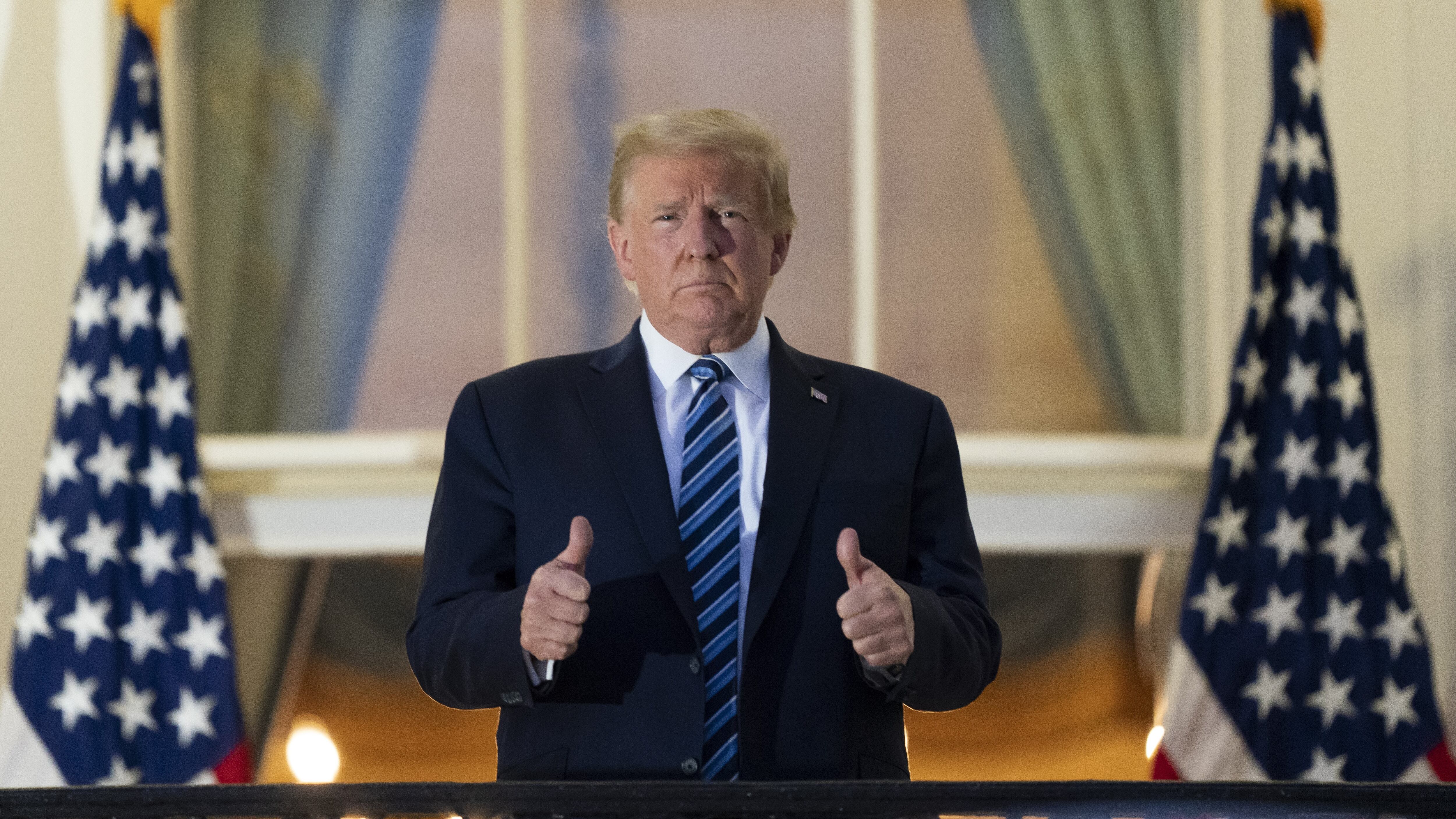
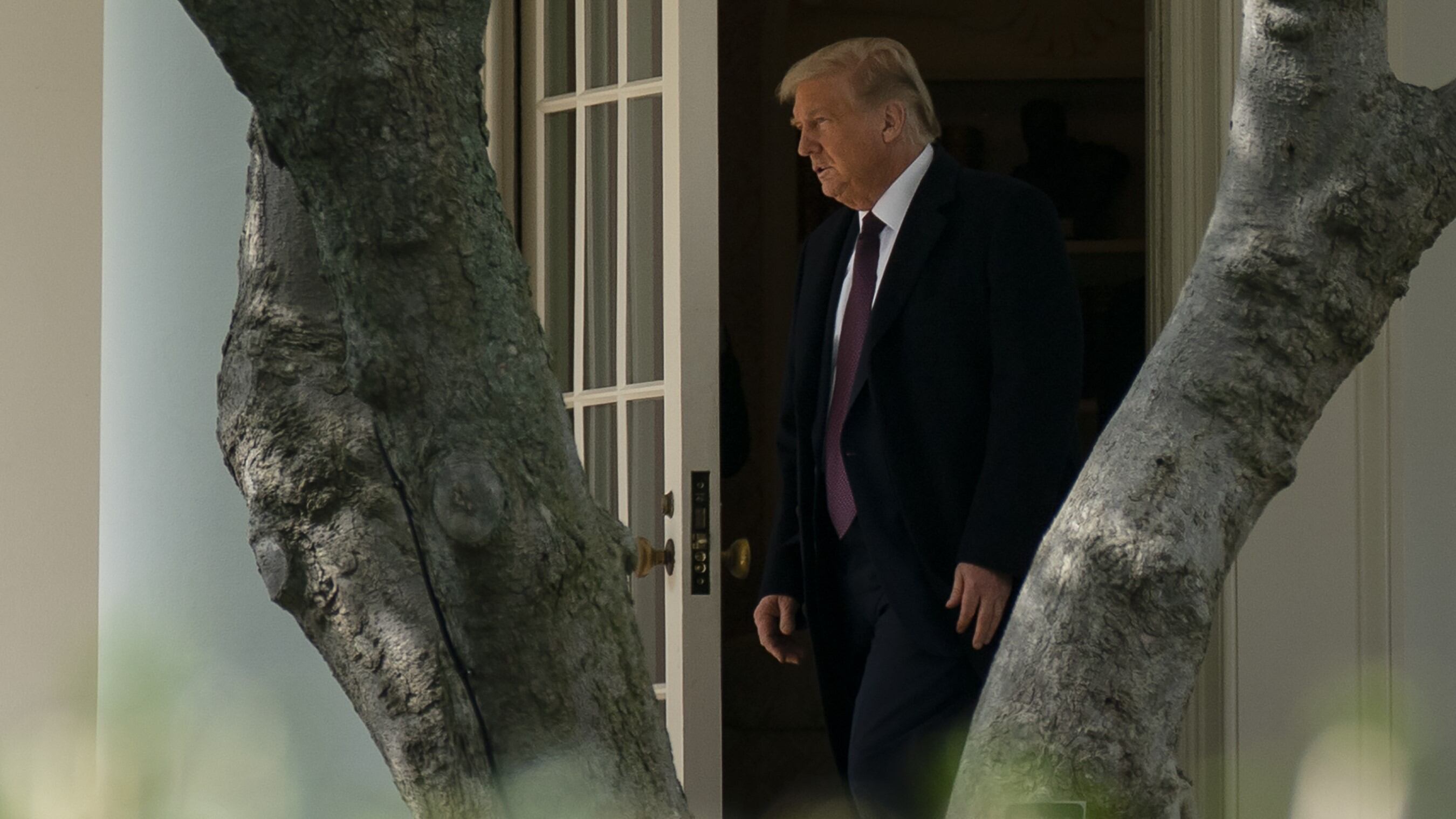
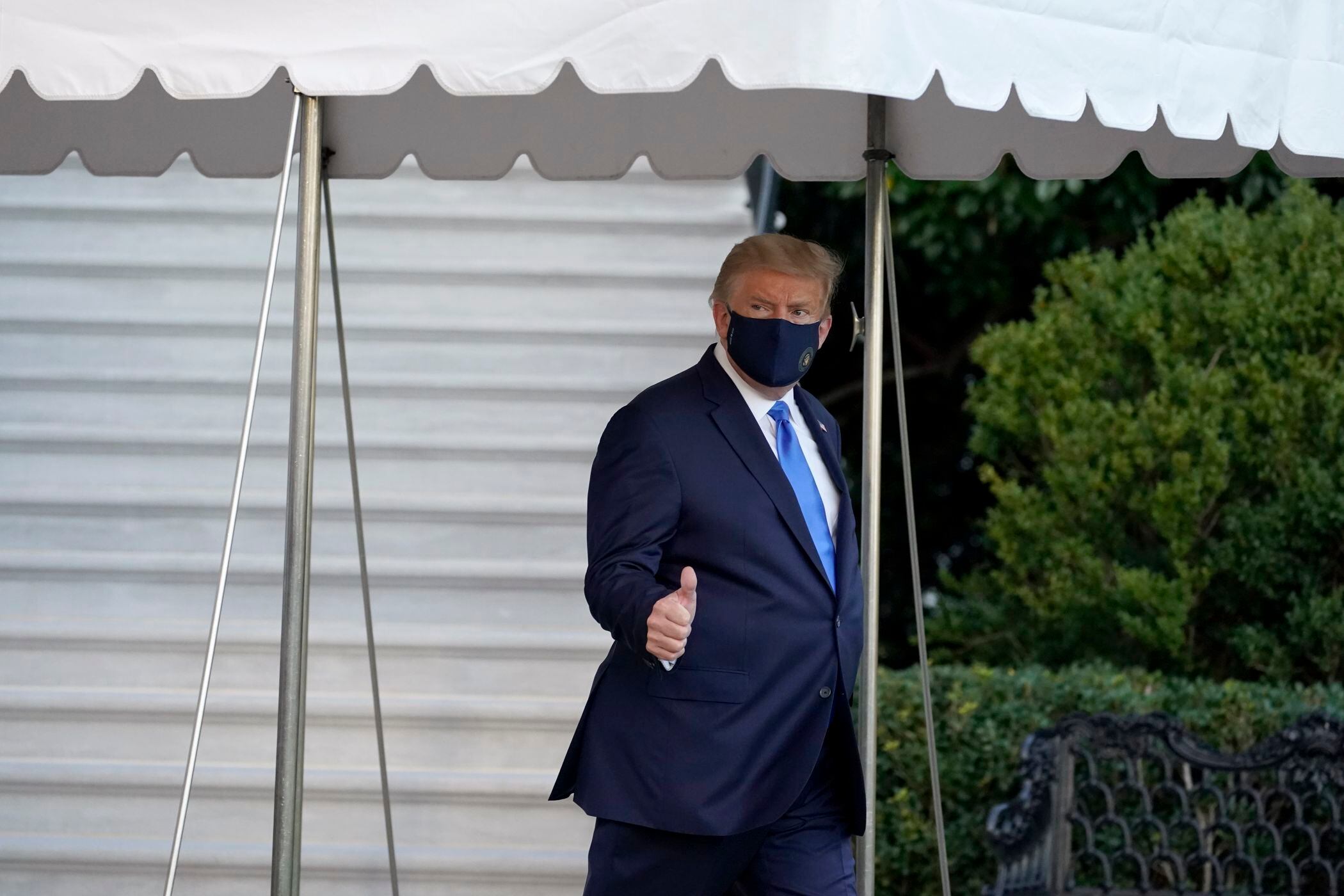
President Donald Trump is back at the White House after staging a dramatic return from the military hospital where he has been receiving an unprecedented level of care for COVID-19.
President Donald Trump says he will leave the military hospital and return to the White House Monday evening.
Former Obama officials say that the protocols in place are up to the task of preserving the continuity of the U.S. government in the event President Trump may be incapacitated.
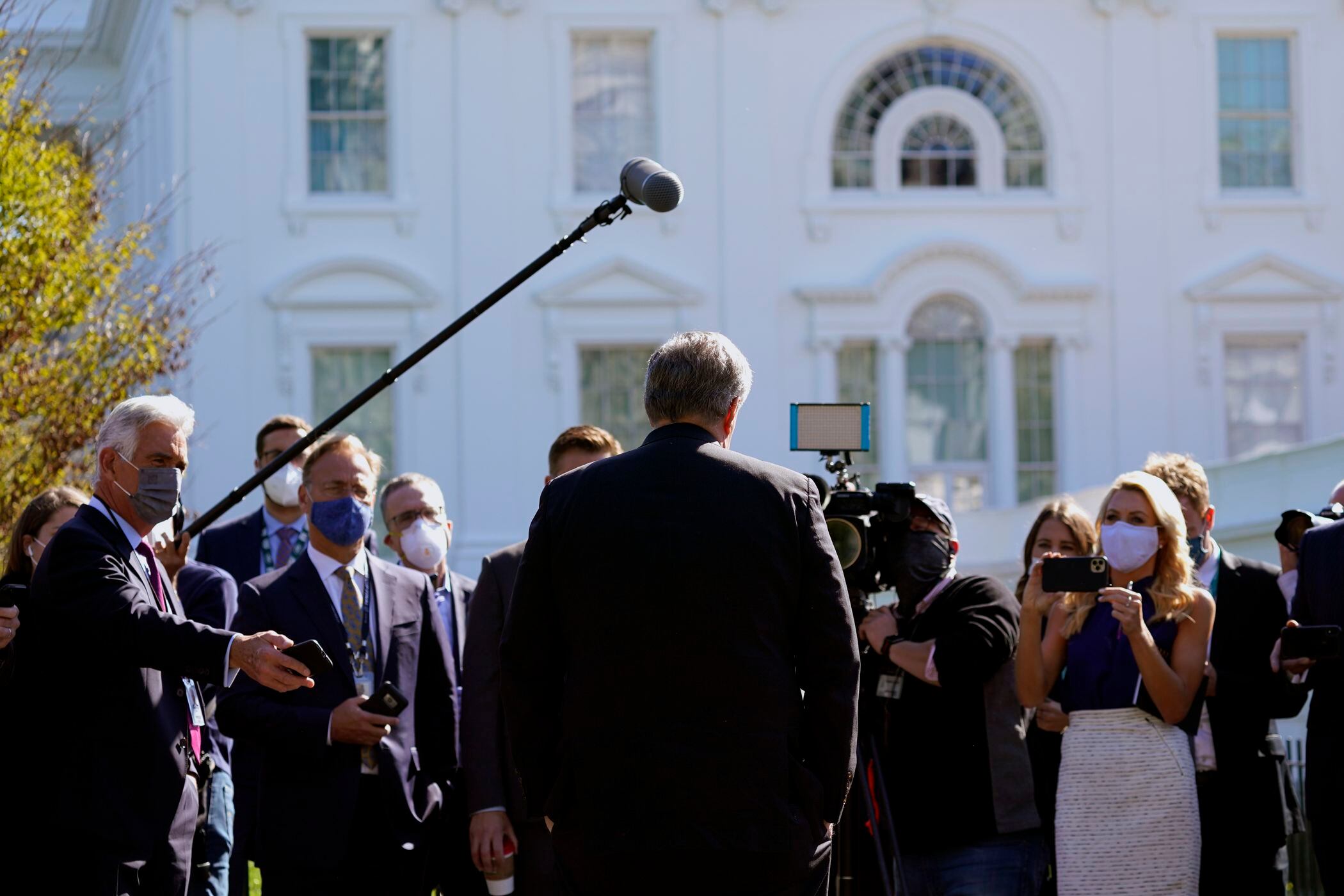
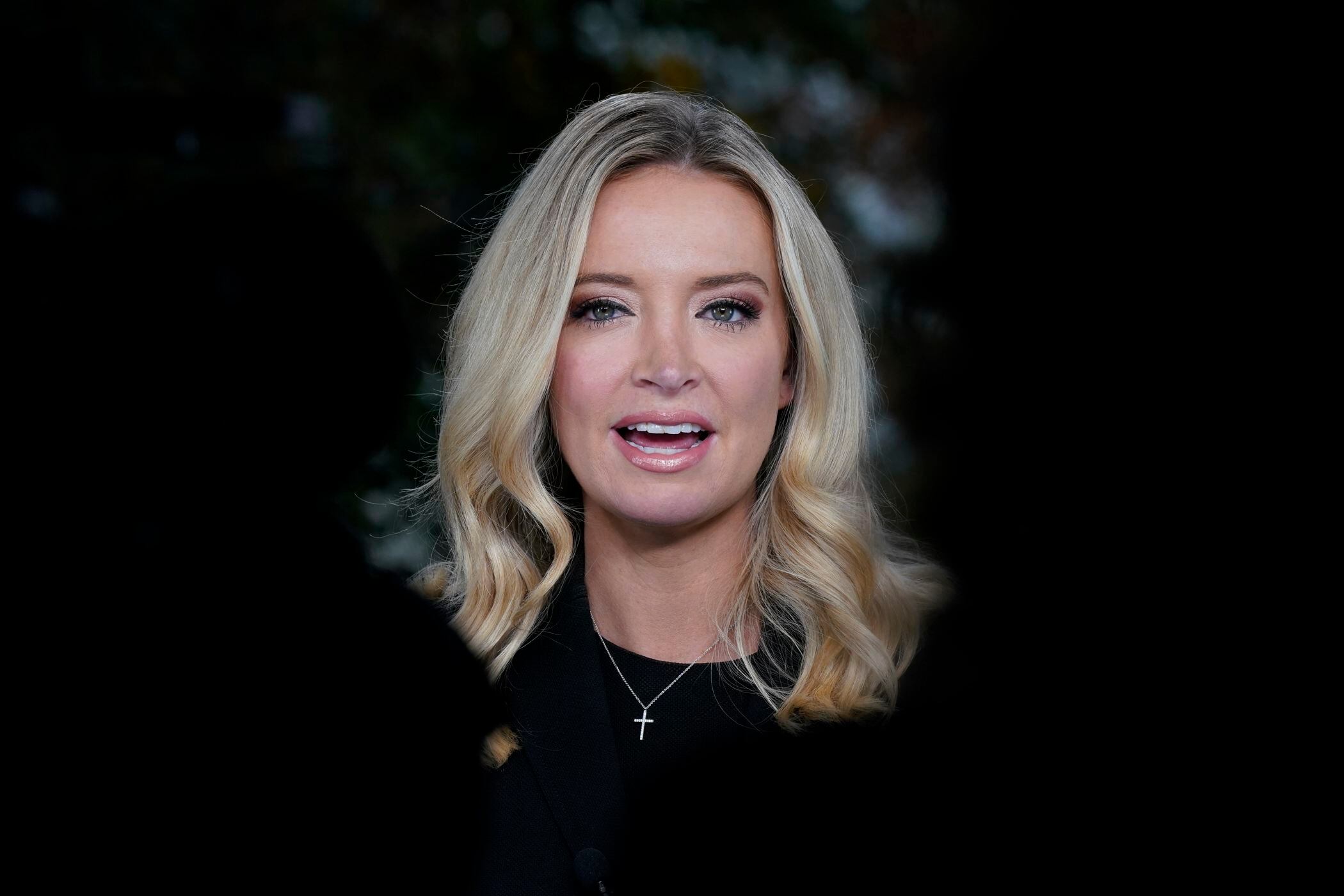
White House press secretary Kayleigh McEnany says she has tested positive for COVID 19 days after President Trump's diagnosis.
Two days after being hospitalized with COVID-19, President Donald Trump declared, “I get it,” in a message to the nation Sunday before briefly leaving the hospital to salute supporters from his motorcade.
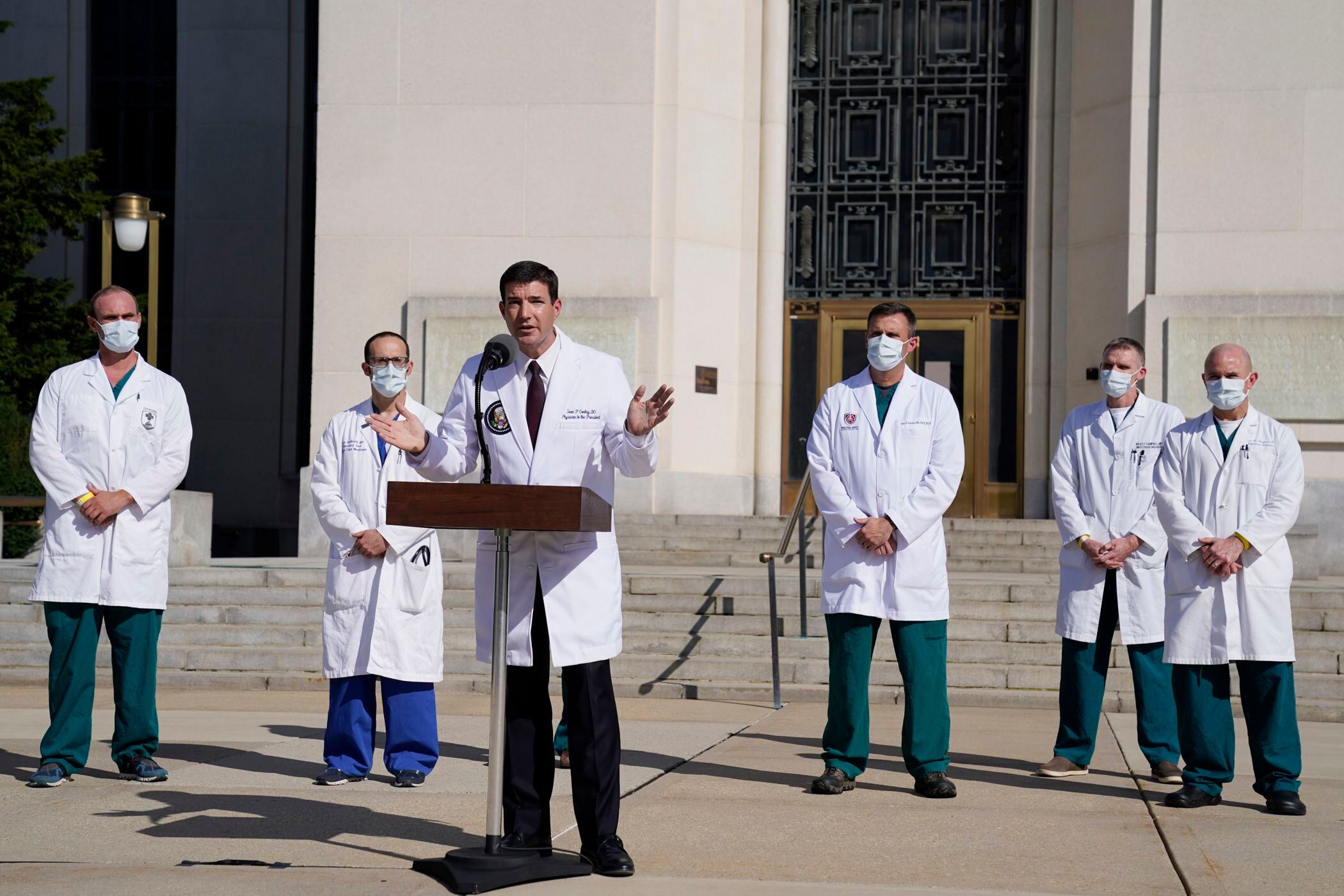
President Donald Trump faces “critical” coming days after a “very concerning” period in his fight against COVID-19 at a military hospital, his chief of staff said Saturday — in contrast to a rosier assessment moments earlier by Trump doctors, who took pains not to reveal the president had received supplemental oxygen at the White House before his hospital admission.
President Donald Trump went through a “very concerning” period Friday and faces a “critical” next two days in his fight against COVID-19 at a military hospital, his chief of staff said Saturday — in contrast to a rosier assessment moments earlier by Trump doctors, who took pains not to reveal the president had received supplemental oxygen at the White House before his hospital admission.
President Donald Trump appeared in public Friday evening for first time since testing positive for COVID-19 as he boarded Marine One for what was expected to be a stay of a “few days” at a military hospital.