In Maryland, the Montgomery County Council has introduced a resolution deeming racism a public health crisis.
In an interview with Cheddar, councilmember Will Jawando says disparities the black community faces are staggering. Recent social uprisings might have lit the flame under Jawando to introduce the resolution but the issue of racial inequality goes back hundreds of years, he said.
"Racism is the direct result, for 401 years, we've been either property or legally discriminated against for most of that time," Jawando told Cheddar.
In Montgomery County, systemic racism is not limited to just over-assertive and sometimes lethal policing of the black community, he said. It's also running rampant in the healthcare system. As COVID-19 continues to ravage communities of color nationwide, 18 percent of the black population in his county makes up a quarter of the deaths related to the virus.
For Jawando, racism in the Washington DC suburb is simply a reflection of society on a smaller scale.
"If you look at maternal health and childbirth, black women die at three times the rate," he said. "When they come in with problems, often doctors — look at Serena Williams — don't believe that they're sick."
Introducing the resolution, which he expects to pass next week, is a first step for curing the public health crisis in his county, Jawando said, but he hopes the measure is eventually recognized on both the state and federal levels. He also supports other methods of combating racism including the growing call to defund police departments nationwide.
"We shouldn't have stats driven by policing," he explained. "De-escalation, that should be rewarded just as much as we reward arrests and tickets."
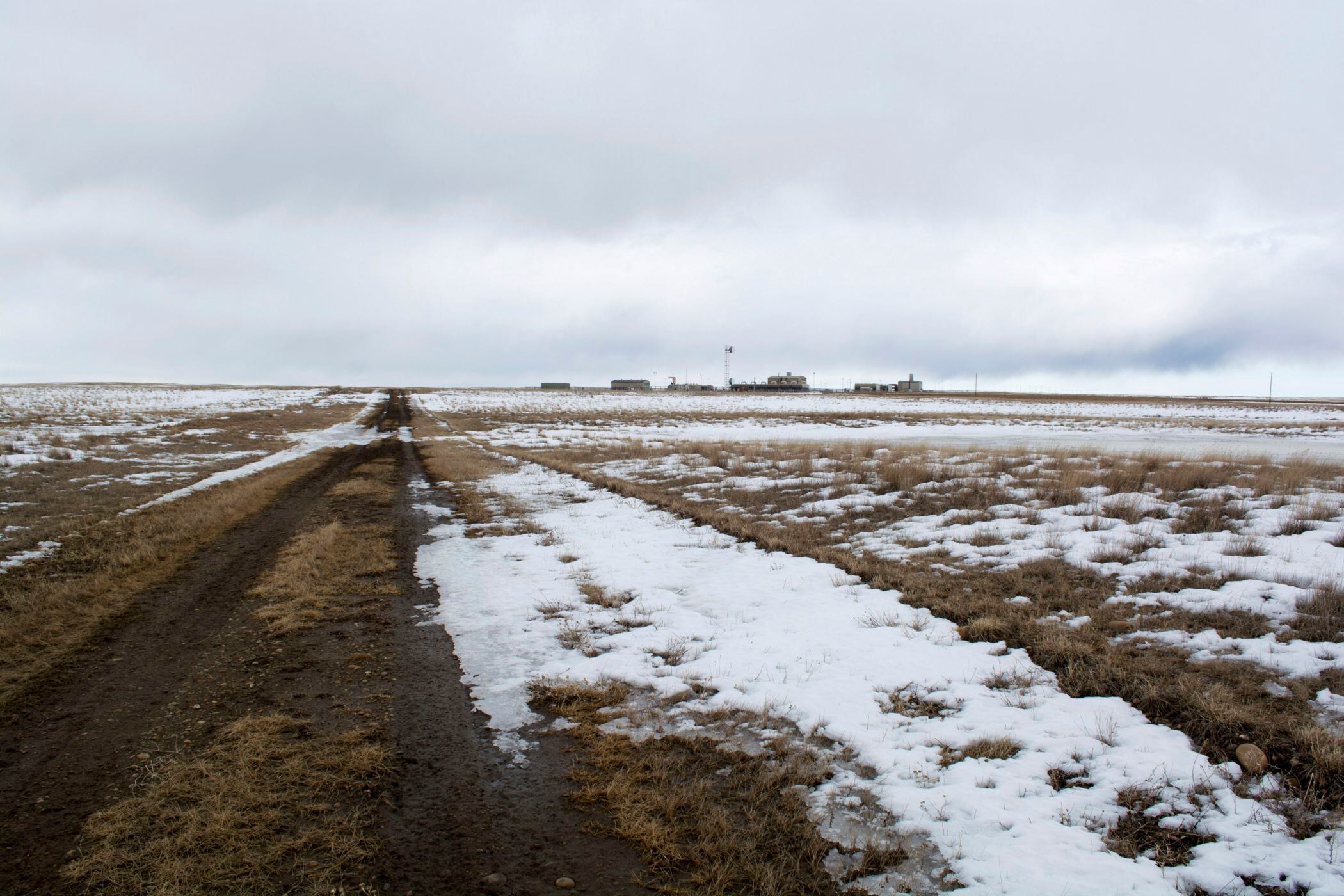
The Canadian company behind the Keystone XL oil pipeline says it has suspended work on the pipeline in in anticipation of incoming U.S. President Joe Biden revoking its permit.
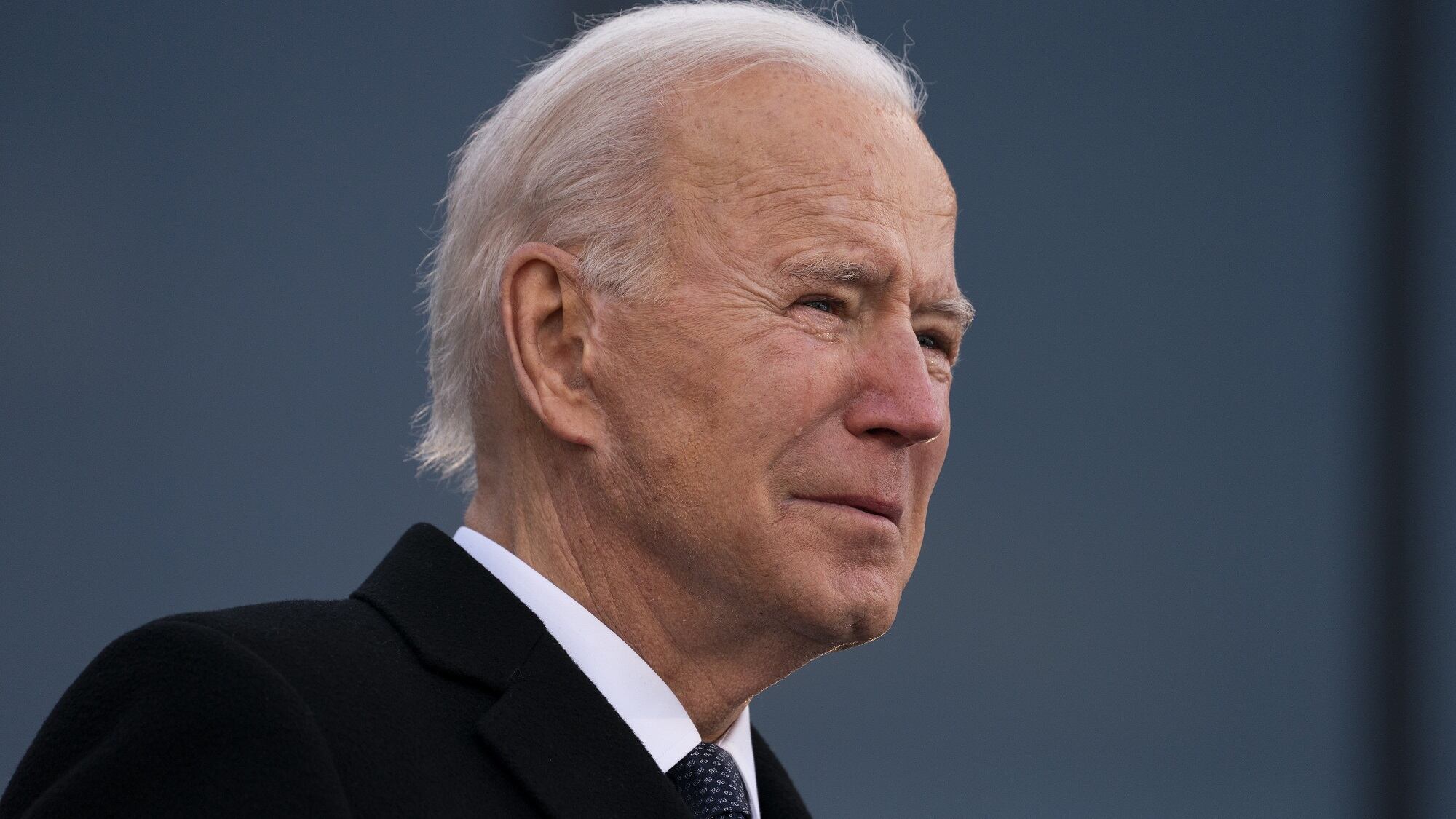
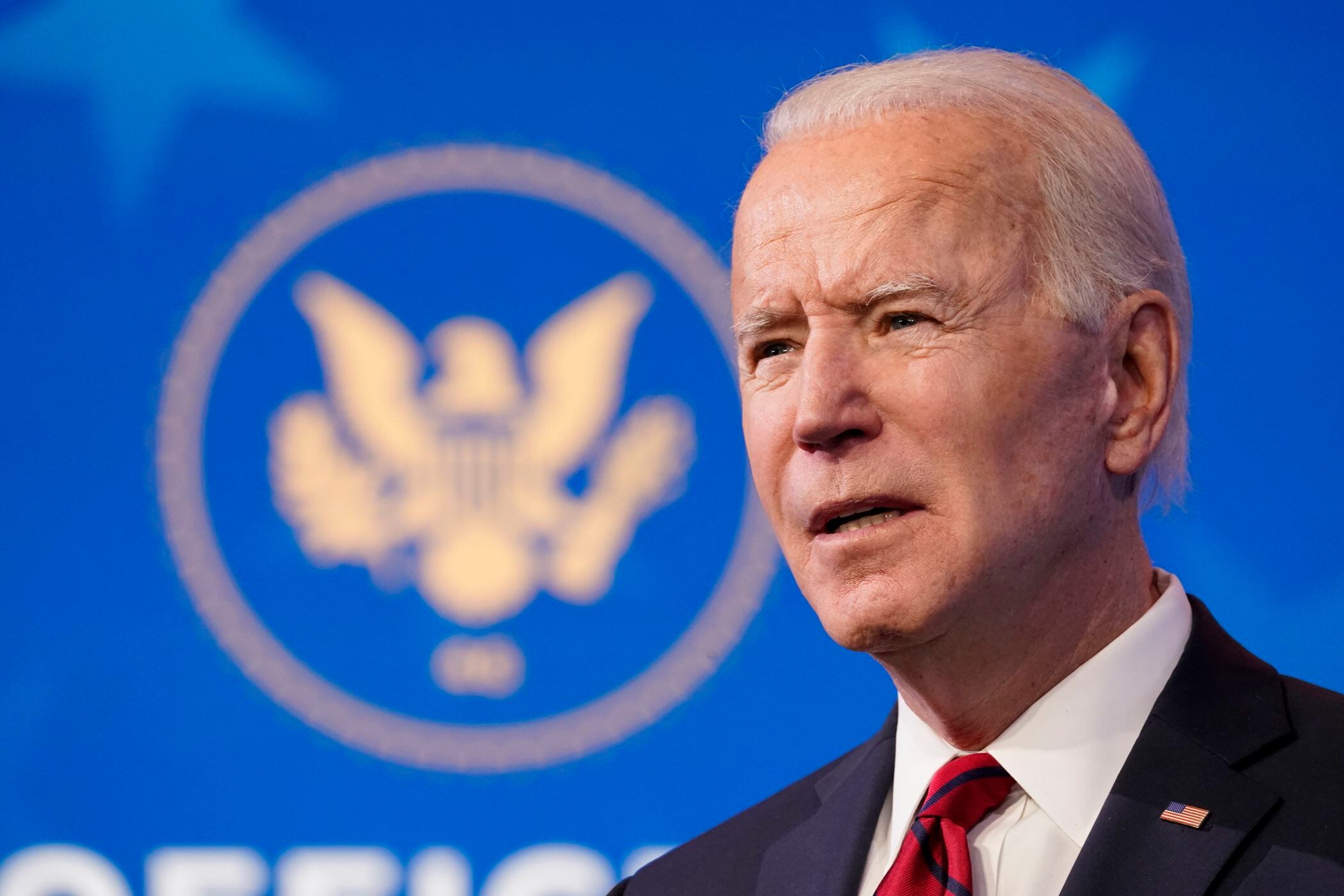
Joe Biden swears the oath of office to become the 46th president of the United States, taking the helm of a deeply divided nation and inheriting a confluence of crises arguably greater than any faced by his predecessors.
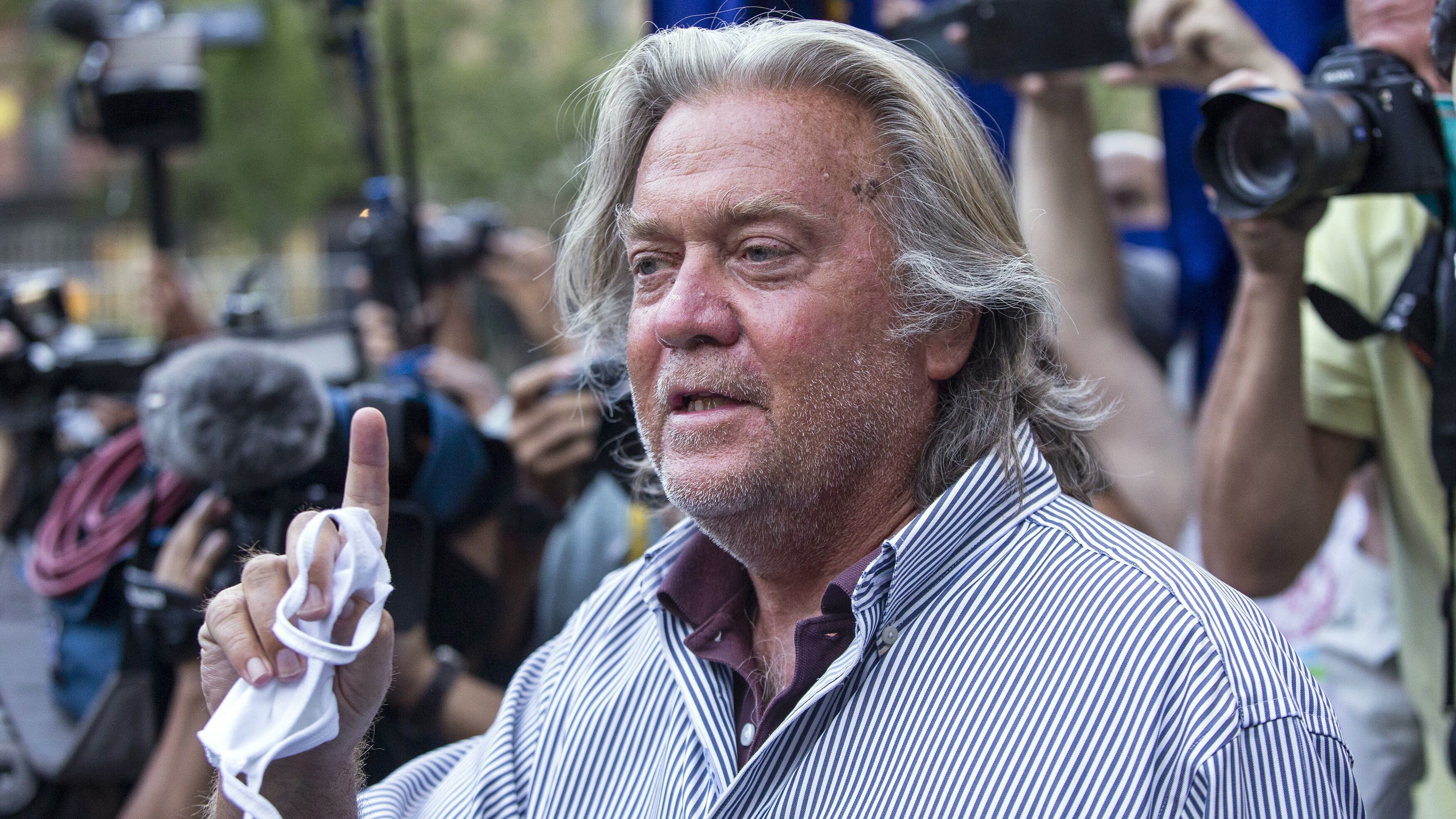
President Donald Trump pardoned former chief strategist Steve Bannon in the final hours of his White House term as part of a flurry of clemency action that benefited more than 140 people, including rap performers, ex-members of Congress and other allies of him and his family.
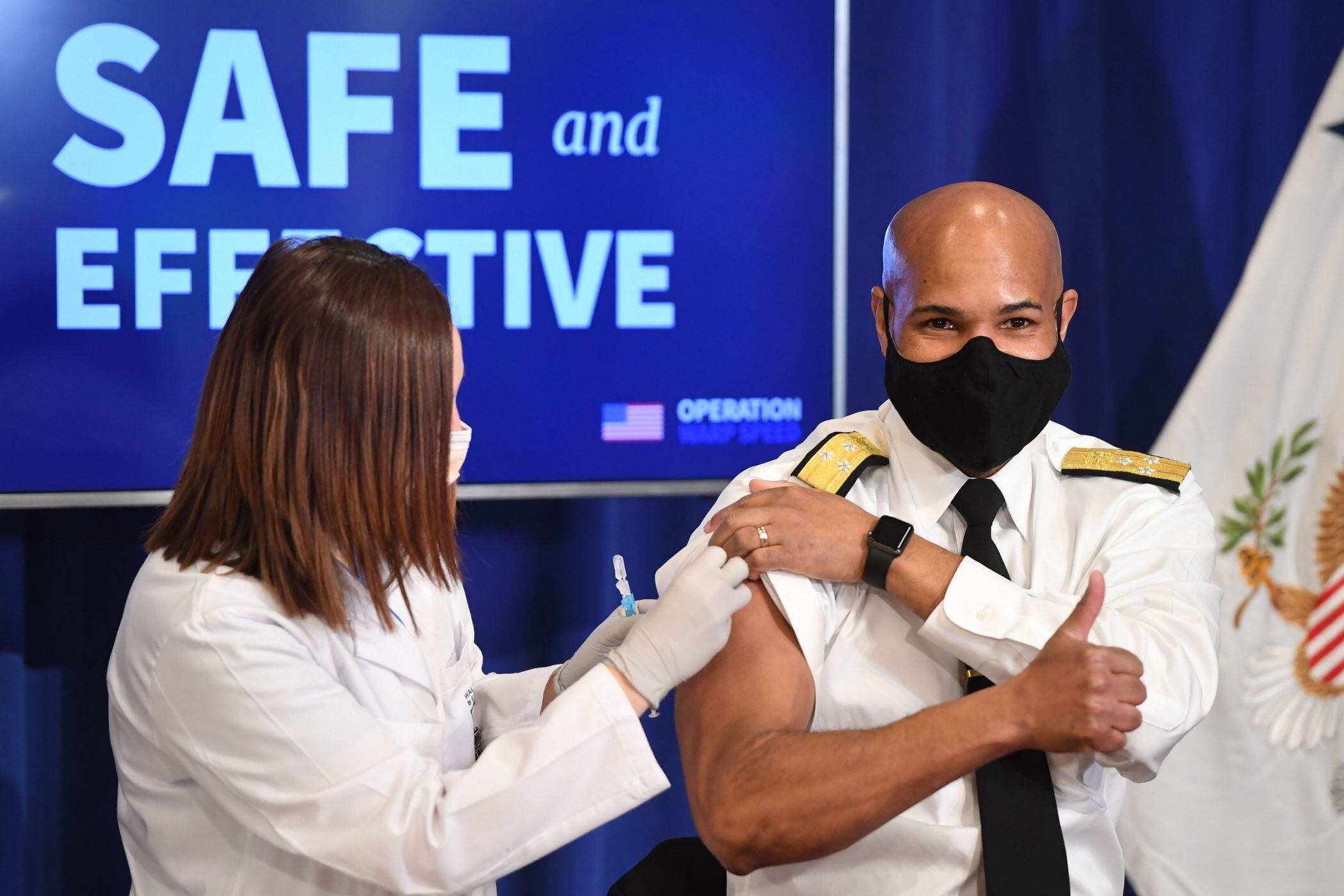
U.S. Surgeon General Jerome Adams spoke to Cheddar about the need to speed up the vaccination process as more mutated variants of the novel coronavirus present themselves.
Stocks closed higher on Wall Street, recovering some of last week’s losses and pulling closer to their record highs.
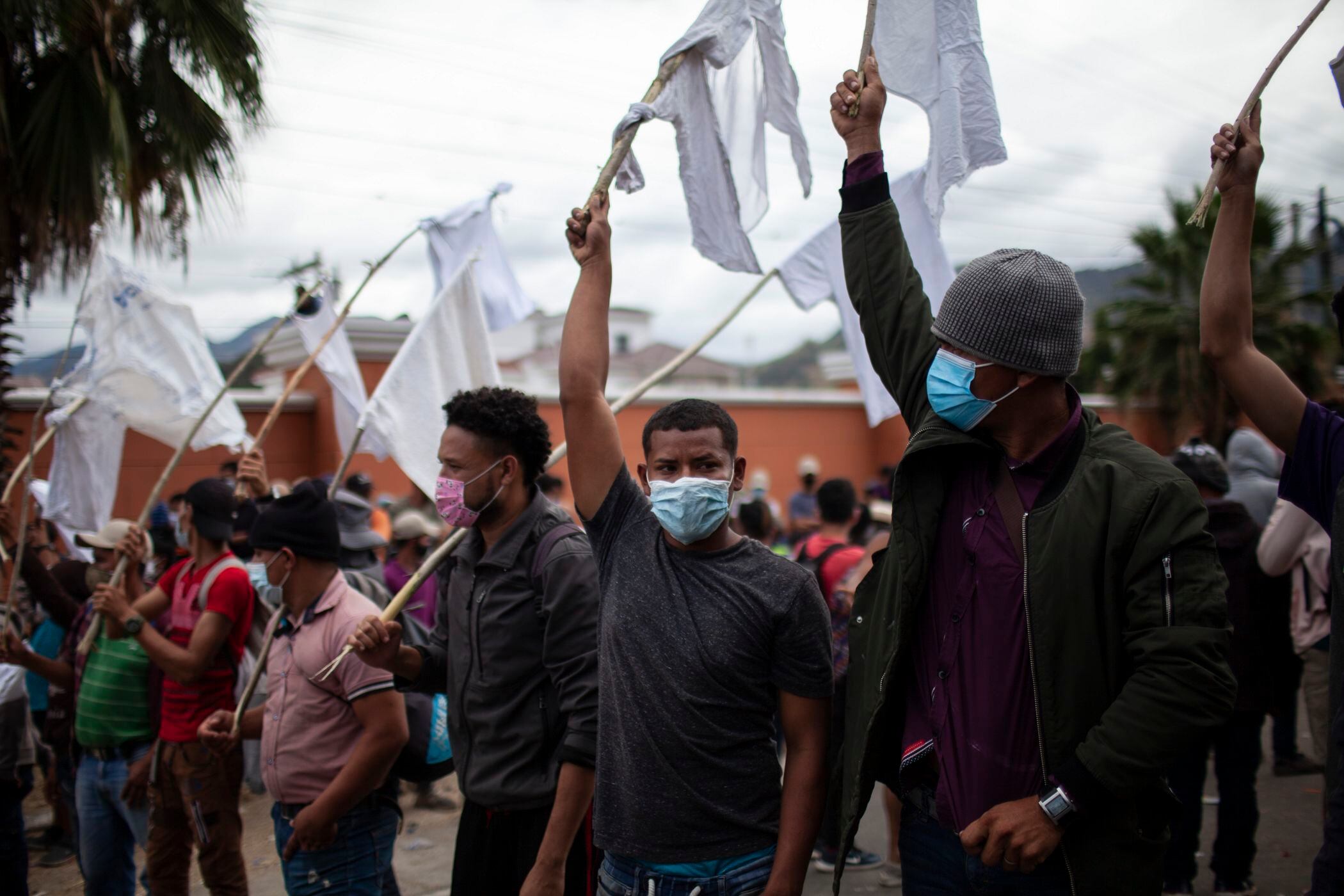
A once large caravan of Honduran migrants that pushed its way into Guatemala last week has dissipated in the face of Guatemalan security forces.
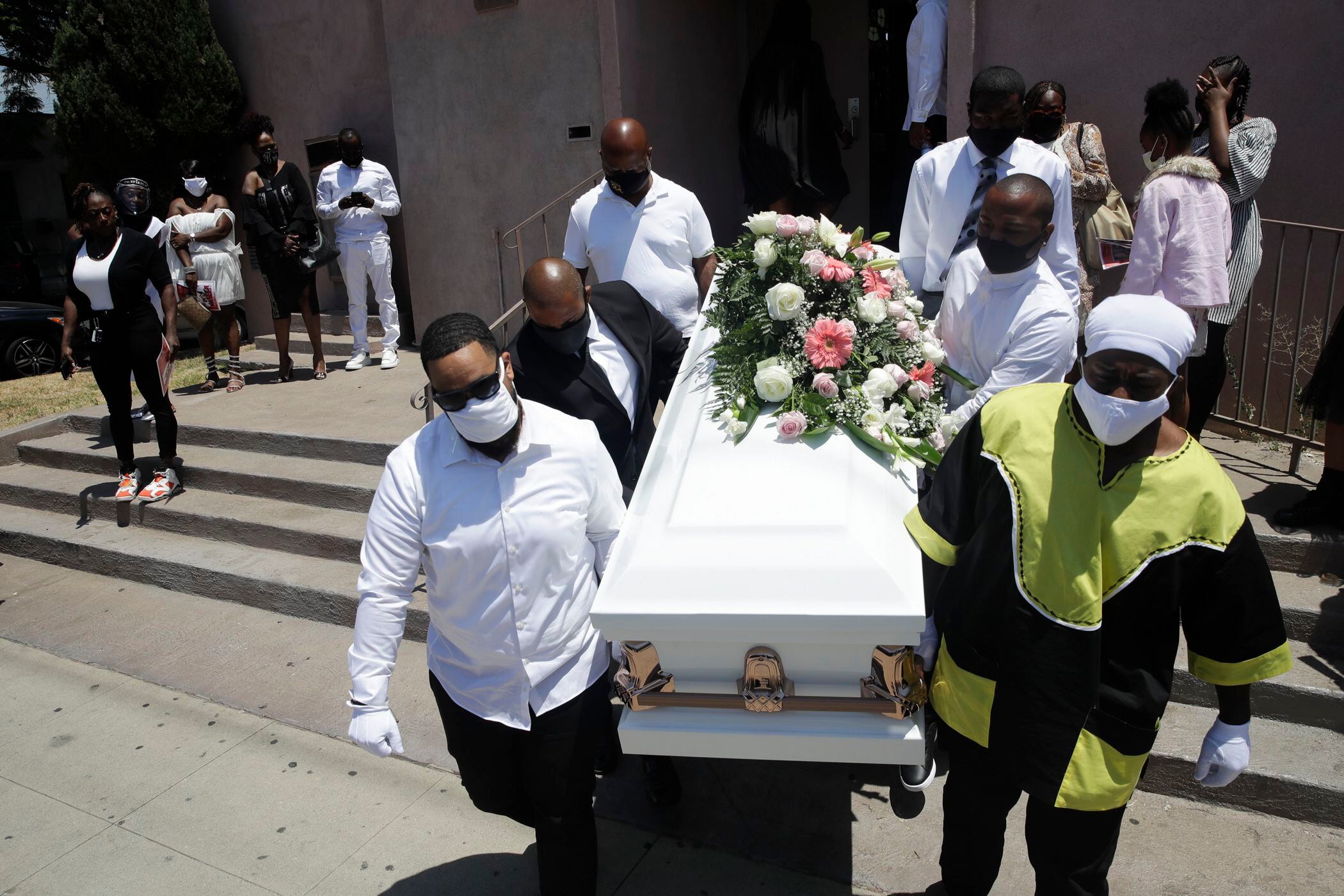
The U.S. death toll from the coronavirus has eclipsed 400,000 in the waning hours in office for President Donald Trump, whose handling of the crisis has been judged by public health experts to be a singular failure.
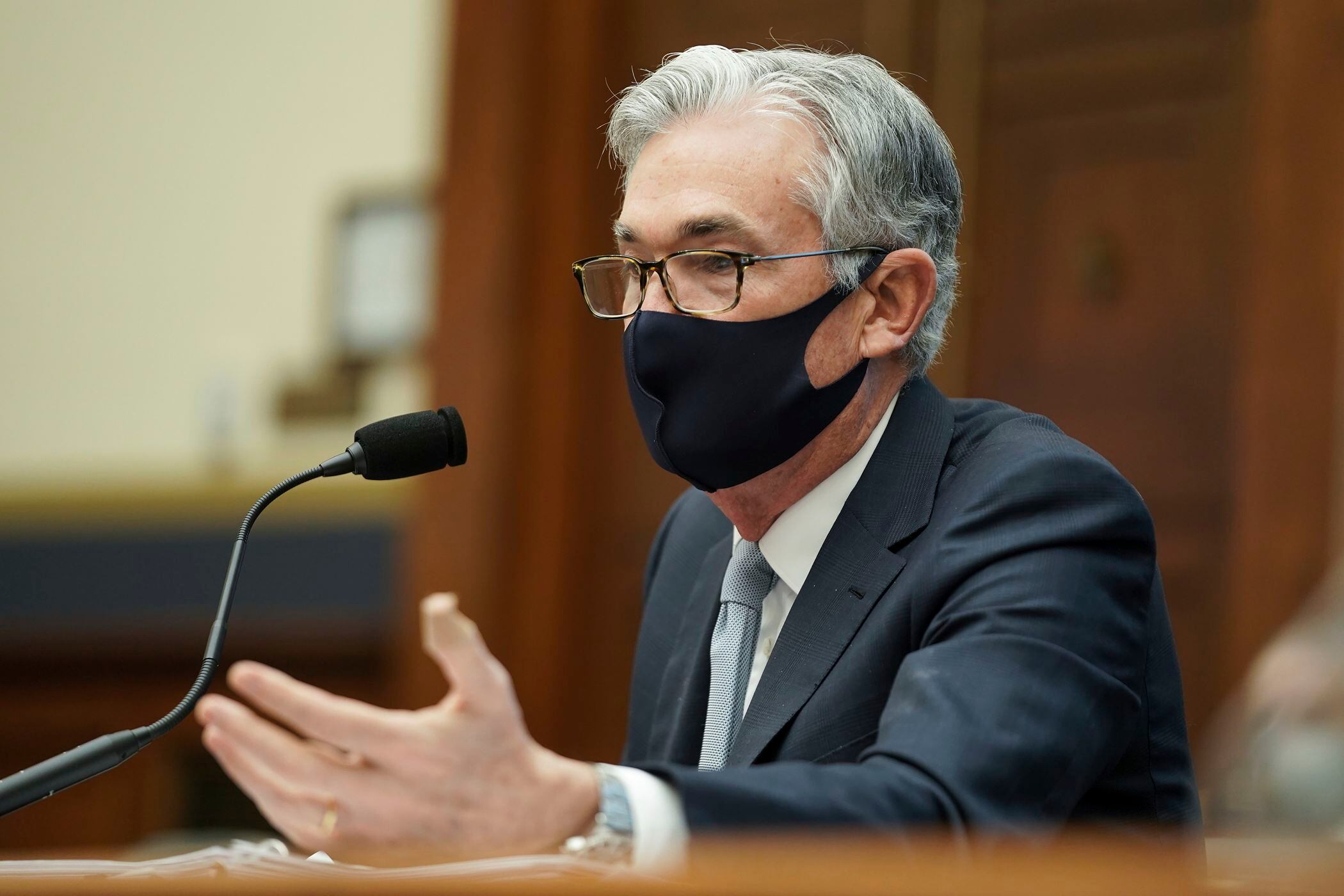
With Democrats taking the White House and Senate while keeping control of the Senate, future stimulus programs may take some burden off of the Federal Reserve.
Cowen managing director and senior analyst Vivien Azer discusses the future of cannabis stocks in the U.S. in light of the recent election changes.
President-elect Joe Biden has tapped Pennsylvania Health Secretary Rachel Levine to be his assistant secretary of health, leaving her poised to become the first openly transgender federal official to be confirmed by the Senate.