In Maryland, the Montgomery County Council has introduced a resolution deeming racism a public health crisis.
In an interview with Cheddar, councilmember Will Jawando says disparities the black community faces are staggering. Recent social uprisings might have lit the flame under Jawando to introduce the resolution but the issue of racial inequality goes back hundreds of years, he said.
"Racism is the direct result, for 401 years, we've been either property or legally discriminated against for most of that time," Jawando told Cheddar.
In Montgomery County, systemic racism is not limited to just over-assertive and sometimes lethal policing of the black community, he said. It's also running rampant in the healthcare system. As COVID-19 continues to ravage communities of color nationwide, 18 percent of the black population in his county makes up a quarter of the deaths related to the virus.
For Jawando, racism in the Washington DC suburb is simply a reflection of society on a smaller scale.
"If you look at maternal health and childbirth, black women die at three times the rate," he said. "When they come in with problems, often doctors — look at Serena Williams — don't believe that they're sick."
Introducing the resolution, which he expects to pass next week, is a first step for curing the public health crisis in his county, Jawando said, but he hopes the measure is eventually recognized on both the state and federal levels. He also supports other methods of combating racism including the growing call to defund police departments nationwide.
"We shouldn't have stats driven by policing," he explained. "De-escalation, that should be rewarded just as much as we reward arrests and tickets."
Cheddar News' Michelle Castillo spoke to former Kipp alumni and Kipp Affirm Middle School principal Dominique Mejia about the precautions it is taking to keep everyone healthy and why it was so important to return back to in-person instruction.
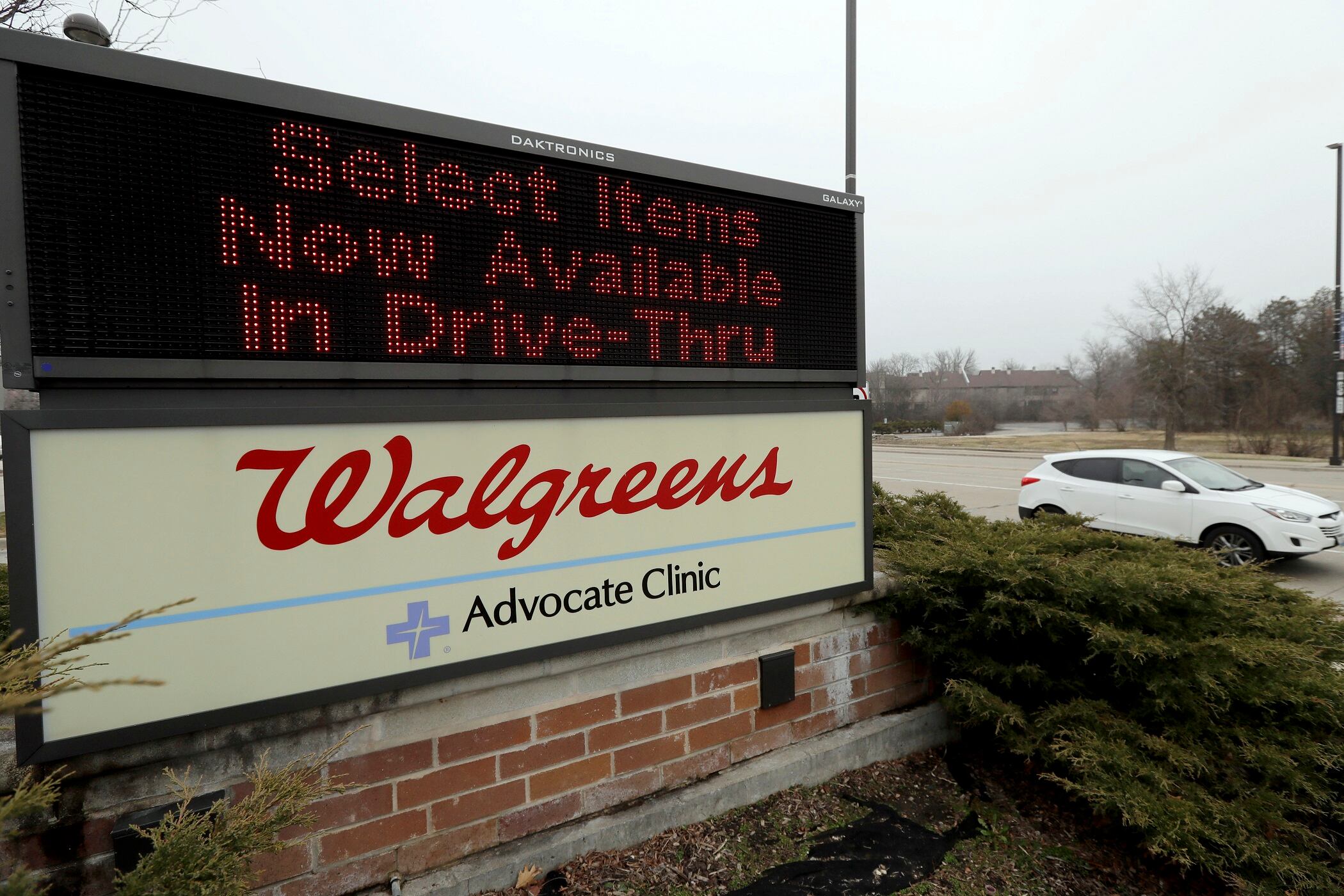
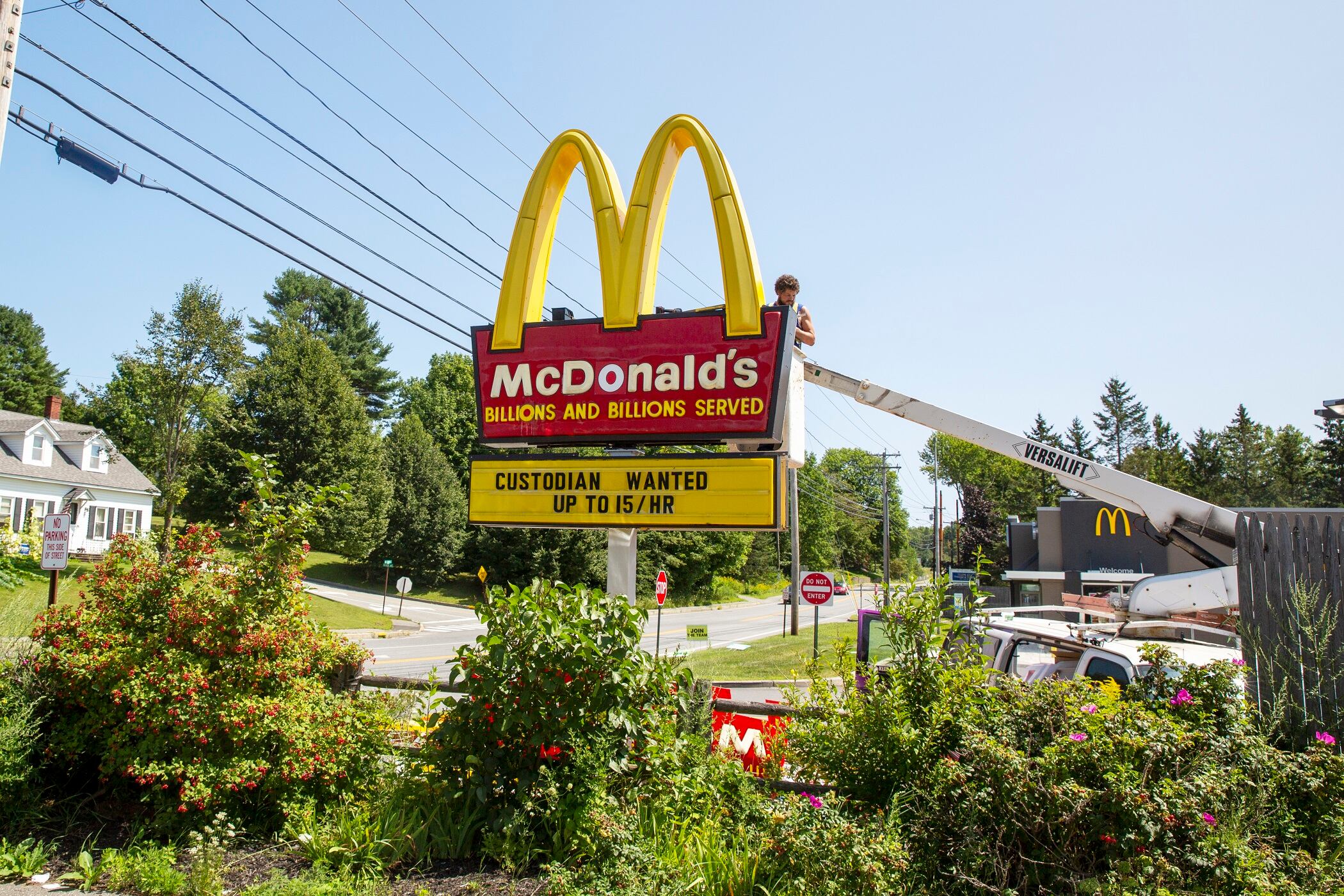
America’s employers added just 235,000 jobs in August, a modest gain after two months of robust hiring at a time when the delta variant’s spread has discouraged some people from flying, shopping and eating out.
The number of Americans seeking unemployment benefits fell last week to 340,000, a pandemic low, another sign that the job market is steadily rebounding from the economic collapse caused by the coronavirus pandemic.
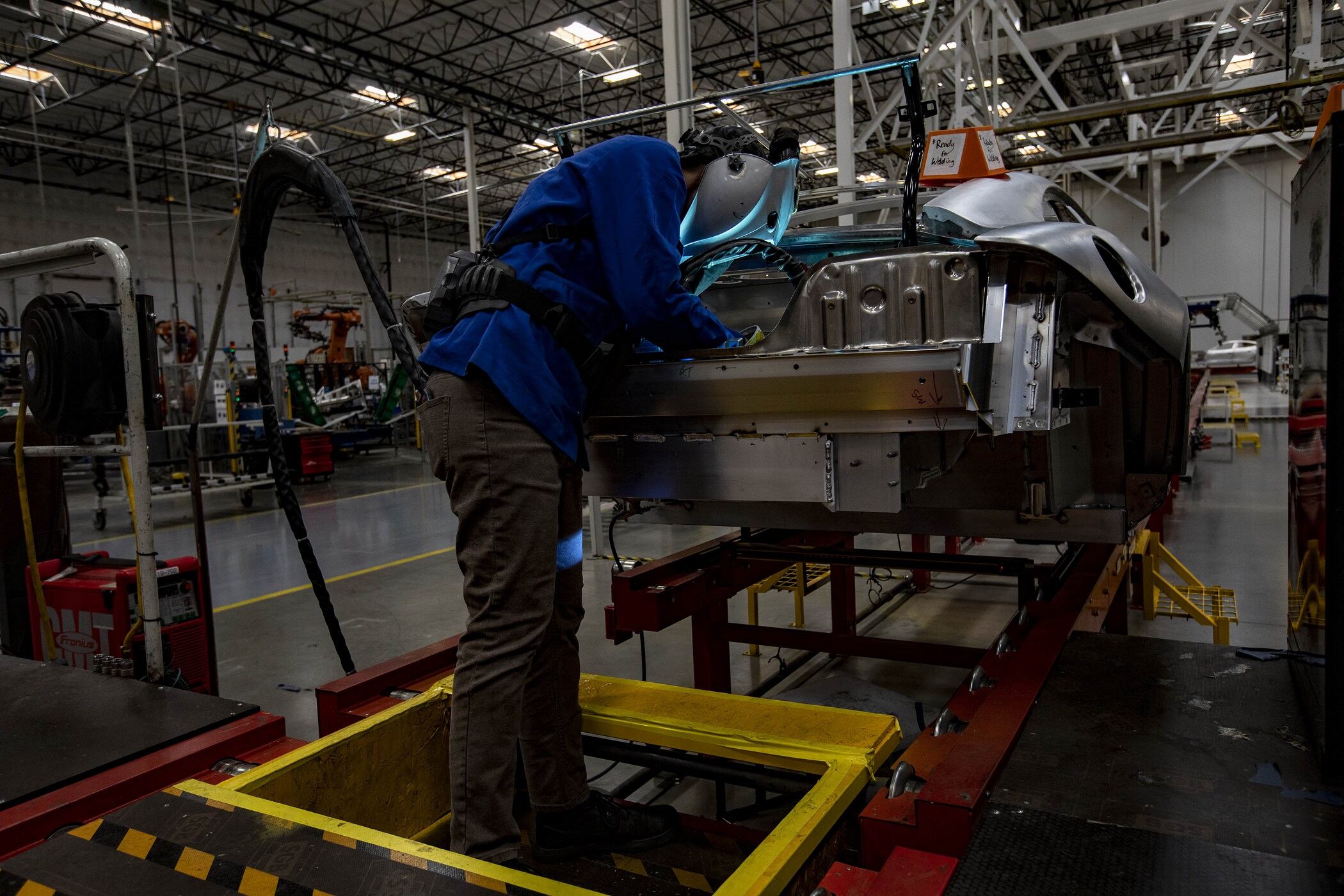
A group of Democratic senators quietly put forth a bill that could reshape domestic manufacturing in the United States.
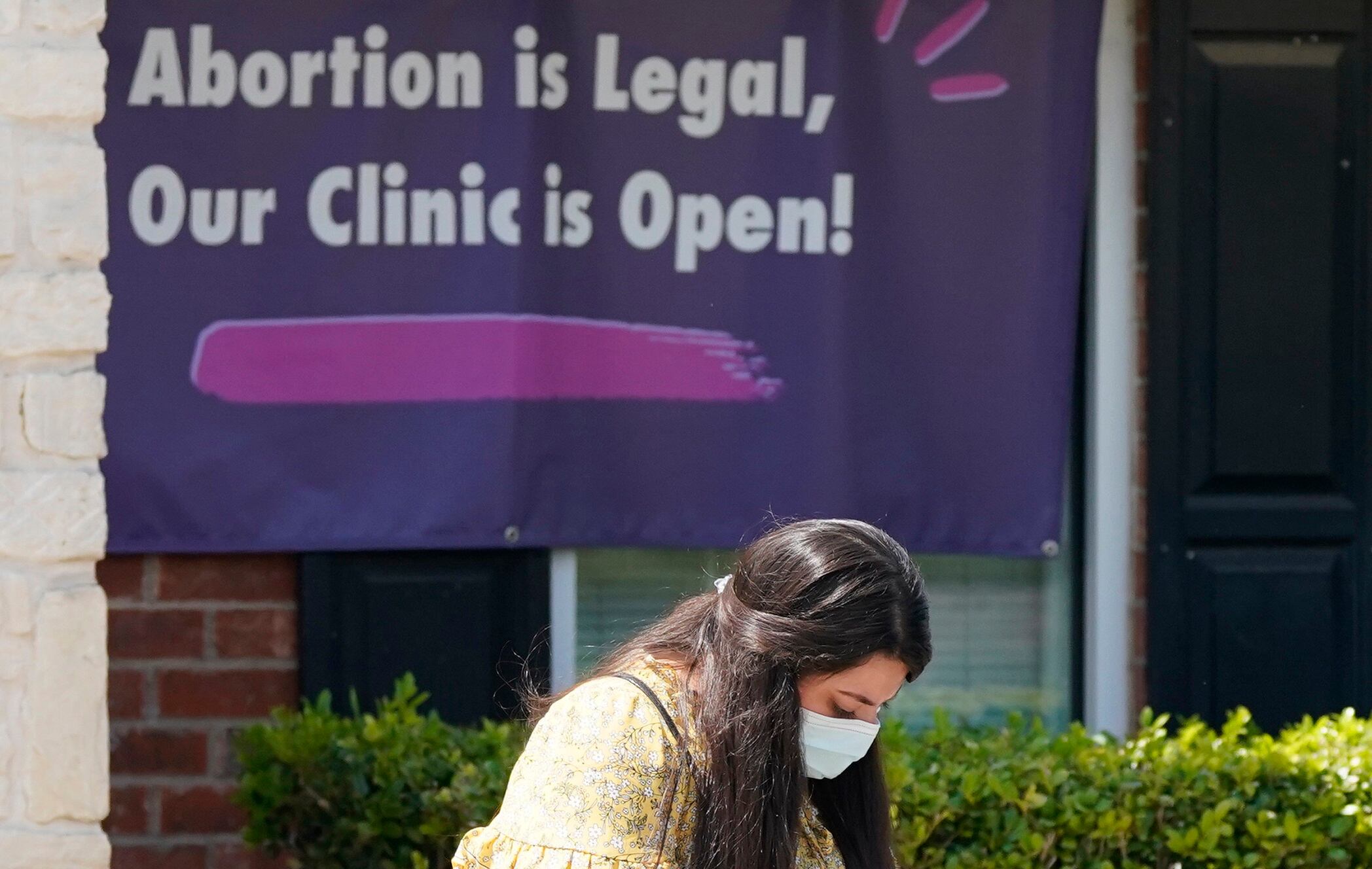
The nation’s most far-reaching curb on abortions has taken effect in Texas, with the Supreme Court silent so far on an emergency appeal to put the law on hold.
Cheddar asked its Gen Z and Millennial-aged Facebook and Instagram users about several topics including how they use social media, buying cryptocurrency, and the future job market.
Social Security and Medicare, the government’s two biggest benefit programs, remain under intense financial pressure with the retirement of millions of baby boomers and a devastating pandemic putting increased pressures on the two programs’ finances.
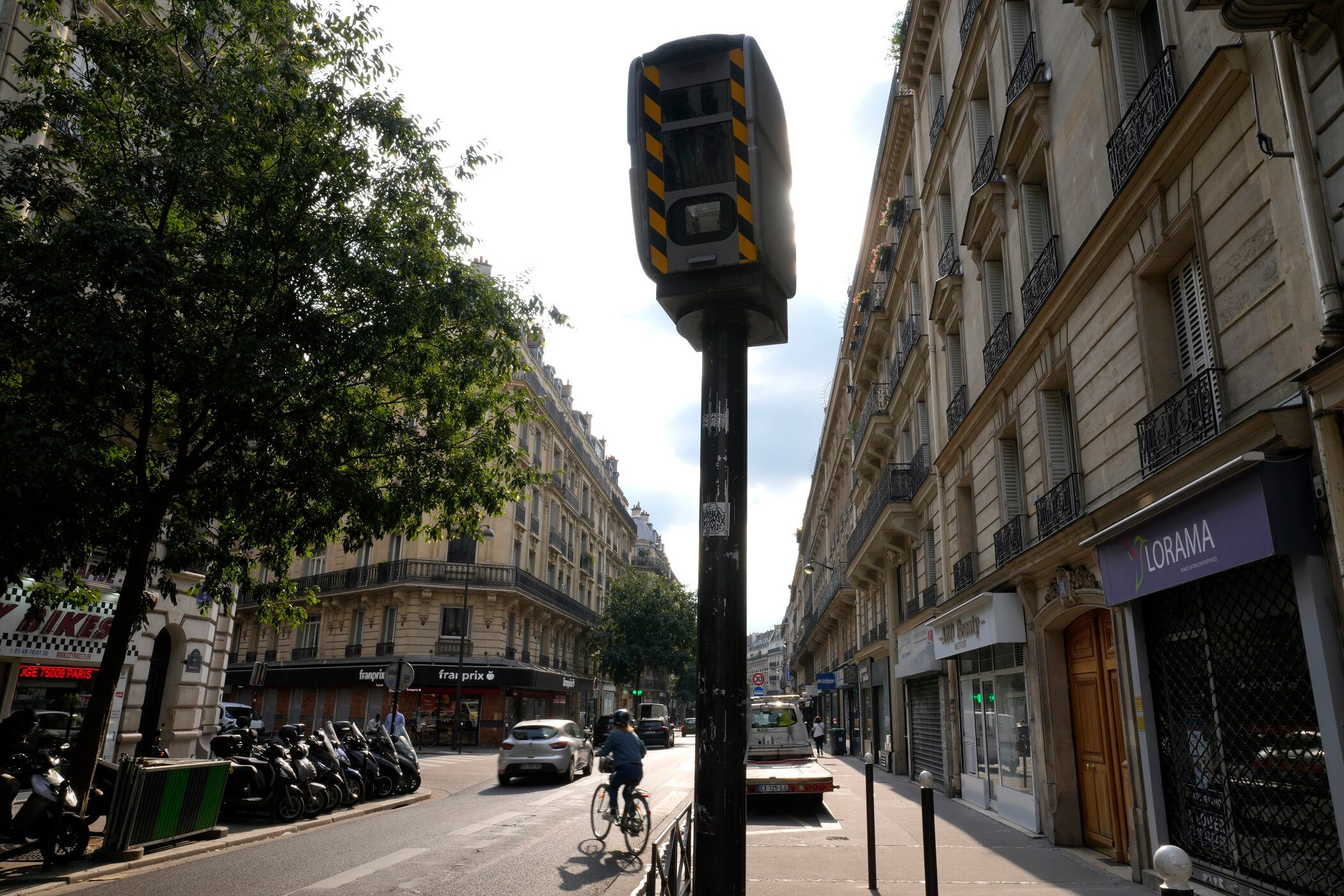
The speed limit for most of Paris is now 30 kilometers per hour (less than 19 miles per hour). The new rule takes effect Monday almost everywhere in the city except for a few wide avenues like the Champs-Elysees and the bypass circling the capital.
Cheddar's Chloe Aiello reports on Queens residents who mostly are voicing support for keeping the Open Streets program in New York City even after the pandemic.
Brazil, the country with the most freshwater resources in the world, has lost 15% of its surface water over the last three decades.