In Maryland, the Montgomery County Council has introduced a resolution deeming racism a public health crisis.
In an interview with Cheddar, councilmember Will Jawando says disparities the black community faces are staggering. Recent social uprisings might have lit the flame under Jawando to introduce the resolution but the issue of racial inequality goes back hundreds of years, he said.
"Racism is the direct result, for 401 years, we've been either property or legally discriminated against for most of that time," Jawando told Cheddar.
In Montgomery County, systemic racism is not limited to just over-assertive and sometimes lethal policing of the black community, he said. It's also running rampant in the healthcare system. As COVID-19 continues to ravage communities of color nationwide, 18 percent of the black population in his county makes up a quarter of the deaths related to the virus.
For Jawando, racism in the Washington DC suburb is simply a reflection of society on a smaller scale.
"If you look at maternal health and childbirth, black women die at three times the rate," he said. "When they come in with problems, often doctors — look at Serena Williams — don't believe that they're sick."
Introducing the resolution, which he expects to pass next week, is a first step for curing the public health crisis in his county, Jawando said, but he hopes the measure is eventually recognized on both the state and federal levels. He also supports other methods of combating racism including the growing call to defund police departments nationwide.
"We shouldn't have stats driven by policing," he explained. "De-escalation, that should be rewarded just as much as we reward arrests and tickets."
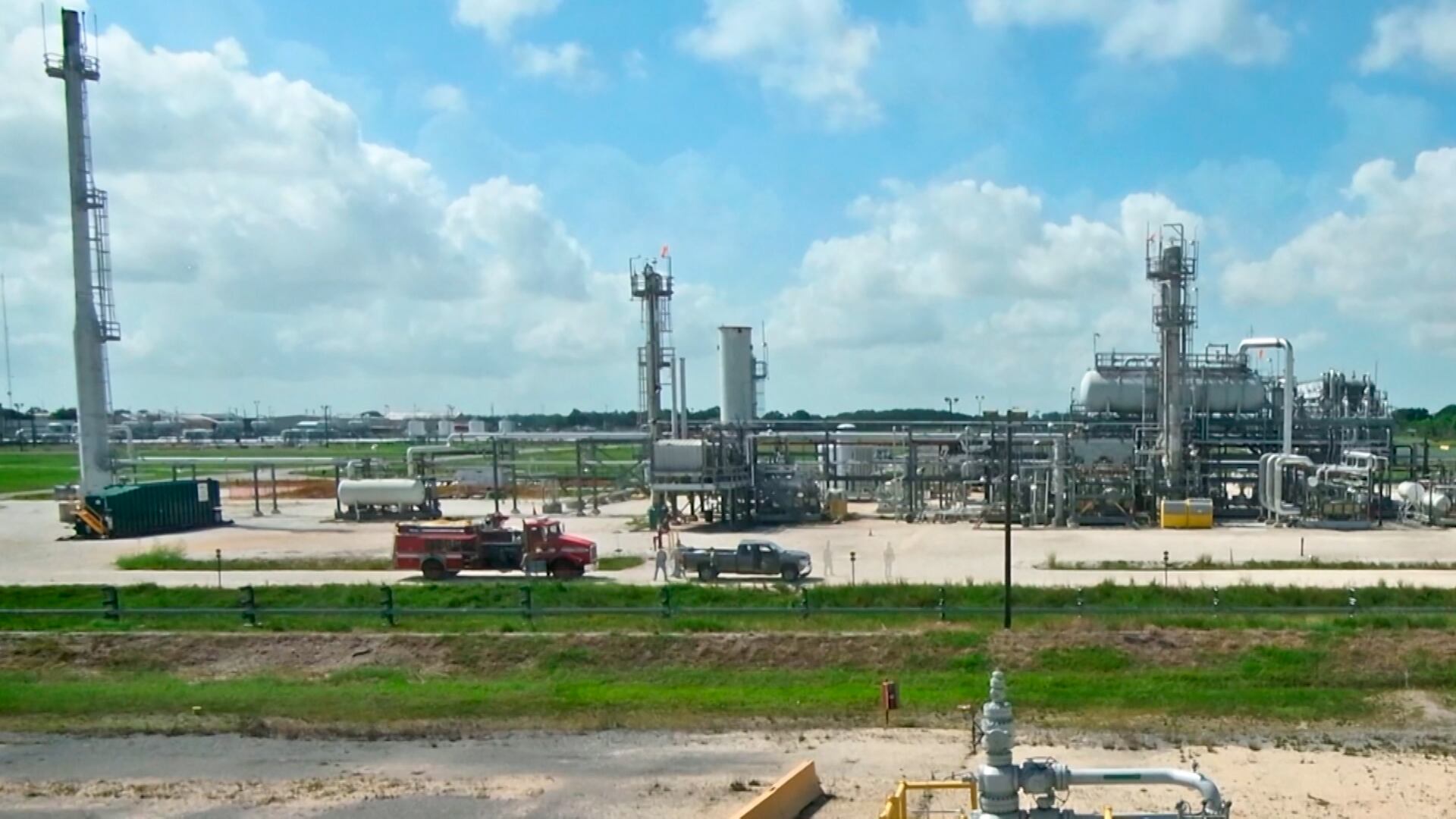
The Biden Administration is releasing 50 million barrels of oil from the U.S. oil reserves in hopes of easing soaring gas prices. Vijay Vaitheeswaran, Global Energy and Climate Innovation Editor at the Economist, joined Cheddar to discuss.
John Petrides, Portfolio Manager at Tocqueville Asset Management, joins Cheddar News' Closing Bell, where he breaks down Monday's market activity amid the emergence of the omicron variant, and what it could mean for the Fed's timeline when it comes to raising rates and tapering pandemic aid.
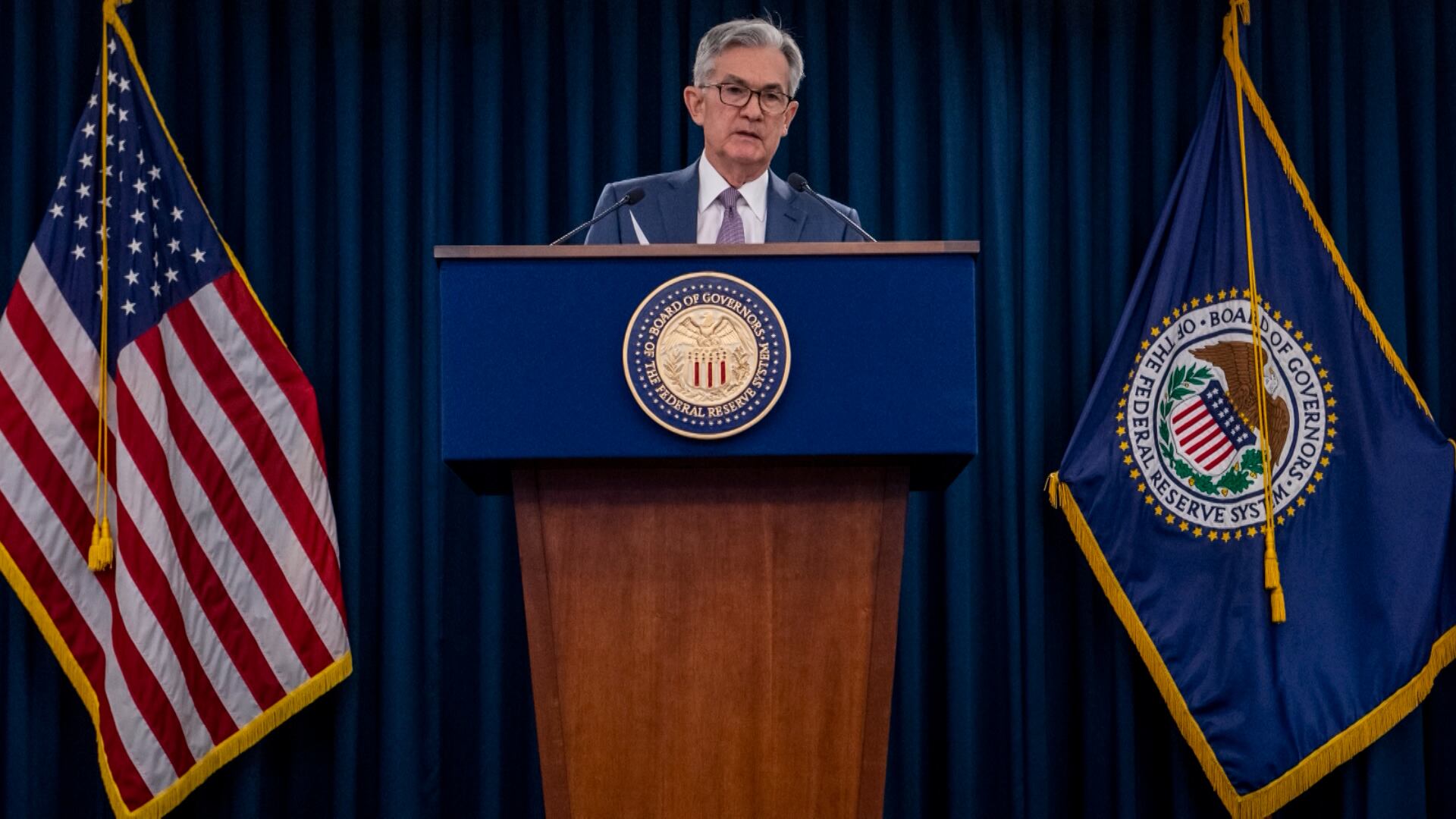
Earlier in the week, we saw President Biden nominate Jerome Powell to serve as Fed chair for another four-year term in the midst of the country’s struggles with covid, inflation, and supply unrest. Claudia Sahm, senior fellow at the Jain Family Institute and former Federal Reserve and White House economist explains why the markets saw a boost following the nomination.
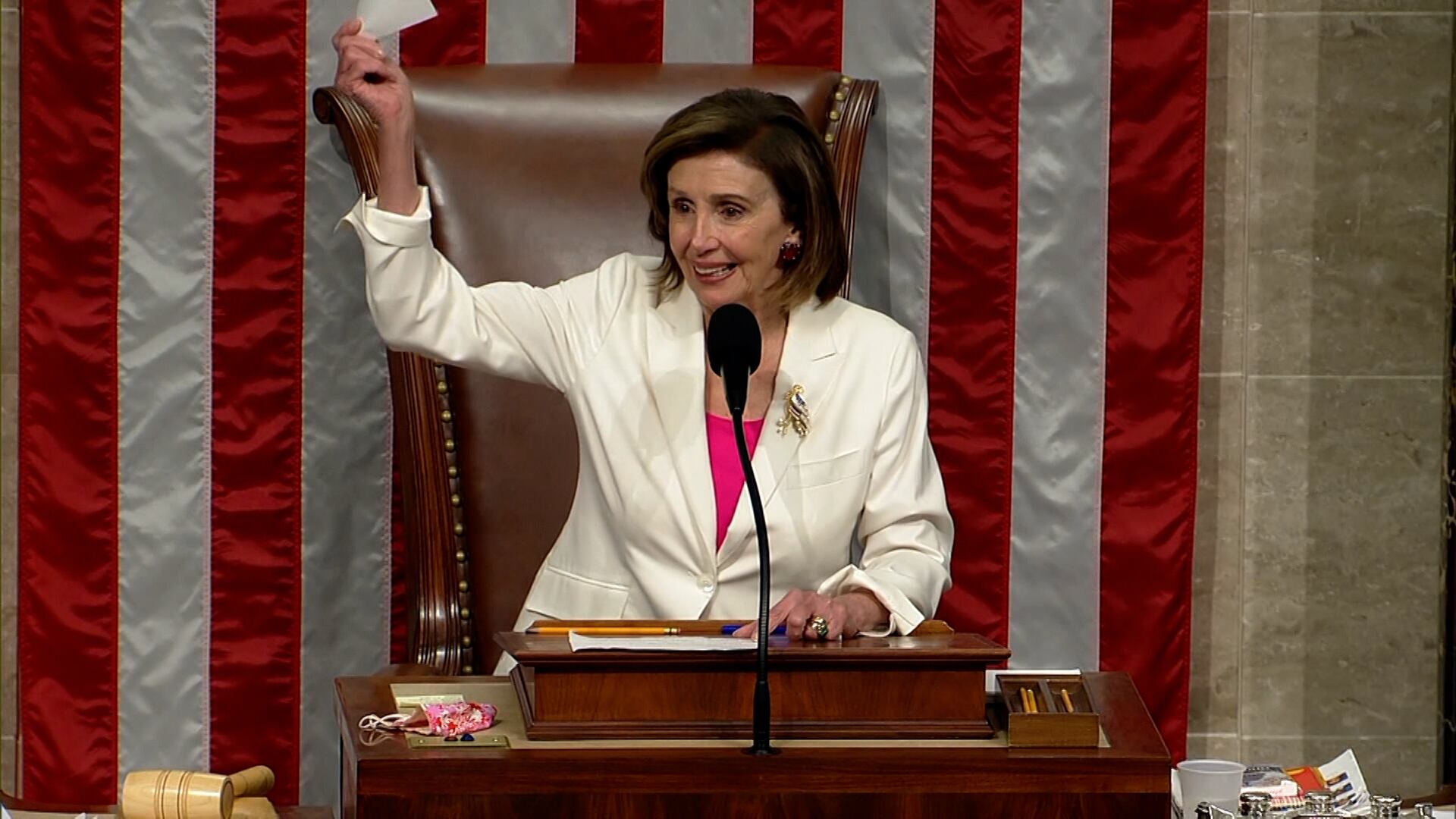
House Democrats saw a big win on Friday when President Biden's trillion dollar Build Back Better social spending bill was passed but now the question is - can the bill hold up in the senate as it faces possible ongoing scrutiny from not only Republicans, but also some Democrats. Julia Manchester, reporter at The Hill, explains whether or not the bill will make it to President Biden's desk by Christmas.
Jamil Jaffer, Founder and Executive Director of the National Security Institute, joined Cheddar to discuss the concern surrounding Chinese tennis star Peng Shuai's disappearance following a social media post accusing a former high-ranking Chinese official of sexual assault.
Just hours before the scheduled execution of inmate Julius Jones, the Governor of Oklahoma Kevin Stit has now granted commuted his sentence to life in prison without the possibility of parole. Several advocates along with a number of celebrities have been fighting to stop the execution. Defense Attorney and Police Director Erin Haney, joined Cheddar to discuss more.
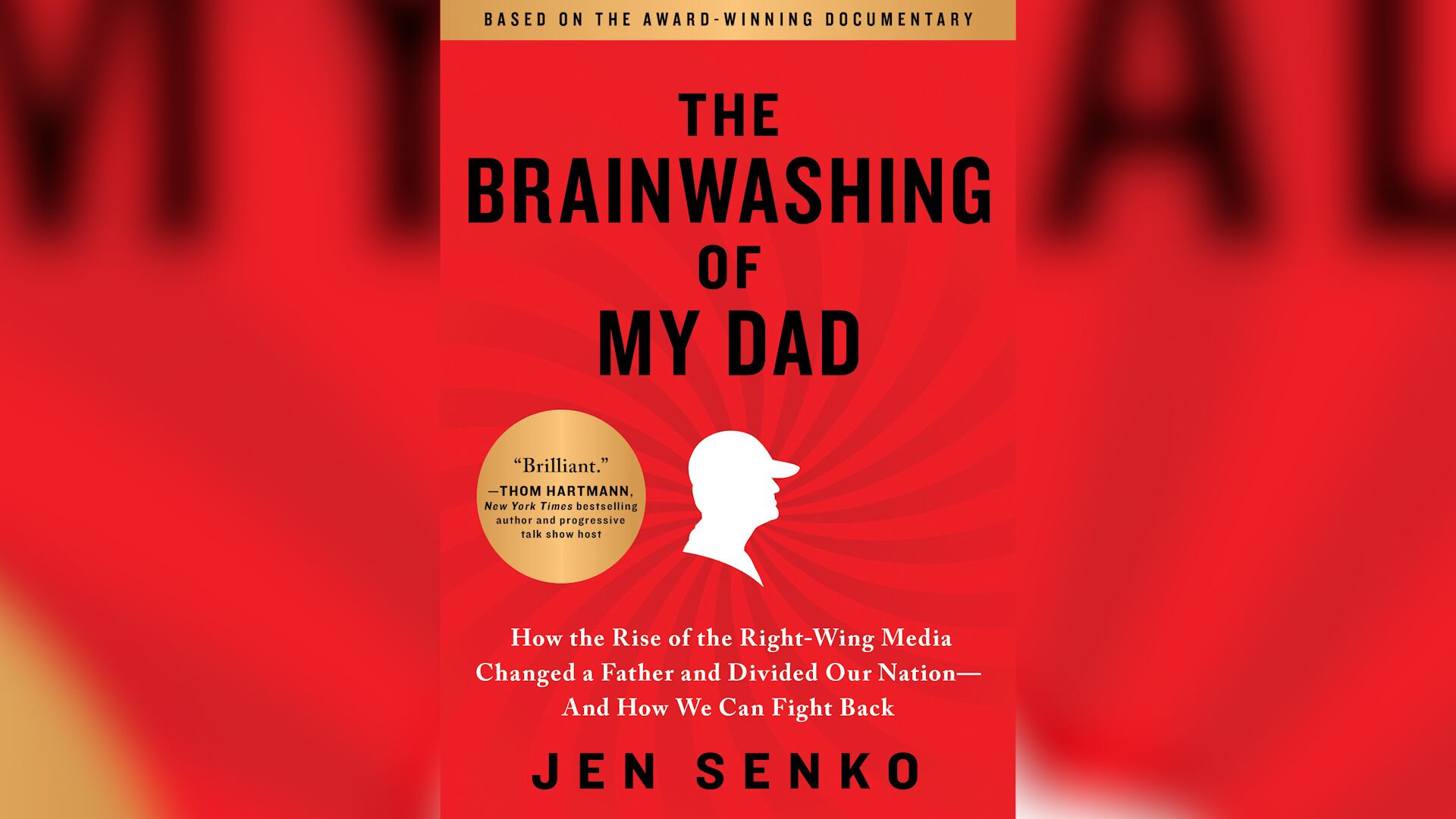
The book 'The Brainwashing of My Dad' examines how the rise of right-wing media changed a father and impacted the nation. Author of the book, Jen Senko, joins Cheddar News to discuss the history and future of conservative media.
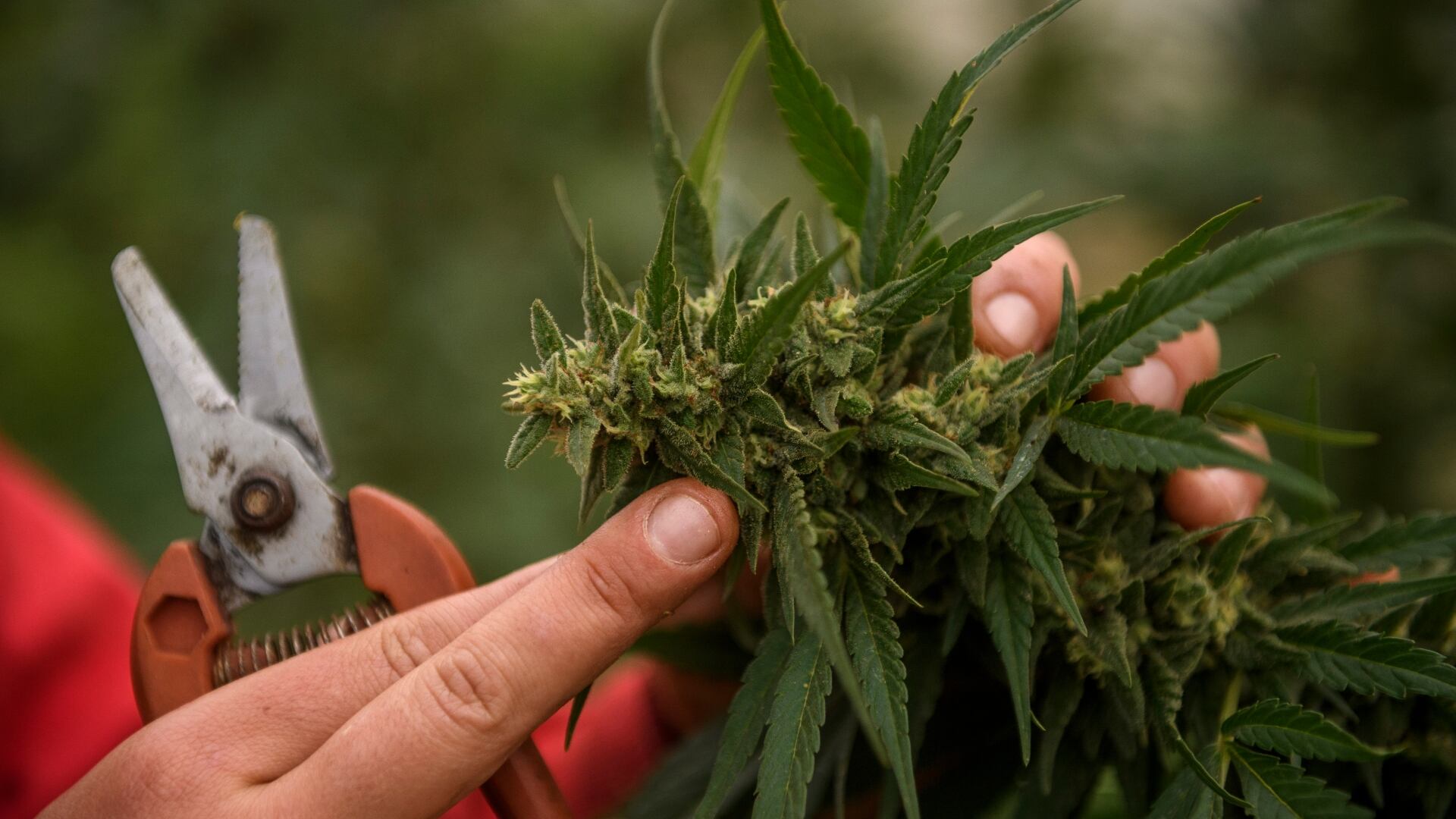
Natalie Fertig, Federal Cannabis Policy Reporter for Politico Pro, joined Cheddar to discuss the shift among republicans to support federally legalizing marijuana.
The House has officially passed the $1.75 trillion social policy and climate big. This new bill is expected to bring some huge investments into working towards fighting climate change. U.S. President of We Don't Have Time, Sweta Chakraborty, joined Cheddar to discuss more.