Marrying Your Cousin: Is It Actually As Bad As We Thought?
Marrying your cousin has long been considered taboo, but new research says that procreating with your cousins may not be as risky as previously thought. Popular Science's Eleanor Cummins breaks down the findings.
Eleanor Cummins, Editorial Assistant at Popular Science, breaks down the findings. Columbia University data scientist Yaniv Erlich studied a family tree of 13 million people to see how marrying various relatives impacts the risk of genetic birth defects. He found that one set of first cousins having children doesn't necessarily pose a high risk of having children with birth defects, but if the trend continues beyond one generation, then the risk increases exponentially.
Blame geography for the U.S. getting hit by stronger, costlier, more varied and frequent extreme weather than anywhere on the planet, several experts said. But that's only part of it.
Residents across a wide swath of the U.S. raced Sunday to assess the destruction from fierce storms that spawned possibly dozens of tornadoes from the South and the Midwest into the Northeast.
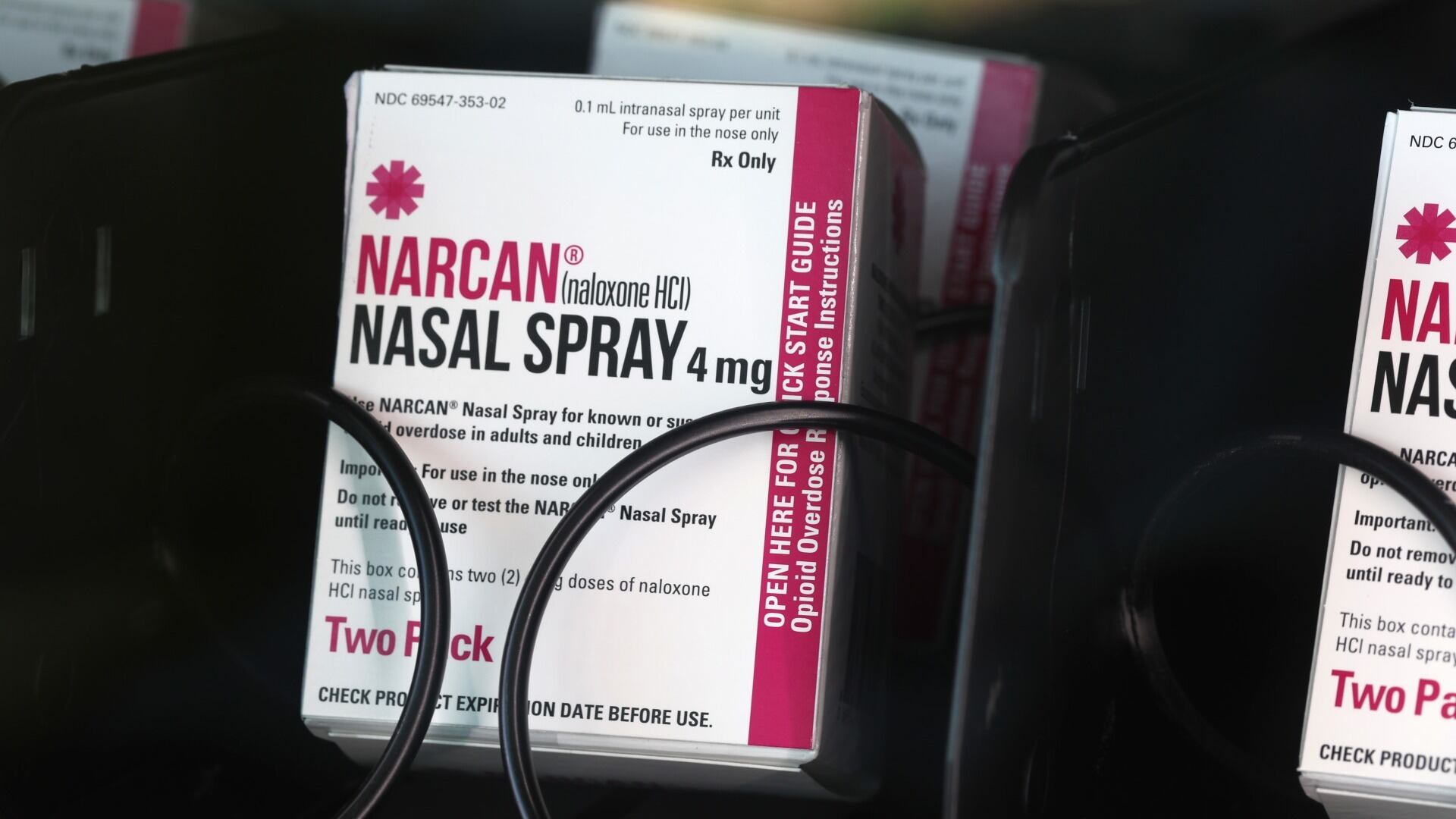
The U.S. Food and Drug Administration has approved selling overdose antidote naloxone over-the-counter, marking the first time a opioid treatment drug will be available without a prescription.
Millions of Americans could lose access to Medicaid on April 1, and Joe Dunn, senior vice president of public policy at the National Association of Community Health Centers, joined Cheddar News' anchor Shannon LaNier to discuss what this means for public health.