Marrying your cousin has long been considered taboo, but new research says that procreating with your cousins may not be as risky as previously thought. Popular Science's Eleanor Cummins breaks down the findings.
Eleanor Cummins, Editorial Assistant at Popular Science, breaks down the findings. Columbia University data scientist Yaniv Erlich studied a family tree of 13 million people to see how marrying various relatives impacts the risk of genetic birth defects. He found that one set of first cousins having children doesn't necessarily pose a high risk of having children with birth defects, but if the trend continues beyond one generation, then the risk increases exponentially.
Cheddar's Michelle Castillo follows up on her antibody test, and breaks down why, despite some unavoidable risks, she may have remained coronavirus-free.
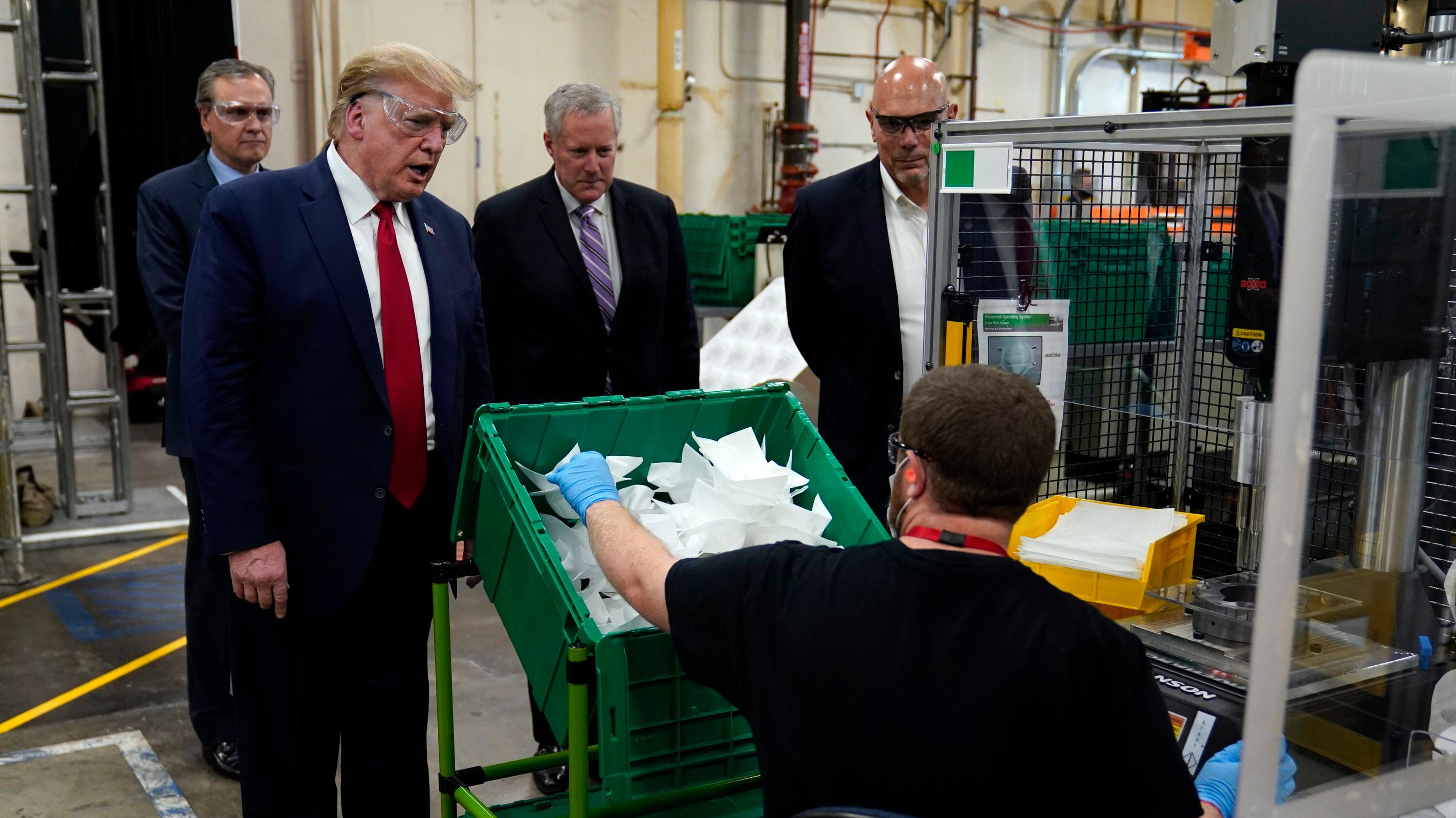
One day after saying that the COVID-19 task force would be winding down, President Donald Trump says it would continue on indefinitely, but focus on rebooting the economy.
An Associated Press analysis finds that taking the New York metropolitan area’s progress against the coronavirus out of the equation shows the rest of the U.S. moving in the wrong direction, with the infection rate rising even as states move to lift their lockdowns.
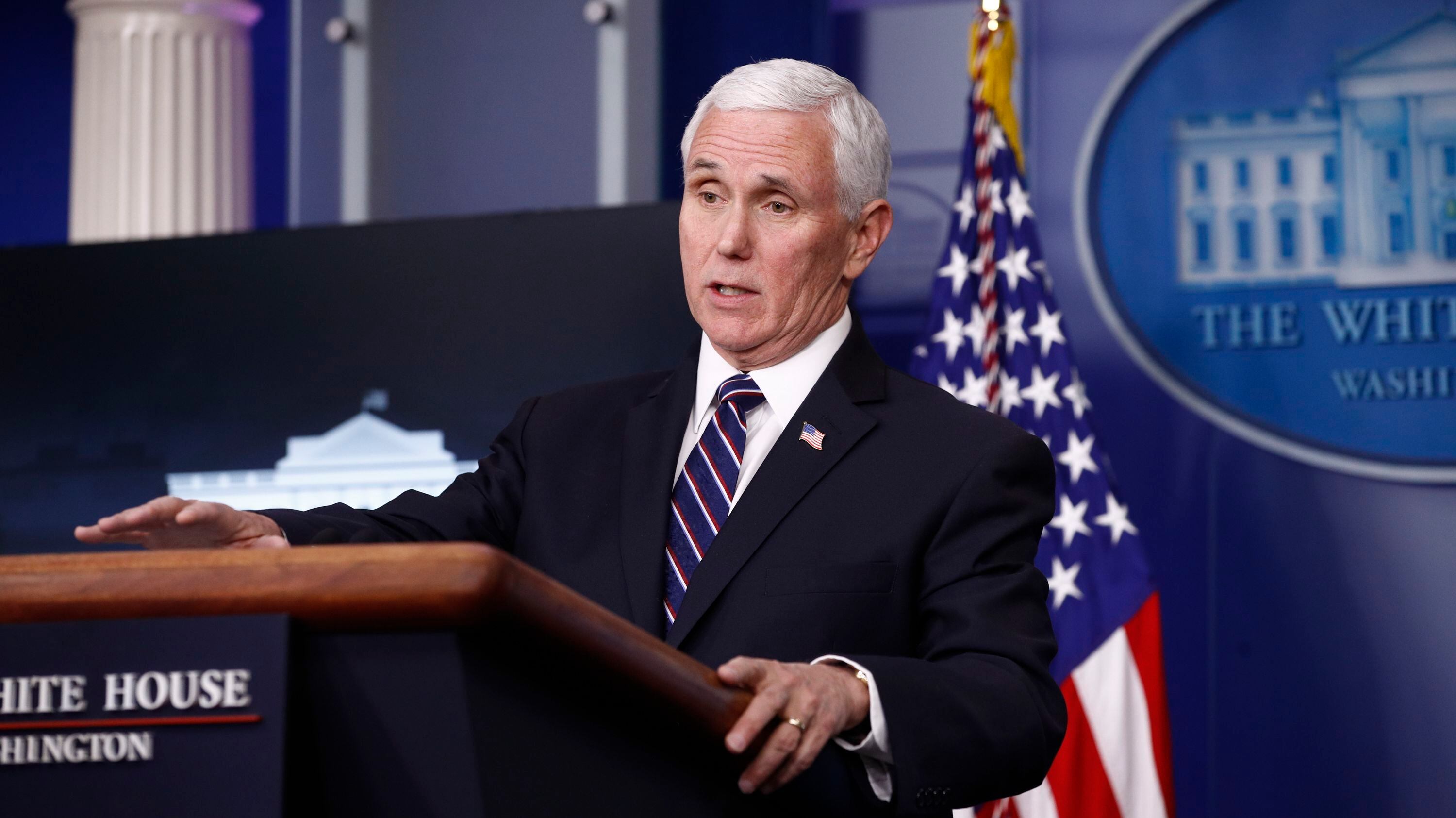
Vice President Mike Pence says the White House coronavirus task force could wind down its work by early June.
Companies across a wide swath of industries have found ways to give back to communities in their time of need amid the COVID-19 pandemic.
COVID-19 tests look for antibodies, which are proteins the body develops in response to toxic or foreign substances inside the bloodstream.
A new study out of a Paris hospital suggests nicotine may help prevent infection and serious illness from coronavirus — but doctors caution against picking up a smoking habit.
From Wall Street to Silicon Valley, these are the top stories that moved markets and had investors, business leaders, and entrepreneurs talking this week on Cheddar.
NASA Administrator Jim Bridenstine announced Thursday the three companies that will develop, build and fly lunar landers, with the goal of returning astronauts to the moon in 2024 and ultimately on to Mars.
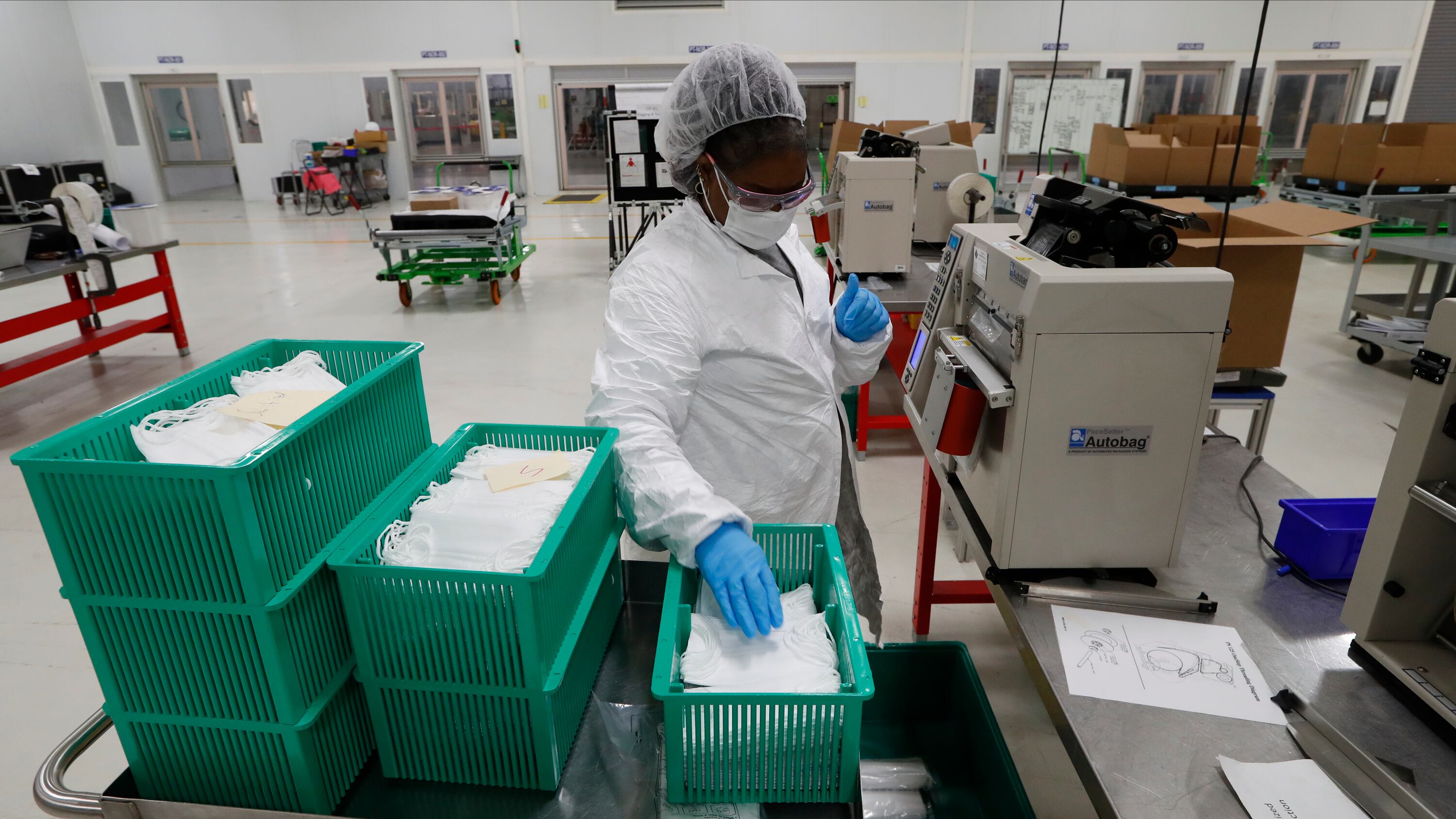
A shortage of personal protective equipment is a critical problem for frontline medical workers and one of the toughest issues the organization is facing, said Thomas Tighe, CEO of Direct Relief.