Marrying your cousin has long been considered taboo, but new research says that procreating with your cousins may not be as risky as previously thought. Popular Science's Eleanor Cummins breaks down the findings.
Eleanor Cummins, Editorial Assistant at Popular Science, breaks down the findings. Columbia University data scientist Yaniv Erlich studied a family tree of 13 million people to see how marrying various relatives impacts the risk of genetic birth defects. He found that one set of first cousins having children doesn't necessarily pose a high risk of having children with birth defects, but if the trend continues beyond one generation, then the risk increases exponentially.
A U.S. appeals court has ruled against major oil companies in lawsuits brought by California cities and counties seeking damages for climate change.
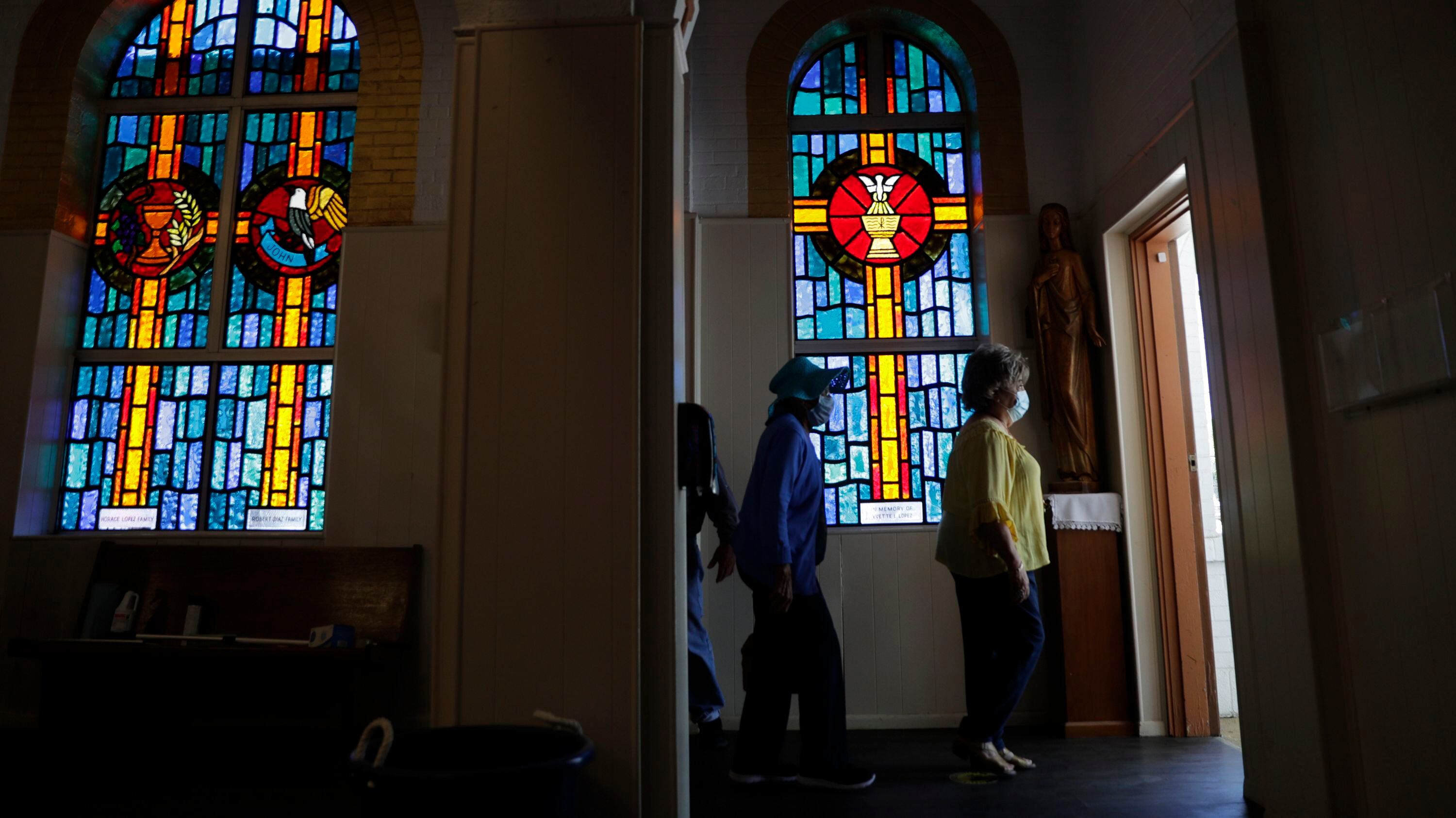
While the choice to get out this Memorial Day is ultimately a calculated personal risk, many are hoping to find a way to see friends and family for the first time in months.
From Wall Street to Silicon Valley, these are the top stories that moved markets and had investors, business leaders, and entrepreneurs talking this week on Cheddar.
Backyard grilling is an American institution. But have you ever wondered where it came from? You might be surprised to learn that the history of your weekend barbecue twists and turns back through the earliest years of America’s past.
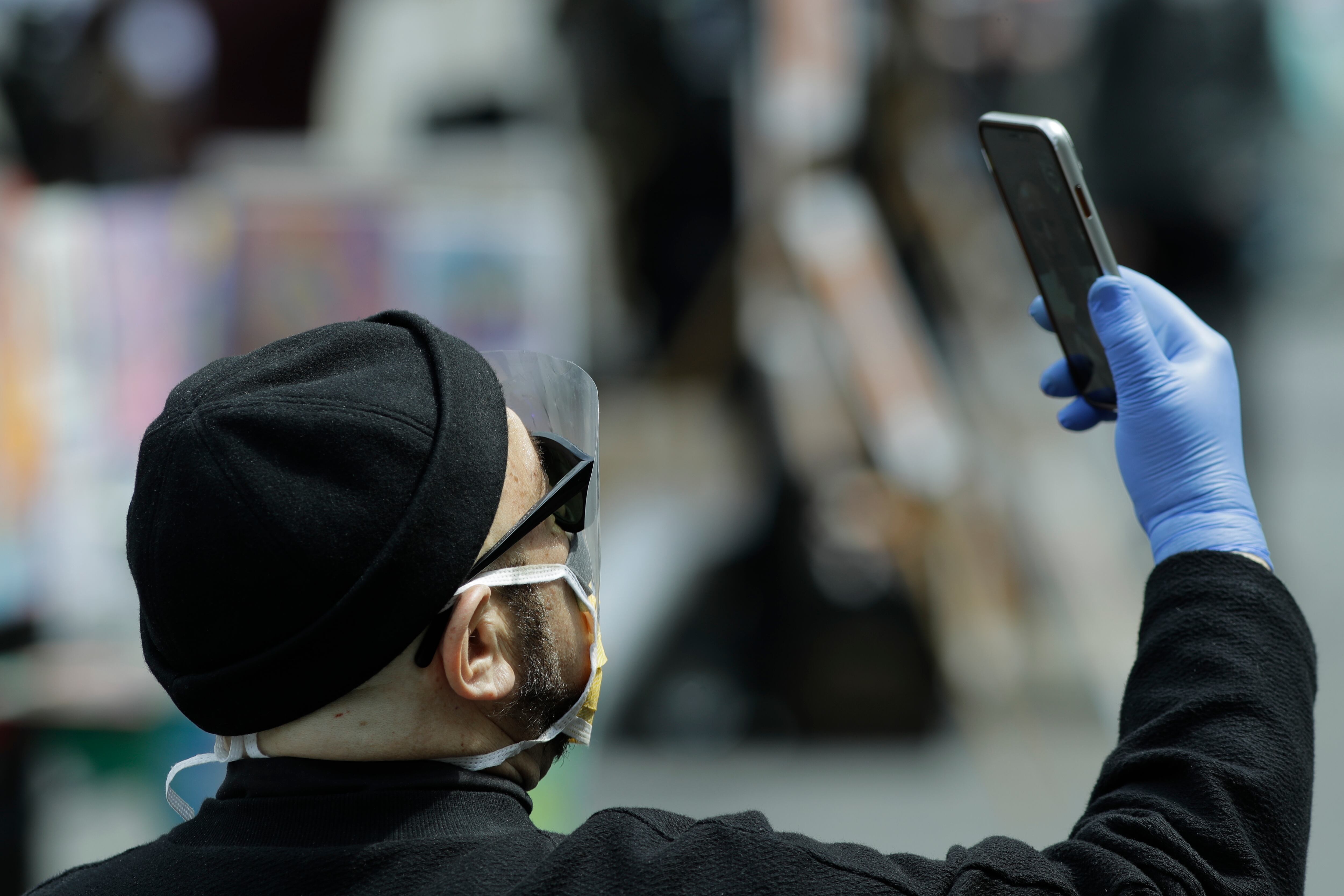
Apple and Google on Wednesday released long-awaited smartphone technology to automatically notify people if they might have been exposed to the coronavirus.
U.S. health officials have quietly released more reopening guidance that was created more than a month ago but initially shelved.
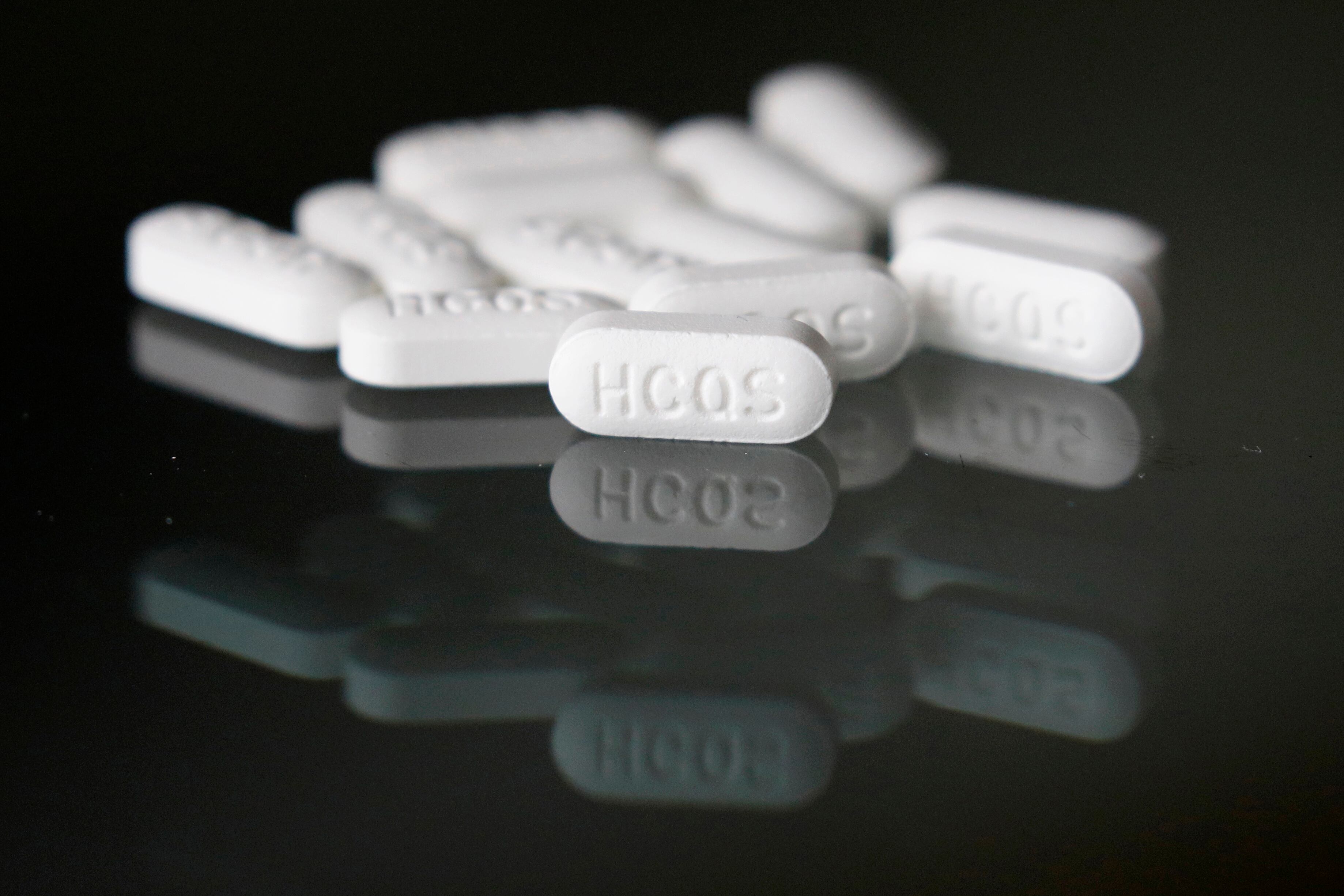
Dr. Leana Wen, an emergency physician, explained the potential risks of taking hydroxychloroquine, and how President Trump needs to change his rhetoric for the sake of public health.
Scientists say if the world returns to normal pollution levels, the temporary reductions will amount to a drop in the ocean when it comes to curbing global warming.
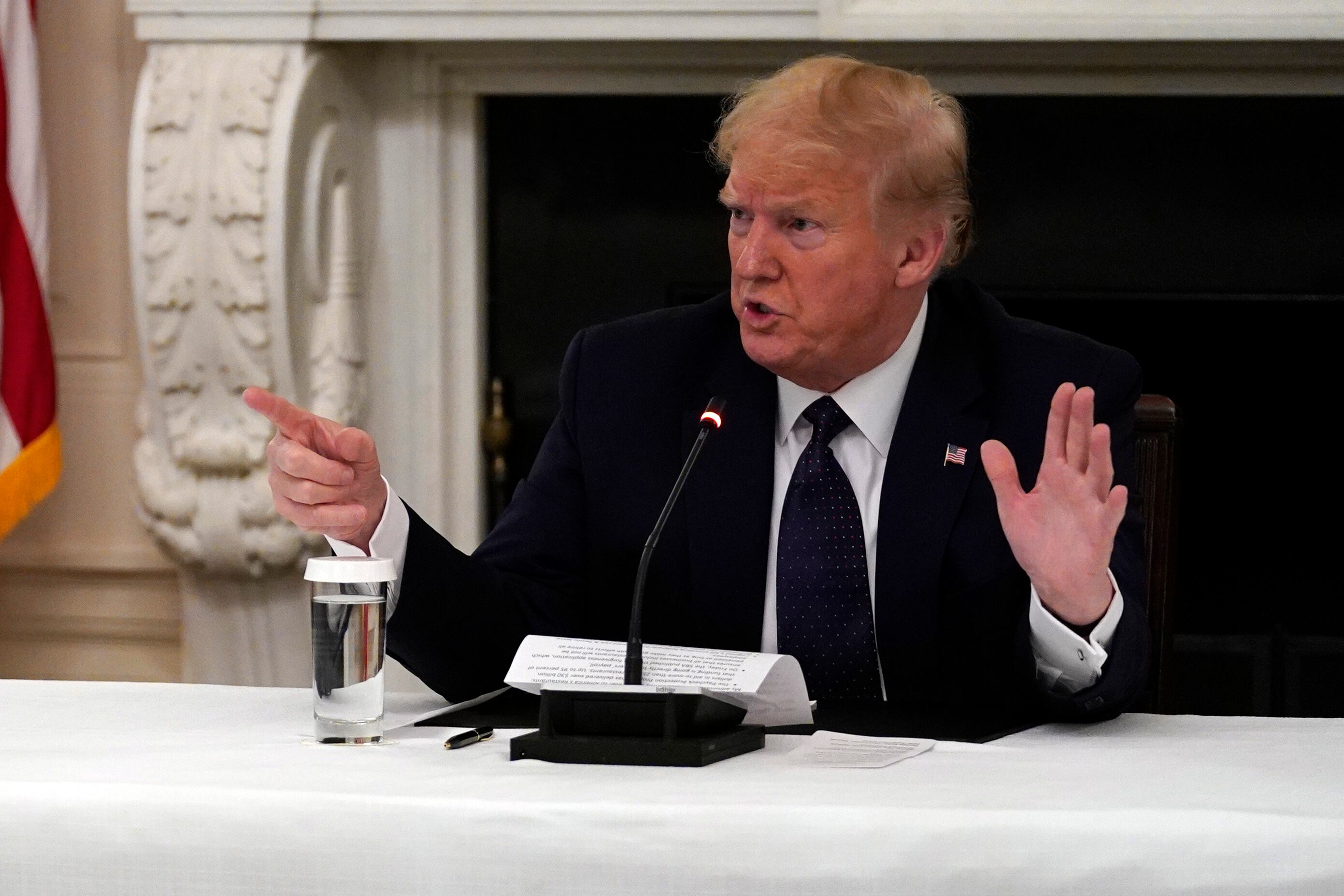
President Donald Trump said Monday that he is taking a malaria drug to lessen symptoms should he get the new coronavirus, even though the drug is unproven for fighting COVID-19.
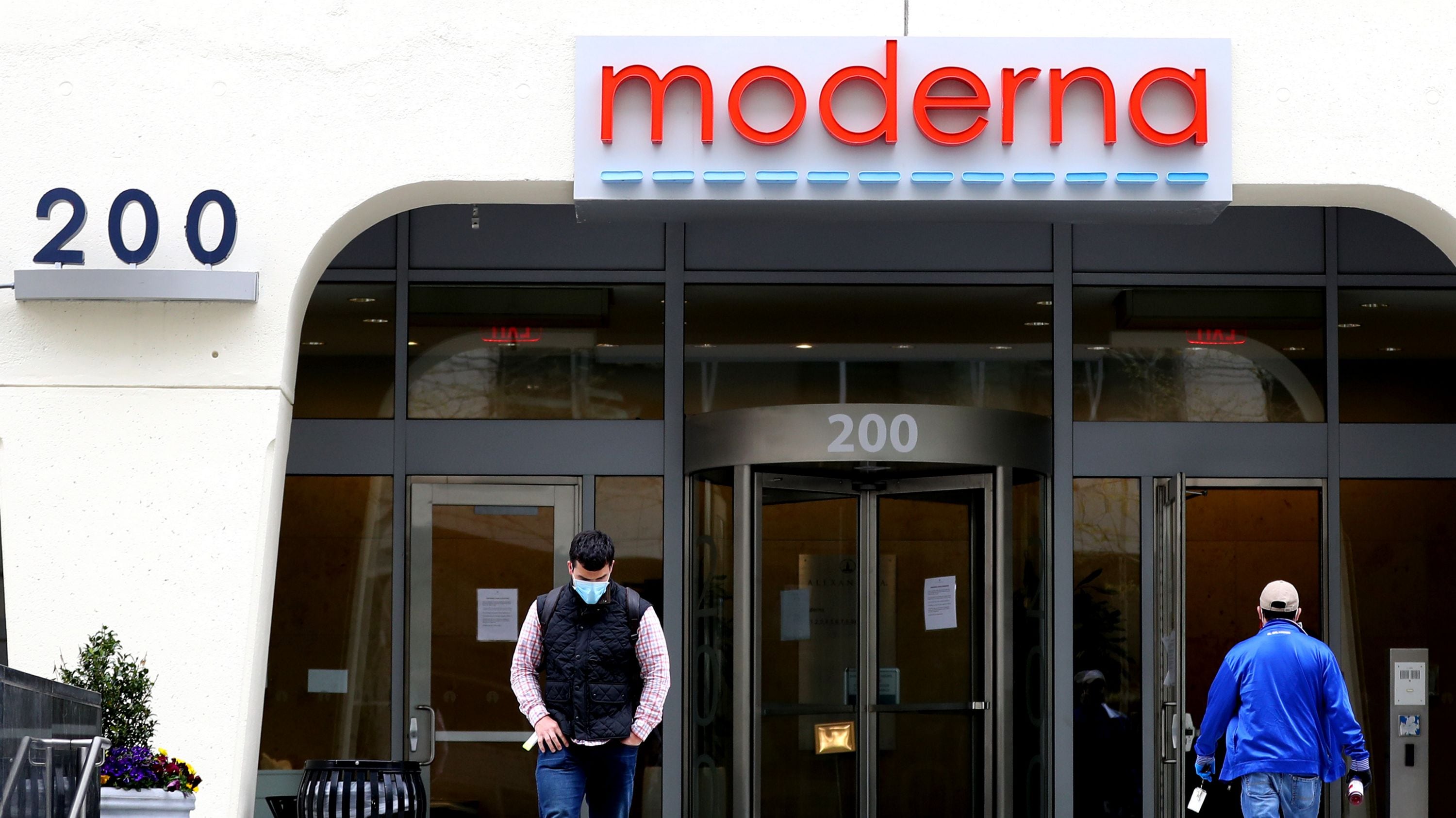
Cambridge-based Moderna Inc. said Monday that its vaccine triggered immune responses in eight healthy, middle-aged volunteers.