Marrying your cousin has long been considered taboo, but new research says that procreating with your cousins may not be as risky as previously thought. Popular Science's Eleanor Cummins breaks down the findings.
Eleanor Cummins, Editorial Assistant at Popular Science, breaks down the findings. Columbia University data scientist Yaniv Erlich studied a family tree of 13 million people to see how marrying various relatives impacts the risk of genetic birth defects. He found that one set of first cousins having children doesn't necessarily pose a high risk of having children with birth defects, but if the trend continues beyond one generation, then the risk increases exponentially.
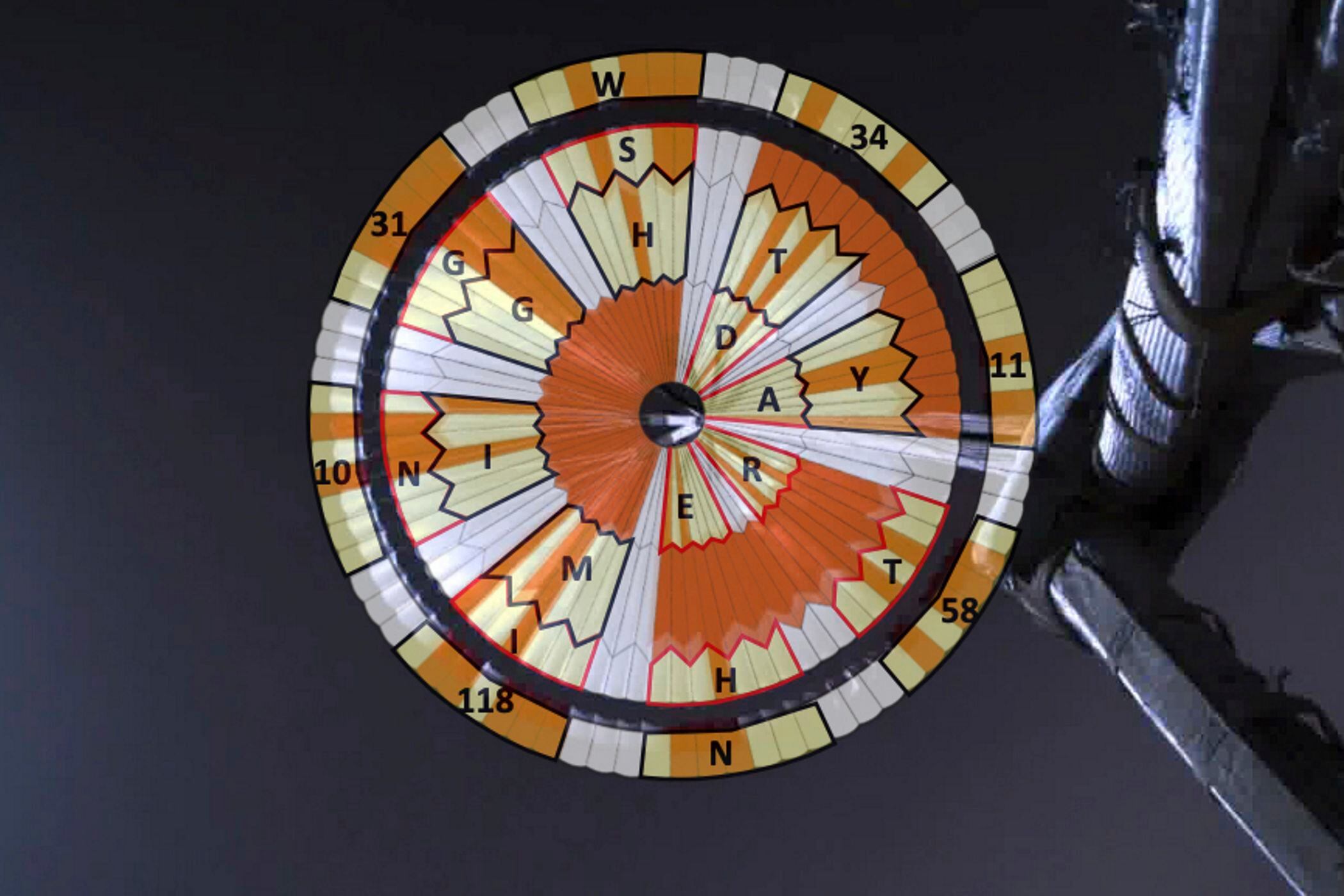
The huge parachute used by NASA's Perseverance rover to land on Mars contained a secret message.
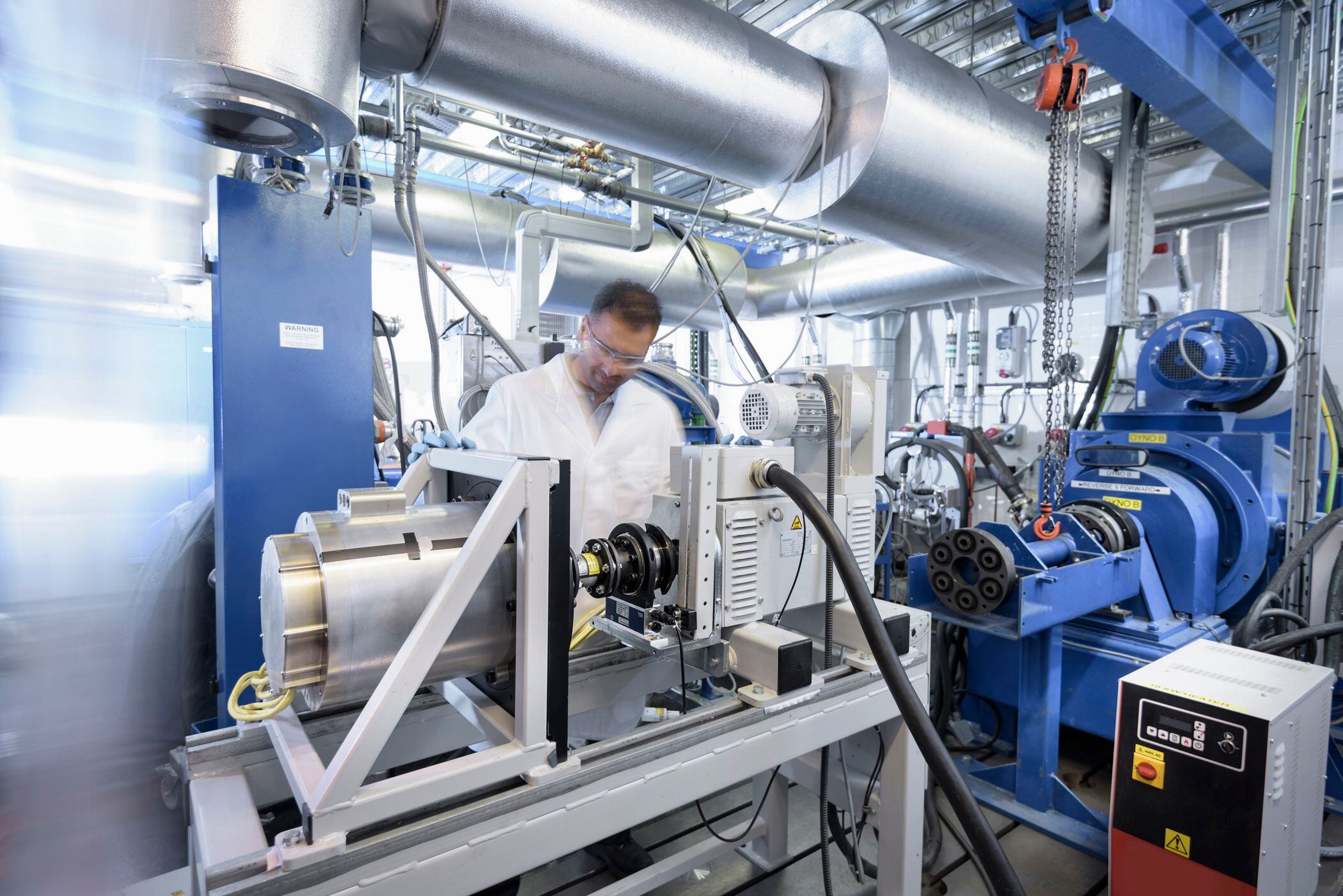
KoBold Metals announced a partnership with Stanford University to improve mineral mining efficiency while also receiving investments from major players in the climate space such as Breakthrough Energy Ventures overseen by Bill Gates and Jeff Bezos.
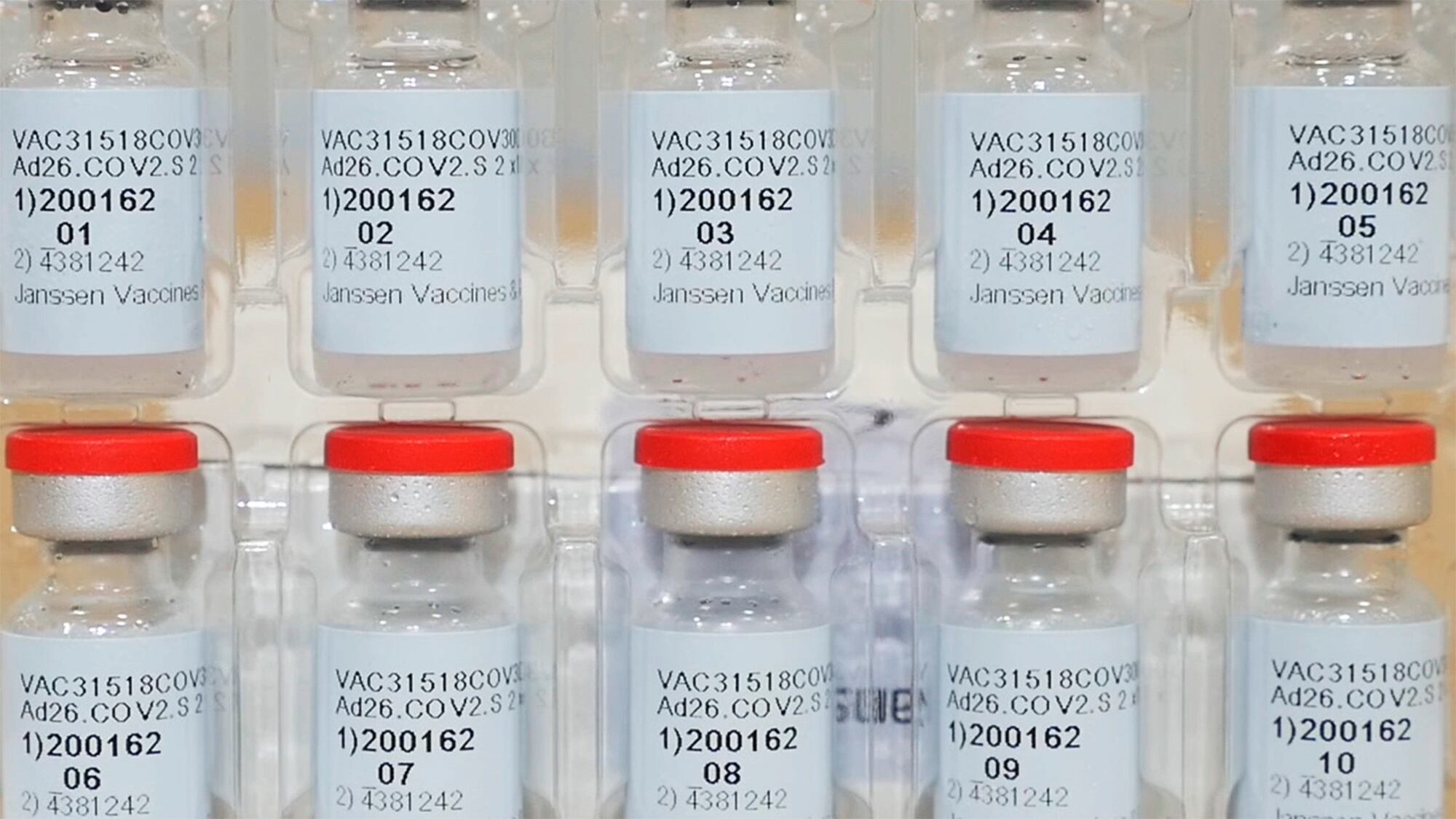
An analysis by U.S. regulators says Johnson & Johnson's single-dose vaccine protects against COVID-19.
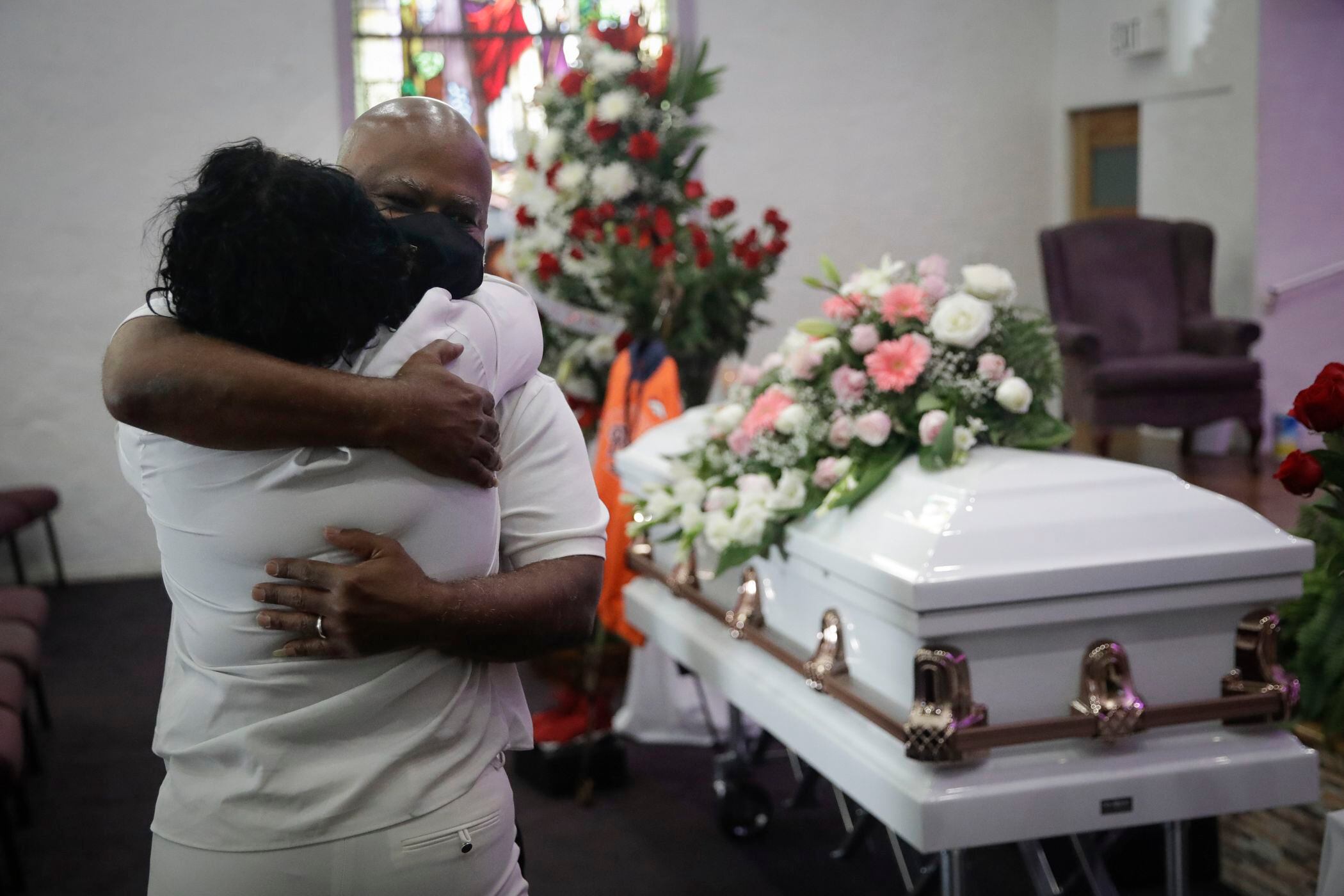
The COVID-19 death toll in the U.S. has topped 500,000, all but matching the number of Americans killed in World War II, Korea, and Vietnam combined.
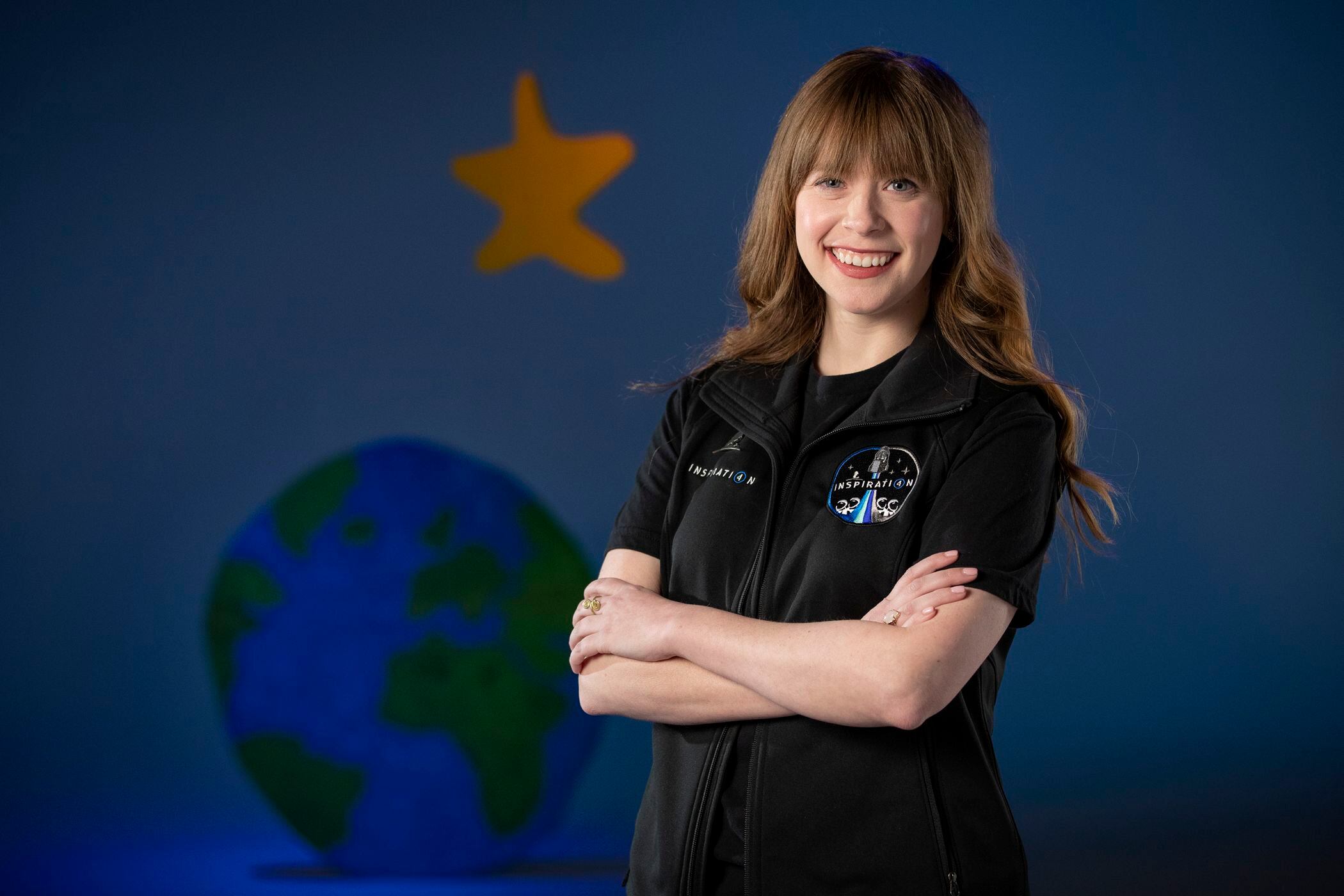
A bone cancer survivor who's now a physician assistant will join a billionaire on SpaceX's first private spaceflight this fall.
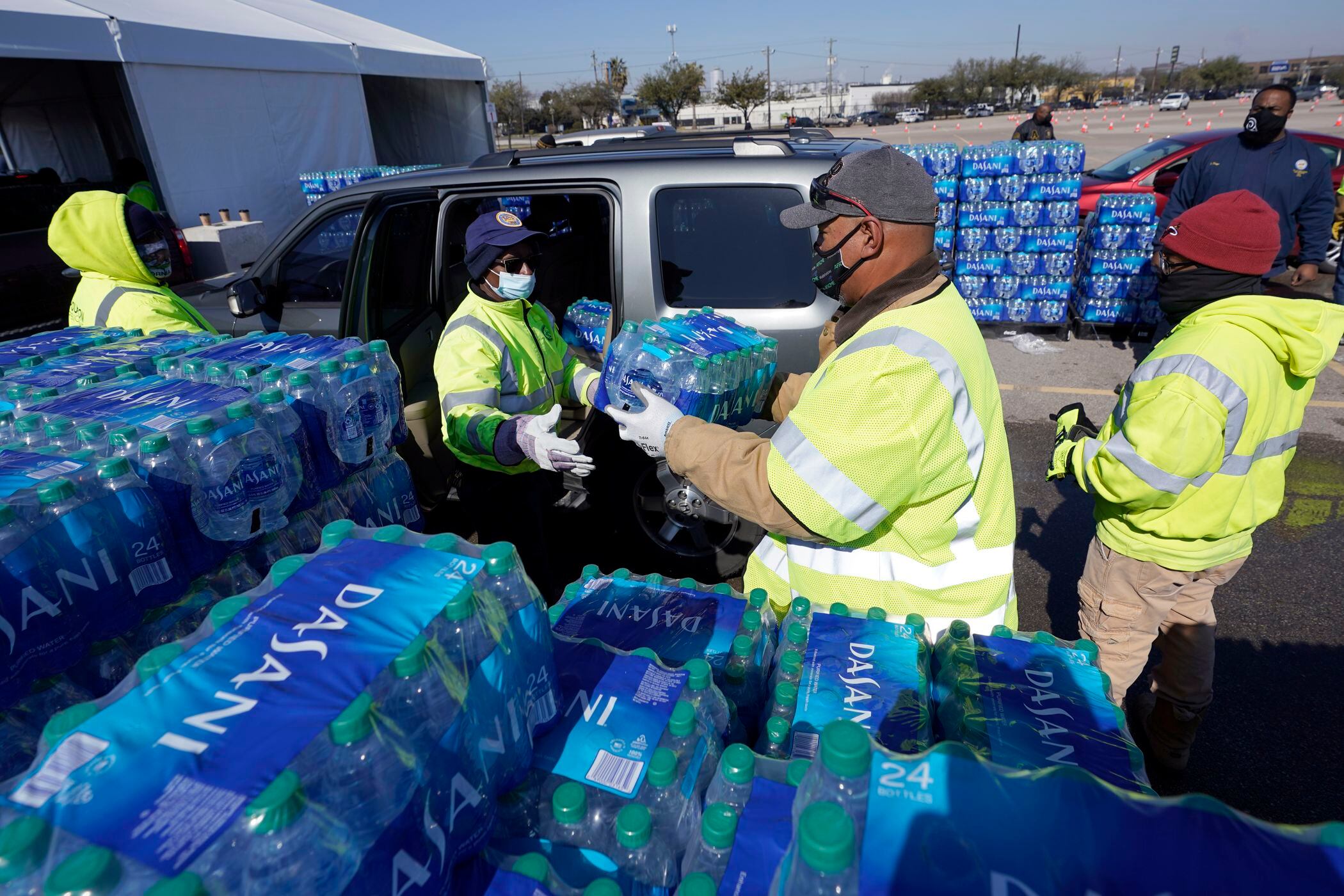
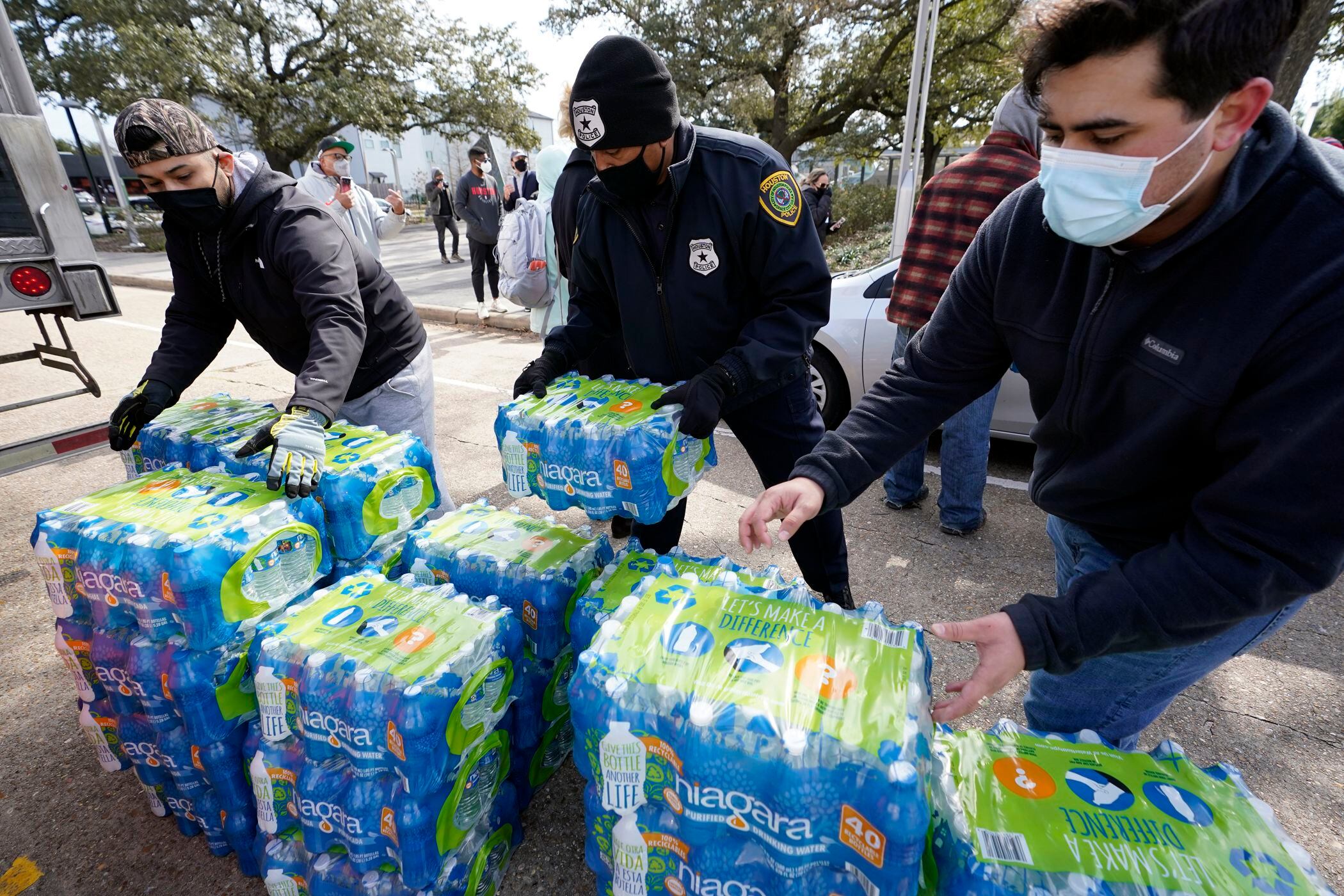
Southern U.S. cities slammed by winter storms that left millions without power for days have traded one crisis for another.
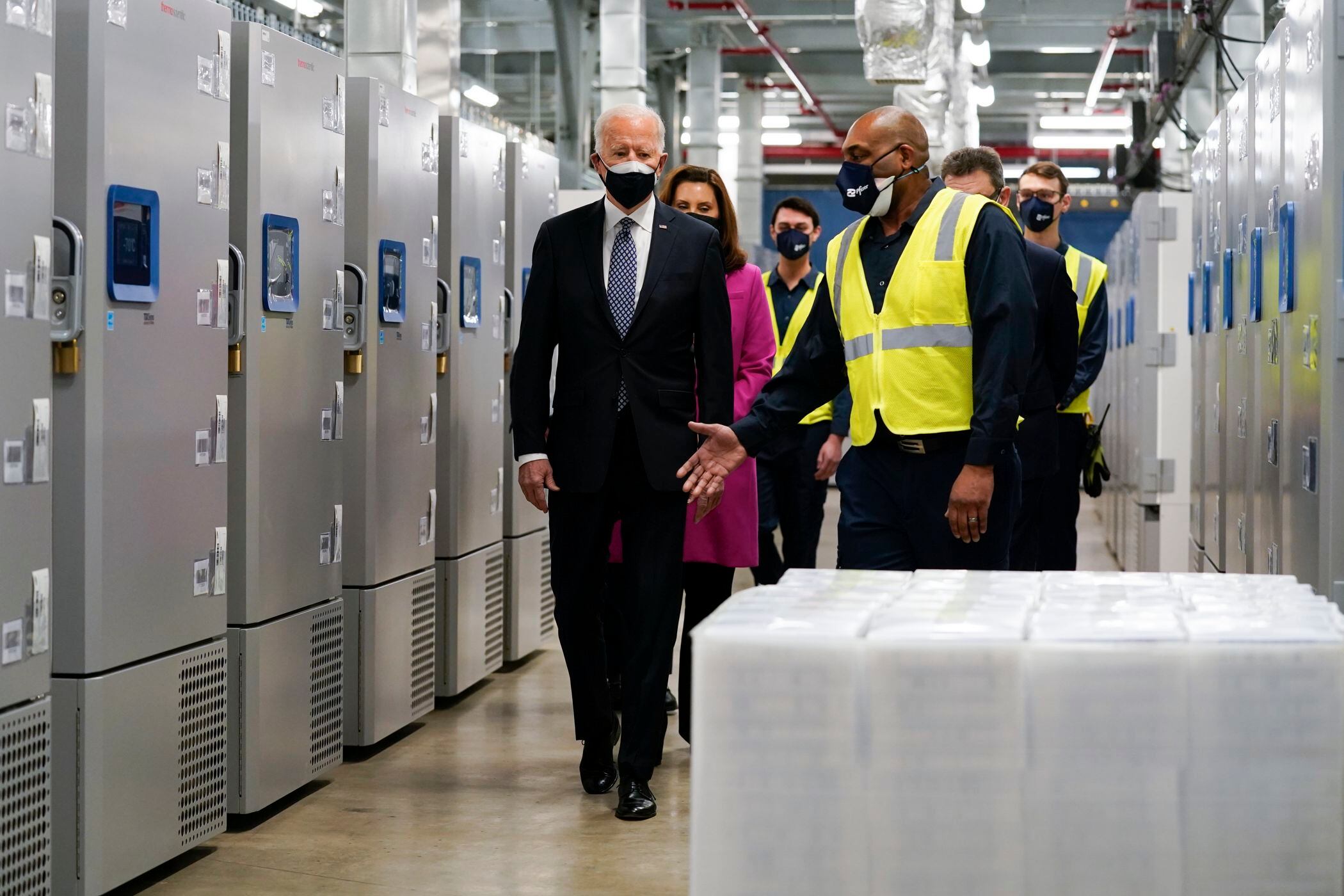
President Joe Biden toured a state-of-the-art coronavirus vaccine plant Friday as extreme winter weather across broad swaths of the U.S. handed his vaccination campaign its first major setback.
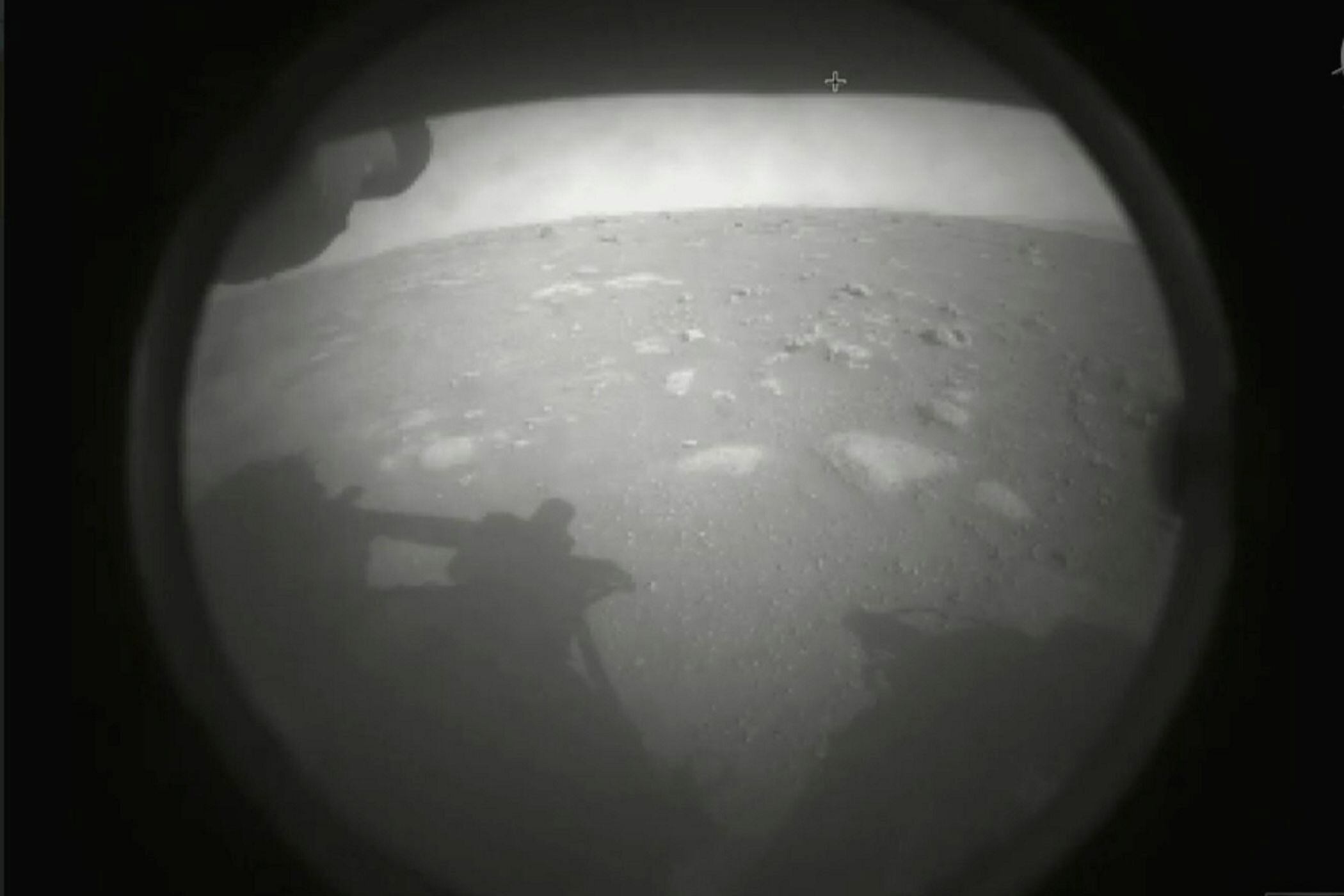
A NASA rover has landed on Mars in an epic quest to bring back rocks that could answer whether life ever existed on the red planet.
Power was restored to more homes and businesses in Texas after a deadly blast of winter this week overwhelmed the electrical grid and left millions shivering in the cold.
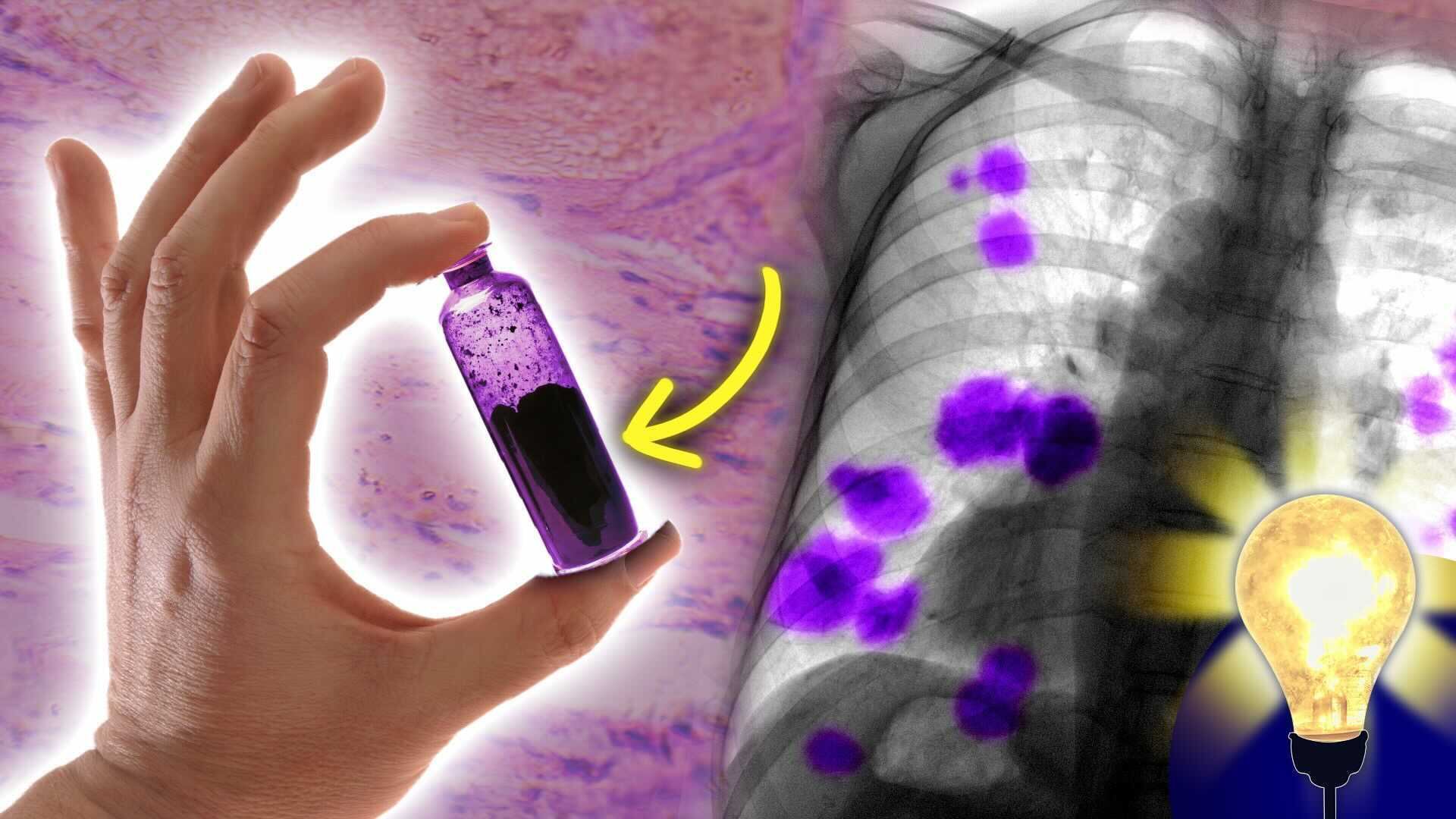
In 1856, a chemistry student named William Henry Perkin accidentally created a strange substance with a rich purple hue. That accident turned out to be the world’s first synthetic dye.