Marrying your cousin has long been considered taboo, but new research says that procreating with your cousins may not be as risky as previously thought. Popular Science's Eleanor Cummins breaks down the findings.
Eleanor Cummins, Editorial Assistant at Popular Science, breaks down the findings. Columbia University data scientist Yaniv Erlich studied a family tree of 13 million people to see how marrying various relatives impacts the risk of genetic birth defects. He found that one set of first cousins having children doesn't necessarily pose a high risk of having children with birth defects, but if the trend continues beyond one generation, then the risk increases exponentially.
The Food and Drug Administration is meeting on Thursday to plan a long-term strategy for Covid-19.
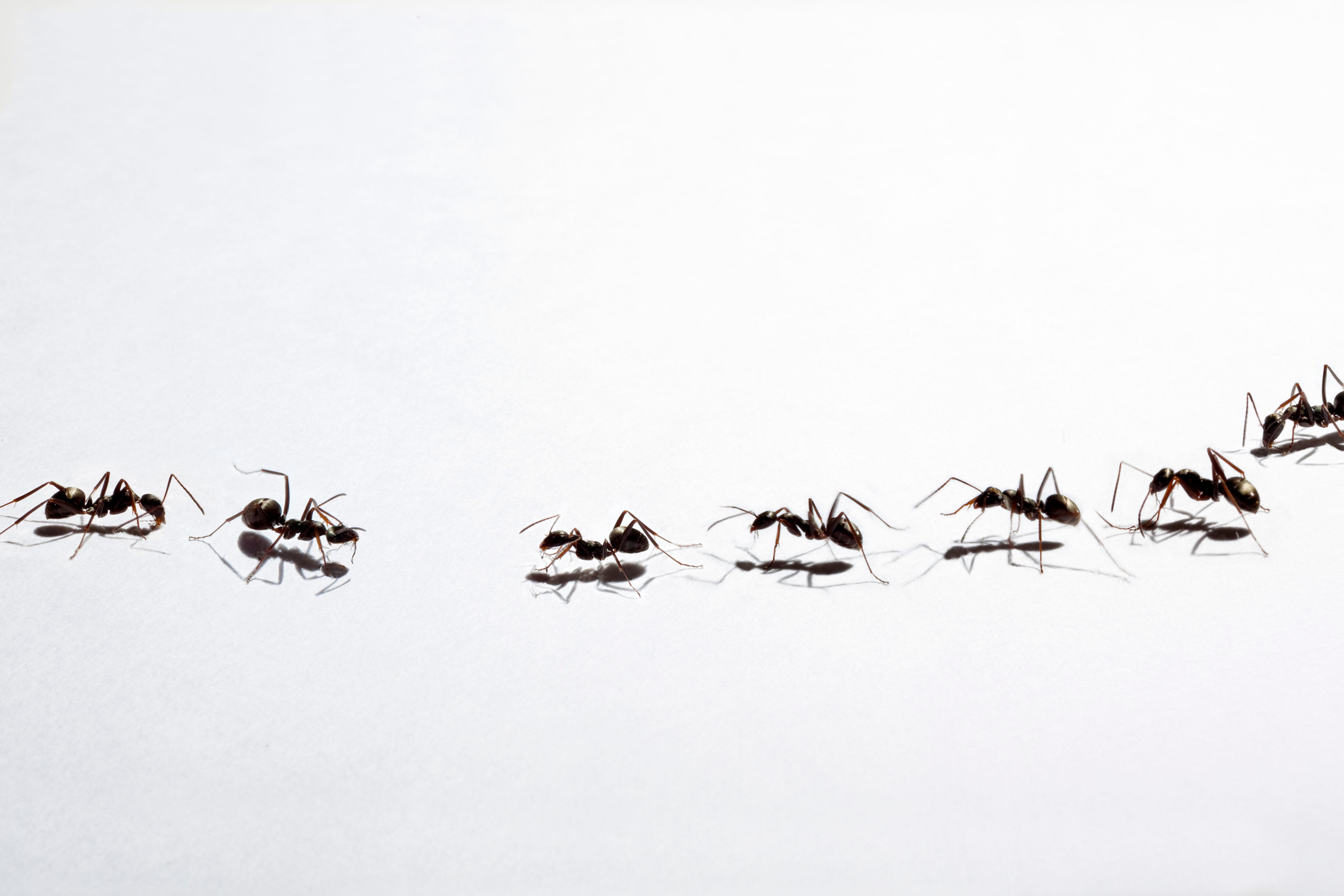
A study shows ants could be key to detecting human cancer.
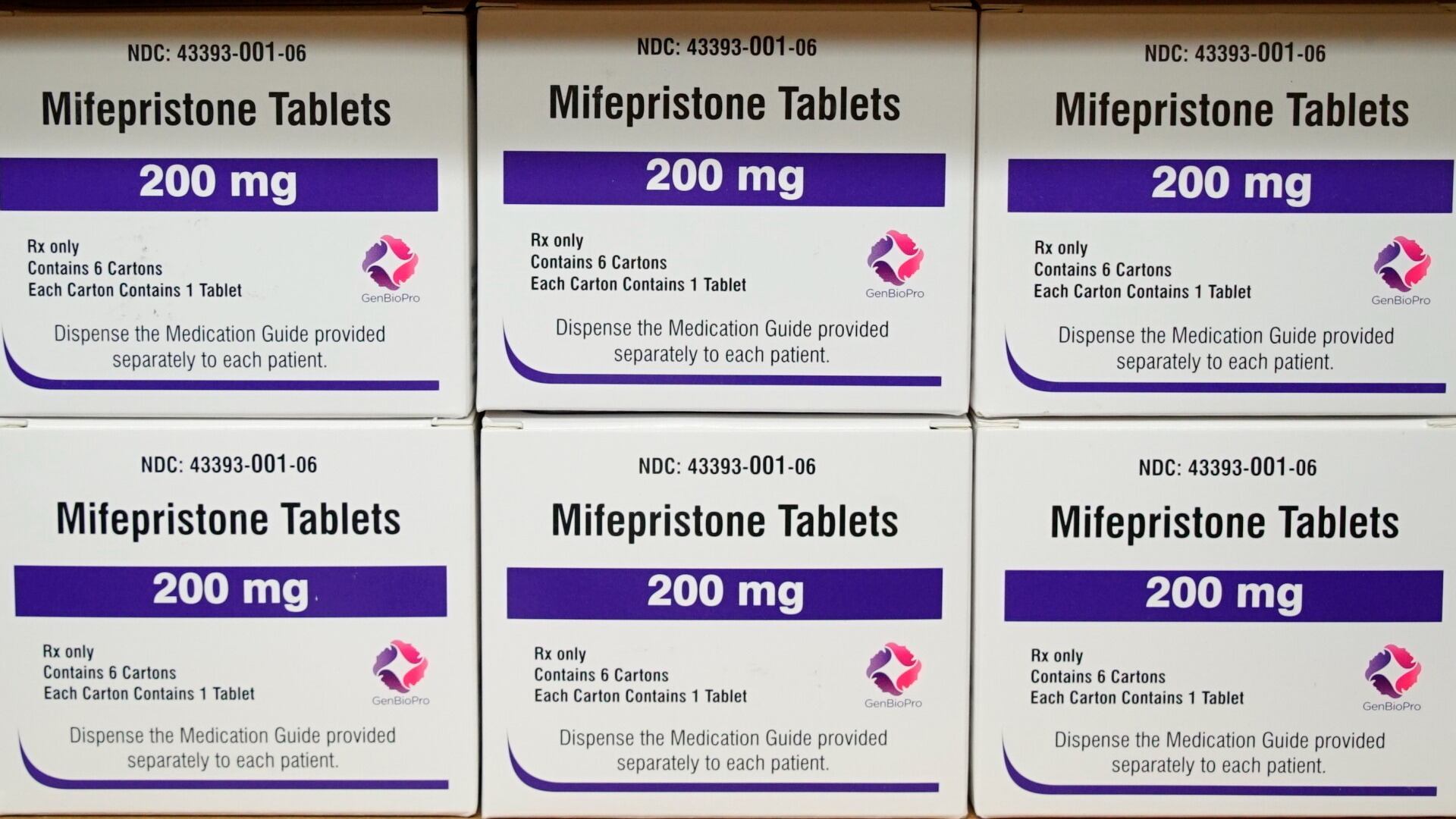
GenBioPro, an abortion pill maker, is suing West Virginia over its abortion ban.
A surge in COVID-19 infections overseas in places like China has prompted the U.S. Centers for Disease and Control to consider testing airplane wastewater for the virus.
A new study shows that ants may be able to detect human cancer with their highly-developed sense of smell.
Rocket Lab launched its Electron rocket for its first liftoff from U.S. soil.
New guidance, proposed by the Food and Drug Administration (FDA), seeks to limit levels of the dangerous heavy metal lead in food for babies and toddlers.
Pope Francis, in an interview with the Associated Press, said being gay is not a crime but called it "a sin."
The Centers for Disease Control and Prevention is shaking up its internal structure, due in part to the criticism over its pandemic response.
The Food and Drug Administration released draft guidance that limits the amount of lead allowed in baby food.