Marrying your cousin has long been considered taboo, but new research says that procreating with your cousins may not be as risky as previously thought. Popular Science's Eleanor Cummins breaks down the findings.
Eleanor Cummins, Editorial Assistant at Popular Science, breaks down the findings. Columbia University data scientist Yaniv Erlich studied a family tree of 13 million people to see how marrying various relatives impacts the risk of genetic birth defects. He found that one set of first cousins having children doesn't necessarily pose a high risk of having children with birth defects, but if the trend continues beyond one generation, then the risk increases exponentially.
Once COVID-19 hit, the demand for mental health services skyrocketed, and with in-person care suspended, many turned to digital services — which led to a disturbing breach of data privacy.
Quaoar, a dwarf planet with a ring, has some astronomers scratching their heads over its much wider than expected ring system.
More details are emerging out of East Palestine, Ohio with officials discovering three additional chemicals following the Norfolk Southern train derailment and controlled burn of hazardous materials.
An Obama-era change to school lunches could be linked to a drop in childhood obesity rates, a new study suggests.
Teen girls are experiencing record levels of sadness, according to a report from the CDC.
A study by the Pew Research Center found that three in 10 Americans are single and nearly half of them are turning to dating apps to find companionship.
Seonghoon Woo, CEO of Amogy, joined Cheddar News to discuss its ammonia-powered, zero-emission semi-truck in an effort to de-carbonize transportation.
NASA is launching a scientific mission to Mars using Blue Origin's New Glenn rocket.
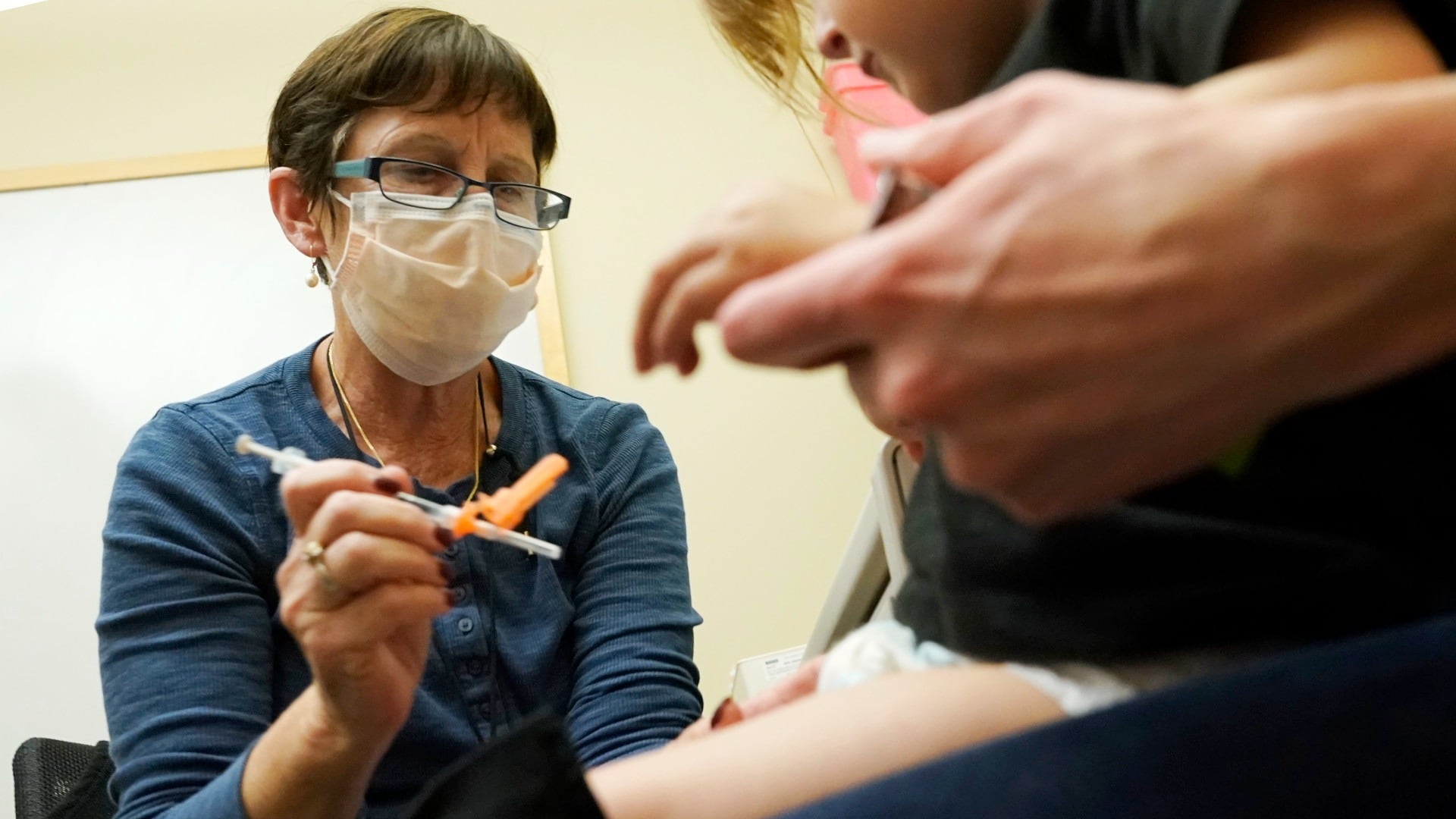
The CDC is recommending Covid vaccines be included in routine shots for adults and children.
A Texas judge extended a legal deadline in a case that could strip millions of women of access to abortion pills.