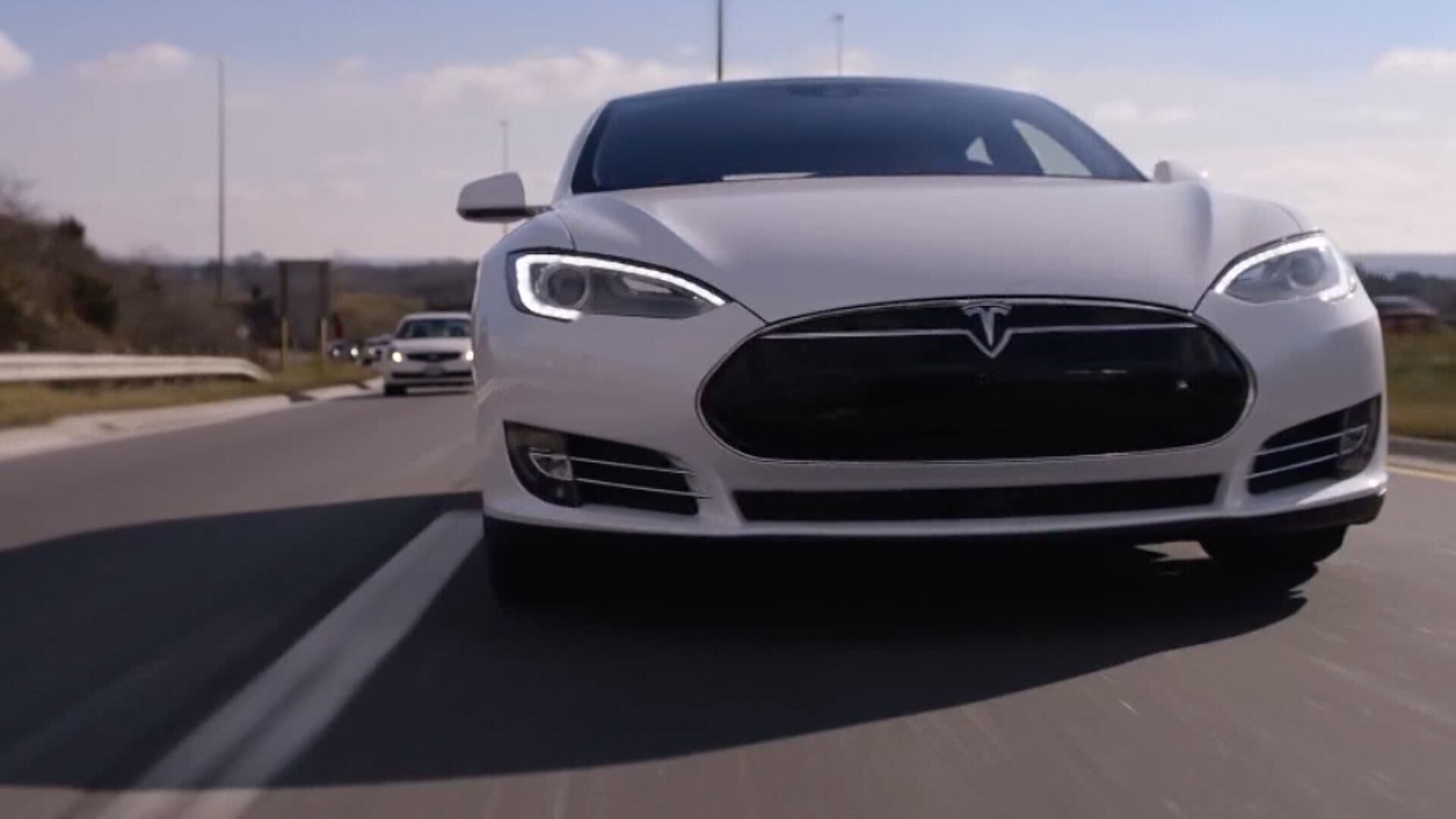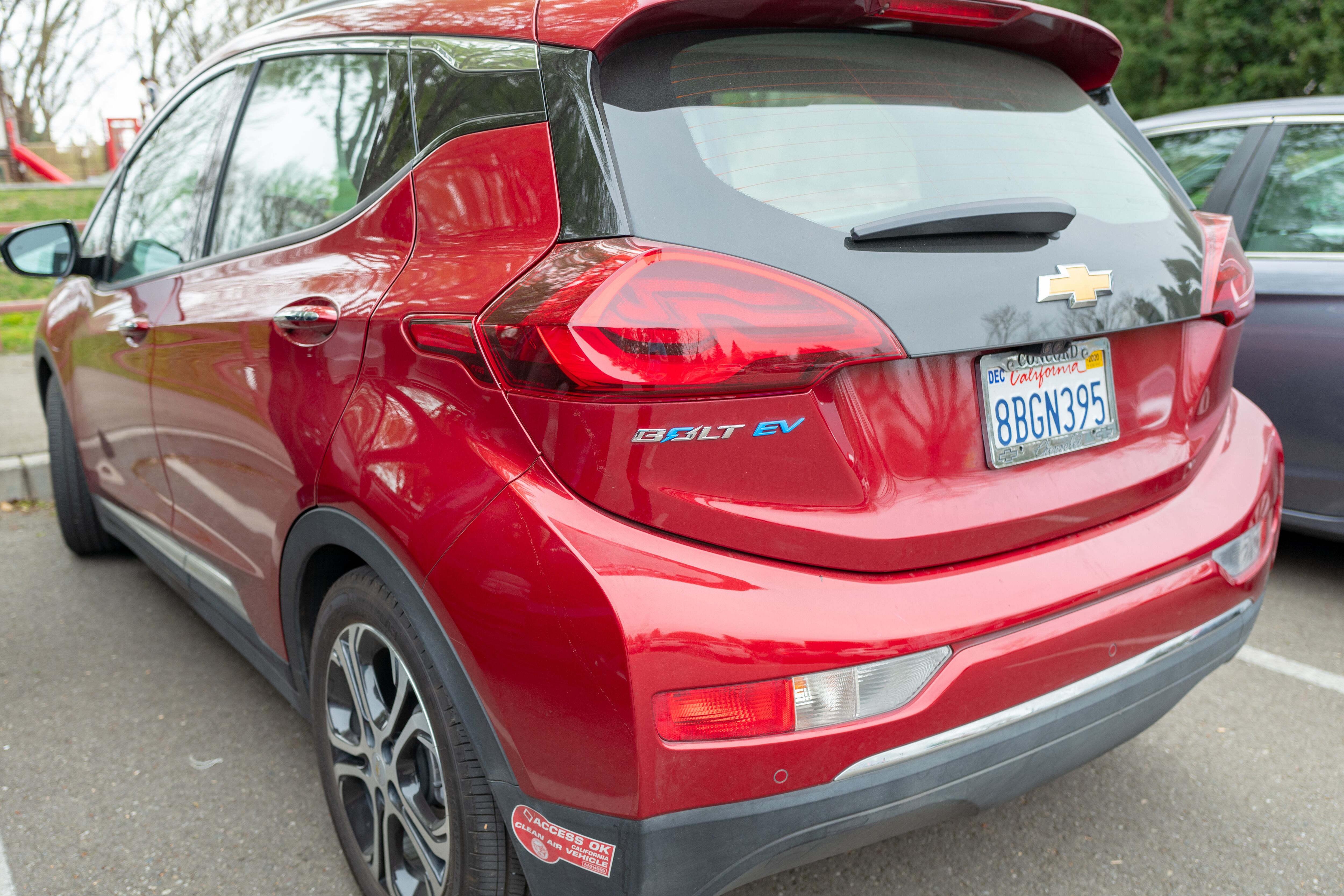
Cratering stock markets and crashing oil prices will likely slow automakers' ambitious rollouts of new electric vehicles.
General Motors, Ford Motor Company, and Volkswagen, which have each unveiled multibillion-dollar "all-in" investments on electric vehicles and infrastructure through the next few years, have seen their stock prices plummet by more than a third since last week and close to 40 percent since the start of the year.
The automakers and parts suppliers had already been reeling from the spread of coronavirus in China, the largest single market for cars and trucks, accounting for about 30 percent of global auto sales. Between the quarantines and travel and tourism restrictions instituted to slow new cases of COVID-19, as well as the timing of the Chinese New Year, which cut into the number of workdays in China in January, global sales last month dropped by about a fifth due to the slowdown.
"This is going to be a huge hit just from what has happened in China to the global auto industry," said Mike Smitka, professor emeritus of economics at Washington and Lee University specializing in the automotive industry.
Markets, though, also now are being hammered by two factors: Spread of the pandemic and the price of oil. Rates of coronavirus are soaring worldwide, especially in the U.S. and Europe, forcing travel lockdowns that have sapped demand. Meanwhile, the outbreak this weekend of an oil price war between Saudi Arabia and Russia caused crude prices to collapse amid a glut of supply, stunning oil producers and sparking layoffs that could reach into the tens of thousands.
Vehicle sales in February and March are expected to have plummeted by as much as 85 percent with revenues for automakers on track to plunge anywhere from 25-40 percent.
However, automakers are generally in a healthier financial state than they were at the start of the housing crisis in 2008-2009, industry experts and analysts say. The Big Three in Detroit, for example, are not saddled with the same level of debt or the pension and healthcare burdens that forced GM and, what was then known as, Chrysler into bankruptcy and Ford to the brink of collapse. Even so, the impacts of the current crisis, which are only anticipated to mount, will be considerable.
"This will be the equivalent of knocking a quarter off top-line revenue and knocking two quarters off of profits," Smitka said. "This is really going to knock the industry in Europe and North America"
Tumbling oil prices are translating to lower prices at the pump, with the U.S. average gasoline price on track to drop below $2 a gallon for the first time since March 2016, according to GasBuddy.com. Traditionally lower gas prices translate to less consumer interest in more fuel-efficient vehicles.
"Oil prices are down 50 percent and that has an impact on the prices on the pumps – that will change the equation for the total cost of ownership," said Akshay Singh, principal in industrial and automotive for Strategy&, a consulting firm within PwC.
The rollout of EVs, though, may buck that trend, especially when compared to more traditional fuel-efficient vehicles or even hybrids. While never having to fuel-up on costlier fossil fuels is a key selling point of EVs, the savings from skipping the gas pumps hasn't truly been a driving force in EV adoption so far – which dropped 9 percent last year, after a banner year of EV sales in 2018.
"People who want EVs recognize that EVs are better than gasoline engines — it's never been the case that people said, 'I'm going to pay $30,000 for an EV to save $47 a month in gasoline,'" said Jigar Shah, president and co-founder of Generate Capital, a clean-energy financing company. "At dinner parties, you might say, 'It only costs me $1.44 to fill up my electric vehicle,' and that's great, but you ultimately buy an EV because you want an EV."
Regulations in China and Europe are widely seen as the main driver for automakers' major EV investments. Carmakers in Europe, for example, face enormous, multibillion-Euro fines for failing to meet mounting emissions standards – threatening to eventually bankrupt even legacy automakers like BMW and Volkswagen if they fail to comply. China meanwhile offers lucrative subsidies for electric vehicles.
The measures are pushing the U.S. market ahead, which is also being spurred by similar if less stringent emission regulations instituted by California and followed by more than a dozen other states.
"The EV pressure is coming from the regulatory side," Smitka said. "It's certainly not coming from the market side."
Cheap gas prices, though, do tend to make drivers more inclined to buy larger vehicles like SUVs and trucks – which have far higher profit margins, particularly compared to EVs and their costly battery packs.
"Clearly low prices of oil drive people to bigger cars," said Brett Smith, director of technology at the Center for Automotive Research.
Automakers like General Motors, Ford, and Volkswagen, as a result, may slow the rollout of their EVs to cash in on selling as many pickups and SUVs as possible. Slumping oil prices, in other words, may allow automakers to cushion the blow of markets' wider fallout.
"They'll slow-play it: It'll just happen to be that an EV rollout takes 12 months longer than expected," Shah said. "This is going to be great for GM and Ford: They're going to be like, 'Oh, the EVs are six months away, and we talked with our lab and we had an issue,' so they'll be able to sell a lot more F-150 trucks and SUVs."