Facebook parent company Meta is reportedly considering another round of layoffs after cutting 11,000 positions, or 13 percent of its global workforce, in November. Meta made those cuts in a bid to lower costs and increase efficiency as it struggles with financial headwinds along with the rest of the tech sector. The company's much-hyped pivot to the metaverse has yet to pay dividends, and traditional forms of revenue such as advertising spending have fallen due to widespread economic uncertainty. Employees have reported being demoralized by the situation.
TWITTER CHARGING FOR TOOL
Twitter is getting pushback for charging $100 a month for a tool that cash-strapped nonprofits and researchers have come to rely on. Known as the API, or Application Programming Interface, the tool allows organizations to scan the platform for calls for help. Some users are sharing their API keys with do-gooder organizations, but activists are urging Twitter to remove the fee.
AMAZON ROBOTAXI
Zoox, an Amazon-owned startup, is now testing autonomous robotaxis with passengers in California. The company started the tests after getting approval from the state's Department of Motor Vehicles last week. The robotaxis are completely autonomous and have no steering wheels or pedals. They also have bi-directional driving capabilities, meaning they can move forward or backwards with ease. Right now, the permits only apply to a one-mile stretch of road between the Zoox offices and Foster City, California and will only be shuttling employees.
REMOTE WORK COST $12B IN NYC
A Bloomberg News analysis of exclusive data from Stanford University economist Nicholas Bloom found that remote work is costing New York City more than $12 billion a year. Work-from-home reduced the number of days in the office by 30 percent, which meant fewer commutes and fewer workers spending time in the city during the day. The analysis showed that the average worker is spending $4,661 less annually on things like shopping and food.
Not only is April Financial Literacy Month, it’s also the kickoff of the spring homebuying season. So now is the time to make sure you have a financial plan in place – and why it might not be wise for that to include buying your first home.
While the U.S. may slowly be on the path to lowering inflation (and therefore interest rates), Europe has thoroughly trounced America, putting it on the path to lower rates by this summer.
April's release of the monthly Housing Starts and Building Permits reports by the Census Bureau provides crucial insights into the construction activity in the housing market. These reports are an economic indicator, shedding light on the current state of the housing market and its broader economic impact.
Caitlin Clark is heading to the Indiana Fever, the number one draft pick and the highest-scoring college basketball player of all time. And while she may not be getting millions from the WNBA, there's a few ways she'll net compensation for her generational talents.
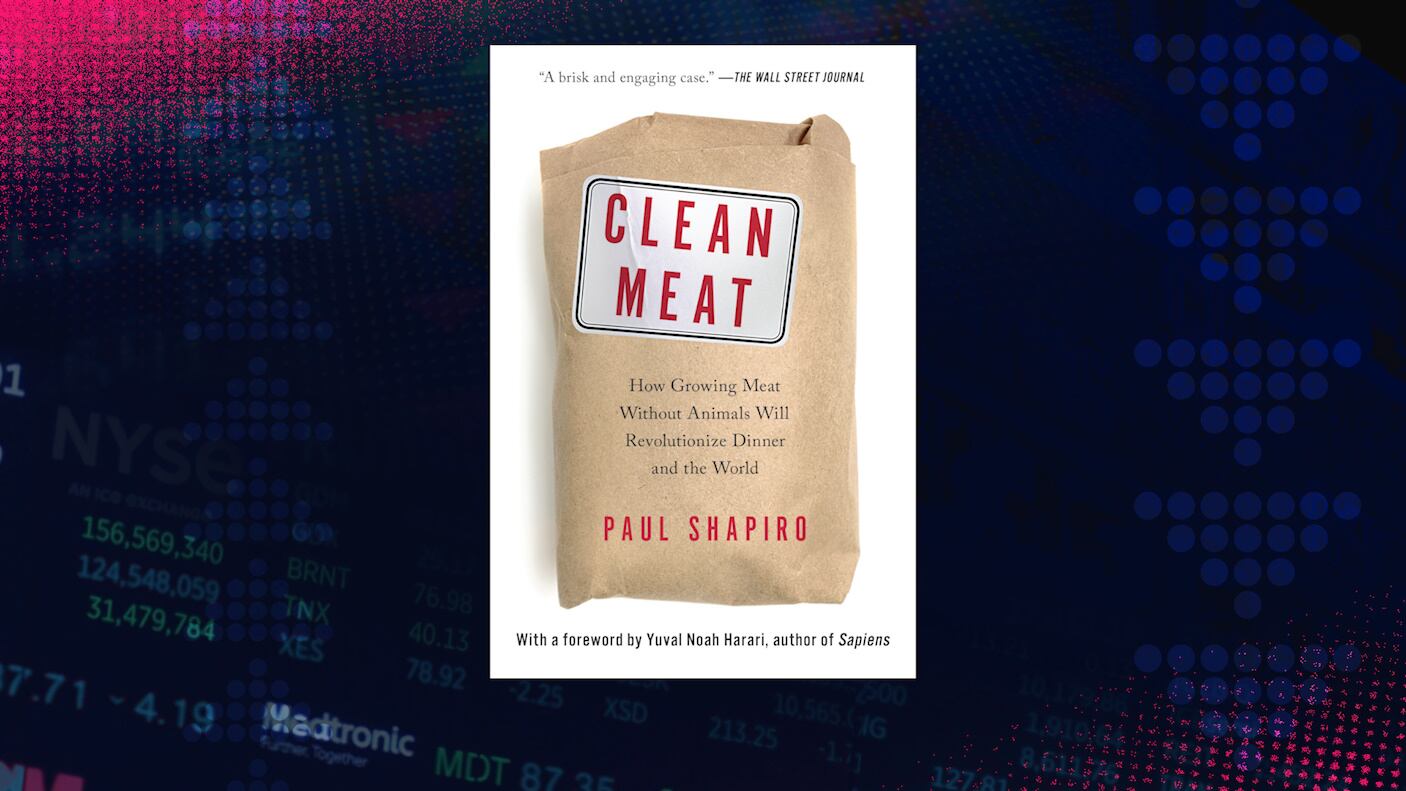
Author of 'Clean Meat,' Paul Shapiro joins Cheddar to discuss how the cellular agricultural revolution helps lower rates of foodborne illness and greatly improves environmental sustainability. Plus, how his company The Better Meat Co. is bringing healthier food options to the table.
Recent headlines might make it sound like World War III is imminent, but when it comes to your finances, it's not the time to panic. The market is coming off its longest winning streak since 2011.
You may have noticed fewer new venture capital-backed startups (like Airbnb or Uber) lately. The market slowed to a crawl after 2021, but things are expected to take off again in 2025.
Corporate earnings season is underway, that time when companies share their billions in sales or double-digit profits. But the data shows even companies are struggling with high inflation and interest rates.
Boeing continues their terrifying trend of having their planes fall apart mid-flight, inflation — checks notes — is still up and the future of AI looks terrifying. Cheery!
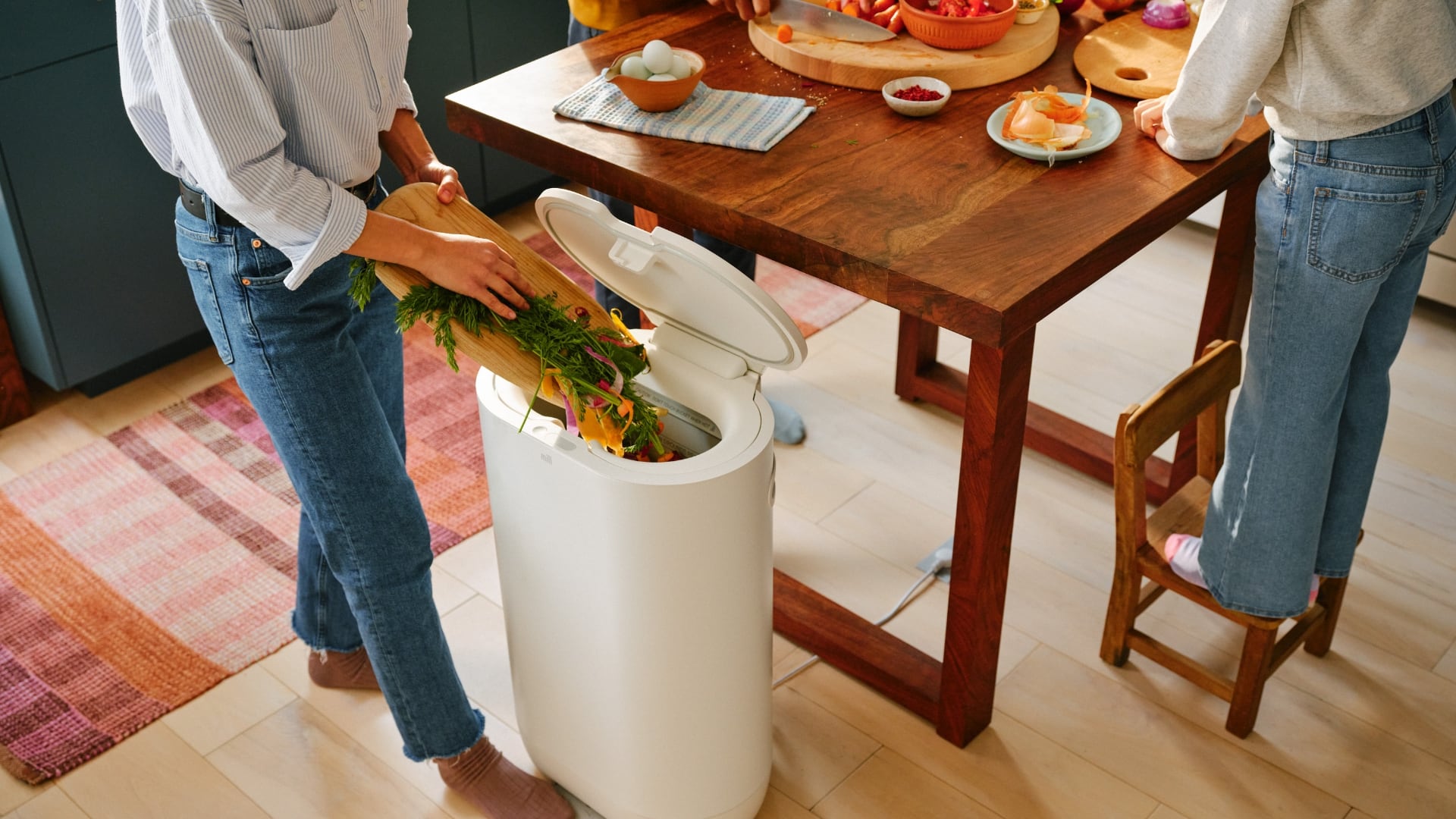
Food waste – uneaten scraps or leftovers sent to landfills – is responsible for 10% of global emissions. Mill, a new product from the co-founder of Nest, thinks technology can play a role in eliminating it.