March trading has started with a bang. The Dow closed down 400 points today after two big events. President Trump announced tariffs on steel and aluminum and the new Fed Chair, Jerome Powell, testified in front of the Senate Finance Committee.
Chad Leat is a former Citigroup and JPMorgan Chase executive. Leat joins Cheddar to break down the market movement and recent volatility.
When asked about President Trump's announcement about tariffs, Leat says good and fair trade traffics make for good politics, but willy-nilly tariffs are bad policy.
When it comes to the current state of the market, Leat says everyone has the same worry in their mind, inflation.
Leat says the highs the market saw in January were not sustainable. He explains the daily ups and downs of the market tend to freak people out, especially when they go down. But Leat encourages investors to try to look at the overall market and understand the full market. Leat says it is still a good time to be in the market, longterm.
You don’t have to be an Olympic-level athlete to wear On’s shoes or apparel, but the company will use the 2024 games to continue growing its footprint.
Companies are making money, the economy is cooling down, and a rate cut or two possible by the fall? It might be time to break out the cautious optimism.
Fed Chair Jerome Powell reported that rates would likely remain elevated due to sticky inflation. Zillow breaks down how this could impact the housing market.
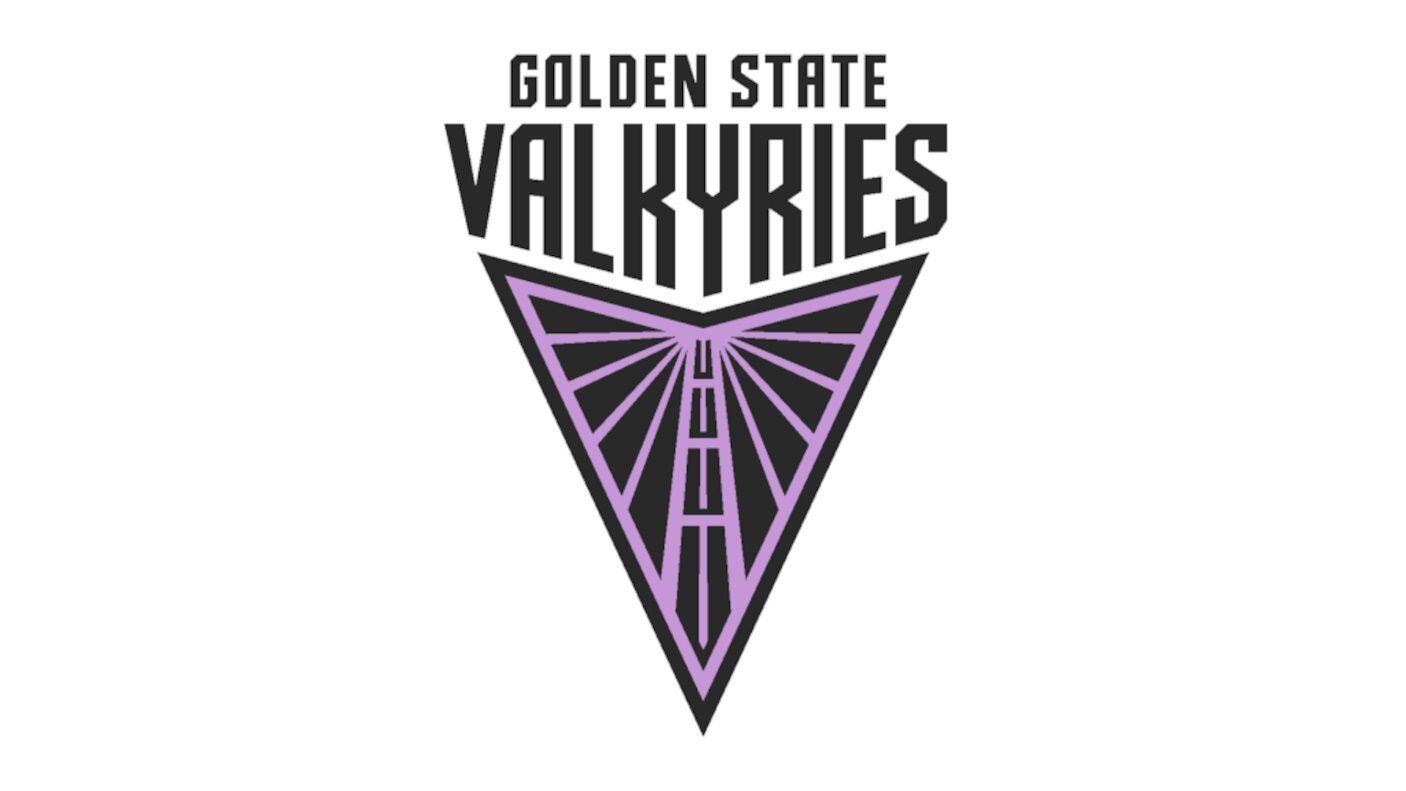
Amanda Chin, SVP of Marketing for the Golden State Warriors, stops by Cheddar to debut Valkyries name and logo and talks why women sports is good for business.
The return of ‘meme stocks’ don’t mean it’s time to panic about the stock market. If you want something to worry about… look no further than inflation.