Marc Benioff, Salesforce Founder, Buys Time Magazine
*By Conor White*
Just eight months after finding a new home, Time magazine is moving again. Salesforce founder and Co-CEO Marc Benioff and his wife Lynne are purchasing the magazine from Meredith Corp. for $190 million.
The deal should be welcome for employees of the venerated title, according to Chandra Steele, senior features writer at PC Mag.
"Media in general is tenuous, but if you really don't know what's going to happen in the future, this is a nice cash infusion," she explained in an interview on Cheddar. "It's somebody who has experience with data and analytics and I think that's what Time needs right now."
Meredith, which owned Better Holmes and Gardens and Family Circle before buying Time Inc. earlier this year, said in May it planned to divest iconic titles like Time, Sports Illustrated, and Fortune. In Sunday's announcement, Time said the Benioffs will not be involved in the day-to-day operations of Time and will have no editorial impact. They made the purchase in an individual capacity, not as part of Salesforce.
This wouldn't be the first time a giant in the tech world got in on the media business. The Washington Post is now owned by Amazon CEO Jeff Bezos, and The Los Angeles Times was recently purchased by Dr. Patrick Soon-Shiong, one of the richest men in LA. In an interview Monday on Cheddar, Steele said purchases like these can only be seen as positive for legacy media organizations, which have struggled in the digital age.
"We have to realize that print is something that's beneficial to everyone," Steele noted. "It's great to have digital, but I think that these billionaires are realizing that there's benefit to that."
Steele said that Benioff is unlikely to shut off the printing presses or make the dreaded "pivot to video."
"The thing with Time is its cover is so iconic," she said. "A lot of times you'll see things go from print to just digital, I don't think that's an option for Time really."
For full interview [click here](https://cheddar.com/videos/time-magazine-gets-new-owner).
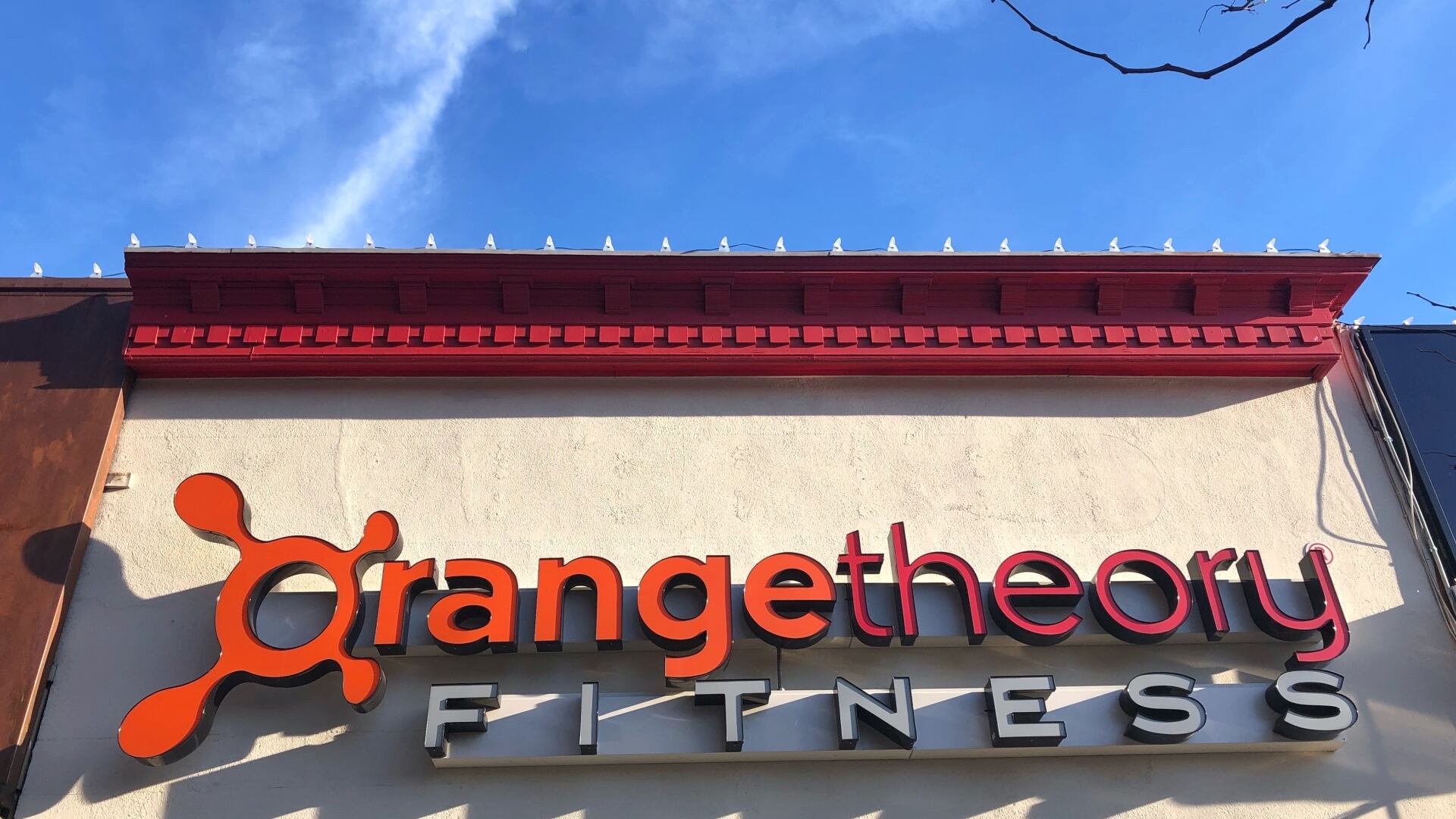
Dave Long, CEO and Co-Founder of Orangetheory Fitness joins Cheddar to chat trends in the industry for 2024. He updates us on the company's plans to expand and what the state of the economy has meant for business.
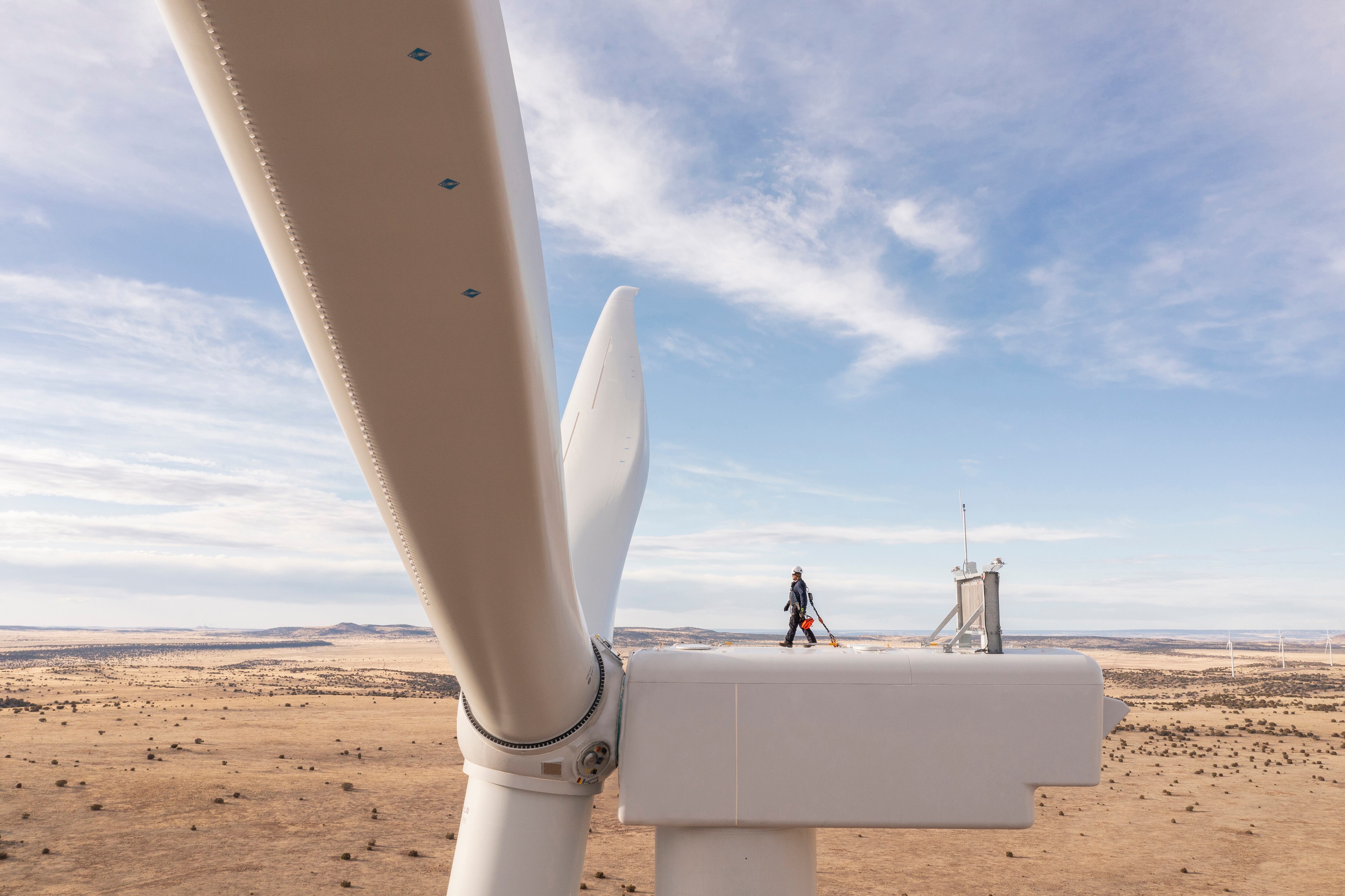
One of the world's largest renewable energy developers will be getting hundreds of wind turbines from General Electric spinoff GE Vernova as part of a record equipment order and long-term service deal.
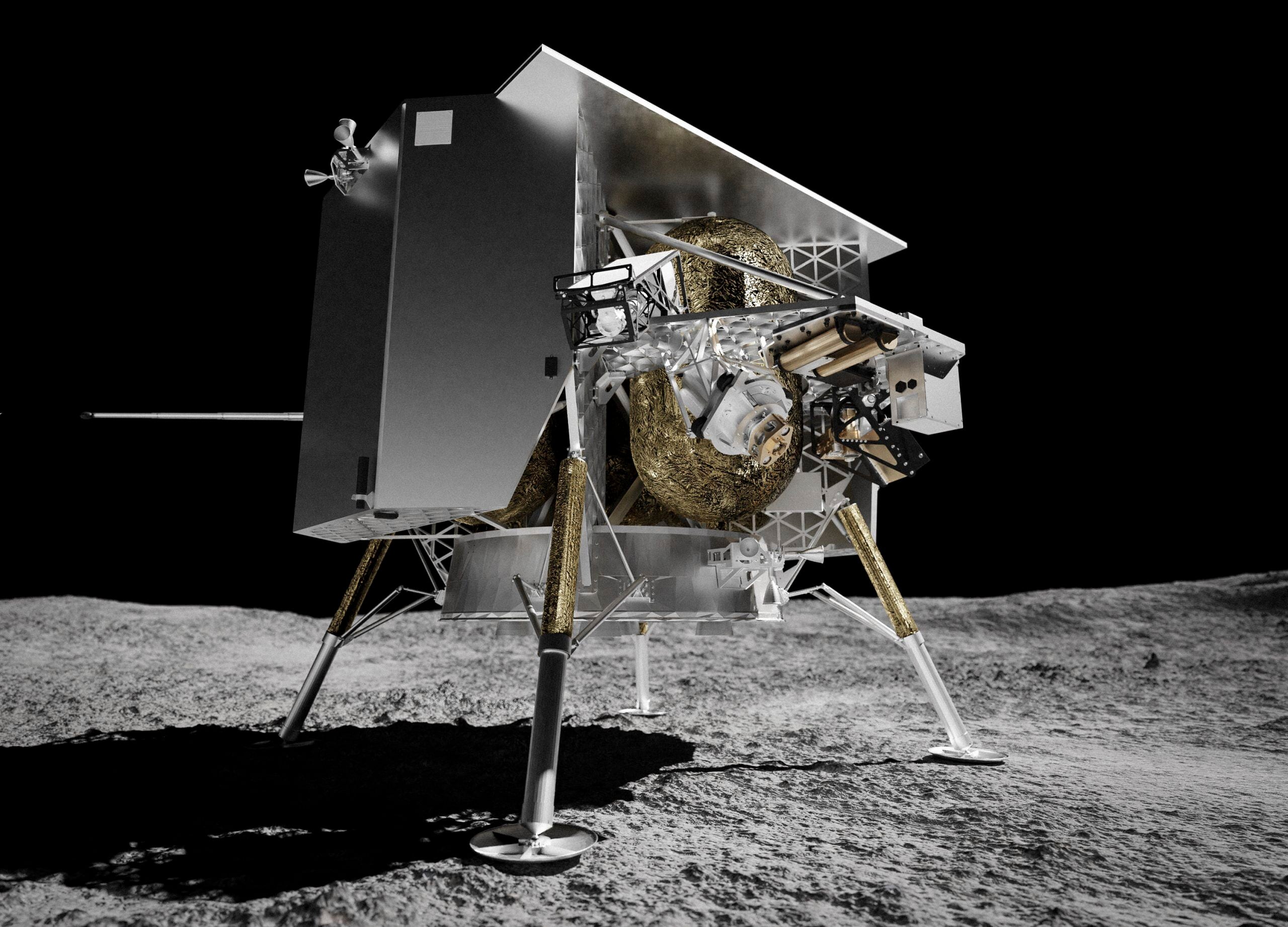
A moon landing attempt by a private US company appears doomed because of a fuel leak on the newly launched spacecraft. Astrobotic Technology managed to orient the lander toward the sun Monday so its solar panel could capture sunlight and charge its onboard battery.
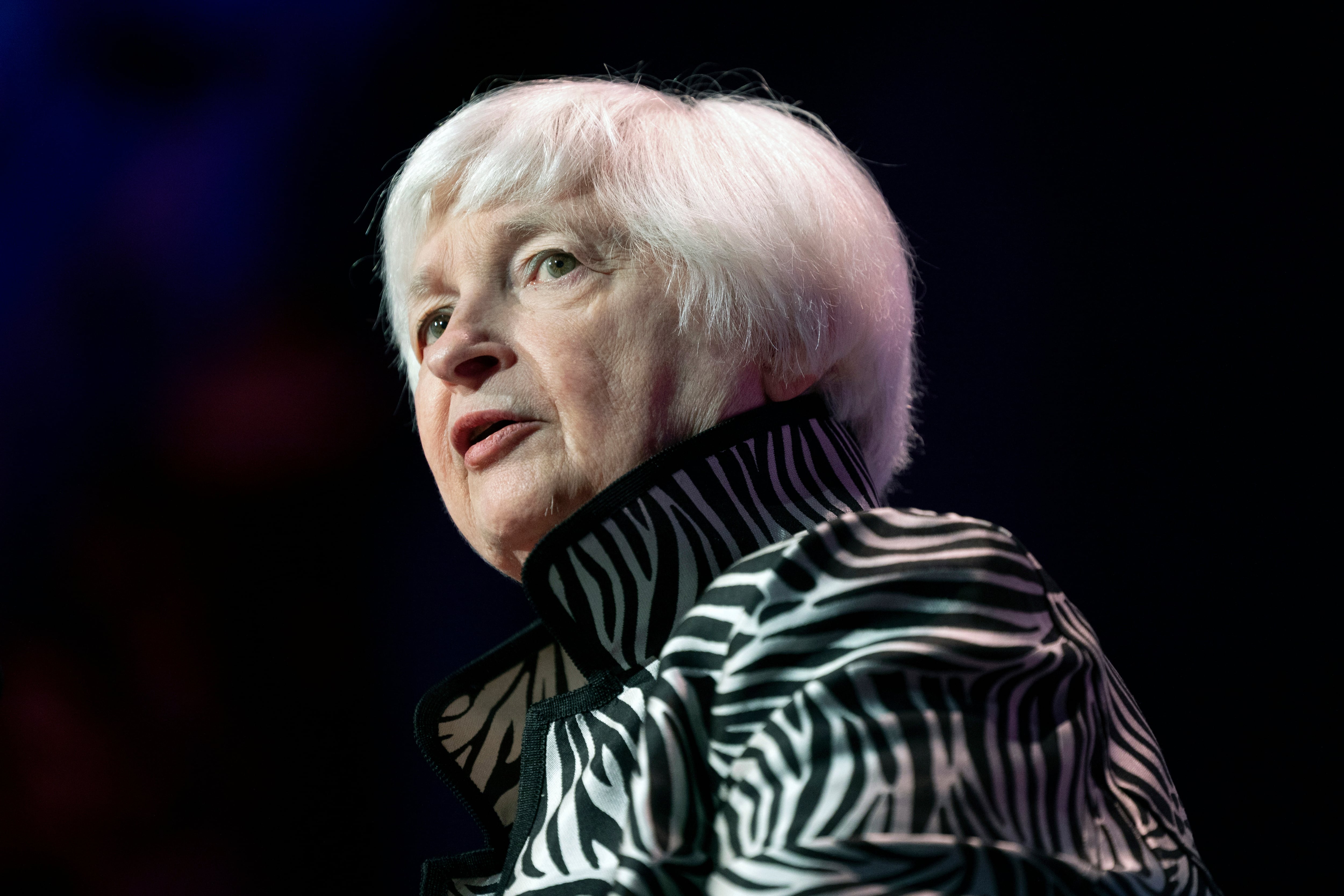
Treasury Secretary Janet Yellen has announced that 100,000 businesses have signed up for a new database that collects ownership information intended to help unmask shell company owners. Yellen says the database will send the message that “the United States is not a haven for dirty money.”
A new version of the federal student aid application known as the FAFSA is available for the 2024-2025 school year, but only on a limited basis as the U.S. Department of Education works on a redesign meant to make it easier to apply.
A steep budget deficit caused by plummeting tax revenues and escalating school voucher costs will be in focus Monday as Democratic Gov. Katie Hobbs and the Republican-controlled Arizona Legislature return for a new session at the state Capitol.
The first U.S. lunar lander in more than 50 years is on its way to the moon. The private lander from Astrobotic Technology blasted off Monday from Cape Canaveral, Florida, catching a ride on United Launch Alliance's brand new rocket Vulcan.
Global prices for food commodities like grain and vegetable oil fell last year from record highs in 2022, when Russia’s war in Ukraine, drought and other factors helped worsen hunger worldwide, the U.N. Food and Agriculture Organization said Friday.
Wall Street is drifting higher after reports showed the job market remains solid, but key parts of the economy still don’t look like they’re overheating.