When it comes to the Super Bowl a lot of the most memorable moments don't even happen during the game. There is an art and loose science to the viral ad, and Dana Anderson joins us to explain both.
Anderson is the chief transformation officer MediaLink and prior to that was the chief marketing officer at Mondelez. Anderson was behind the viral Oreo ad that featured "dunking in the dark," after the blackout during Beyonce's 2013 Super Bowl performance.
Anderson explains that creating real-time viral ads require a "war room." Her Oreo work started the Super Bowl "war rooms" that most advertising agencies have on any major media day.
When it comes to advice in the space. Anderson says advertisemers need to "just go for it." She says lots of brands and advertisers are too afraid to take risks and are therefore paralyzed and are unable to move forward.
Lab-created diamonds come with sparkling claims: that they are ethically made by machines running on renewable energy. But many don't live up to these claims or don't respond to questions about their electricity sources, and lab diamonds require a lot of electricity.
Geoff Freeman, president and CEO of the U.S. Travel association, explains why other nations are outcompeting the U.S., and the innovations that would put American back on top.
Tony Drake, founder of Drake & Associates, breaks down the latest CPI report, why ‘inflation is still trending down,’ and why the Fed doesn’t want to cut rates too soon.
Make sure your love don't cost a thing this Valentine's Day to any scammers. Note: we're not talking about your partner that didn't do the dishes after saying they would.
Landing founder and CEO Bill Smith shares how the company’s new Nomad pass and partnership with Frontier Airlines allows subscribers unlimited airfare and accommodations.
The pandemic yielded government financial support and (eventually) a surprisingly strong job market — but racial wealth disparities grew. Why is it so difficult to close the wealth gap?
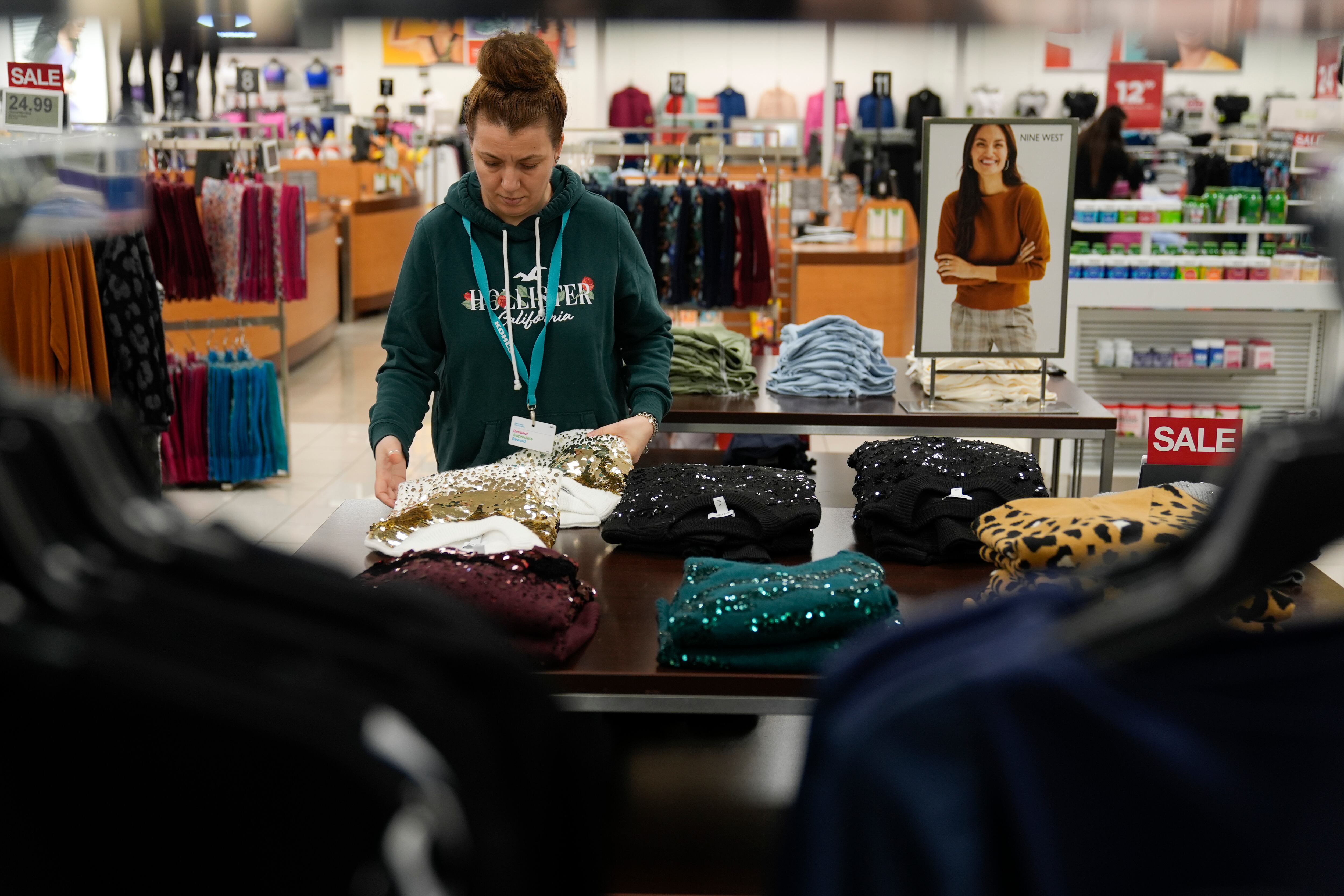
Plenty of retailers and suppliers are reducing the variety of their offerings to focus instead on what they think will sell best. Many businesses have decided less is better, justifying their limited selection by asserting shoppers don’t want so much choice.