Markets posted their fifth straight session of gains Thursday, bouncing back from a deep sell-off that sent the Dow into a correction. Jurrien Timmer, Director of Global Macro at Fidelity, breaks down why there has been such choppy trading in the markets.
Timmer says the two years leading up to the correction were unusually quiet due to the markets firing on all cylinders. Last August was a pivotal moment for markets because the chances of corporate tax cuts spiked. Timmer says another factor was the bond market because it was way too complacent about the possibility of rate hikes.
The VIX index, which serves as a "fear gauge" in markets, spiked in recent weeks. Timmer places the blame on hedge funds and traders who were short volatility. He added that the fundamentals of the economy are still relatively constructive and volatility will settle back down.
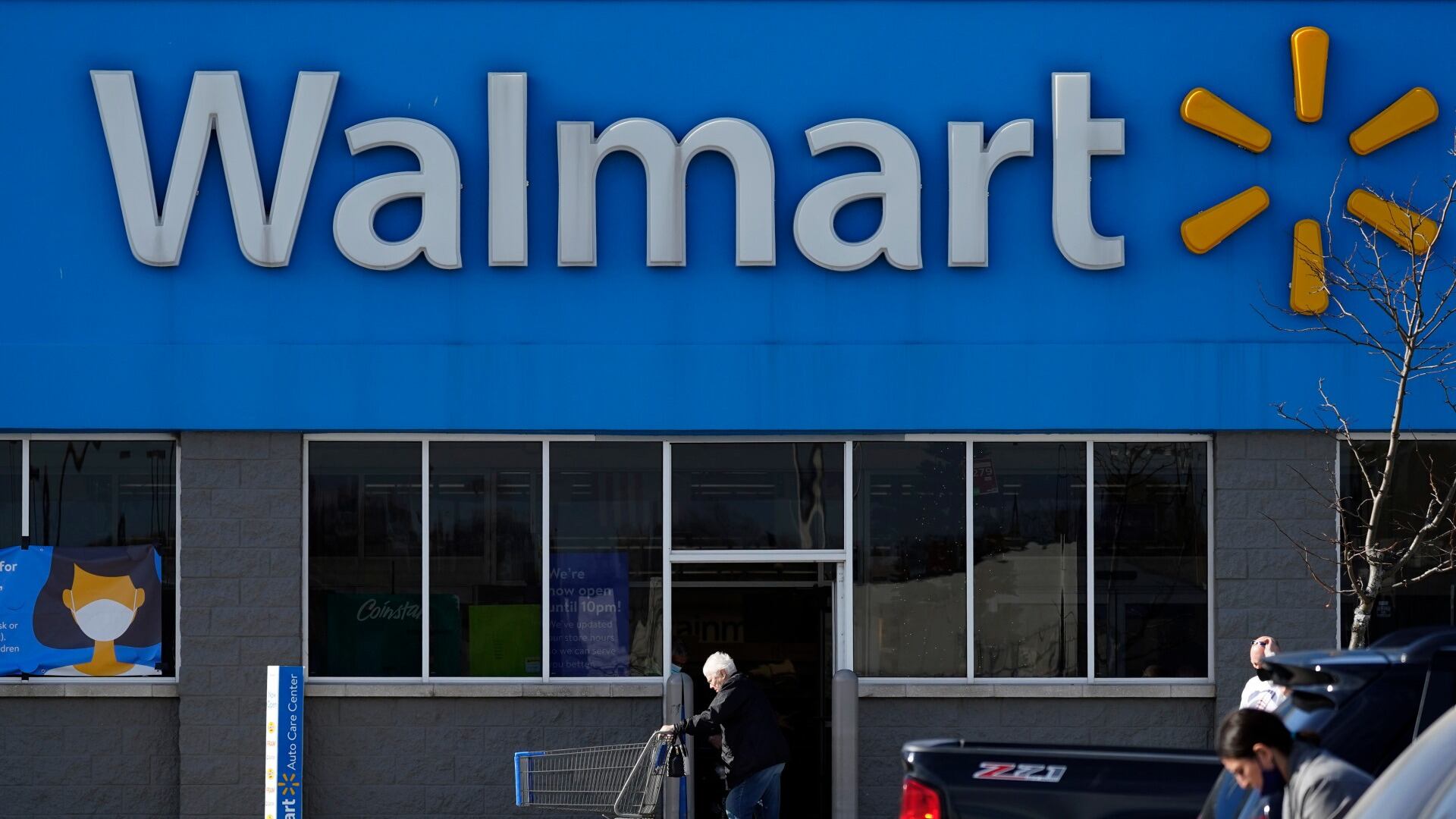
Walmart Inc. is raising the starting base pay for store managers, while redesigning its bonus plan that will put more of an emphasis on profits for these leaders.
Despite concerns about shipping delays in the Red Sea, RSM Chief Economist Joe Brusuelas says there are still reasons to be optimistic about the state of the U.S. economy.
Dan Ives, Managing Director and Senior Equity Analyst at Wedbush Securities dives deeper into a report by the International Data Corporation (IDC) that Apple has ended Samsung's 12-year reign as the world's largest smartphone seller.
Artificial intelligence is the biggest buzzword at the World Economic Forum’s annual meeting in Davos. Advances in generative AI stunned the world last year, and the elite crowd is angling to take advantage of its promise and minimize its risks.
Smartphones could get much smarter this year as the next wave of artificial intelligence seeps into the devices that accompany people almost everywhere they go.
In an annual assessment of global inequalities, Oxfam International said the first trillionaire could emerge within the next decade — as the anti-poverty organization pointed to the growing wealth gap that skyrocketed globally during the pandemic.
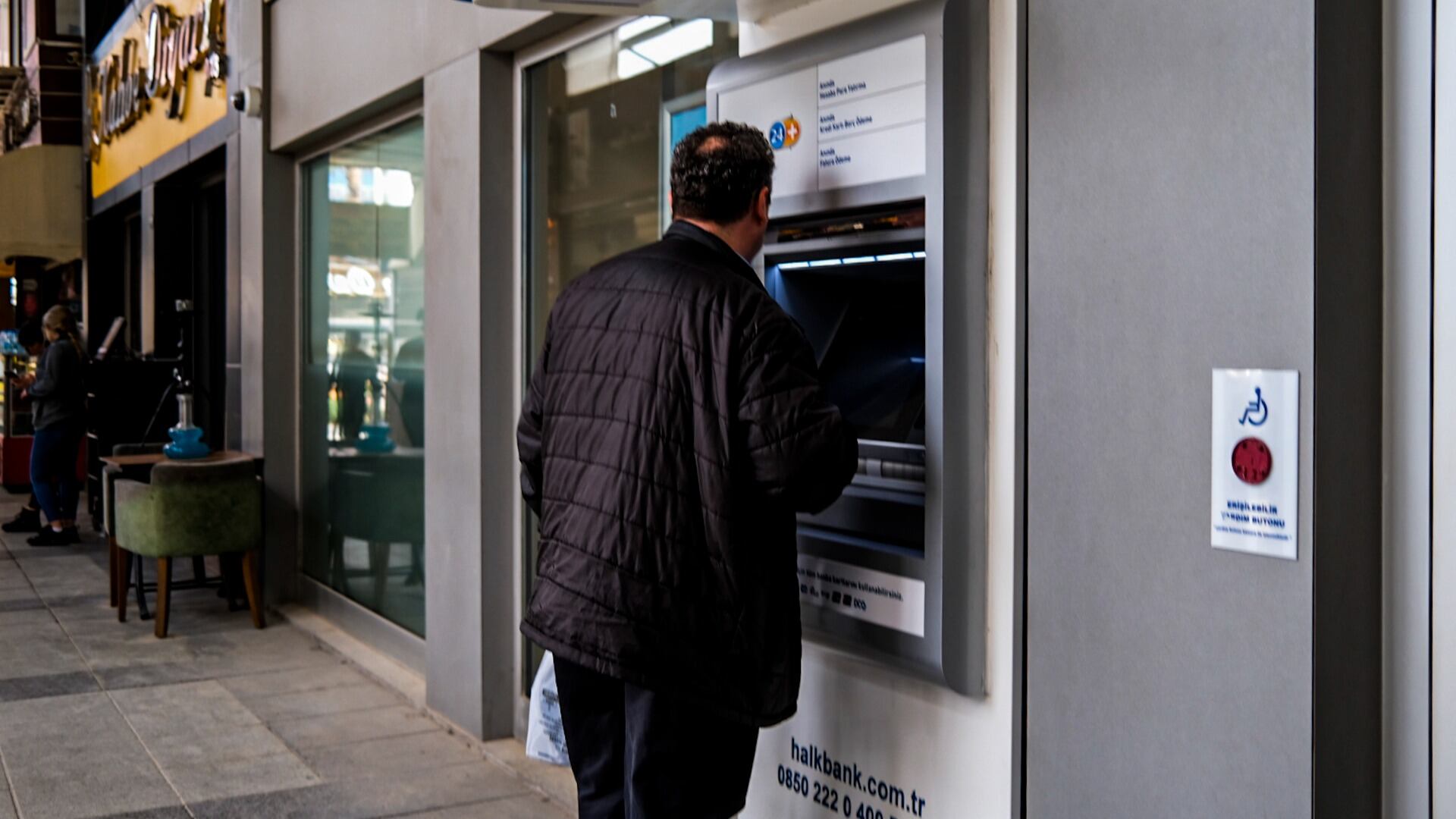
The Biden administration proposed a cost drop for overdrawing bank accounts, which it says could particularly relieve Americans living paycheck to paycheck.