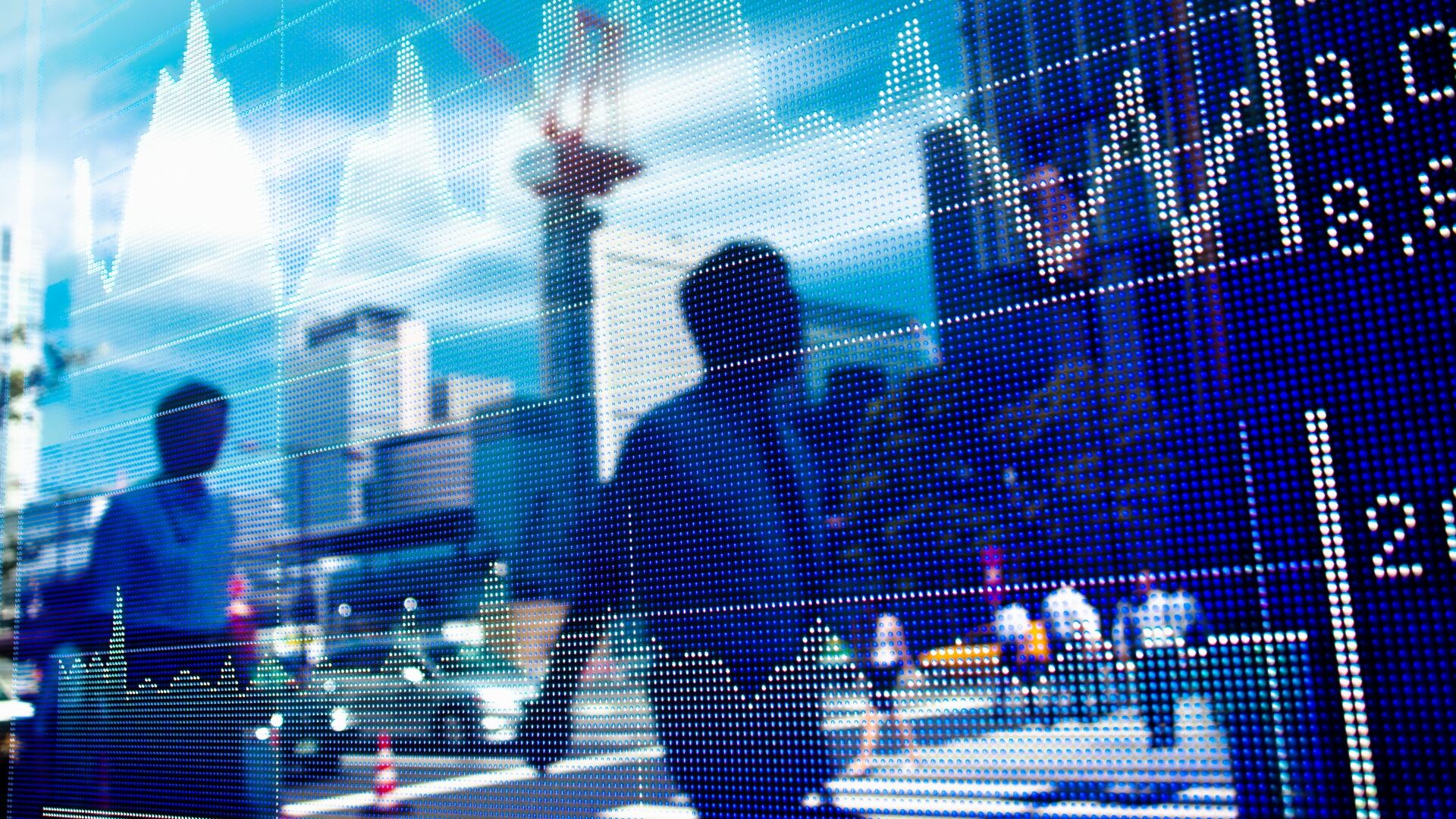
Markets posted their fifth straight session of gains Thursday, bouncing back from a deep sell-off that sent the Dow into a correction. Jurrien Timmer, Director of Global Macro at Fidelity, breaks down why there has been such choppy trading in the markets.
Timmer says the two years leading up to the correction were unusually quiet due to the markets firing on all cylinders. Last August was a pivotal moment for markets because the chances of corporate tax cuts spiked. Timmer says another factor was the bond market because it was way too complacent about the possibility of rate hikes.
The VIX index, which serves as a "fear gauge" in markets, spiked in recent weeks. Timmer places the blame on hedge funds and traders who were short volatility. He added that the fundamentals of the economy are still relatively constructive and volatility will settle back down.
From snow in April to heatwaves in December, it’s hard to plan a trip in a climate change world. Startup Sensible Weather thinks weather-based travel reimbursements are the solution.
Between corporate debt and the widening gap between ‘the haves and the have nots,’ there are reasons to be cautious about the economy, even with interest rate cuts on their way.
If the A.I. hype hasn’t given you enough of a reason to be excited (and a little terrified), the CEO of Zapata AI says the next frontier is designing bridges or creating pharmaceutical drugs.
Stocks are near record highs, inflation is moderating, and analyst Deiya Pernas is 'optimistic' the U.S. is heading for a soft landing without a recession – which is good news for your wallet.
Google co-founders Larry Page and Sergey Brin loved pulling pranks, so much so they began rolling outlandish ideas every April Fools' Day not long after starting their company more than a quarter century ago.
Sam Bankman-Fried co-founded the FTX crypto exchange in 2019 and quickly built it into the world’s second most popular place to trade digital currency. It collapsed almost as quickly — by the fall of 2022, it was bankrupt.
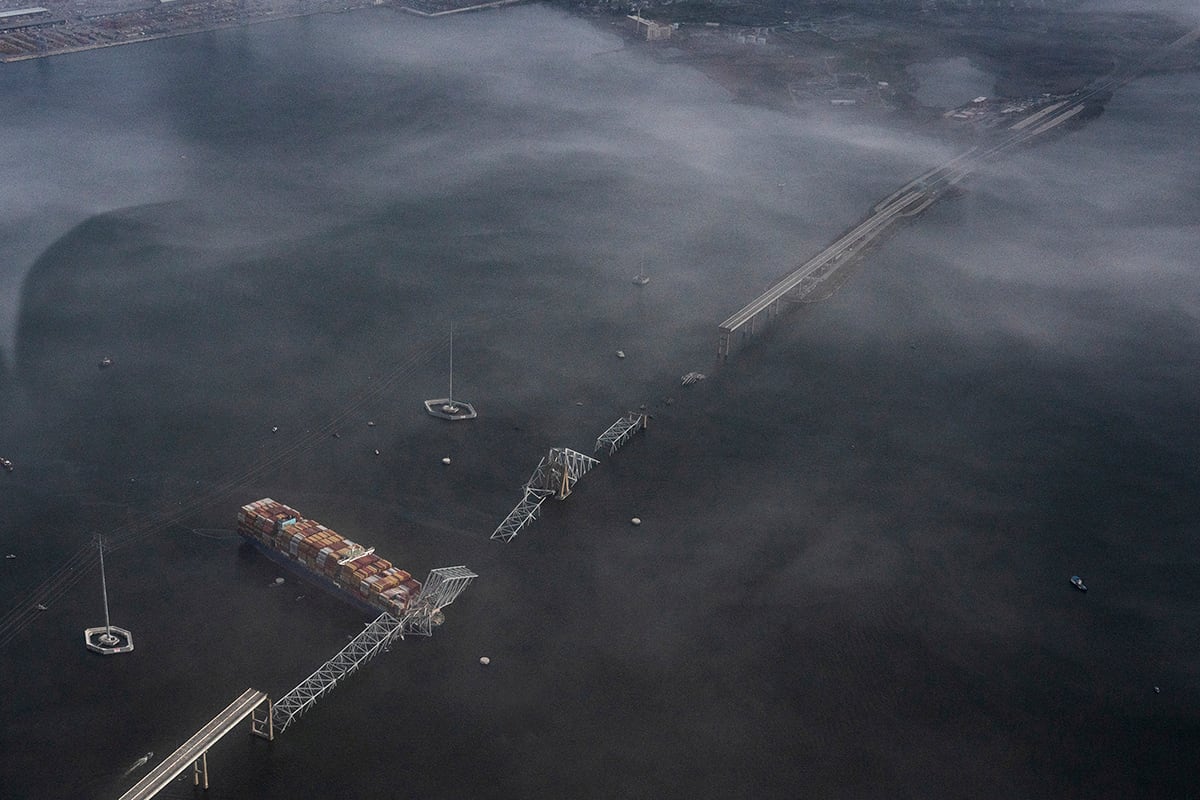
The economic effects of the Baltimore bridge collapse, Americans are living longer but not better, and Gen Z and millennials are struggling to afford rent, let alone a mortgage.