Sprint is making strides in using its network and technology to make first responders' lives safer. Sprint's Director of Public Sector Strategy Jim Spillane joins Cheddar to discuss how officials use IOT-enabled devices while serving in the field. He reveals why communities become more secure when people are more closely connected.
Sprint's Priority Connect platform is built on three primary pillars: mobility, safety, and automation. Spillane discusses the efforts the company makes towards ensuring first responders have access to the network in the event of a crisis. Sprint's industry-leading spectrum capabilities give it the power to deliver more capacity at faster data speeds.
Sprint is also investing in IOT technology to develop body cameras and sensor-equipped safety vests. Spillane breaks down the company's Automatic Injury Detection equipment that can instantly sense a gunshot or stab impact. The technology provides the officer's GPS location and delivers a notification to up to 30 people.
NBC Universal's Peacock streaming service is raising prices for the first time.
Meta announced it will be making changes to Threads and implementing rate limits.
The Biden administration and major consumer technology players on Tuesday launched an effort to put a nationwide cybersecurity certification and labeling program in place to help consumers choose smart devices that are less vulnerable to hacking.
It's World Emoji Day! Cheddar News explains the phenomenon behind the celebrations.
Tesla says its first production Cybertruck electric pickup has rolled off the assembly line, nearly two years behind the original schedule.
Elon Musk says Twitter is still losing cash because advertising has dropped by half. In a reply to a tweet offering business advice, Musk tweeted Saturday, “We’re still negative cash flow, due to (about a) 50% drop in advertising revenue plus heavy debt load.”
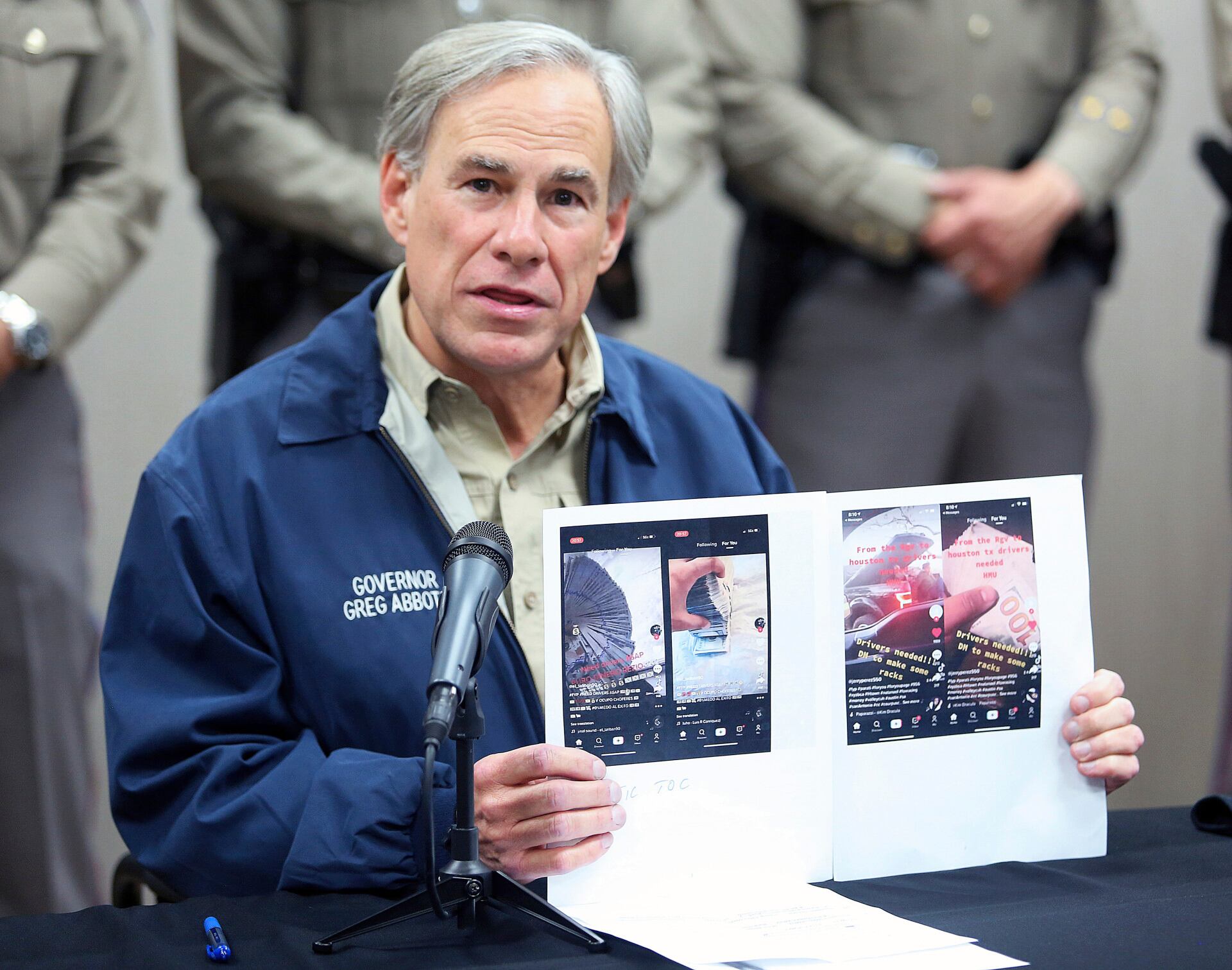
A First Amendment group sued Texas Governor Greg Abbott and others on Thursday over the state’s TikTok ban on official devices, arguing the prohibition – which extends to public universities – is unconstitutional and impedes academic freedom.
We've all heard the phrase time equals money. Well, Shopify has rolled out a meeting cost calculator in efforts to encourage people to empty their calendars of those unnecessary meetings.
ChatGPT-maker OpenAI and The Associated Press said Thursday that they've made a deal for the artificial intelligence company to license AP's archive of news stories.
Alexander Mashinsky, the former CEO of the failed cryptocurrency lending platform Celsius Network, has been arrested on federal fraud charges, including wire fraud, according to CNBC.