Macron's Concessions Won't Satisfy Paris Protesters for Long
*By Chloe Aiello*
The famously stoic president of France may have conceded on fuel taxes to protesters, but his decision was most likely a product of circumstance, not an act of altruism. In this case, said Erin Zaleski of the Daily Beast, Emmanuel Macron had no one with whom he could negotiate. But small concessions, like a fuel tax moratorium, won't be enough to satisfy protesters who are wreaking havoc in the streets of Paris.
"People aren't impressed by this concession by the government. They are very suspicious. They are saying, 'Oh well, six months from now, they are just going to reimpose the taxes again so nothing will change,'" Zaleski said.
The protesters "are actually calling for another demonstration this Saturday," she added.
Macron's government on Tuesday announced France will suspend for six months a tax on gas and diesel, originally intended to go into effect in January. The decision follows widespread disruption in the nation's capital, [according the the New York Times](https://www.nytimes.com/2018/12/04/world/europe/france-fuel-tax-yellow-vests.html?action=click&module=Top%20Stories&pgtype=Homepage), from demonstrations that turned violent and destructive. At least three are dead and about 100 injured in clashes between police and yellow vest-clad protesters, called "Yellow Jackets" or "Gilets Jaunes," named for the for the roadside safety vests they wear.
The Gilets Jaunes movement, which is decentralized and organized online, seem to consist largely of working-class individuals who live and work on the outskirts of cities or in rural France and require their cars to commute. Alice Preat and Joseph Cavetz, students at the American University in Paris who witnessed the demonstrations, said the mix of protesters was remarkable.
"People from all over the country are coming to Paris to protest ー its not just Parisians, which is kind of unheard of in terms of Paris protests," Preat said.
"There's definitely a sense of unity in their cause of anti-Macron," Cavetz said. "In America you typically have some element of polarization where the far left and far right wouldn't attend the same protest, but here its a ... very spread out kind of opposition."
Macron's latest fuel tax would add a few cents per gallon to the price of gas to improve France's environmental rap sheet. It proved a breaking point for protesters, who aren't as concerned with environmental reform as they are disgruntled about stagnating wages and rising living costs.
"Generally French people of the lower social classes take issue with it because they feel that the government is hiding behind environmental policies in order to just tax the poor more," Preat said.
Like Zaleski, Preat was not convinced the protests in Paris would cease after Macron's gas tax moratorium. She added the events of the past few weeks would likely undermine his authority.
"His opposition is going to be able to use the violence over these past couple weekends as justification for any counter moves they want to take against him," she said.
Macron has not historically allowed the will of the people to influence his policy-making ー most recently when he faced opposition over the summer to his railway reforms. But this time is different, because Macron is alone at the negotiating table, Zaleski said.
"What's different in this instance is these aren't unions, these aren't companies to negotiate with. These are very loosely organized protests. It has actually sort of evolved into a movement ... there's no one to negotiate with, there's no company, these are the people in the streets," Zaleski said.
And the protests are especially poignant because they're happening in pristine, photogenic, and touristy central Paris.
"I think he sort of felt caught between a rock and a hard place, because the protesters don't seem to be backing down. And again the fact that this violence erupted in central Paris ... you see fires at the Champs Elysees, you see vandalism at the Place Vendome," Zaleksi said.
Russia has defaulted on some of its foreign debt as a tidal wave of western sanctions threatens its economy. The credit ratings agency S&P has placed Russia under "selective default" after it tried to pay its latest obligations in rubles. Russia now has a 30-day grace period to resolve the issue, but Moscow is threatening to take legal action. George Seay, Annandale Capital's CEO, joined Cheddar to break down what this means, and how Russia defaulting on its debt might impact the global economy.
China's zero-covid policy may pose a wide-ranging threat to the local, and overseas economy. Analysts voicing concern on the strict lockdown in Shanghai as businesses and ports remain shuttered, potentially threatening the global supply chain. Shehzad H. Qazi, Managing Director, China Beige Book International joined Cheddar's Opening Bell to discuss.
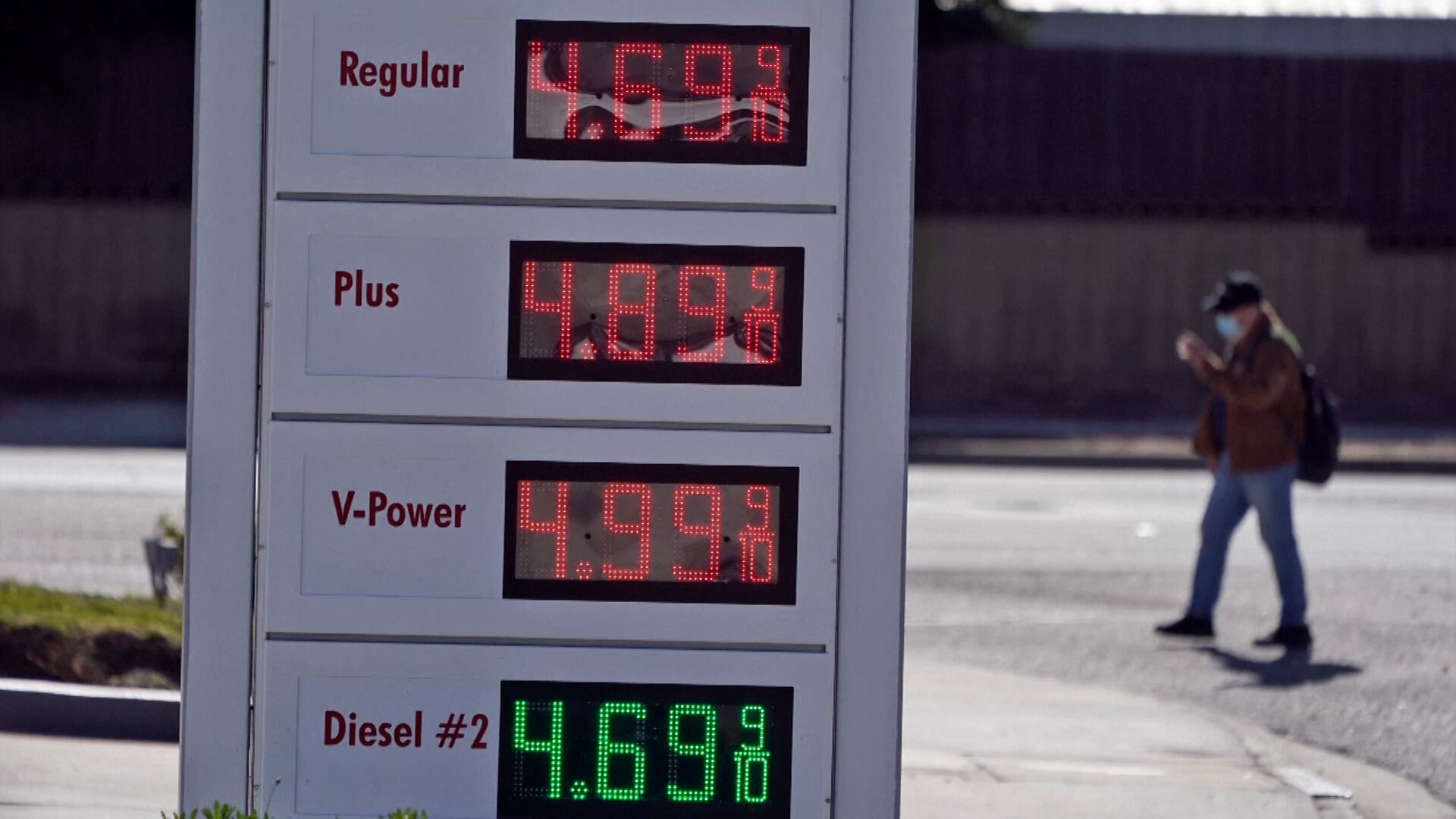
The consumer price index in March rose by 8.5% from a year ago, the fastest annual gain since December 1981 and one-tenth of a percentage point above the estimate. The rise in prices is driven by strong consumer demand, supply-chain disruptions and skyrocketing energy costs related to Russia's invasion of Ukraine. Heather Boushey, Council of Economic Advisers Member for President Biden, joined Cheddar's Opening Bell to give her reaction to the latest inflation numbers.
As China faces backlash from its response to Russia's invasion of Ukraine, the U.S. is strengthening its relationship with India. India is expected to become one of the top three economic powers in the world over the next 10 to 15 years, bolstered by technological advances and the manufacturing sector. Samir Kapadia, CEO and Principal of The Vogel Group, joined Cheddar to discuss the state of India's economy, and how it can only grow from here.
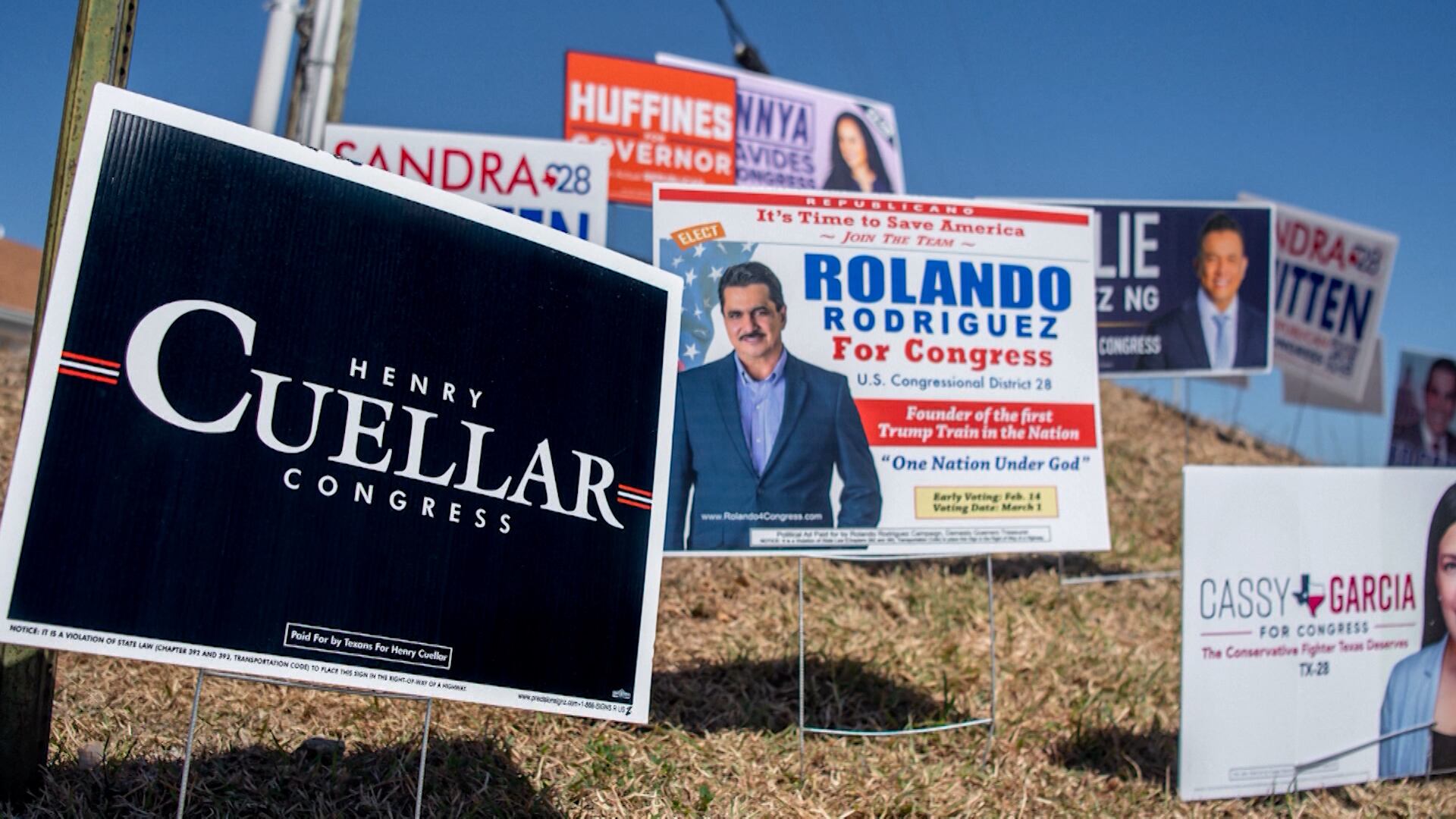
With the midterms just a few months away, record-setting inflation is weighing on the minds of voters. According to a recent CNN poll, a majority of voters said the state of the economy will play a key role in how they cast their ballot, and 55% said the same of inflation. Joseph Zeballos-Roig, Economic Policy Reporter for Insider, joined Cheddar to discuss how inflation could shape the 2022 midterms, and ultimately determine the balance of power in Congress.
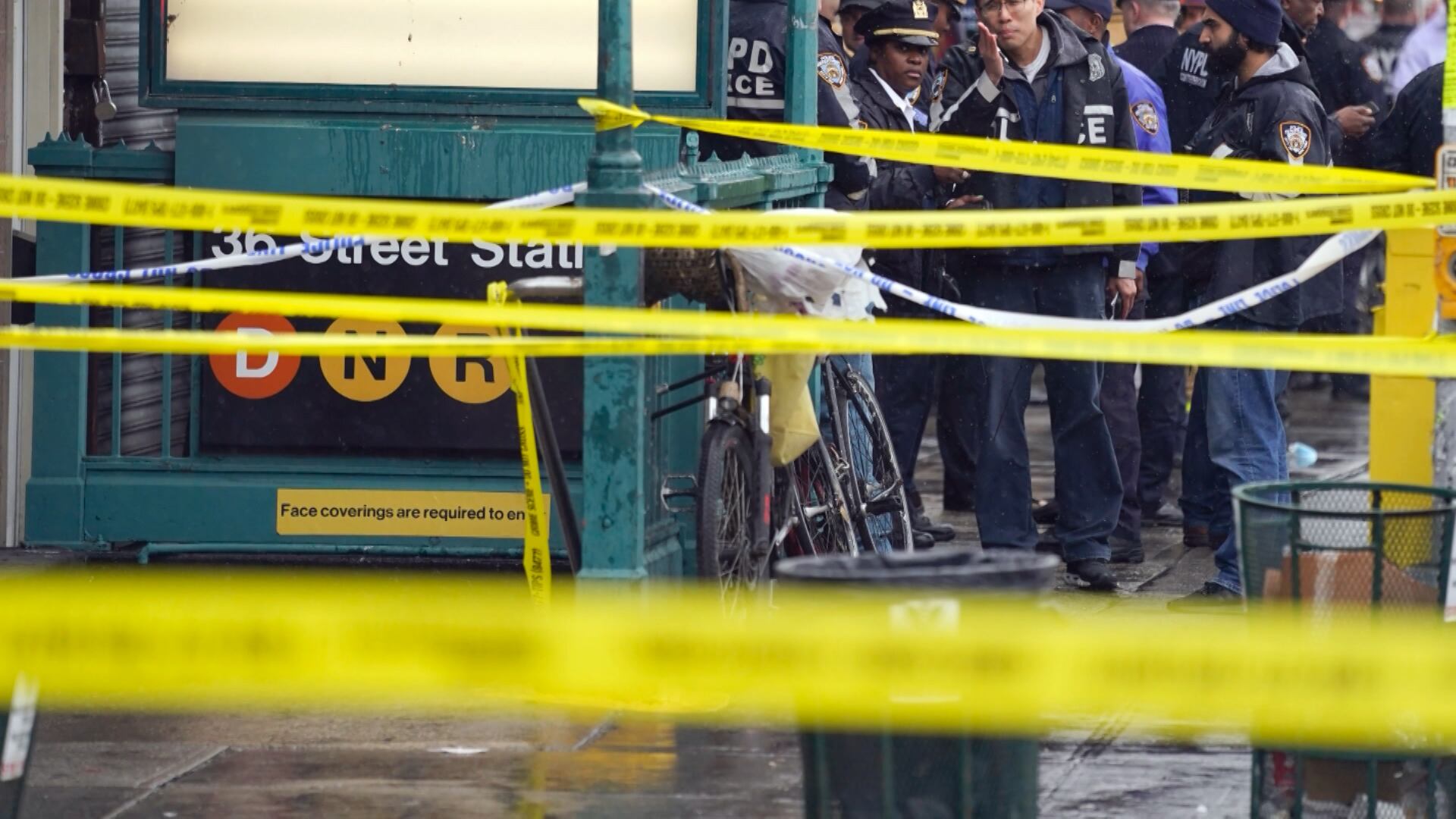
The Brooklyn subway attack is the latest in a string of high-profile crimes that have plagued New York City. The surge in crime comes as cities across the country are trying to recover from the pandemic and bring life back to a sense of normal. Joseph Giacalone, professor at John Jay College and retired NYPD sergeant, joined Cheddar's Opening Bell to explain what's behind the rise in crime, and what can be done about it.
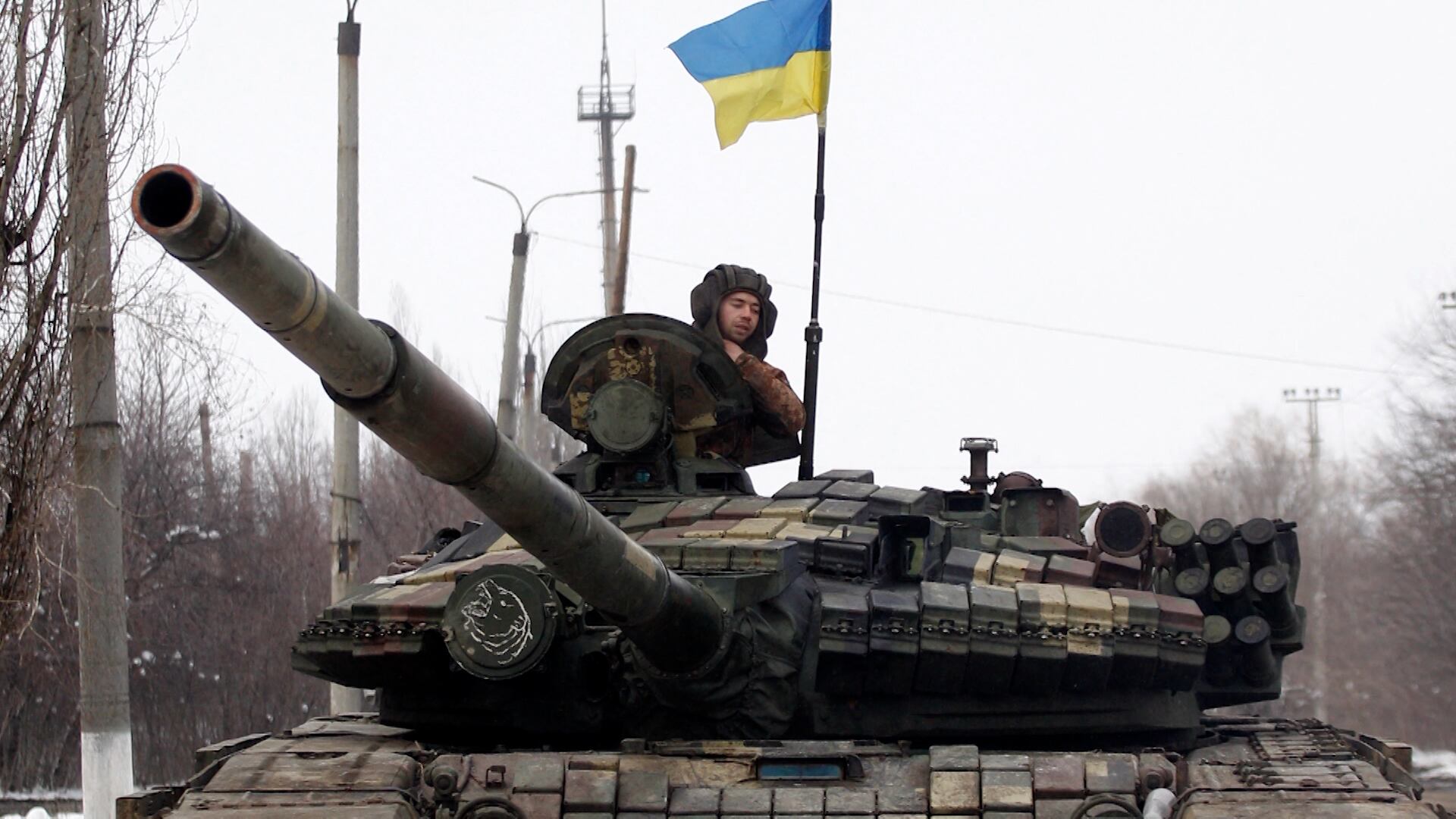
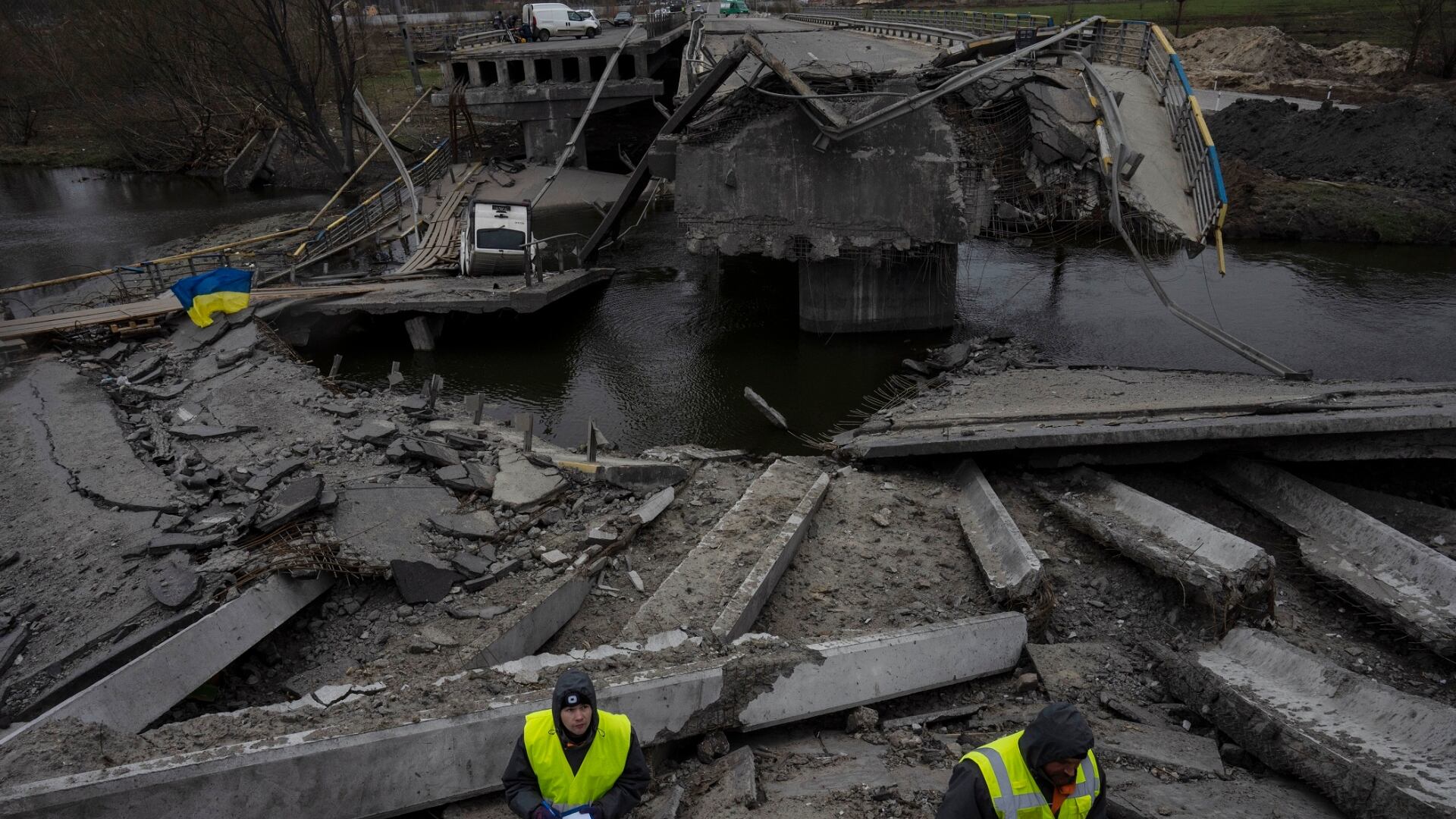
After failing to take control of northern and western Ukraine, Russia is shifting its focus to the east. As both sides continue to pour reinforcements into the region, officials are expecting more conventional combat involving tanks, artillery, and aircraft that could shape the war's biggest battles yet. Doug Collins, a former Georgia congressman, joined Cheddar to discuss the change in Russia's tactics.
Catching you up on what you need to know on Apr 14, 2022, with the U.S. sending $800M to Ukraine, updates on the subway shooting in Brooklyn, Gov. Abbott putting a pause on his southern border truck inspections, migrants being bused from Texas to Washington, DC, the travel mask mandate extending until May 3, and more.
This March 19, 2018, file photo shows the Yelp app on an iPad in Baltimore. Yelp reports financial results Thursday, Nov. 7, 2019. The online review service will cover the travel expenses of employees who have to travel out of state for abortions, joining the ranks of major employers trying to help workers affected by restrictions being placed on the procedure in Texas and other states. The benefit announced Tuesday, April 12, 2022 covers Yelp's entire workforce of 4,000 employees, but seems most likely to have its biggest immediate impact on its 200 workers in Texas, which has passed a law banning abortions within the state after six weeks of pregnancy. (AP Photo/Patrick Semansky, File)