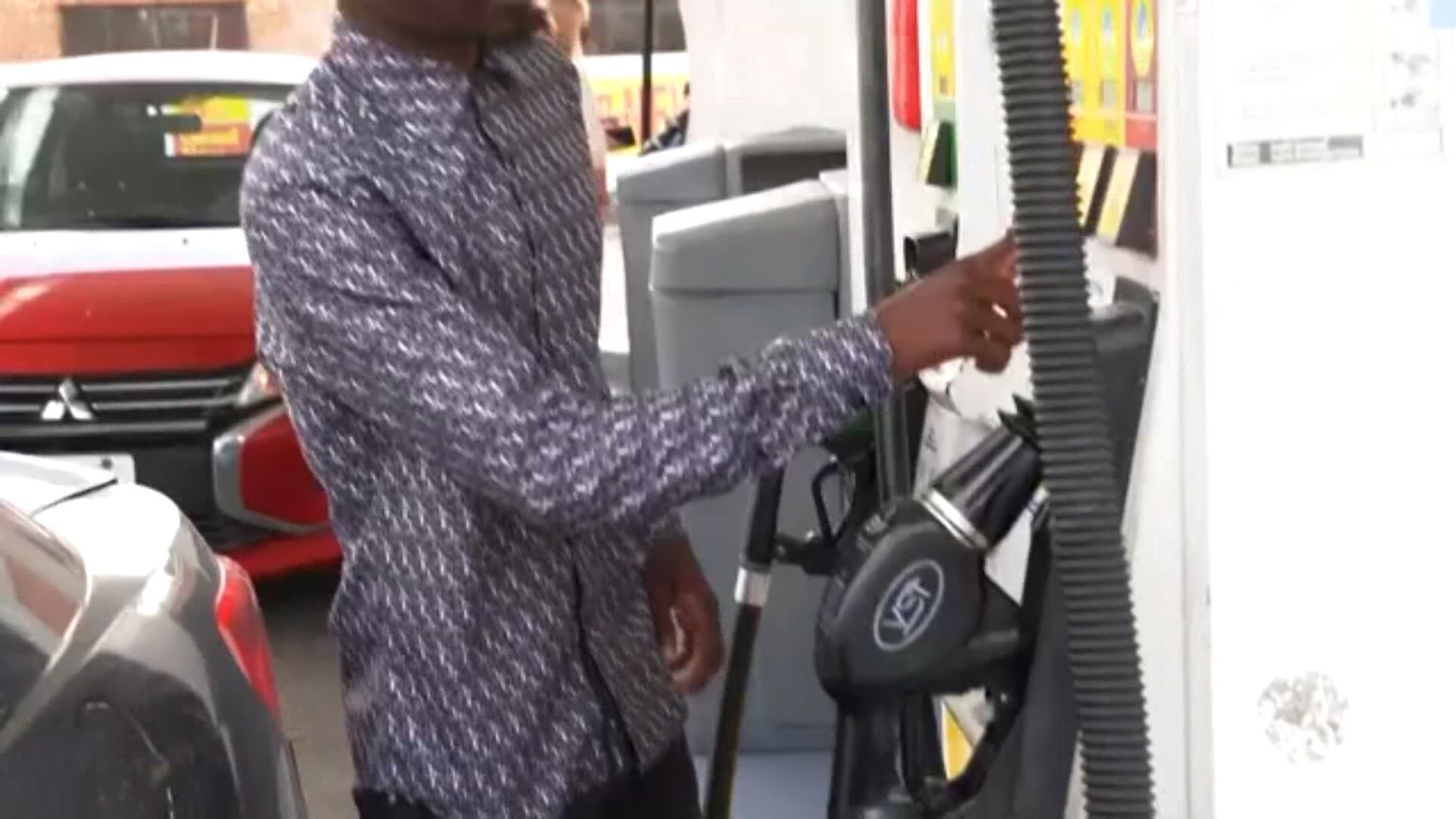
*By Chloe Aiello* The famously stoic president of France may have conceded on fuel taxes to protesters, but his decision was most likely a product of circumstance, not an act of altruism. In this case, said Erin Zaleski of the Daily Beast, Emmanuel Macron had no one with whom he could negotiate. But small concessions, like a fuel tax moratorium, won't be enough to satisfy protesters who are wreaking havoc in the streets of Paris. "People aren't impressed by this concession by the government. They are very suspicious. They are saying, 'Oh well, six months from now, they are just going to reimpose the taxes again so nothing will change,'" Zaleski said. The protesters "are actually calling for another demonstration this Saturday," she added. Macron's government on Tuesday announced France will suspend for six months a tax on gas and diesel, originally intended to go into effect in January. The decision follows widespread disruption in the nation's capital, [according the the New York Times](https://www.nytimes.com/2018/12/04/world/europe/france-fuel-tax-yellow-vests.html?action=click&module=Top%20Stories&pgtype=Homepage), from demonstrations that turned violent and destructive. At least three are dead and about 100 injured in clashes between police and yellow vest-clad protesters, called "Yellow Jackets" or "Gilets Jaunes," named for the for the roadside safety vests they wear. The Gilets Jaunes movement, which is decentralized and organized online, seem to consist largely of working-class individuals who live and work on the outskirts of cities or in rural France and require their cars to commute. Alice Preat and Joseph Cavetz, students at the American University in Paris who witnessed the demonstrations, said the mix of protesters was remarkable. "People from all over the country are coming to Paris to protest ー its not just Parisians, which is kind of unheard of in terms of Paris protests," Preat said. "There's definitely a sense of unity in their cause of anti-Macron," Cavetz said. "In America you typically have some element of polarization where the far left and far right wouldn't attend the same protest, but here its a ... very spread out kind of opposition." Macron's latest fuel tax would add a few cents per gallon to the price of gas to improve France's environmental rap sheet. It proved a breaking point for protesters, who aren't as concerned with environmental reform as they are disgruntled about stagnating wages and rising living costs. "Generally French people of the lower social classes take issue with it because they feel that the government is hiding behind environmental policies in order to just tax the poor more," Preat said. Like Zaleski, Preat was not convinced the protests in Paris would cease after Macron's gas tax moratorium. She added the events of the past few weeks would likely undermine his authority. "His opposition is going to be able to use the violence over these past couple weekends as justification for any counter moves they want to take against him," she said. Macron has not historically allowed the will of the people to influence his policy-making ー most recently when he faced opposition over the summer to his railway reforms. But this time is different, because Macron is alone at the negotiating table, Zaleski said. "What's different in this instance is these aren't unions, these aren't companies to negotiate with. These are very loosely organized protests. It has actually sort of evolved into a movement ... there's no one to negotiate with, there's no company, these are the people in the streets," Zaleski said. And the protests are especially poignant because they're happening in pristine, photogenic, and touristy central Paris. "I think he sort of felt caught between a rock and a hard place, because the protesters don't seem to be backing down. And again the fact that this violence erupted in central Paris ... you see fires at the Champs Elysees, you see vandalism at the Place Vendome," Zaleksi said.