*By Chloe Aiello* The famously stoic president of France may have conceded on fuel taxes to protesters, but his decision was most likely a product of circumstance, not an act of altruism. In this case, said Erin Zaleski of the Daily Beast, Emmanuel Macron had no one with whom he could negotiate. But small concessions, like a fuel tax moratorium, won't be enough to satisfy protesters who are wreaking havoc in the streets of Paris. "People aren't impressed by this concession by the government. They are very suspicious. They are saying, 'Oh well, six months from now, they are just going to reimpose the taxes again so nothing will change,'" Zaleski said. The protesters "are actually calling for another demonstration this Saturday," she added. Macron's government on Tuesday announced France will suspend for six months a tax on gas and diesel, originally intended to go into effect in January. The decision follows widespread disruption in the nation's capital, [according the the New York Times](https://www.nytimes.com/2018/12/04/world/europe/france-fuel-tax-yellow-vests.html?action=click&module=Top%20Stories&pgtype=Homepage), from demonstrations that turned violent and destructive. At least three are dead and about 100 injured in clashes between police and yellow vest-clad protesters, called "Yellow Jackets" or "Gilets Jaunes," named for the for the roadside safety vests they wear. The Gilets Jaunes movement, which is decentralized and organized online, seem to consist largely of working-class individuals who live and work on the outskirts of cities or in rural France and require their cars to commute. Alice Preat and Joseph Cavetz, students at the American University in Paris who witnessed the demonstrations, said the mix of protesters was remarkable. "People from all over the country are coming to Paris to protest ー its not just Parisians, which is kind of unheard of in terms of Paris protests," Preat said. "There's definitely a sense of unity in their cause of anti-Macron," Cavetz said. "In America you typically have some element of polarization where the far left and far right wouldn't attend the same protest, but here its a ... very spread out kind of opposition." Macron's latest fuel tax would add a few cents per gallon to the price of gas to improve France's environmental rap sheet. It proved a breaking point for protesters, who aren't as concerned with environmental reform as they are disgruntled about stagnating wages and rising living costs. "Generally French people of the lower social classes take issue with it because they feel that the government is hiding behind environmental policies in order to just tax the poor more," Preat said. Like Zaleski, Preat was not convinced the protests in Paris would cease after Macron's gas tax moratorium. She added the events of the past few weeks would likely undermine his authority. "His opposition is going to be able to use the violence over these past couple weekends as justification for any counter moves they want to take against him," she said. Macron has not historically allowed the will of the people to influence his policy-making ー most recently when he faced opposition over the summer to his railway reforms. But this time is different, because Macron is alone at the negotiating table, Zaleski said. "What's different in this instance is these aren't unions, these aren't companies to negotiate with. These are very loosely organized protests. It has actually sort of evolved into a movement ... there's no one to negotiate with, there's no company, these are the people in the streets," Zaleski said. And the protests are especially poignant because they're happening in pristine, photogenic, and touristy central Paris. "I think he sort of felt caught between a rock and a hard place, because the protesters don't seem to be backing down. And again the fact that this violence erupted in central Paris ... you see fires at the Champs Elysees, you see vandalism at the Place Vendome," Zaleksi said.
Share:
More In Politics
Economy Appears to Be Back on Track in 2022 With Job Growth
Following the surprising big beat on estimates for the January jobs report, William M. Rodgers III, vice president and director of the Institute for Economic Equity at the Federal Reserve Bank of St. Louis, joined Cheddar News to break down the data. “We ended 2021 with a strong crescendo to a recovery that had taken hold, and we started 2022 in good fashion." He also discussed the dueling pressures of wage growth and inflation.
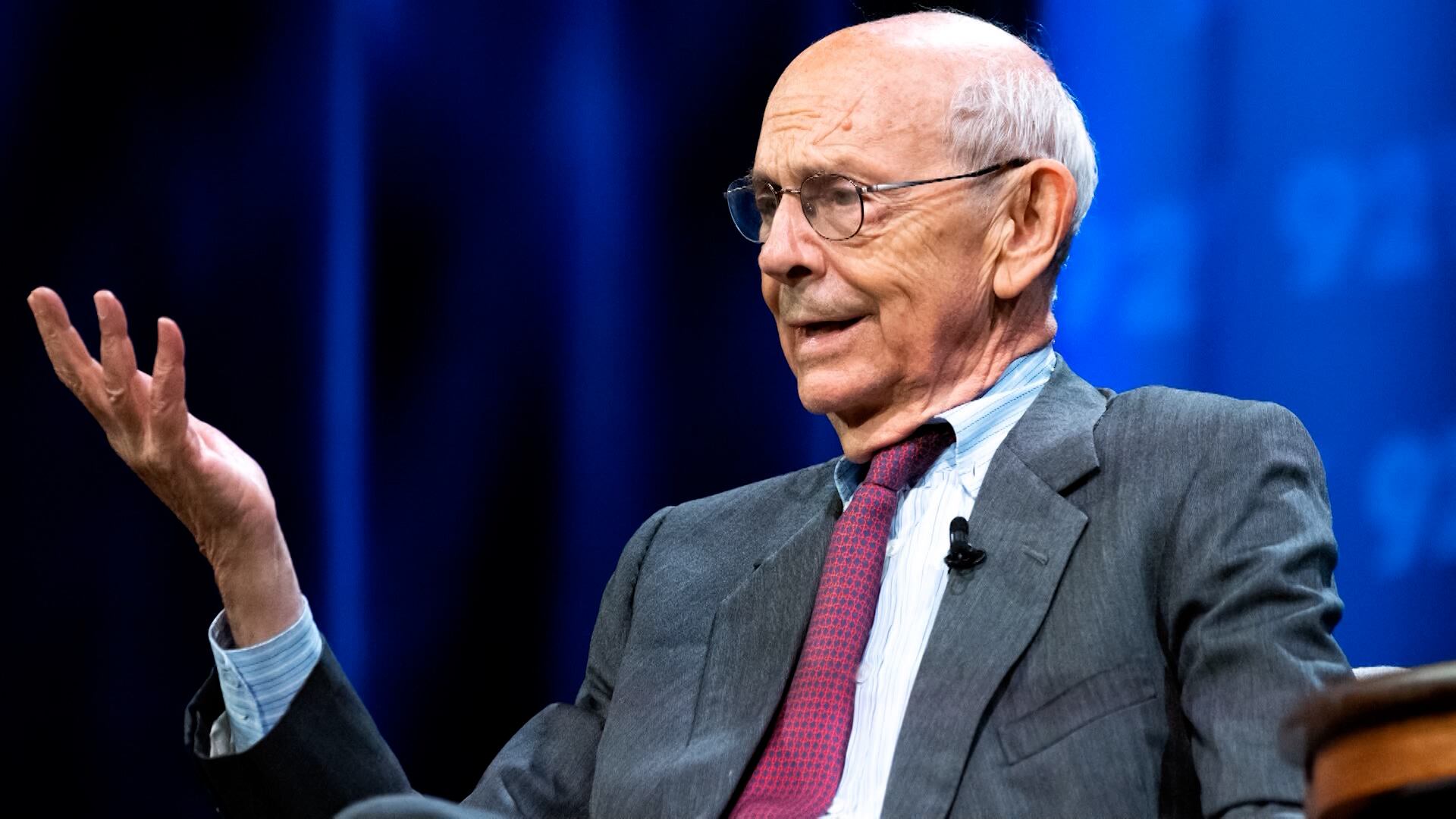
Justice Stephen Breyer to Retire
Jessica Mason Pieklo, senior vice president and executive editor of the Rewired News Group and co-host of the podcast. "Boom! Lawyered," joins Cheddar Politics to discuss Justice Stephen Breyer's retirement, legacy and potential replacement on the Supreme Court.
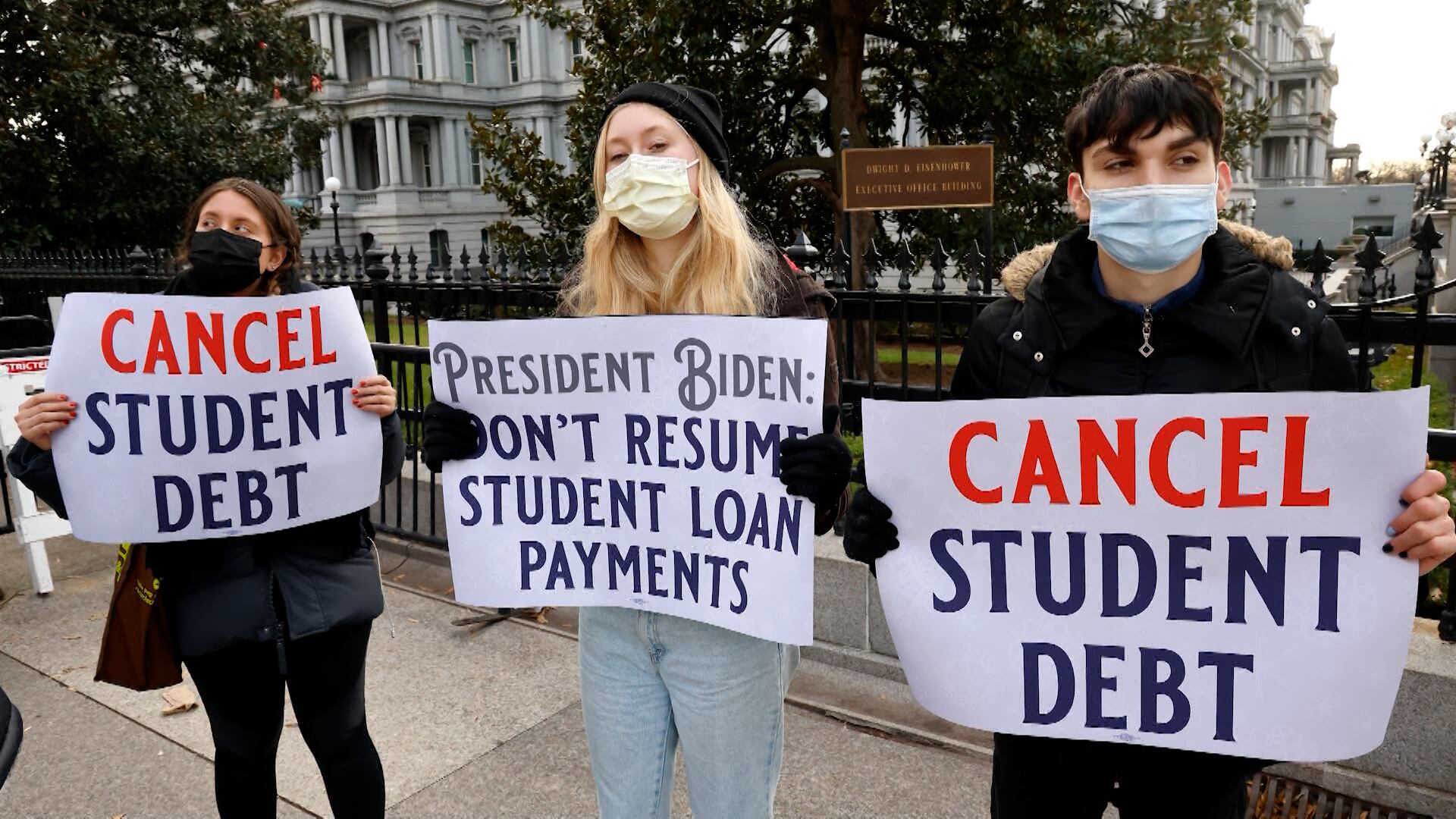
Student Borrowers Anxious for Payments to Resume in May
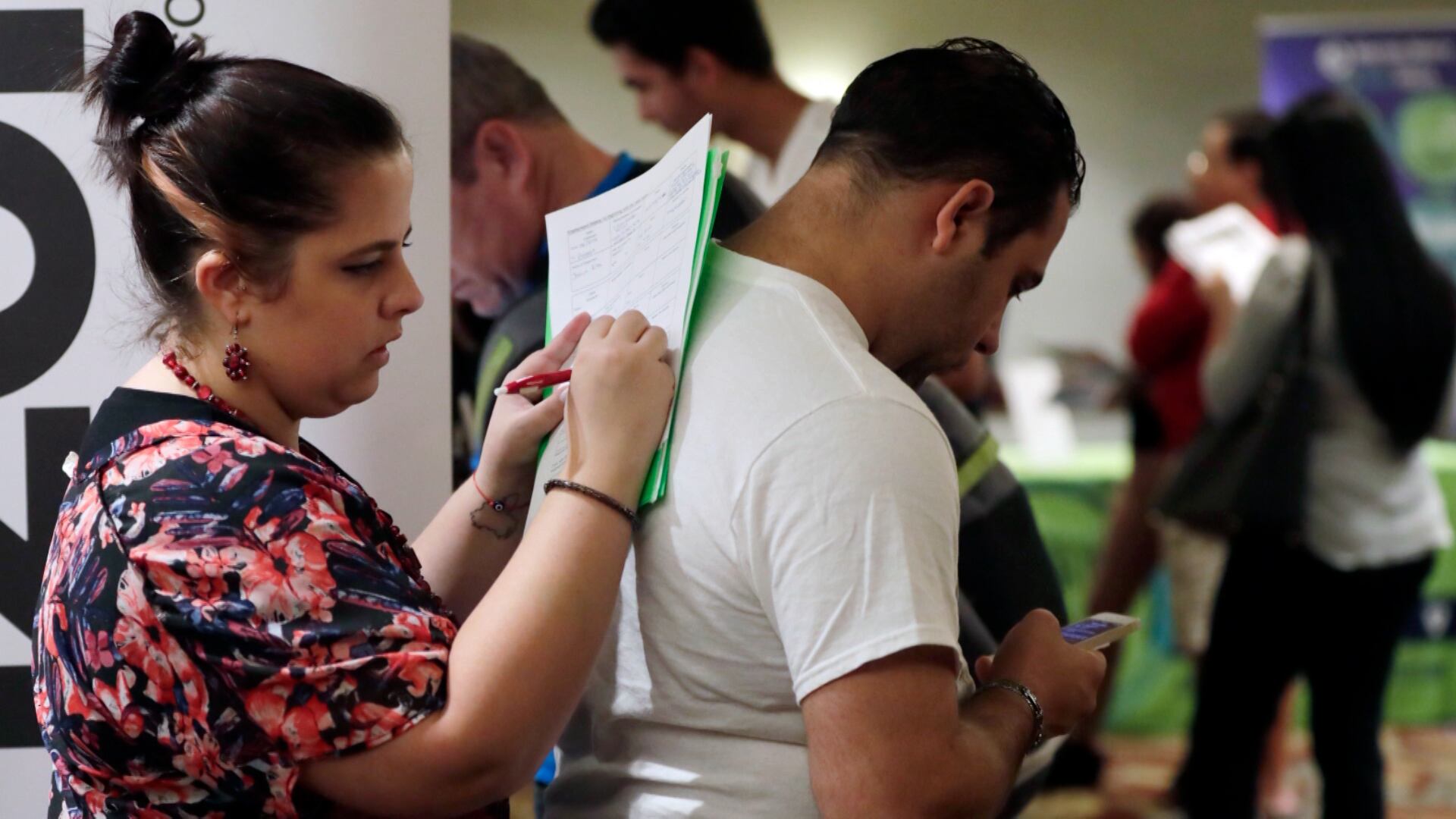
The Biden administration delivered a temporary win for student loan borrowers this year by extending the moratorium on federal payments for a few more months. That moratorium is coming to an end on May 1st and borrowers will again have their monthly loan payment plopped in their lap. Stephanie Vanderslice, a creative writing professor paying off debt through the Parent Plus program, and Mike Pierce, executive director of the Student Borrower Protection Center, join Cheddar Politics to discuss.
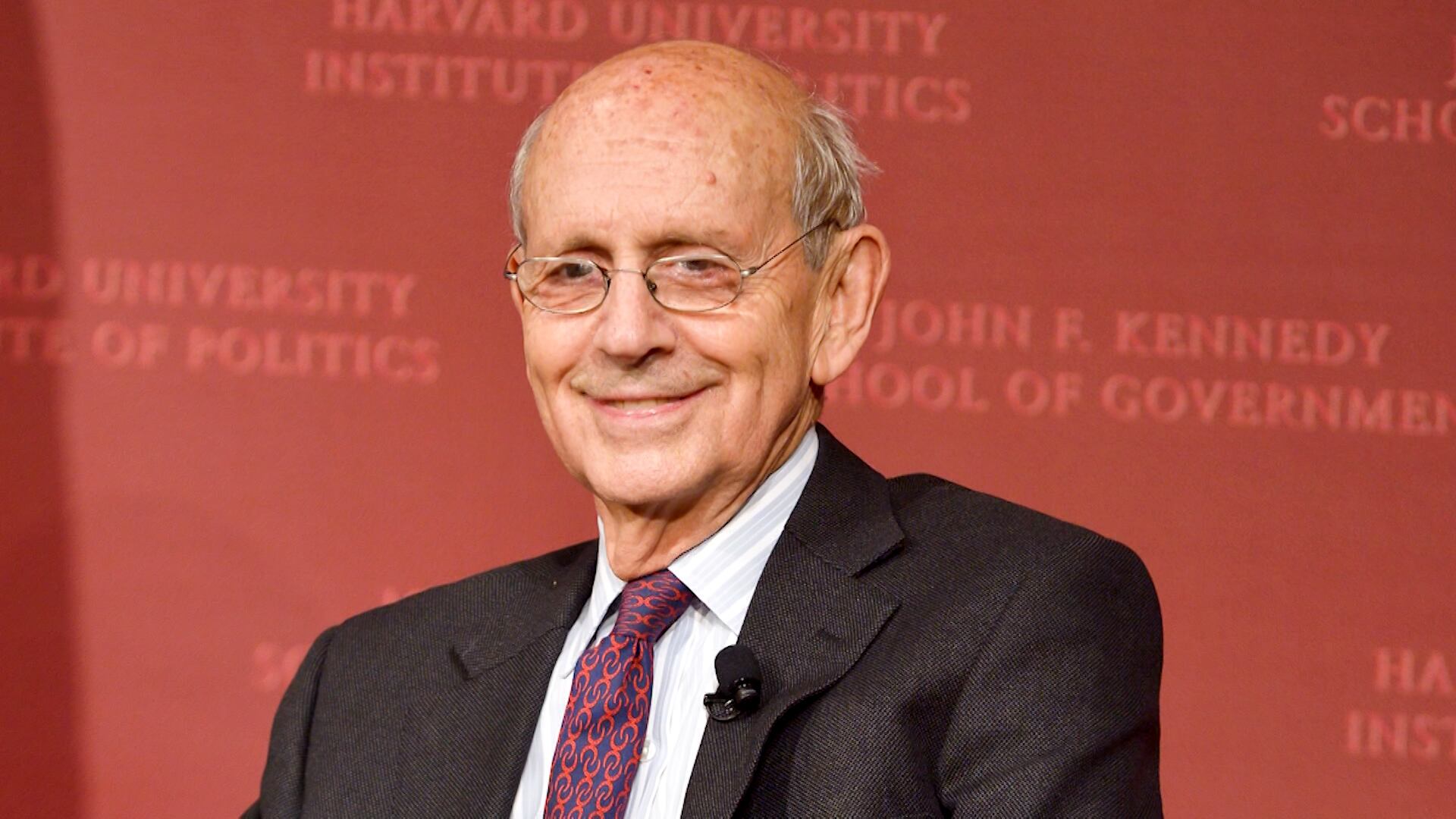
The Legacy of Justice Stephen Breyer
2022 was already going to be a big year for the Supreme Court. We have decisions on major issues like abortion and gun rights on the way. Then, Justice Stephen Breyer announced his retirement and that set up a major confirmation fight for later this year. Amy Howe, co-founder of SCOTUSblog, joins Cheddar Politics to discuss.
White House Economic Adviser on January Job Growth, Wages vs. Inflation
The Labor Department released a better-than-expected report of 467,000 jobs added in January. Heather Boushey, Council of Economic Advisers Member for President Biden, joined Cheddar to tout the administration's handling of the economy amid the pandemic and the upward revisions for the previous month. "It also shows that, because of the revisions, the economy was stronger over the past couple of months," she said. "I don't think that this can be said enough, but economic forecasting during an historic pandemic is extremely difficult." Boushey also addressed issues involving wage growth versus the rapid rise of inflation.
'Stellar' January Jobs Report Shows Much Ground Recovered Since Start of Pandemic
The Labor Department's January jobs report showed 467,000 jobs were added, compared to the 150,000 that were projected, a sign that employment is continuign to return to pre-pandemic levels. Lindsey Piegza, chief economist at investment bank Stifel, joined Cheddar to break down the report, noting the big gains but adding a note of caution. "Remember, even with this morning's stellar report, we're still millions below that level that we had reached prior to the onset of COVID-19," she said." Yes, we are recapturing jobs. We still have further ground that needs to be made before we can talk about reaching that previous peak." Piegza also discussed the role of the Federal Reserve going forward as the employment figures turn more positive.
Rep. Ayanna Pressley Wants Biden to Deliver Legislation, Student Debt Relief for Black Voters
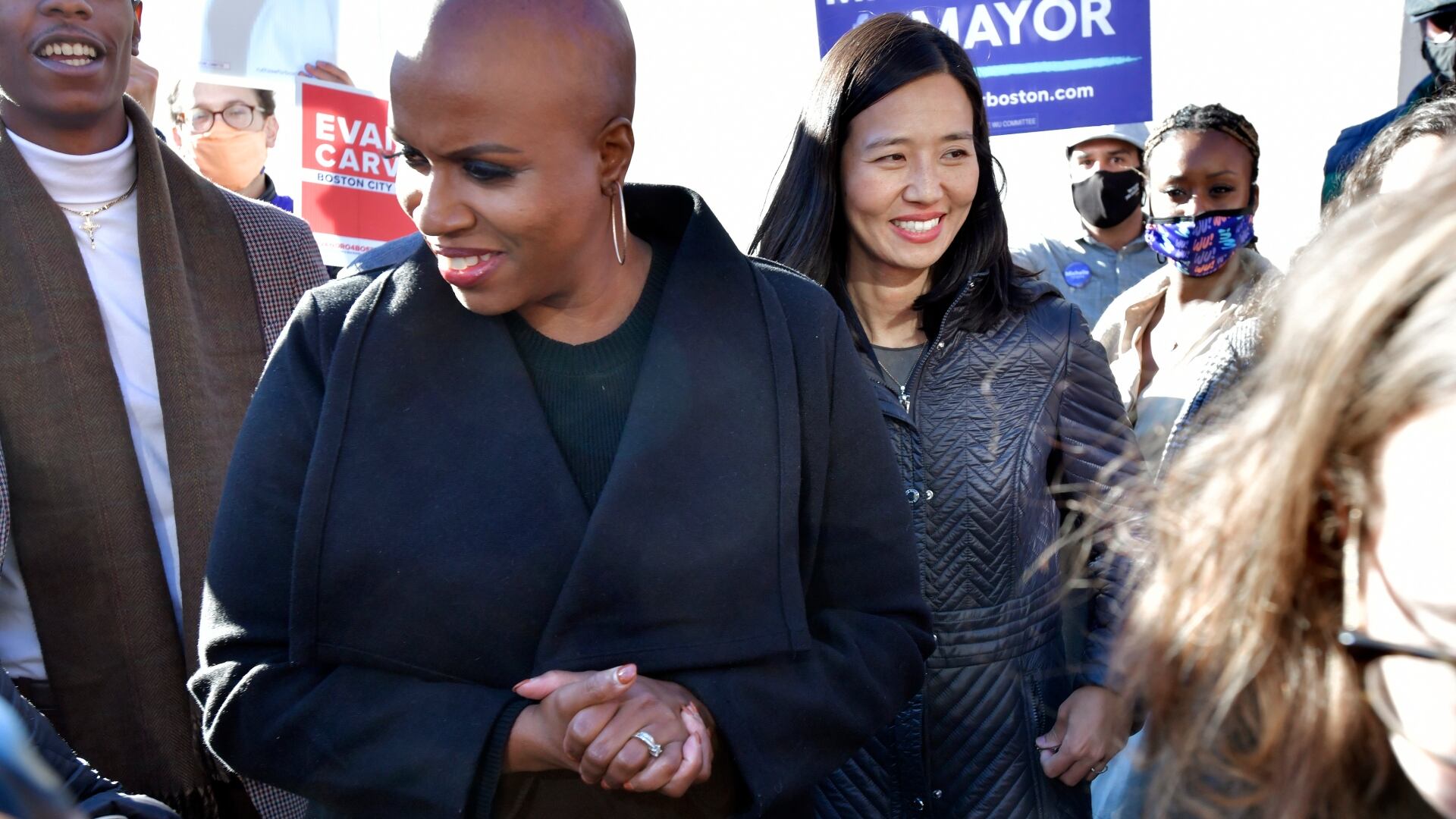
As President Biden's poll numbers fall with Black voters, Rep. Ayanna Pressley (D-Mass. 7th District) joined Cheddar to discuss what she feels could help the embattled administration: deliver on policies. Pressley pointed to stalled legislation such as new voting rights laws and Build Back Betters and canceling student loan debt, which would go a long way to improving his standing with Black constituents. "President Biden has the authority and the power to alleviate this burden, which would also help in closing the racial wealth gap, and he can do it by executive action with the stroke of a pen," she said. "And it doesn't require one vote from Congress. So, the Biden administration just needs to deliver to Black America in a tangible and impactful way."
Load More