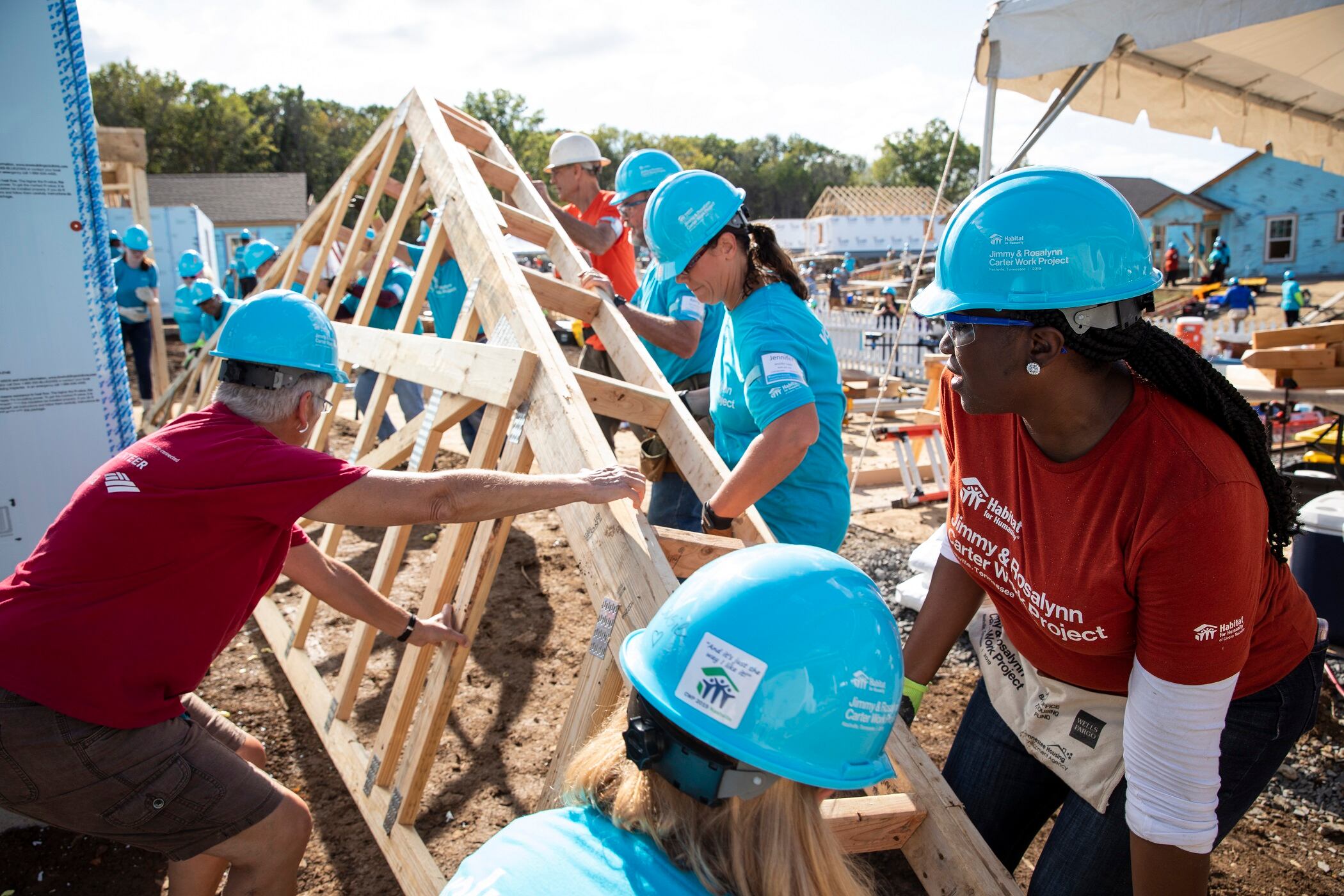
This photo provided by Habitat for Humanity International shows volunteers for Habitat for Humanity International, work on a house at the Carter Work Project in Nashville in 2019. MacKenzie Scott donated $436 million to Habitat for Humanity International and 84 of its U.S. affiliates – the largest publicly disclosed donation from the billionaire philanthropist since she pledged to give away the majority of her wealth in 2019. (Jason Asteros/Habitat for Humanity International via AP)
MacKenzie Scott has donated $436 million to Habitat for Humanity International and 84 of its U.S. affiliates — the largest publicly disclosed donation from the billionaire philanthropist since she pledged in 2019 to give away the majority of her wealth.
“We could not be more excited to get the gift at a time when, in some ways, the state of housing affordability is the worst that it has been in modern times,” Jonathan Reckford, Habitat for Humanity International’s CEO, told The Associated Press. His group received $25 million from Scott and her husband, Dan Jewett, with the remaining $411 million to be distributed among Habitat’s local affiliates.
Scott's donation amounts to nearly 8% of the $325 million in donations that Habitat for Humanity International received in its 2020 fiscal year.
Reckford said Habitat for Humanity will use Scott’s donation of unrestricted funds to increase the supply of affordable housing, especially in communities of color. Though they approach the problem in varying ways, most local affiliates will pursue projects in their communities, while the international group will focus on broader advocacy and efforts to build homes for working-class families.
“Even before COVID, we already had one in seven families paying over half their income on rent or mortgage,” Reckford said. The last two years made that issue even worse, with many people seeking to buy larger homes to ride out the pandemic.
The scarcity of housing drove up the price in many markets across the country, putting homes out of reach for many first-time buyers.
“For low- and moderate-income families, who are service workers and did not have adequate shelter and still have to go out to work, this has been a catastrophe,” Reckford said.
Scott, who is worth about $48 billion according to Forbes, has signed the Giving Pledge, through which many billionaires have promised to donate more than half their wealth. Aside from an occasional blog post, Scott, an author and philanthropist, doesn’t discuss her donations, which exceeded $8 billion in the past two years after her divorce from Jeff Bezos, the Amazon founder, who was then the richest person in the world. As part of the divorce settlement, Scott received 4% of Amazon's shares.
In December, in hopes that she would reduce the attention she draws, Scott declined to announce how much or to whom she donated money. She said she would prefer to let the recipients announce her gifts, as Habitat for Humanity is expected to do on Tuesday. Last week, the Boys & Girls Clubs of America announced that they and 62 local Boys & Girls Clubs had received $281 million from Scott. On Monday, The Fortune Society, a New York-based group that helps the formerly incarcerated re-enter society, announced that Scott donated $10 million to them.
Scott has explained in past blogs that she and Jewett had donated $2.7 billion in the first half of 2021 to “equity-oriented non-profit teams working in areas that have been neglected.”
Though Habitat for Humanity is best-known as a home-building nonprofit, the group, founded in 1976, says it has been working for many years on behalf of equity, toward “a world where everyone has a decent place to live.”
Natosha Reid Rice, Habitat for Humanity International’s global diversity, equity & inclusion officer, said that receiving the donation from Scott this year amounted to a dream fulfilled.
“When we started seeing Ms. Scott’s generosity expressed in a very explicit social-justice- and racial-justice-forward way, there were many of us who were like, ‘Oh, my gosh, if we can get the attention of MacKenzie Scott, that’d be amazing,’ not realizing that she was looking into this space already,” she said. “It was a wonderful surprise.”
Rice said that Scott’s gift will accelerate the timetable on Habitat for Humanity’s efforts to increase Black home ownership and diversify its volunteer base. It will also help the group surmount the political and financial roadblocks that make it difficult for racial minorities to buy homes.
According to an analysis released by the National Association of Realtors last month, U.S. home ownership climbed to 65.5% in 2020, with 72.1% of white Americans now owning their homes. Yet only 43.4% of Black Americans own homes, a proportion even lower than it was in 2010. Habitat for Humanity officials say they hope Scott’s gift will help reverse that trend.
“We have a great opportunity to continue to shape a narrative that’s inclusive, that’s diverse, that promotes equity,” Rice said. “And it’s not just the equitable access, because that then allows those families to build equity for generations to come. And that’s a very exciting opportunity for us as an organization.”
___
Associated Press coverage of philanthropy and nonprofits receives support through the AP’s collaboration with The Conversation US, with funding from Lilly Endowment Inc. The AP is solely responsible for this content. For all of AP’s philanthropy coverage, visit https://apnews.com/hub/philanthropy.
On this episode of Cheddar Innovates: CEO of Achieve Life Sciences discusses a new plant-based compound that's being used to fight nicotine addiction; President & CEO OF DiaMedica Therapeutics explains a new ischemic stroke treatment option that expands the window for effective therapy for stroke patients; Cheddar gets a look at Curiosity Stream's 'Asteroid Rush.'
Catching you up on today's entertainment headlines with the Tribeca Film Festival has kicked off in NYC, "Black Adam," starring Dwayne "The Rock" Johnson dropped its first full trailer, the musical "Come From Away" based on a true story set during 9/11 will be closing on Broadway this October, and more.
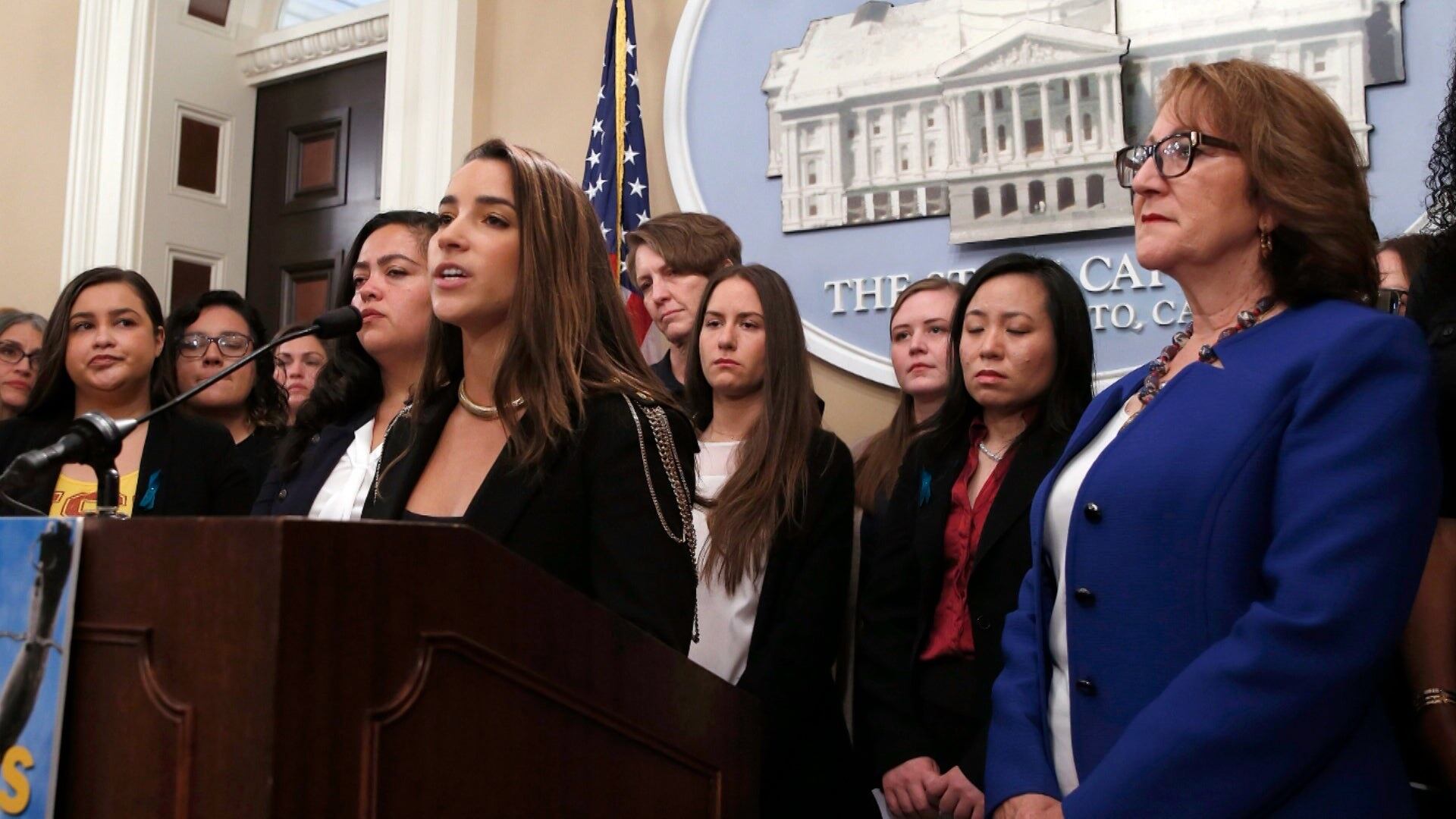
Survivors of Larry Nassar, including Olympian Simone Biles, are seeking $1 billion in damages from the FBI due to its failure to investigate the former gymnastics team doctor convicted of committing years of serial sexual abuse of minors. Jack Queen, a senior reporter at Law360, joined Cheddar News to break down the legal grounds of this case. "This is one of the biggest black eyes that the Bureau has faced in generations, quite frankly, and the FBI has taken full responsibility and admitted that it completely botched this investigation," he said. "So, there's a lot of pressure to settle."
The Elevate Prize Foundation is donating $10,000 to different grassroots organizations based on a theme every month to help scale their work, focusing on a different theme each time. Upcoming prizes will help uplift an organization supporting the LGBTQ community and one mobilizing to help end gun violence. The foundation's CEO Carolina Garcia Jayaram joined Cheddar to discuss the initiative and why it's important to uplift these grassroots organizations. "We are identifying social entrepreneurs around the world to help them scale their work. but the ultimate purpose of that is to create the first-ever fanbase for good," she said. "We're trying to make good famous and by inspiring people to think about the role they can play in doing good in the world."
With real estate being a largely male-dominated industry, Stephanie Shojaee, vice president and chief marketing officer at development company Shoma Group, joined Cheddar News to discuss how she took on the gender gap for women to achieve leadership roles, starting at her own company. “It's been very important to teach all the women that work here, especially the younger ones, that they shouldn't change themselves," she said. "You need to be happy with who you are and just keep breaking barriers."
We are already starting to feel the effects of summer. Heat waves in Texas and California are already sending temperatures soaring. That could spell trouble for the nation's power supply. there are new concerns about outages in many areas of the country. Cheddar's Shannon Lanier explains the two main causes of blackouts, and what states are doing to keep the lights on and the air conditioning running.
If you have been on the road this past year, you've probably seen more accidents on the road than you ever have. You're not wrong. Traffic fatalities are not only increasing they are hitting historic highs. Almost 43,000 people died in motor vehicle accidents in 2021. Cheddar's Shannon Lanier investigates - and finds out why.
U.S. stocks close Tuesday at session highs after a subpar start to the trading day. Tim Chubb, Chief Investment Officer at the wealth advisory firm, Girard, joins Cheddar News' Closing Bell to discuss. 'We're starting to see the moderation of three core things -- we've seen the moderation of prices, we've seen the moderation of wage growth we've seen in the labor market, and we've also seen a moderation of job openings,' he says.
The victims from the USA gymnastics sexual abuse scandal continue to seek justice. Survivors of Larry Nassar are seeking more than one-billion dollars from the FBI for failing to stop the convicted sports doctor when the agency first received allegations. According to a report released by the Justice Department's Inspector General, FBI agents knew
in July of 2015 that Nassar was accused of abusing gymnasts; however, Nassar wasn't arrested until December of 2016. The group that filed the claim includes Olympic medalist Simone Biles and around 90 other women. Louise Radnofsky, sports reporter at The Wall Street Journal, joins Cheddar News' Closing Bell to discuss.
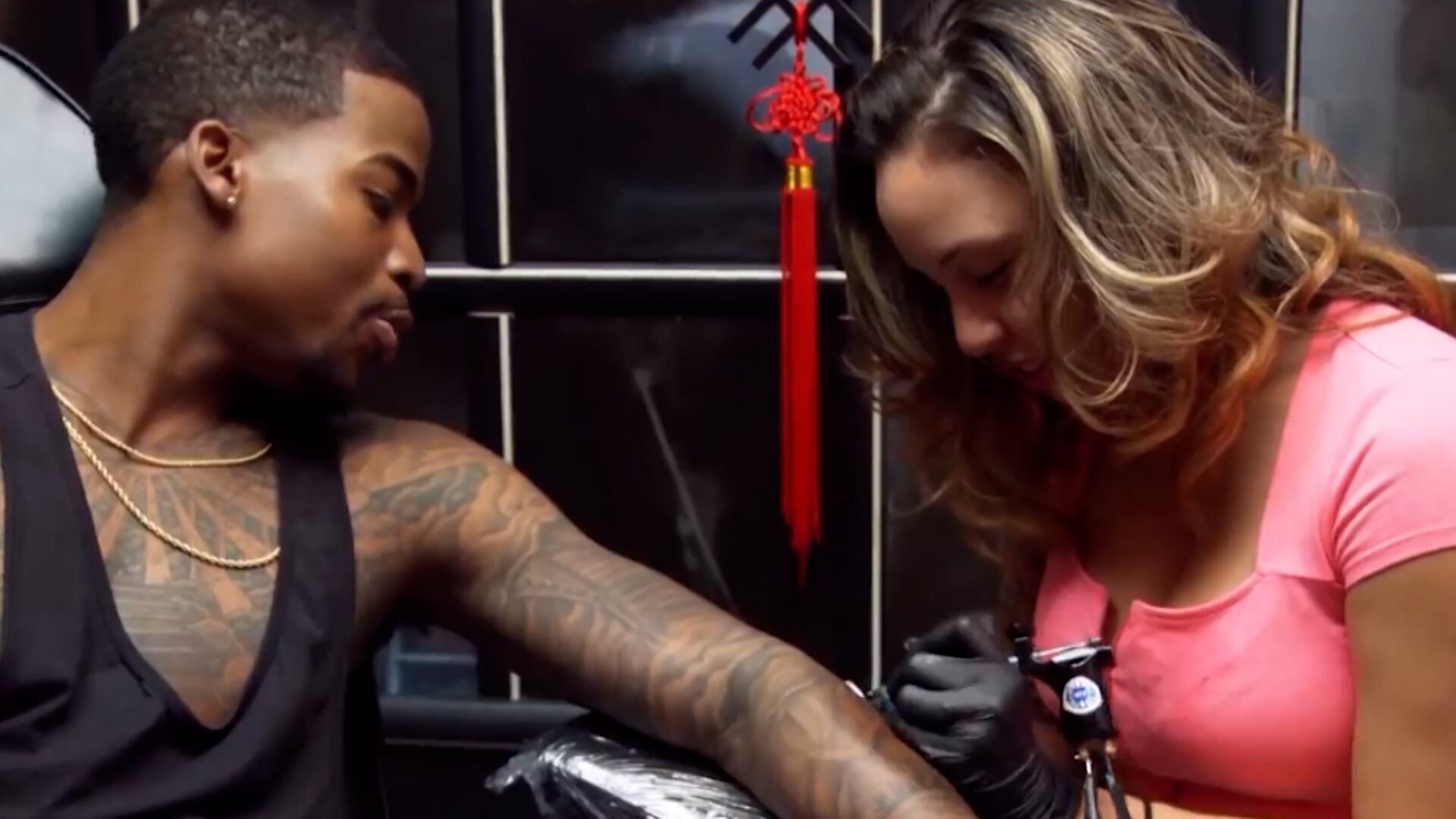
Tattoo artist Katrina "Kat Tat" Jackson, famous for starring in the VH1 hit series "Black Ink Crew: Chicago," is also the first Black woman to own a tattoo shop in Beverly Hills. She joined Cheddar News to discuss her trailblazing work, the stigma BIPOC tattoo artists face in the industry, and the way the space has changed for artists of color since her start. "In the beginning, I remember walking into a tattoo shop just like, hey, I wanna learn, I wanna be a tattoo artist and kind of just being laughed at, not taken seriously," she said. "Even with the tattoo conventions, a lot of African American tattoo artists were almost scared to go to conventions because it's not a welcoming environment."