Machines Vs. Humans: The Impact of A.I. on Society
It's been over 200 years since the industrial revolution, and we could be in the midst of a cybernetics revolution as machines and humans become more and more interwoven. Mazin Gilbert, VP of AT&T Labs, was with us to discuss whether the Cybernetics Revolution will be more disruptive than the Industrial Revolution.
Just like the Industrial Revolution, which marked the beginning of automation and retooling of machinery and the workforce, the Cybernetics Revolution is changing the way society works. Only now, the automation is software-centric and even more data-driven, allowing AI to self-repair and continuously self-optimize to become more intelligent. Gilbert explained the ways data and automation are changing the way we work and how there's a re-teaching of skills in the workforce underway.
There's an ongoing debate between Zuckerberg and Musk on the impact of A.I. on society. Just like any technology, Gilbert said there are always both benefits and things we have to watch out for. Without search, he said we would not know what to do as a community.
Nearly 30,000 people in Mississippi were dropped from the state's Medicaid program after an eligibility review that the government ended during the pandemic.
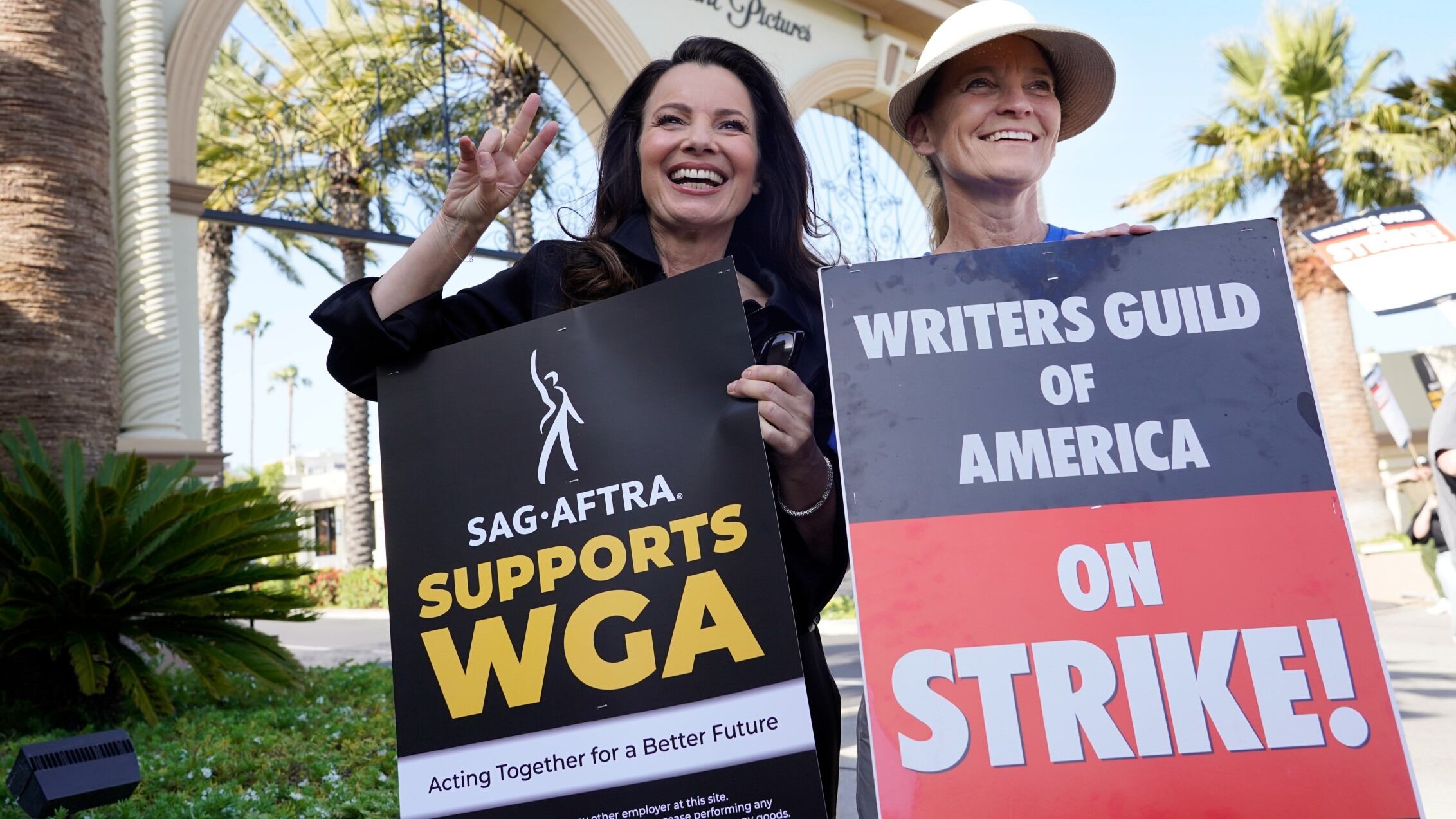
Unionized Hollywood actors on the verge of a strike have agreed to allow a last-minute intervention from federal mediators but say they doubt a deal will be reached by a negotiation deadline late Wednesday.
Squeezed by painfully high prices for two years, America’s households have gained some much-needed relief with inflation reaching its lowest point since early 2021 — 3% in June compared with a year earlier — thanks in part to easing prices for gasoline, airline fares, used cars and groceries.
A federal judge has handed Microsoft a major victory by declining to block its looming $69 billion takeover of video game company Activision Blizzard. Regulators sought to ax the deal saying it will hurt competition.
Bank of America will reimburse customers more than $100 million and pay $150 million in fines for “double-dipping” on overdraft fees, withholding reward bonuses on credit cards and opening accounts without customer consent.