Machines Vs. Humans: The Impact of A.I. on Society
It's been over 200 years since the industrial revolution, and we could be in the midst of a cybernetics revolution as machines and humans become more and more interwoven. Mazin Gilbert, VP of AT&T Labs, was with us to discuss whether the Cybernetics Revolution will be more disruptive than the Industrial Revolution.
Just like the Industrial Revolution, which marked the beginning of automation and retooling of machinery and the workforce, the Cybernetics Revolution is changing the way society works. Only now, the automation is software-centric and even more data-driven, allowing AI to self-repair and continuously self-optimize to become more intelligent. Gilbert explained the ways data and automation are changing the way we work and how there's a re-teaching of skills in the workforce underway.
There's an ongoing debate between Zuckerberg and Musk on the impact of A.I. on society. Just like any technology, Gilbert said there are always both benefits and things we have to watch out for. Without search, he said we would not know what to do as a community.
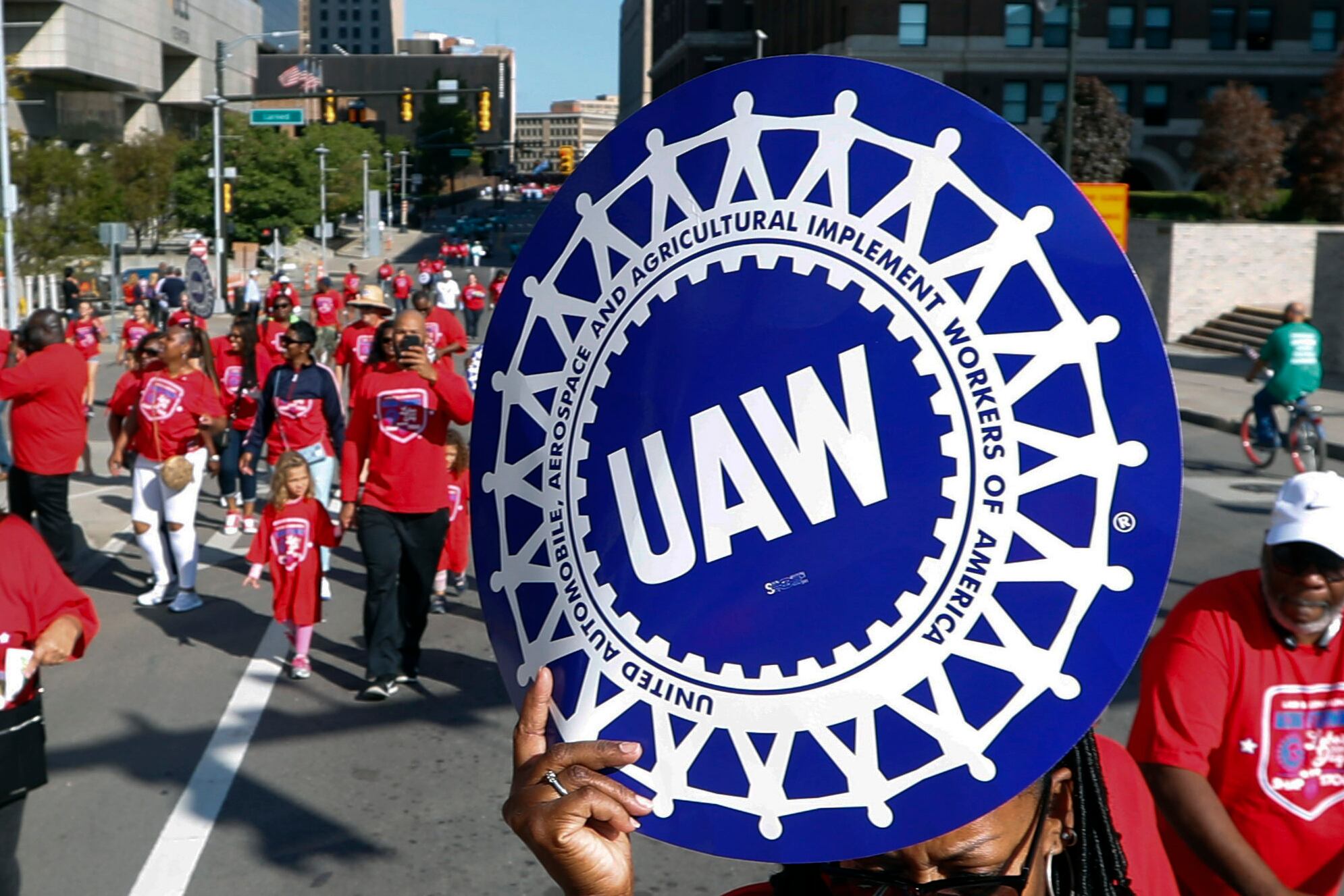
UAW president Shawn Fain said the union would strike at a small number of Ford, General Motors and Stellantis factories, but that if the Big Three "continue to give us insulting offers, then our strike is going to continue to grow."
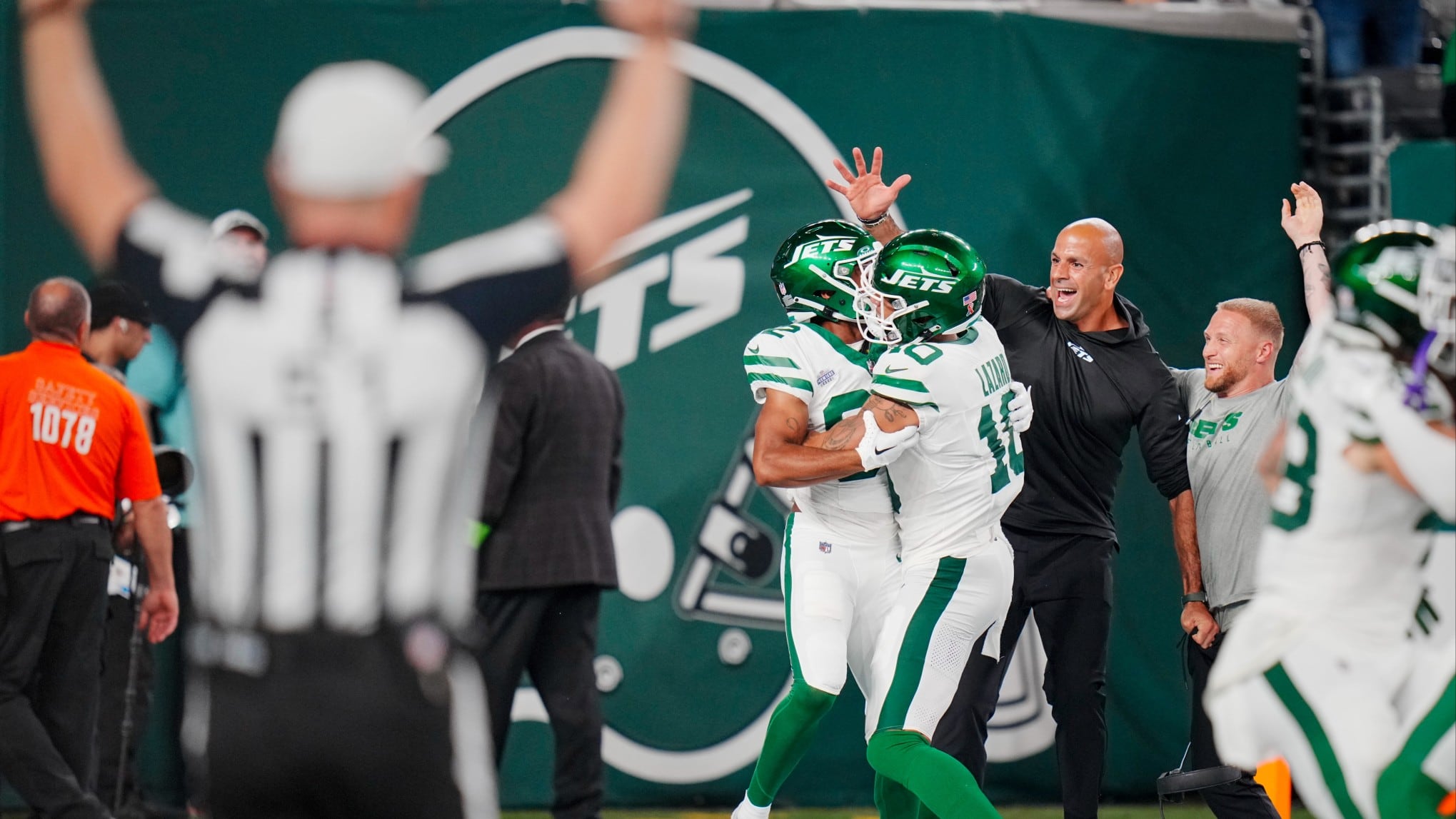
Hundreds of Milwaukee bar patrons who hoped to score free drinks through its offer to pay their tabs whenever the New York Jets, and former Green Bay Packers quarterback Aaron Rodgers, lose had to pay up after the Jets got an overtime win despite an injury that took Rodgers out of the game.
The HBCU Transformation Project, a coalition of 40 historically Black colleges and universities, on Wednesday announced a $124 million gift from philanthropic funders Blue Meridian Partners to increase enrollment, graduation rates and employment rates for the schools' graduates.