Machines Vs. Humans: The Impact of A.I. on Society
It's been over 200 years since the industrial revolution, and we could be in the midst of a cybernetics revolution as machines and humans become more and more interwoven. Mazin Gilbert, VP of AT&T Labs, was with us to discuss whether the Cybernetics Revolution will be more disruptive than the Industrial Revolution.
Just like the Industrial Revolution, which marked the beginning of automation and retooling of machinery and the workforce, the Cybernetics Revolution is changing the way society works. Only now, the automation is software-centric and even more data-driven, allowing AI to self-repair and continuously self-optimize to become more intelligent. Gilbert explained the ways data and automation are changing the way we work and how there's a re-teaching of skills in the workforce underway.
There's an ongoing debate between Zuckerberg and Musk on the impact of A.I. on society. Just like any technology, Gilbert said there are always both benefits and things we have to watch out for. Without search, he said we would not know what to do as a community.
The number of Americans applying for unemployment benefits fell sharply last week, a sign that U.S. job market remains resilient despite higher interest rates.
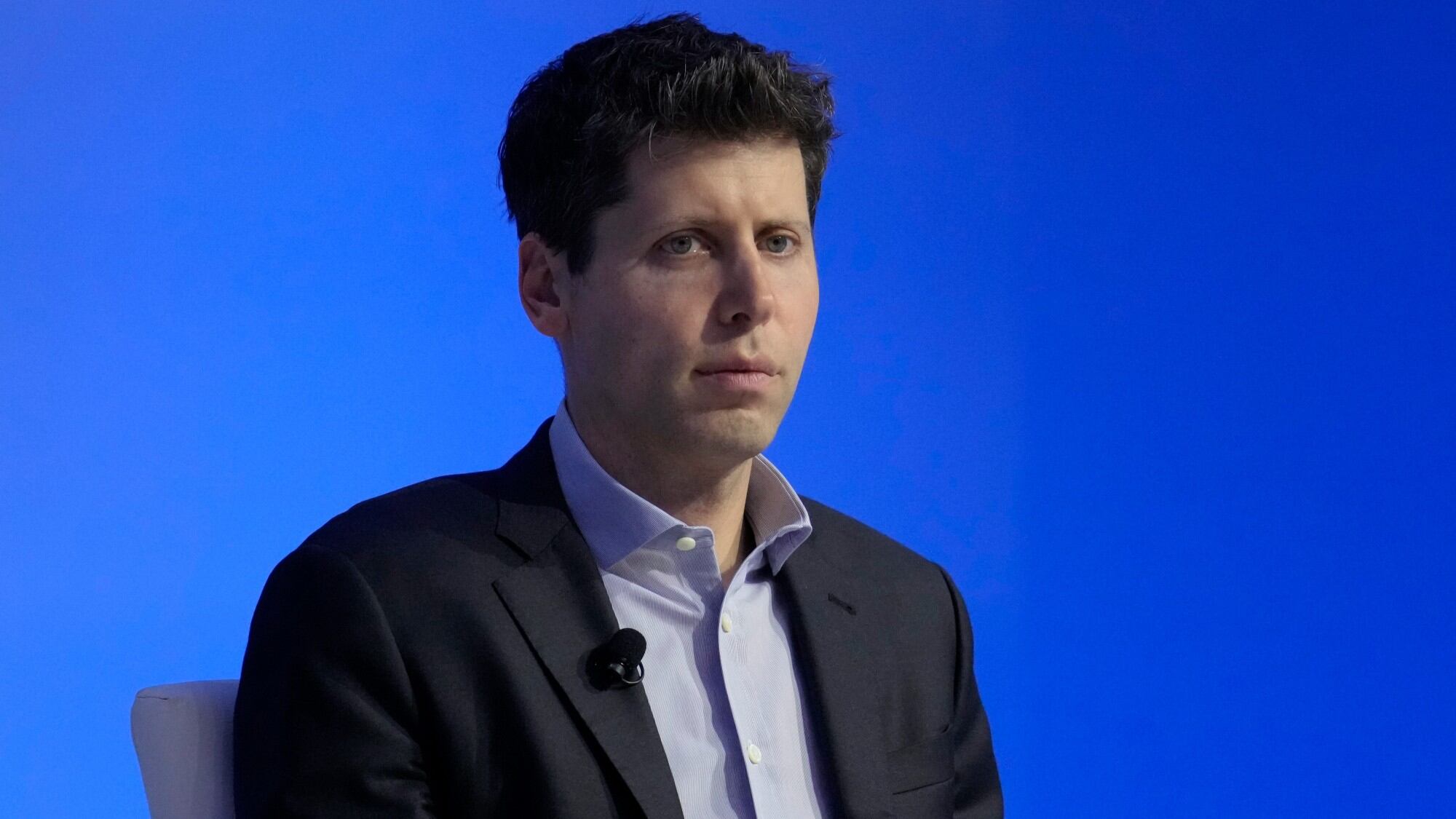
The ousted leader of ChatGPT-maker OpenAI is returning to the company that fired him late last week, culminating a days-long power struggle that shocked the tech industry and brought attention to the conflicts around how to safely build artificial intelligence.
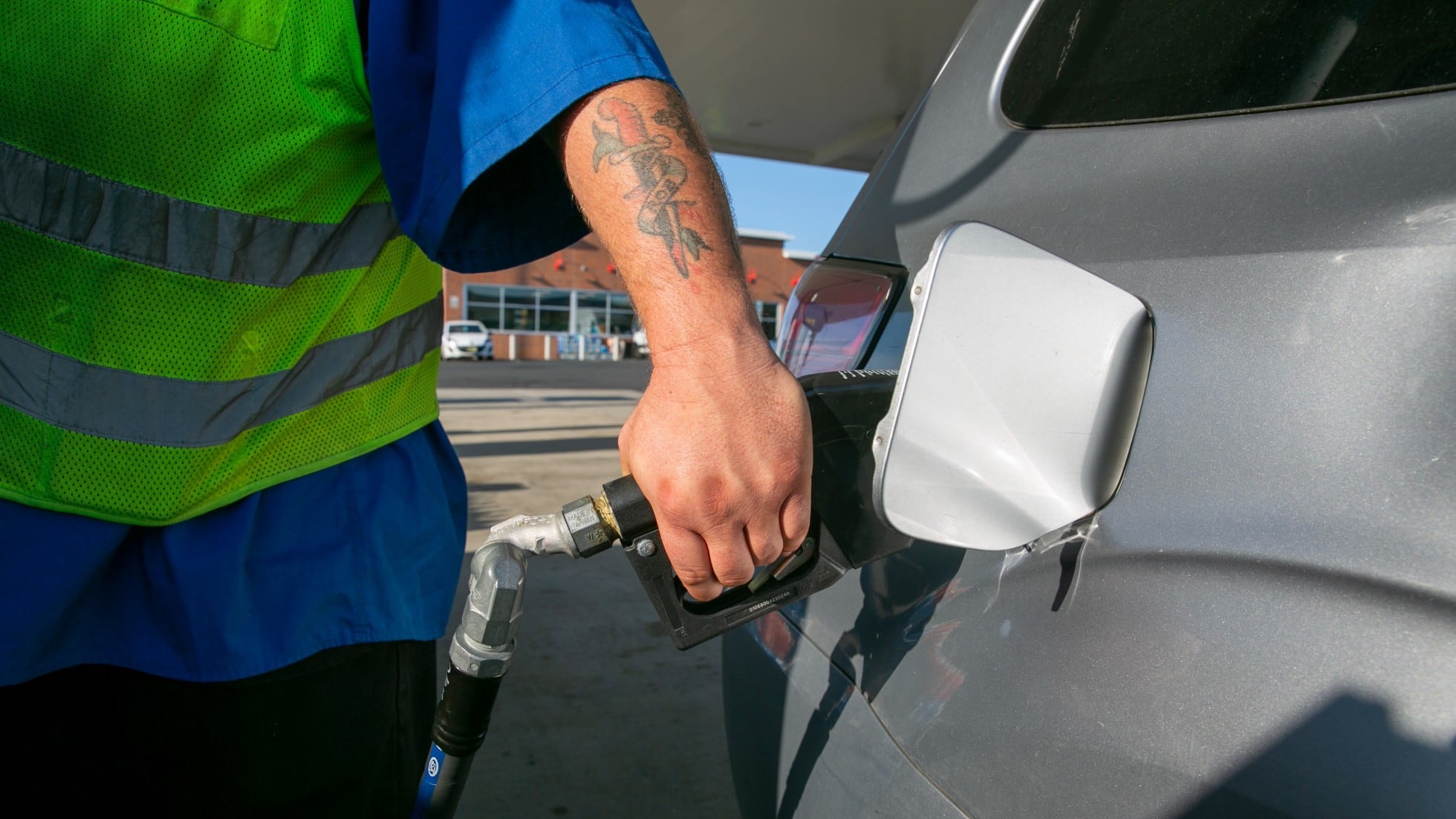
New Jersey will prohibit the sale of new gasoline-powered vehicles by 2035 as part of an effort to improve air quality and reduce planet-warming pollutants, officials announced Tuesday.
The founder of Binance, the world’s largest cryptocurrency exchange, pleaded guilty Tuesday to a felony charge that he failed to take steps to prevent money laundering as the company agreed to pay more than $4 billion following an investigation by the U.S. government.