Machines Vs. Humans: The Impact of A.I. on Society
It's been over 200 years since the industrial revolution, and we could be in the midst of a cybernetics revolution as machines and humans become more and more interwoven. Mazin Gilbert, VP of AT&T Labs, was with us to discuss whether the Cybernetics Revolution will be more disruptive than the Industrial Revolution.
Just like the Industrial Revolution, which marked the beginning of automation and retooling of machinery and the workforce, the Cybernetics Revolution is changing the way society works. Only now, the automation is software-centric and even more data-driven, allowing AI to self-repair and continuously self-optimize to become more intelligent. Gilbert explained the ways data and automation are changing the way we work and how there's a re-teaching of skills in the workforce underway.
There's an ongoing debate between Zuckerberg and Musk on the impact of A.I. on society. Just like any technology, Gilbert said there are always both benefits and things we have to watch out for. Without search, he said we would not know what to do as a community.
Brad Bernstein, managing director at UBS Private Wealth Management breaks down the state of the U.S. economy and what to expect from Fed policy from the rest of the year.
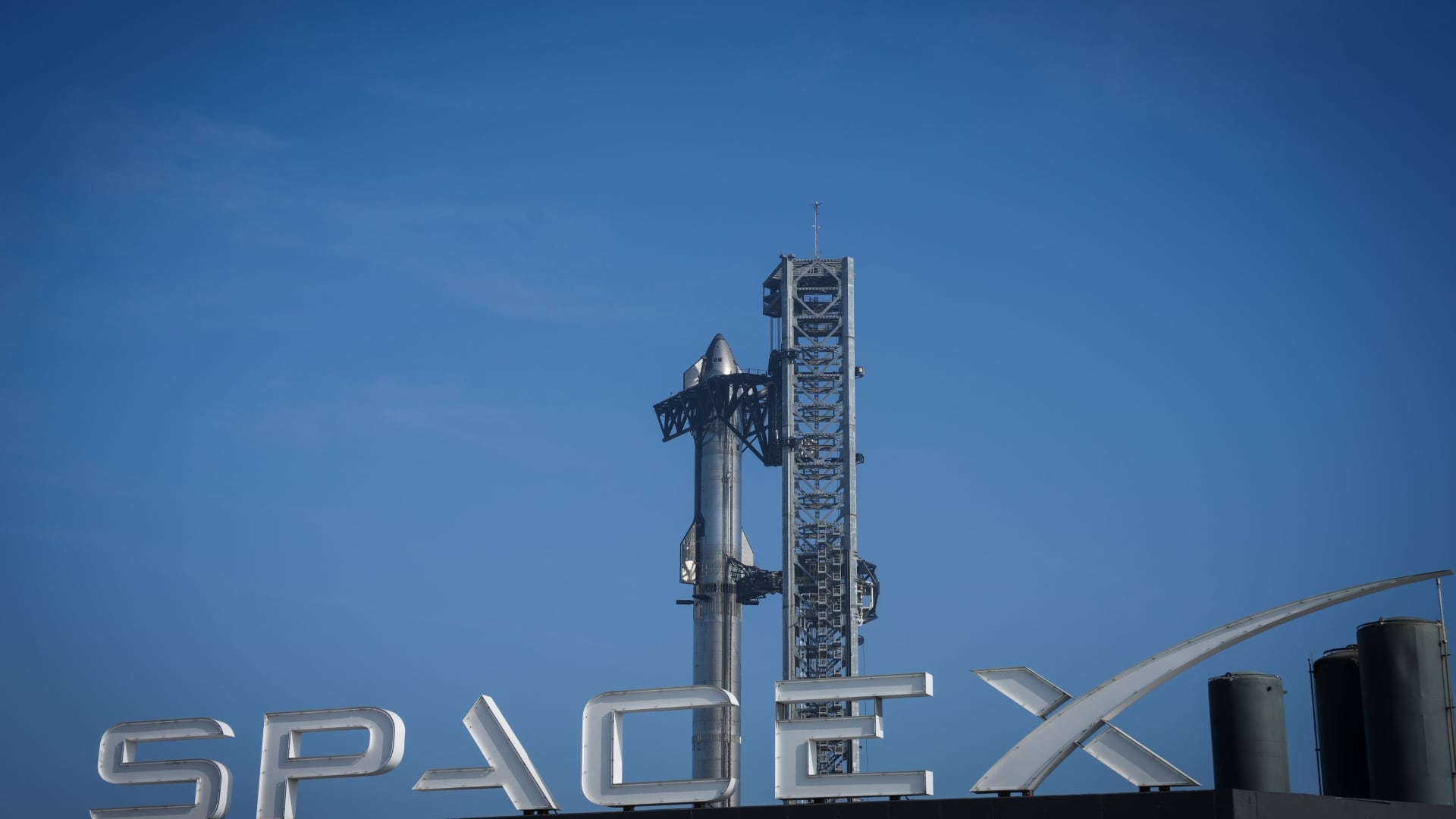
SpaceX Investor Chad Anderson discusses Starship's latest test flight, what's next, and why he thinks Elon Musk's leadership sent the company in the right direction.
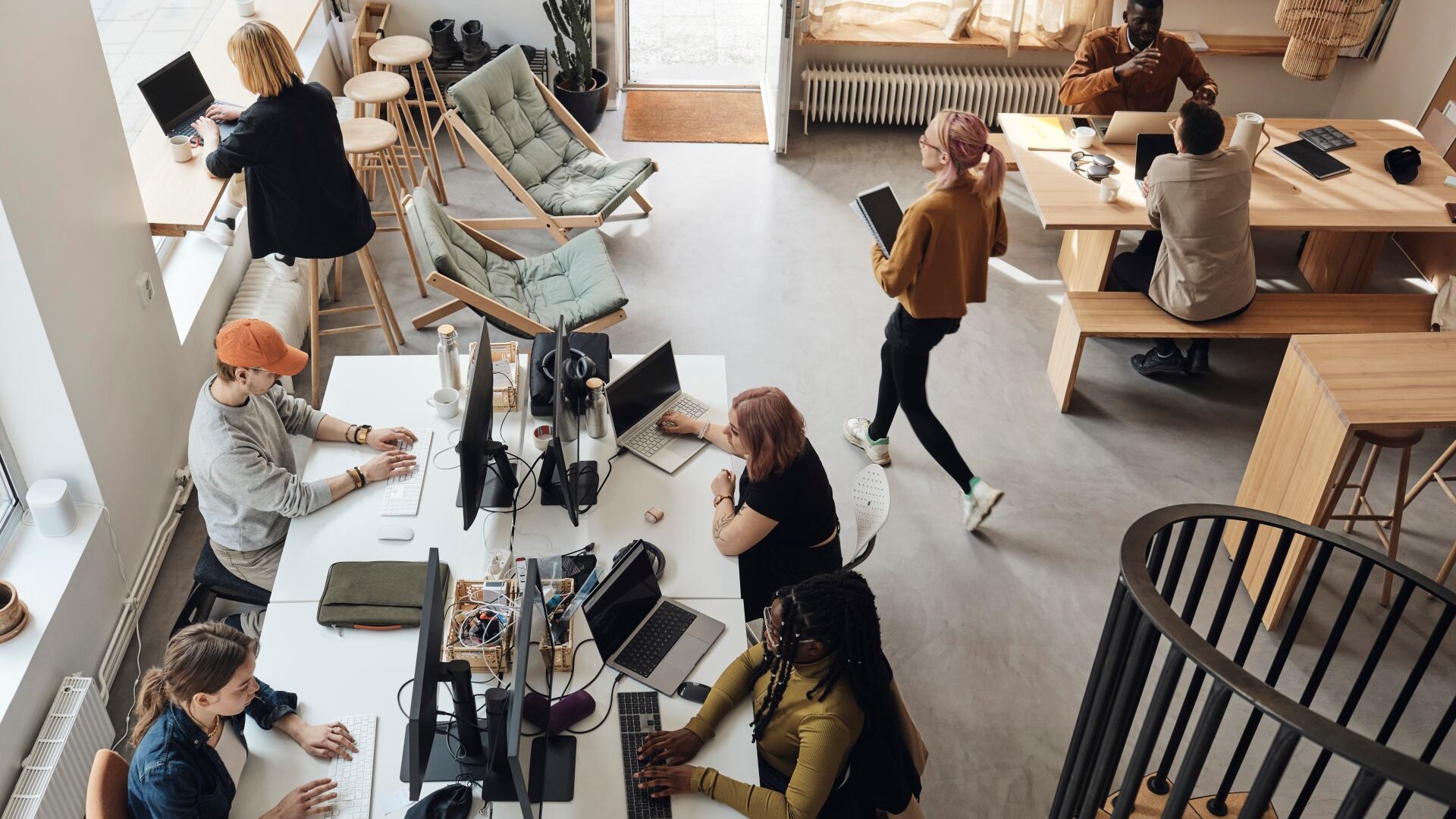
Dilip Rao, CEO of Sharebite, explains how his startup wants to normalize companies feeding their workers, the role of the private sector in public concerns, and more.
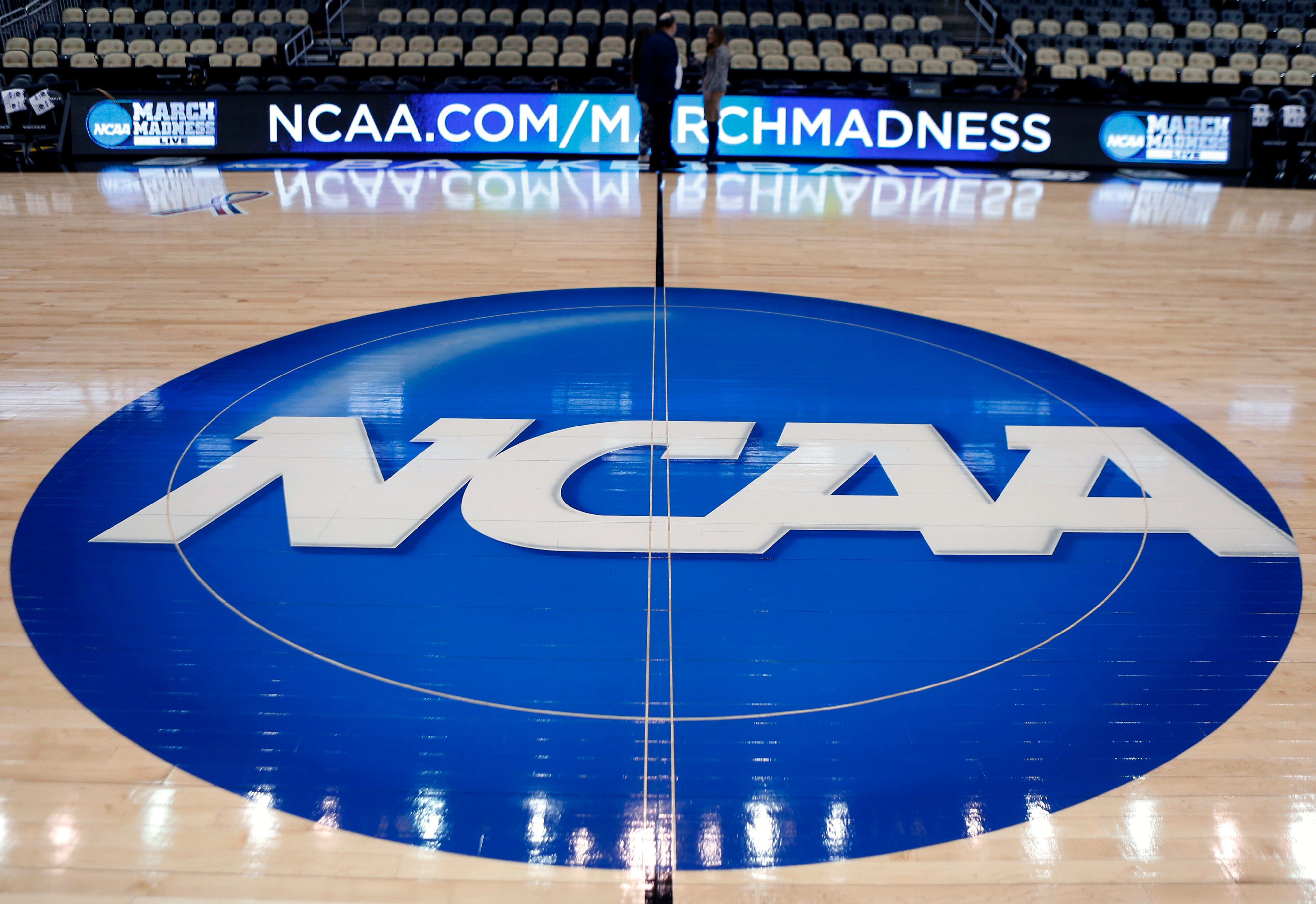
Athlete compensation, player unions and realignment dominate discussions — everything in college sports is open for discussion, interpretation and adjustment.
Sola Mahfouz and Malaina Kapoor, authors of 'Defiant Dreams: The Journey of an Afghan Girl Who Risked Everything for Education' discuss how Sola overcame the Taliban to get an education.