Lyft Takes Next Step to Go Public, Registers for IPO
*By Carlo Versano*
Lyft filed for its initial public offering in a confidential registration [statement](http://pdf.reuters.com/htmlnews/htmlnews.asp?i=43059c3bf0e37541&u=urn:newsml:reuters.com:20181206:nPn2d3W3Ja.) with the Securities and Exchange Commission, it announced in a [press release](https://www.prnewswire.com/news-releases/lyft-announces-confidential-submission-of-draft-registration-statement-for-proposed-initial-public-offering-300761224.html) Thursday morning.
The ride-hailing company said it has not yet determined the number of shares or price range for the IPO.
The company's statement is the first official step in becoming a public company. Lyft had previously lined up the banks, reportedly JPMorgan and Jeffries, that will do the deal. It now must wait for the SEC to complete its review before it can initiate the offering. The company was most recently valued around $15 billion, and a successful float could raise that number.
The IPO is expected to commence in the first half of 2019. Rival Uber also has an IPO in the works, which is sure to eclipse Lyft's valuation when it is priced. Uber has been speculated to be worth as much as $120 billion.
For Lyft, "there's a lot of advantages to going first" said Maya Kosoff of Vanity Fair.
Lyft is closer to profitability than Uber (though neither is there yet), benefits from better PR, and any regulatory changes that stem from Lyft's rollout could affect Uber's valuation, Kosoff noted.
Lyft, which only operates in North America, has sought to diversify from ride-hailing, and recently acquired Motivate, the country's largest bike-share operator. It is also piloting electric scooters in select markets. Uber has made similar moves, though both companies get the lion's share of their revenues from the commissions generated from the car rides users book on their apps.
Garrett Nelson, Senior Analyst and VP of Equity Research at CFRA Research, joins Cheddar News' Closing Bell, where he breaks down where automakers like Ford, Tesla, Rivian, and Lucid currently stand at the start of 2022 and what we should expect to transpire in the upcoming year.
Fintech startup Milo has launched what it says to be the world's first crypto mortgage. As part of the offering, clients will be able to use Bitcoin as collateral to purchase property and qualify for a 30-year loan. Josip Rupena, CEO and Founder of Milo, joins Cheddar News' Closing Bell, where he explains how this offering is a winning solution for crypto investors who want to invest in real estate.
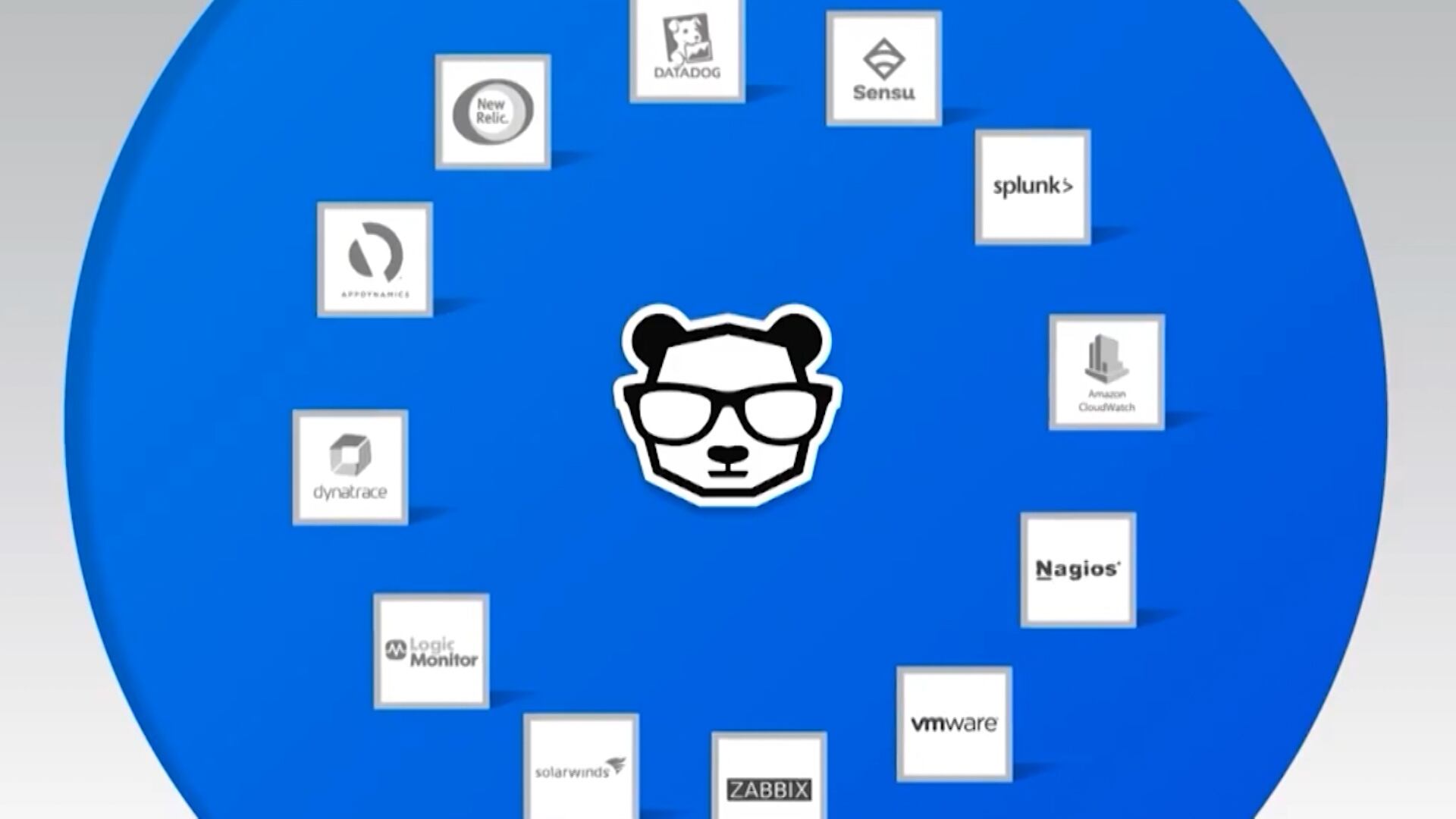
Software company BigPanda recently raised $190 million in Series D funding, led by Advent International and Insight Partners. The funding round gives the company unicorn status with a $1.2 billion valuation. BigPanda develops A.I. software that detects and analyzes problems in I.T. systems. The company says it aims to be the solution for other companies that do not have enough manpower to manage their data, as more and more industries continue to build a broader digital presence. BigPanda co-founder and CEO Assaf Resnick joined Cheddar News' Closing Bell to discuss.
AT&T and Verizon have agreed to delay activating their 5G services around airports due to safety concerns. This comes after major U.S. airlines voiced their concern over the rollout of 5G technology, warning of an impending "catastrophic" aviation crisis. Hugh Odom, founder and president of Vertical Consultants, telecom expert, and former AT&T attorney, joined Cheddar Movers to discuss.
Melissa Armo, founder and CEO of The Stock Swoosh, breaks down the factors affecting profitability for banks this year and highlights opportunities within the financial sector.
While more inflation means higher prices, some businesses are looking for alternatives to avoid scaring off their customers. 'Shrinkflation,' a fancy word for downsizing, happens when companies reduce the size or quantity of their products while still charging the same prize... or even more.
Chris Markowski, 'Watchdog on Wall Street' host and president of Markowski Investments, joins Cheddar News to discuss.
The list of banks reducing or cutting overdraft fees has just grown. Both Bank of America and Wells Fargo have announced plans to end non-sufficient funds and overdraft fees. It's a move that economists are calling 'brilliant,' and is sure to hike up the pressure on large national and regional banks to follow in their footsteps. Greg McBride, the chief financial analyst at Bankrate, joins Cheddar News to discuss.
In fashion, the term "nude" is a common description of a shade slightly darker than champagne with a hint of blush or peach, but how does that translate to the wearer's skin tone? One shapewear brand's mission is to make sure "nude" is as inclusive as possible. Erin Carpenter, founder of Nude Barre, joined All Hands to discuss.
Tech giants Meta, Amazon, Alphabet, and Apple are faced with a bipartisan antitrust legislation effort underway in the Senate Judiciary Committee. The companies stand accused of promoting their own goods and services over smaller competitors on their platforms, holding too much monopolistic power via their app stores and services. Adam Kovacevich, founder and CEO of Chamber of Progress, a technology industry trade group, joined Cheddar to argue that the bills that are being debated currently could end up hurting consumers, rather than helping.
A saving grace for offices during pandemic lockdowns, video communication platform Zoom announced its own plans for doors to reopen from its Work Transformation Summit 2022. Dubbed Workstyles, CFO Kelly Steckelberg joined Cheddar to discuss the self-reported, tiered levels for how employees will be reporting going forward, from the majority of workers going hybrid to personnel who will work fully from home or the office where it makes sense. Steckelberg also talked about the company's plans for the future, stating “what we can control is our own execution," as Zoom's stock hit a 52-week low.