Lyft Takes Next Step to Go Public, Registers for IPO
*By Carlo Versano*
Lyft filed for its initial public offering in a confidential registration [statement](http://pdf.reuters.com/htmlnews/htmlnews.asp?i=43059c3bf0e37541&u=urn:newsml:reuters.com:20181206:nPn2d3W3Ja.) with the Securities and Exchange Commission, it announced in a [press release](https://www.prnewswire.com/news-releases/lyft-announces-confidential-submission-of-draft-registration-statement-for-proposed-initial-public-offering-300761224.html) Thursday morning.
The ride-hailing company said it has not yet determined the number of shares or price range for the IPO.
The company's statement is the first official step in becoming a public company. Lyft had previously lined up the banks, reportedly JPMorgan and Jeffries, that will do the deal. It now must wait for the SEC to complete its review before it can initiate the offering. The company was most recently valued around $15 billion, and a successful float could raise that number.
The IPO is expected to commence in the first half of 2019. Rival Uber also has an IPO in the works, which is sure to eclipse Lyft's valuation when it is priced. Uber has been speculated to be worth as much as $120 billion.
For Lyft, "there's a lot of advantages to going first" said Maya Kosoff of Vanity Fair.
Lyft is closer to profitability than Uber (though neither is there yet), benefits from better PR, and any regulatory changes that stem from Lyft's rollout could affect Uber's valuation, Kosoff noted.
Lyft, which only operates in North America, has sought to diversify from ride-hailing, and recently acquired Motivate, the country's largest bike-share operator. It is also piloting electric scooters in select markets. Uber has made similar moves, though both companies get the lion's share of their revenues from the commissions generated from the car rides users book on their apps.
Dave Burg, EY Americas Cybersecurity Leader, joins Cheddar News to discuss the rise of quantum computing and how it can compromise existing security measures at play today, and what the timeline looks like for quantum computing to become a reality.
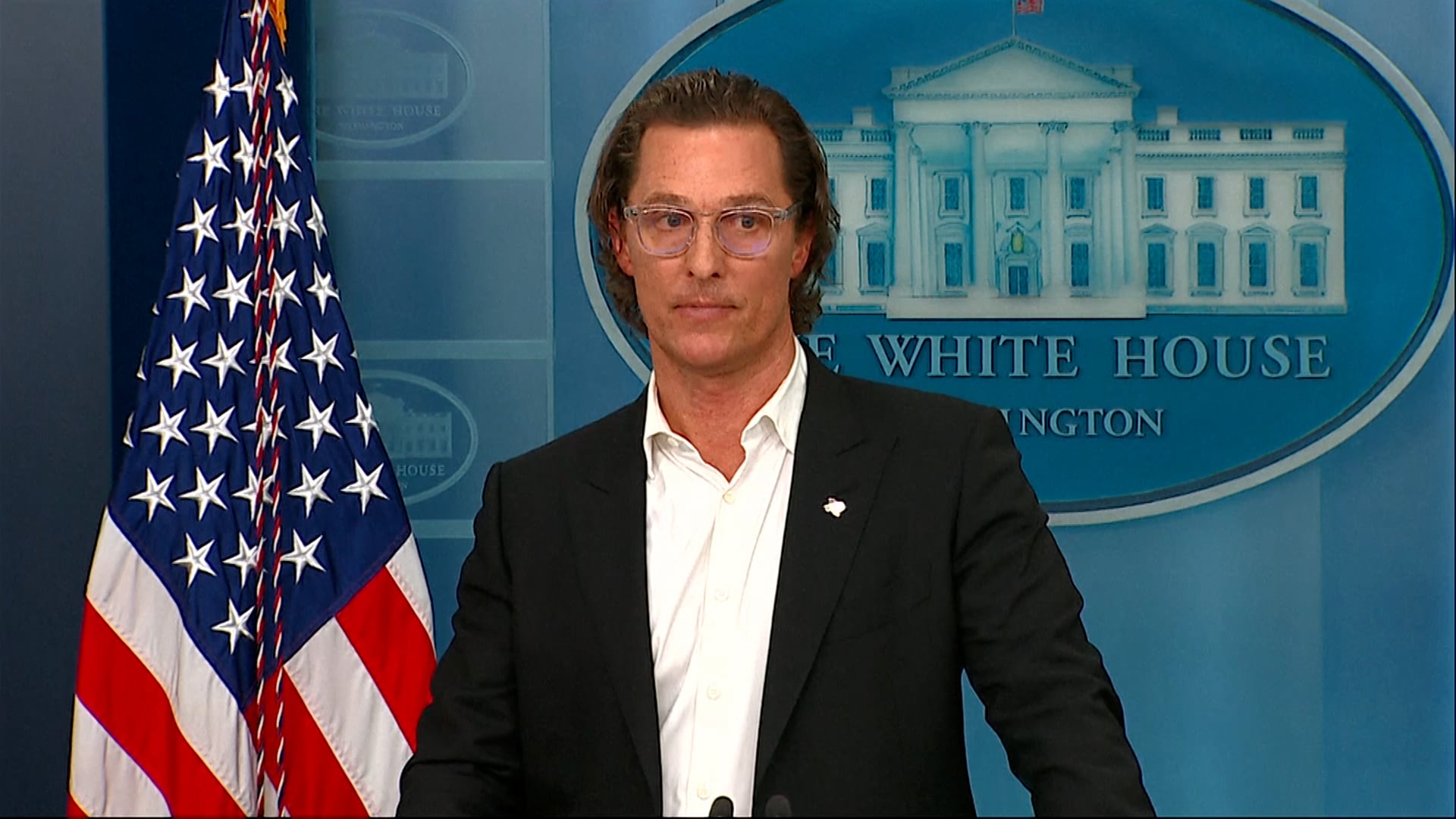
Getting you caught up on the stories you need to know this morning: Matthew McConaughey lends his voice to the gun control fight in congress, at least 30 people were injured in Germany after a car plows into a crowd, and a new weight loss drug shows promising results.
Michelle Bond, CEO of the Association for Digital Asset Markets, joins Closing Bell, where she breaks down the Responsible Financial Innovation Act, which would not only establish a regulatory structure for digital assets, but hand over crypto oversight to the CFTC instead of the SEC.
Caleb Silver, Editor-in-Chief at Investopedia, joined Closing Bell to break down what Target's lowered forecast means for the retail industry ahead of Friday's CPI report.
Jim Corridore, Senior Insights Manager at Similarweb, joined Closing Bell to break down the competing offers from JetBlue and Frontier as both airlines look to join forces with Spirit Airlines.
Child care marketplace startup Kinside announced raising $12 million in a Series A round led by venture capitalists who are mothers themselves. The company aids parents searching for affordable child care easier by providing concierge support in a marketplace of verified professionals and helping them tap into flexible spending accounts (FSA) and other benefits. Founder and CEO Shadiah Sigala joined Cheddar News to talk about the fresh funds and the ongoing effects of the pandemic on the care of young children.
Apple revealed its plans for new IOS software, products, and more at its Worldwide Developers Conference. However, new features added to iMessage, including options to delete and edit already sent text messages, stole the show.
Hyatt Hotels released new data showing just how seriously consumers are looking at summer 2022 for revenge travel following previous disruptions from the pandemic. Joan Bottarini, CFO of the hotel chain, joined Cheddar News to break down the report. "We've got on the books a 15 percent increase on a global basis in demand over the summer months from June to August," she explained.