Lyft Takes Next Step to Go Public, Registers for IPO
*By Carlo Versano*
Lyft filed for its initial public offering in a confidential registration [statement](http://pdf.reuters.com/htmlnews/htmlnews.asp?i=43059c3bf0e37541&u=urn:newsml:reuters.com:20181206:nPn2d3W3Ja.) with the Securities and Exchange Commission, it announced in a [press release](https://www.prnewswire.com/news-releases/lyft-announces-confidential-submission-of-draft-registration-statement-for-proposed-initial-public-offering-300761224.html) Thursday morning.
The ride-hailing company said it has not yet determined the number of shares or price range for the IPO.
The company's statement is the first official step in becoming a public company. Lyft had previously lined up the banks, reportedly JPMorgan and Jeffries, that will do the deal. It now must wait for the SEC to complete its review before it can initiate the offering. The company was most recently valued around $15 billion, and a successful float could raise that number.
The IPO is expected to commence in the first half of 2019. Rival Uber also has an IPO in the works, which is sure to eclipse Lyft's valuation when it is priced. Uber has been speculated to be worth as much as $120 billion.
For Lyft, "there's a lot of advantages to going first" said Maya Kosoff of Vanity Fair.
Lyft is closer to profitability than Uber (though neither is there yet), benefits from better PR, and any regulatory changes that stem from Lyft's rollout could affect Uber's valuation, Kosoff noted.
Lyft, which only operates in North America, has sought to diversify from ride-hailing, and recently acquired Motivate, the country's largest bike-share operator. It is also piloting electric scooters in select markets. Uber has made similar moves, though both companies get the lion's share of their revenues from the commissions generated from the car rides users book on their apps.
Meta announced its plans to join the Cannes Lions International Festival of Creativity. This is leaving businesses and customers wondering what the tech giant has in store for the event. Nicola Mendelsohn, the vice president of the global business group at Meta, joined Cheddar News to preview what the tech giant will discuss at this year's festival. "We're going to be showcasing more about reels. We're going to be talking about our commerce solutions, are messaging solutions, and of course, the method of us speaking of new ways to kind of connect with customers," she said.
On today's episode of On The Job: Cheddar gets a look at how the salon and beauty industry has pivoted throughout the pandemic; Mark Brim, President of Aquent's Recruiting Division Vitamin T, breaks down how remote work has transformed hiring and recruiting process across the board;
Julie Bauke, President & Chief Career Strategist at The Bauke Group, breaks down why companies are being 'ghosted' by new hires, and what repercussions can come from this.
Mark Brim, President of Aquent's Recruiting Division Vitamin T, joins On The Job to discuss how remote work has transformed hiring and recruiting process across the board, and the latest trends surrounding remote hiring across the globe.
Julie Bauke, President & Chief Career Strategist, The Bauke Group, joins Cheddar to discuss the phenomenon of new hires accepting jobs and quitting before their first day of work, and how ghosting one company may come back to bite you when you find a job you really want.
Miami's real estate market has boomed since early 2020, thanks to an overall strong housing market, remote work, and no income tax as incentives. The city is preparing to welcome even more residents as people relocate to warmer climates to work from home. Garrett Derderian, director of market intelligence at SERHANT, joined Cheddar to discuss the Magic City's red hot market.
Paul Tracey, Founder & CEO of Innovative Technologies, and author of 'Delete The Hacker Playbook' and 'Cyber Storm', joins Cheddar to discuss the most effective ways to protect small businesses from cyber attacks, the labor shortage's effects on cybercrime, and how businesses and employees can stay cyber secure while working from home.
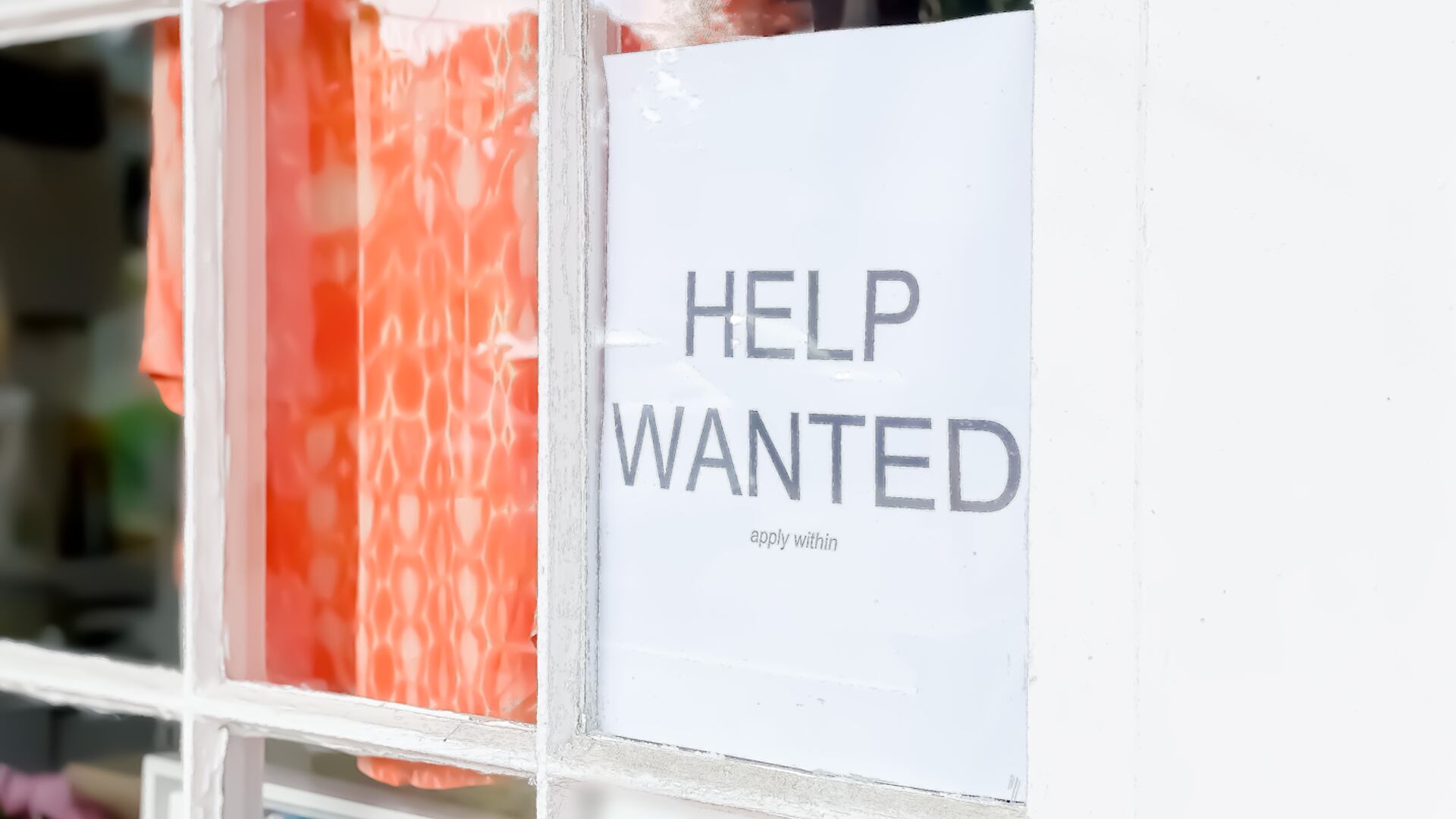
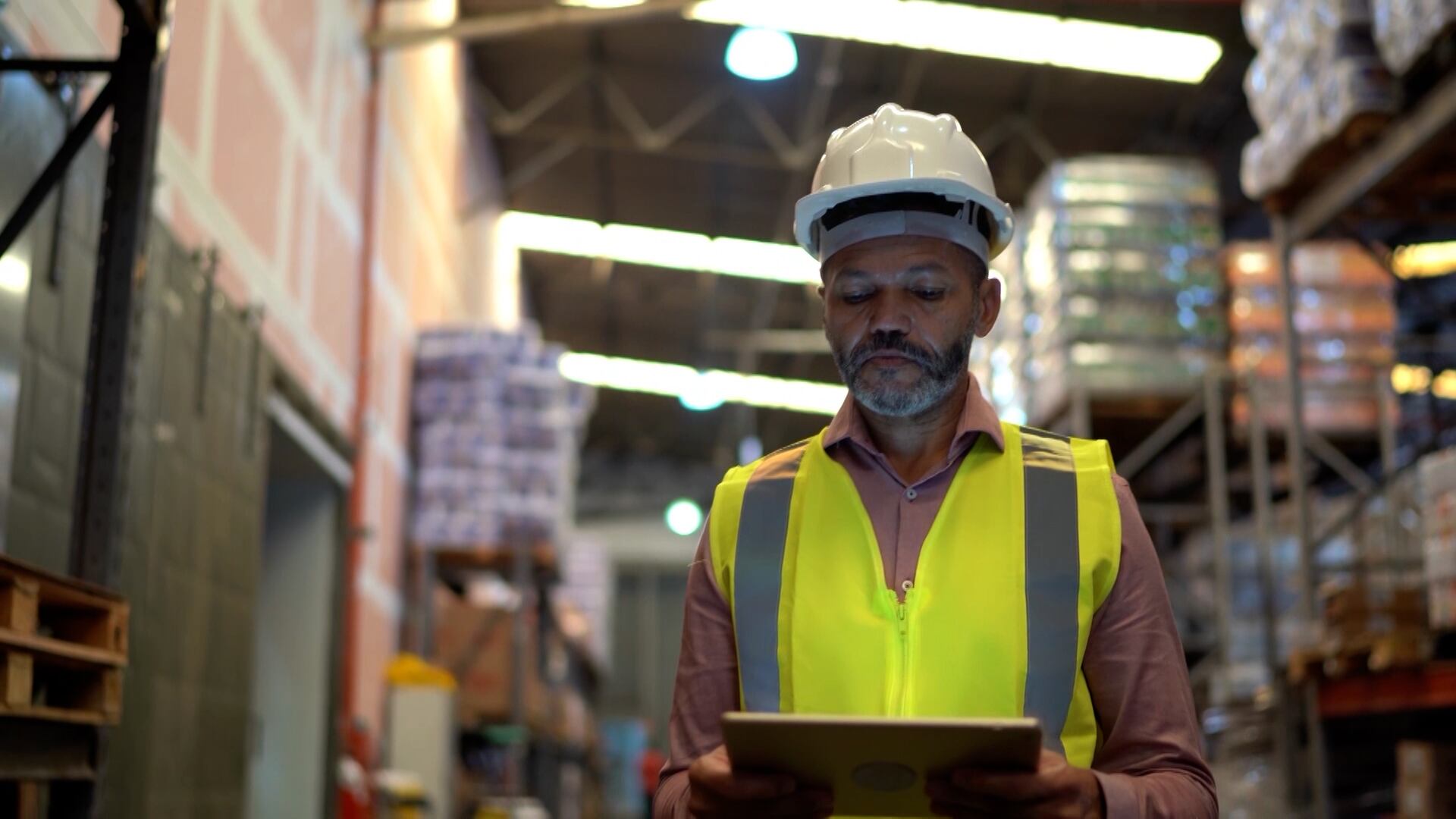
A lot has changed since the pandemic began back in march 2020. COVID-19 caused a huge disruption in the U.S. labor force that is just beginning to normalize. As of last month, about 96% of jobs lost in the pandemic have returned. Still, where people work now looks very different from two years ago. Cheddar's Shannon Lanier looks at where the jobs are now and where they aren't.