Lower-Income Teens Rely on Facebook More Than Wealthier Peers
*By Amanda Weston*
Teens whose families earn $30,000 or less a year are more likely to rely on Facebook than their wealthier peers. [A Pew Research Center survey](https://qz.com/1355827/do-teens-use-facebook-it-depends-on-their-familys-income/) reported 70 percent of teens in lower-income households still use the platform, compared with only 36 percent of teens in the $75,000 and up bracket.
"A lot of them have to do with resilience and how teens use Facebook to kind of get ahead," said Hanna Kozlowska, a reporter at Quartz. "So they use it for networking for example, because they might not have as much resources as wealthier teens."
About half of all teenagers use Facebook, but Kozlowska said that lower-income students who may not have as much access to resources turn to the social platform to get in touch with teachers, ask for homework help, and create a support network. Their older relatives are also more likely to be on the platform.
The teens who are still on Facebook may not want to spend as much time there as they do, said Kozlowska, and their numbers could dwindle if the adults they usually connect with age or abandon social media.
"Facebook isn't actively doing anything to kind of help them, to elevate them," Kozlowska said, and that the company didn't respond specifically to the Pew study. "They said, 'Oh, yeah, this is just an example of how an ad-based free network is good' right? They didn't particularly elaborate on that," she said.
Facebook had the biggest differences between three income brackets. Instagram and YouTube were the most consistent.
For full interview, [click here] (https://cms.cheddar.com/videos/VmlkZW8tMjIxODQ=).
Sourceful is an all-in-one platform for sourcing sustainable materials. The startup recently raised $20 million in a Series A round led by Index Ventures. Through its platform, Sourceful helps businesses find and design more eco-friendly packaging and reduce the carbon footprint of their supply chains. Wing Chan, Co-Founder and CEO of Sourceful, joined Cheddar News' Closing Bell to discuss.
Britt Reichborn-Kjennerud, Section Manager for E-Mobility & Demonstrations for Electric Vehicles, Con Edison and
Joe Morreale, Section Manager of EV Demo Projects and Managed Charging & E-Mobility & Demonstrations, Con Edison, join Cheddar News' Ken Buffa from the New York Auto Show to discuss Con Edison's Clean Energy Commitment and the goal to power New York with 100% clean energy through initiatives like the 'SmartCharge' and 'PowerReady' Programs.
Arthur Madrid, CEO of The Sandbox, and Steven Kolb, CEO of CFDA, join Cheddar News to discuss their partnership focused around fashion in the metaverse.
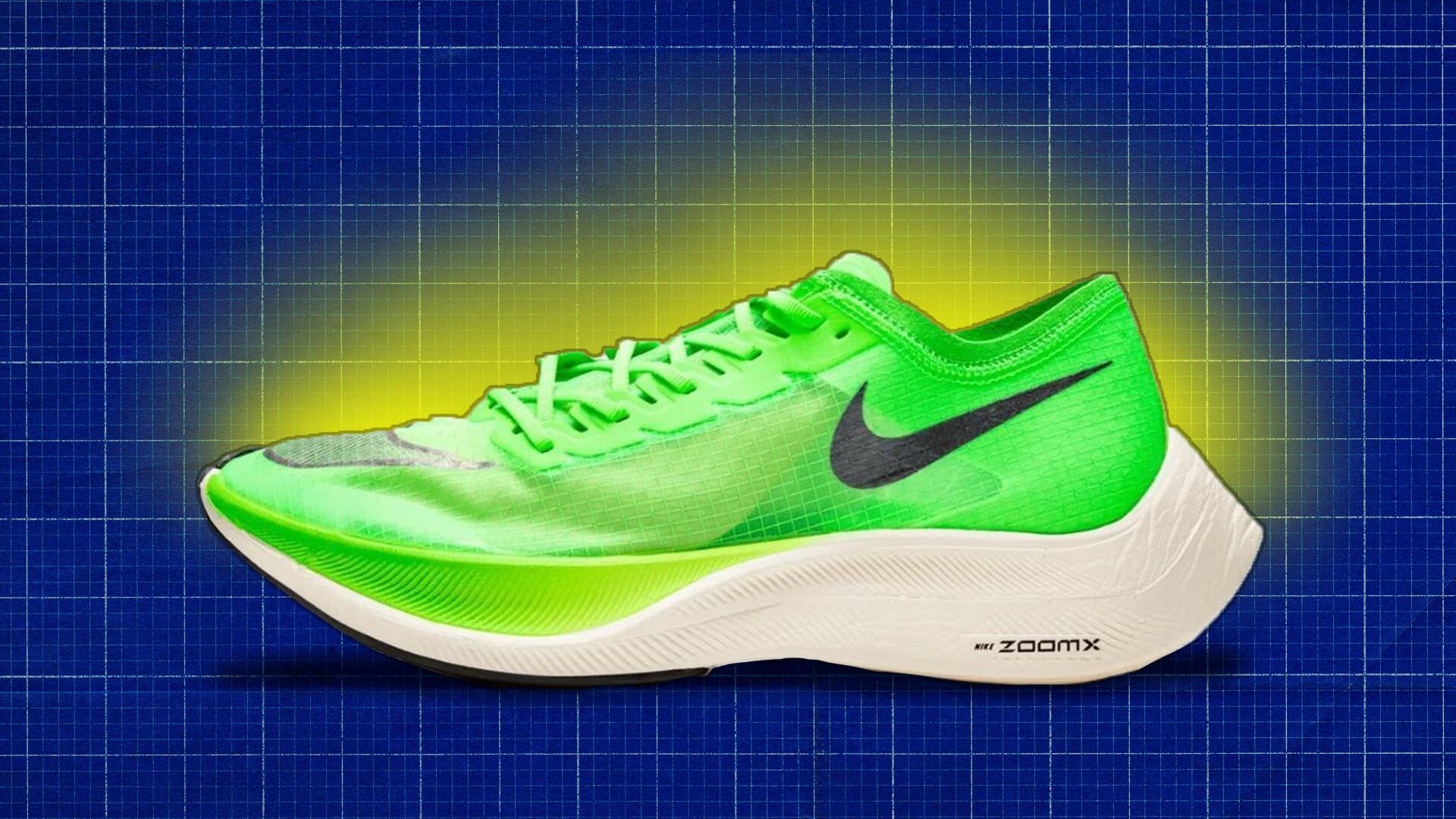
Nike introduced the Vaporfly in the 2016 Olympics to Nike-sponsored athletes, three of whom took the top spots in marathon events. Since then, the shoe has been the weapon of choice of elite athletes like those competing in the 2022 Boston Marathon. Why? Because Nike designed the shoe to literally make you faster. To not wear the Vaporfly has become a disadvantage. So how exactly does this shoe increase speeds and should it even be allowed in competition?
William Antonelli, tech reporter at Insider, joins Cheddar News to discuss Apple store employees' union efforts at the Grand Central location in New York City.
Will Marshall, CEO, Planet, joins Cheddar Reveals to discuss Planet's influence and innovation from agriculture to sustainability using geospatial insights from their constellation of over 200 satellites.
Thomas Zurbuchen, Associate Administrator, NASA Science, joins Cheddar Reveals to break down the future of space exploration and how NASA is innovating this year and into the next decade.