Lower-Income Teens Rely on Facebook More Than Wealthier Peers
*By Amanda Weston*
Teens whose families earn $30,000 or less a year are more likely to rely on Facebook than their wealthier peers. [A Pew Research Center survey](https://qz.com/1355827/do-teens-use-facebook-it-depends-on-their-familys-income/) reported 70 percent of teens in lower-income households still use the platform, compared with only 36 percent of teens in the $75,000 and up bracket.
"A lot of them have to do with resilience and how teens use Facebook to kind of get ahead," said Hanna Kozlowska, a reporter at Quartz. "So they use it for networking for example, because they might not have as much resources as wealthier teens."
About half of all teenagers use Facebook, but Kozlowska said that lower-income students who may not have as much access to resources turn to the social platform to get in touch with teachers, ask for homework help, and create a support network. Their older relatives are also more likely to be on the platform.
The teens who are still on Facebook may not want to spend as much time there as they do, said Kozlowska, and their numbers could dwindle if the adults they usually connect with age or abandon social media.
"Facebook isn't actively doing anything to kind of help them, to elevate them," Kozlowska said, and that the company didn't respond specifically to the Pew study. "They said, 'Oh, yeah, this is just an example of how an ad-based free network is good' right? They didn't particularly elaborate on that," she said.
Facebook had the biggest differences between three income brackets. Instagram and YouTube were the most consistent.
For full interview, [click here] (https://cms.cheddar.com/videos/VmlkZW8tMjIxODQ=).
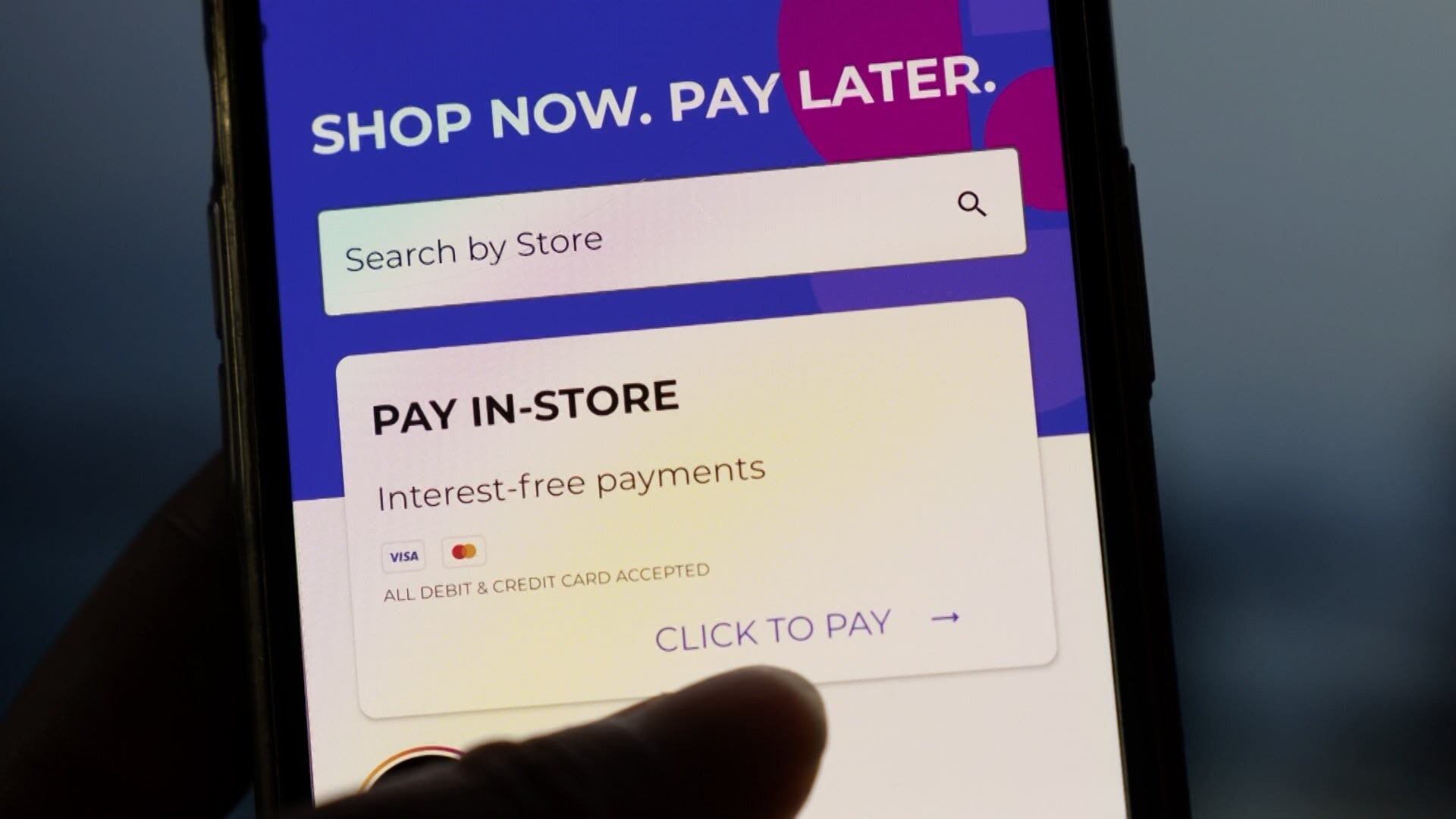
Buy now, pay later — or point-of-sales loans — might be making it difficult to get a handle on your credit. These companies typically do not report payment history during transactions, so without this data going to credit scoring companies, it makes it difficult to know how many loans a customer still needs to pay. Experts are recommend paying off these debts as soon as possible.
As manufacturing and shipping continue to face staffing challenges, robotic replacements are increasingly on their way to plug the gaps. Cheddar's Alex Vuocolo takes a deeper look at the latest trend.
Tiffany Johnson, CEO of Built for Launch, joins ChedHER to discuss the Black Founders Ecom Pledge that provides tools and resources for Black founders to build, launch, and scale a successful e-commerce business.
Tech-enabled residential hospitality company Mint House recently raised $35 million in a Series B round led by Mohari Hospitality. Mint House was described by one of its backers as 'the best of a hotel without the worst of a hotel, and the best of an Airbnb without the worst of an Airbnb.' Mint House offers apartment-style lodging across the country. The company claims its spaces combine the comfort of a home with the luxury of a hotel in order to give guests all of the perks and none of the tradeoffs. Will Lucas, Founder and CEO of Mint House, joins Cheddar News' Closing Bell to discuss.
Social media platforms walk a fine line when it comes to free speech, especially when posts lead to real-life negative consequences. Texas lawmakers are trying to enforce a law that would prohibit platforms from taking any action when it comes to malicious or violent posts, and they insist it does not violate the First Amendment. But the Supreme Court thinks otherwise, at least for now. Matt Schruers, President of the Computer & Communications Industry Association, joins Closing Bell to discuss what threat the Texas law poses to social platforms, why his organization sued over the law, what it could mean for users, and more.