Lower-Income Teens Rely on Facebook More Than Wealthier Peers
*By Amanda Weston*
Teens whose families earn $30,000 or less a year are more likely to rely on Facebook than their wealthier peers. [A Pew Research Center survey](https://qz.com/1355827/do-teens-use-facebook-it-depends-on-their-familys-income/) reported 70 percent of teens in lower-income households still use the platform, compared with only 36 percent of teens in the $75,000 and up bracket.
"A lot of them have to do with resilience and how teens use Facebook to kind of get ahead," said Hanna Kozlowska, a reporter at Quartz. "So they use it for networking for example, because they might not have as much resources as wealthier teens."
About half of all teenagers use Facebook, but Kozlowska said that lower-income students who may not have as much access to resources turn to the social platform to get in touch with teachers, ask for homework help, and create a support network. Their older relatives are also more likely to be on the platform.
The teens who are still on Facebook may not want to spend as much time there as they do, said Kozlowska, and their numbers could dwindle if the adults they usually connect with age or abandon social media.
"Facebook isn't actively doing anything to kind of help them, to elevate them," Kozlowska said, and that the company didn't respond specifically to the Pew study. "They said, 'Oh, yeah, this is just an example of how an ad-based free network is good' right? They didn't particularly elaborate on that," she said.
Facebook had the biggest differences between three income brackets. Instagram and YouTube were the most consistent.
For full interview, [click here] (https://cms.cheddar.com/videos/VmlkZW8tMjIxODQ=).
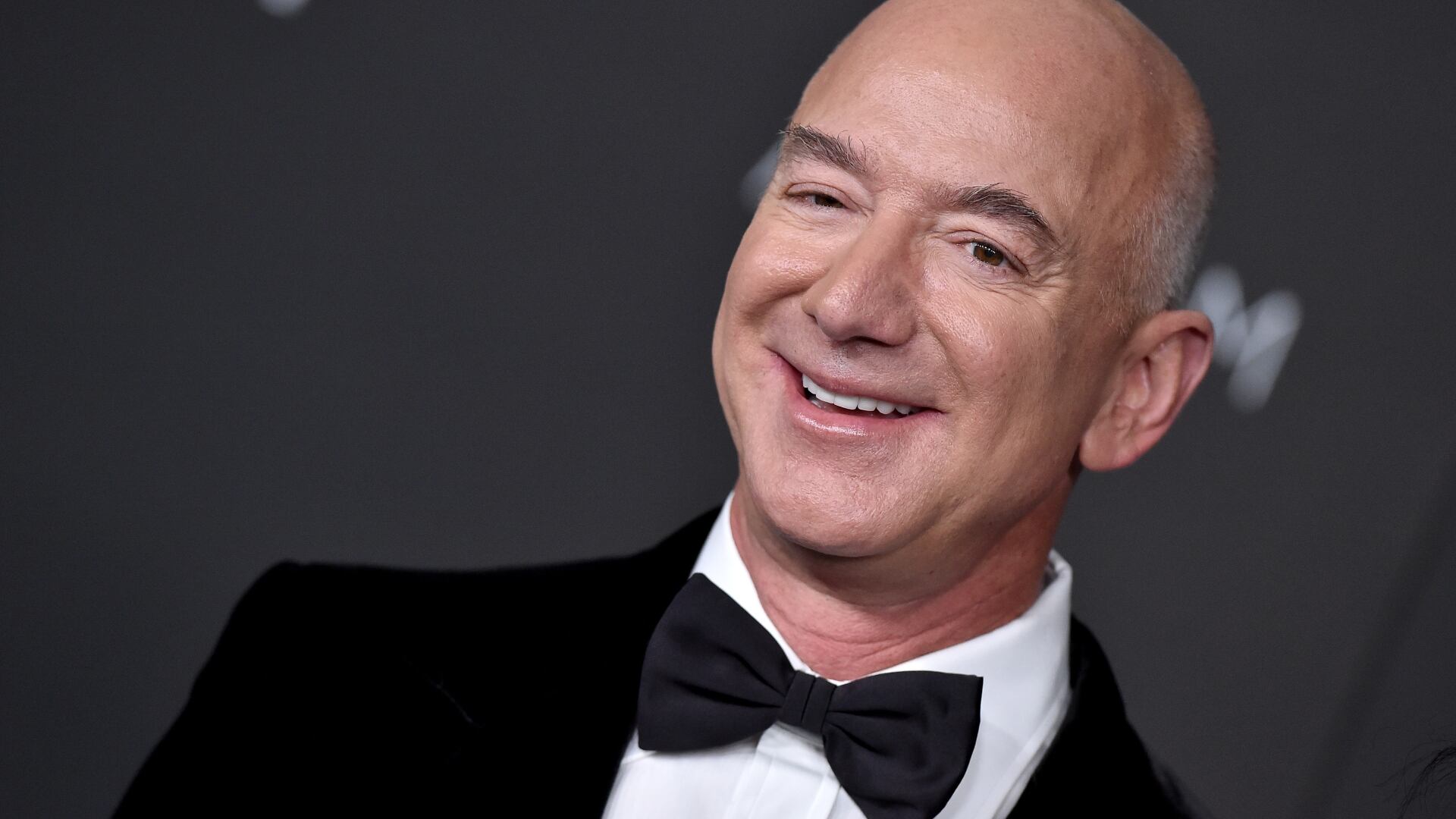
Amazon founder Jeffrey Bezos took to the stage at the U.N.'s COP26 Climate Summit to unveil a new plan to combat climate change, but some say it might do more harm than good. Justine Calma, Science Reporter at The Verge, joined Cheddar to discuss.
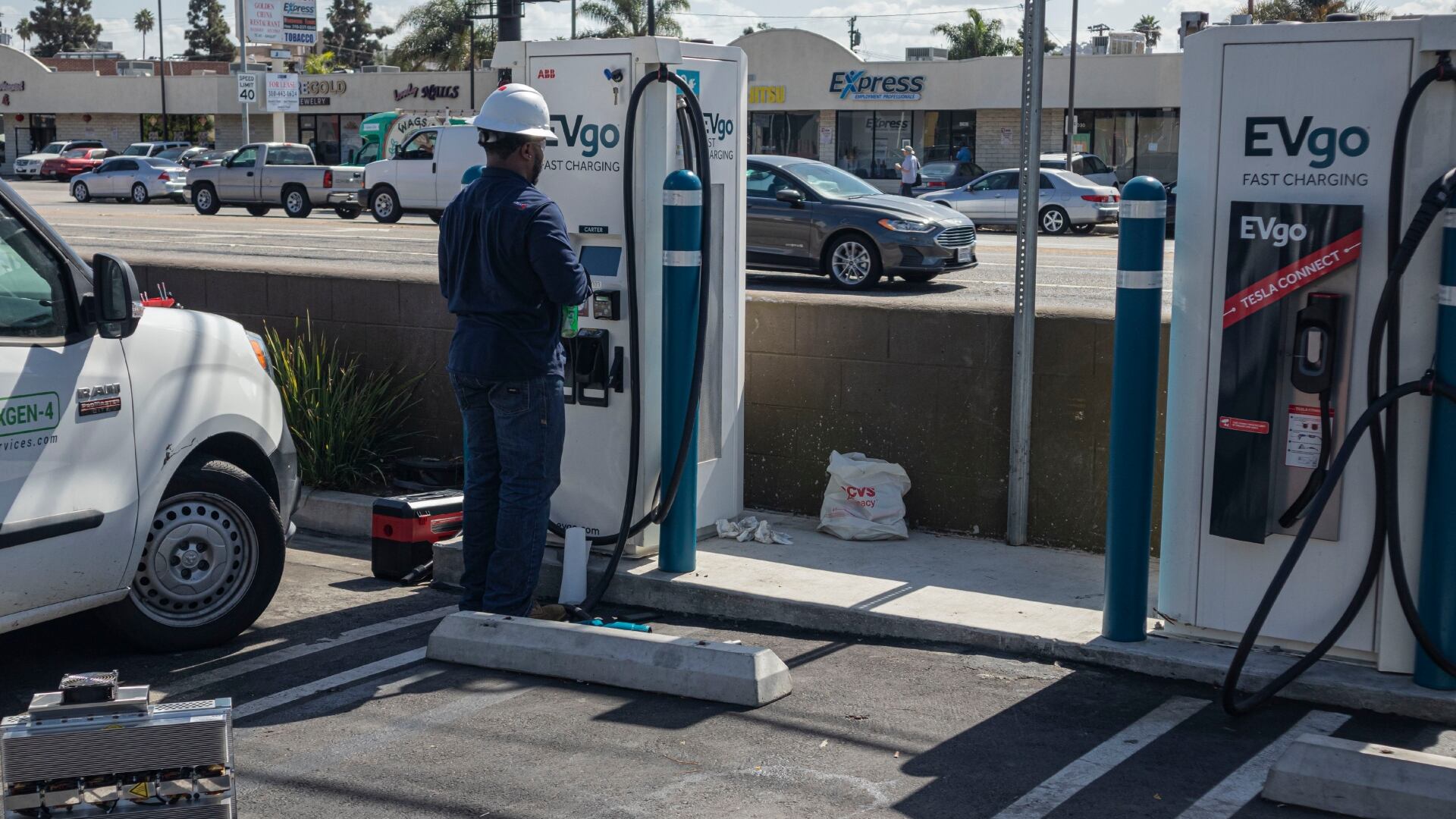
The electric vehicle space is about to see a whole new shift in its market particularly in Taxi Industry. Ride-Hailing apps like Uber and Lyft though could be left behind from this era since they cannot force their drivers to drive specific cars. Executive Analyst from ISeeCars.Com, joined Cheddar to discuss more.
a.k.a Brands, an accelerator for next-gen, direct-to-consumer fashion brands like Princess Polly, released its first earnings report as a publicly-traded company with strong results. CEO Jill Ramsey joined Cheddar's "Opening Bell" to discuss the company's recent quarter and how the company has grown since its IPO in September.
Rivian is set to makes its market debut as the biggest IPO since Facebook in 2021. The EV maker priced its stock above the expected range at $78 apiece, allowing it to raise a whopping $11.9 billion. Matt Toole, director of deals intelligence at Refinitiv, joined Cheddar to discuss Rivian's highly anticipated IPO and how it's sending the already booming IPO market even higher.
A judge shot down a request by Apple to hold off on changes to payment options in the app store that would allow companies like Epic Games to use external payment systems. Apple had sought a stay that could delay making changes for years but the judge ordered them to implement fixes by December. The tech giant plans to appeal.
Twitter has officially launched its paid subscription service, Twitter Blue, which provides subscribers with a number of new features, including the option to edit tweets, post 10-minute videos, and view ad-free news articles.
Wood modification technology company Kebony recently raised $34 million in its latest funding round. The company's patented technology transformed sustainable softwood using leftover materials and makes it into a product that behaves like premium hardwood. The process has the potential to transform the global construction industry, as it is cost-effective and eco-friendly. Kebony CEO Norman Willemsen joined Cheddar News' Closing Bell to discuss.