Lower-Income Teens Rely on Facebook More Than Wealthier Peers
*By Amanda Weston*
Teens whose families earn $30,000 or less a year are more likely to rely on Facebook than their wealthier peers. [A Pew Research Center survey](https://qz.com/1355827/do-teens-use-facebook-it-depends-on-their-familys-income/) reported 70 percent of teens in lower-income households still use the platform, compared with only 36 percent of teens in the $75,000 and up bracket.
"A lot of them have to do with resilience and how teens use Facebook to kind of get ahead," said Hanna Kozlowska, a reporter at Quartz. "So they use it for networking for example, because they might not have as much resources as wealthier teens."
About half of all teenagers use Facebook, but Kozlowska said that lower-income students who may not have as much access to resources turn to the social platform to get in touch with teachers, ask for homework help, and create a support network. Their older relatives are also more likely to be on the platform.
The teens who are still on Facebook may not want to spend as much time there as they do, said Kozlowska, and their numbers could dwindle if the adults they usually connect with age or abandon social media.
"Facebook isn't actively doing anything to kind of help them, to elevate them," Kozlowska said, and that the company didn't respond specifically to the Pew study. "They said, 'Oh, yeah, this is just an example of how an ad-based free network is good' right? They didn't particularly elaborate on that," she said.
Facebook had the biggest differences between three income brackets. Instagram and YouTube were the most consistent.
For full interview, [click here] (https://cms.cheddar.com/videos/VmlkZW8tMjIxODQ=).
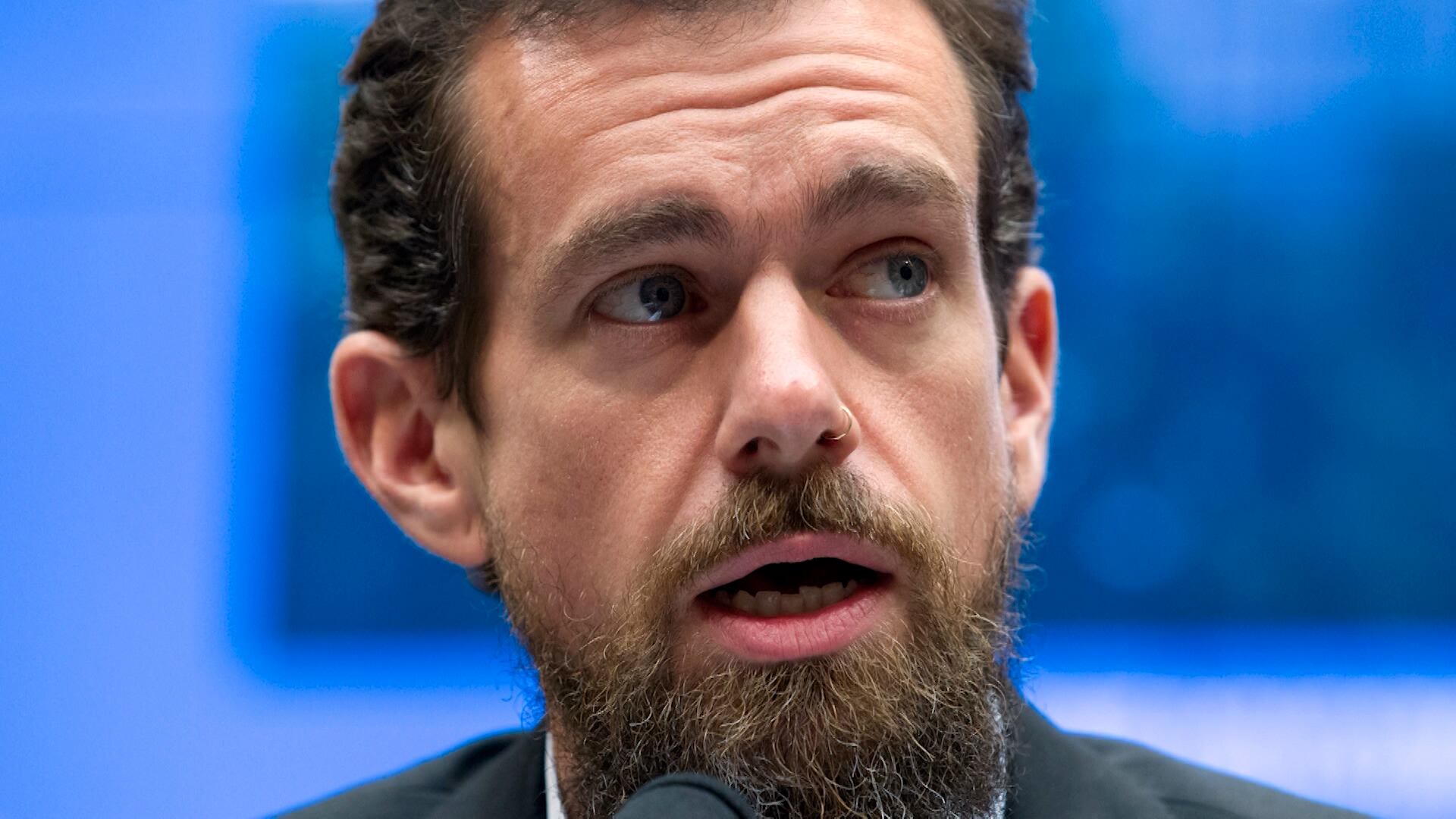
Jack Dorsey has stepped down as CEO of Twitter, saying he believes the social media platform is "ready to move on from its founders". The move has many wondering where Dorsey will focus his attention next, as he is still CEO of his financial payments company Square, which is heavily involved in cryptocurrency. Doug Astrop, managing partner at Exponential Investment Partners, joined Cheddar to discuss what Dorsey's resignation means for tech investors, particularly within the crypto space.
Astra founder, chairman, and CEO Chris Kemp spoke to Cheddar's Kristen Scholer about his company's first successful launch into orbit last month, becoming the fastest space company to reach orbit using a privately developed liquid-fueled rocket. He also noted that the company's priority is to "improve life on Earth from space" by rapidly increasing the number of low-orbiting satellites to do everything from connecting people to monitoring weather patterns.
Once again, YouTube is releasing its annual list of the top trending videos and music videos that had people in the U.S. talking. Madeline Buxton, trends expert for YouTube joins Cheddar News to discuss.
Stocks closed at session lows Wednesday as investors grew skittish over the first reported case of the COVID-19 omicron variant in California. Josh Sailar, Partner at Blue Zone Wealth Advisors, joins Cheddar News' Closing Bell to discuss investor worry over the new variant, the Fed dropping the word 'transitory' to describe inflation and potentially speeding up their asset tapering timeline, 2022 predictions, and more.
The Robin Hood Foundation is New York City's largest poverty-fighting organization. For more than 30 years, Robin Hood has built and fueled non-profits across all five boroughs. CEO Richard Buery joined Cheddar News' Closing Bell ahead of his ringing the closing bell at the New York Stock Exchange and later, lighting of the NYSE Christmas tree.
Creator commerce platform LTK raised $300 million in a recent funding round, now valuing the company at $2 billion. LTK is the world's largest influencer marketing platform and is known for helping to pioneer the so-called 'creator economy.' The company helps content creators make money off of their social media posts by hosting them on one central marketplace. LTK says more than $3 million in products are bought each year on its website and app. Now, the company is looking to continue its growth. LTK co-founder and president Amber Venz Box joins Cheddar News' Closing Bell to discuss.