Lower-Income Teens Rely on Facebook More Than Wealthier Peers
*By Amanda Weston*
Teens whose families earn $30,000 or less a year are more likely to rely on Facebook than their wealthier peers. [A Pew Research Center survey](https://qz.com/1355827/do-teens-use-facebook-it-depends-on-their-familys-income/) reported 70 percent of teens in lower-income households still use the platform, compared with only 36 percent of teens in the $75,000 and up bracket.
"A lot of them have to do with resilience and how teens use Facebook to kind of get ahead," said Hanna Kozlowska, a reporter at Quartz. "So they use it for networking for example, because they might not have as much resources as wealthier teens."
About half of all teenagers use Facebook, but Kozlowska said that lower-income students who may not have as much access to resources turn to the social platform to get in touch with teachers, ask for homework help, and create a support network. Their older relatives are also more likely to be on the platform.
The teens who are still on Facebook may not want to spend as much time there as they do, said Kozlowska, and their numbers could dwindle if the adults they usually connect with age or abandon social media.
"Facebook isn't actively doing anything to kind of help them, to elevate them," Kozlowska said, and that the company didn't respond specifically to the Pew study. "They said, 'Oh, yeah, this is just an example of how an ad-based free network is good' right? They didn't particularly elaborate on that," she said.
Facebook had the biggest differences between three income brackets. Instagram and YouTube were the most consistent.
For full interview, [click here] (https://cms.cheddar.com/videos/VmlkZW8tMjIxODQ=).
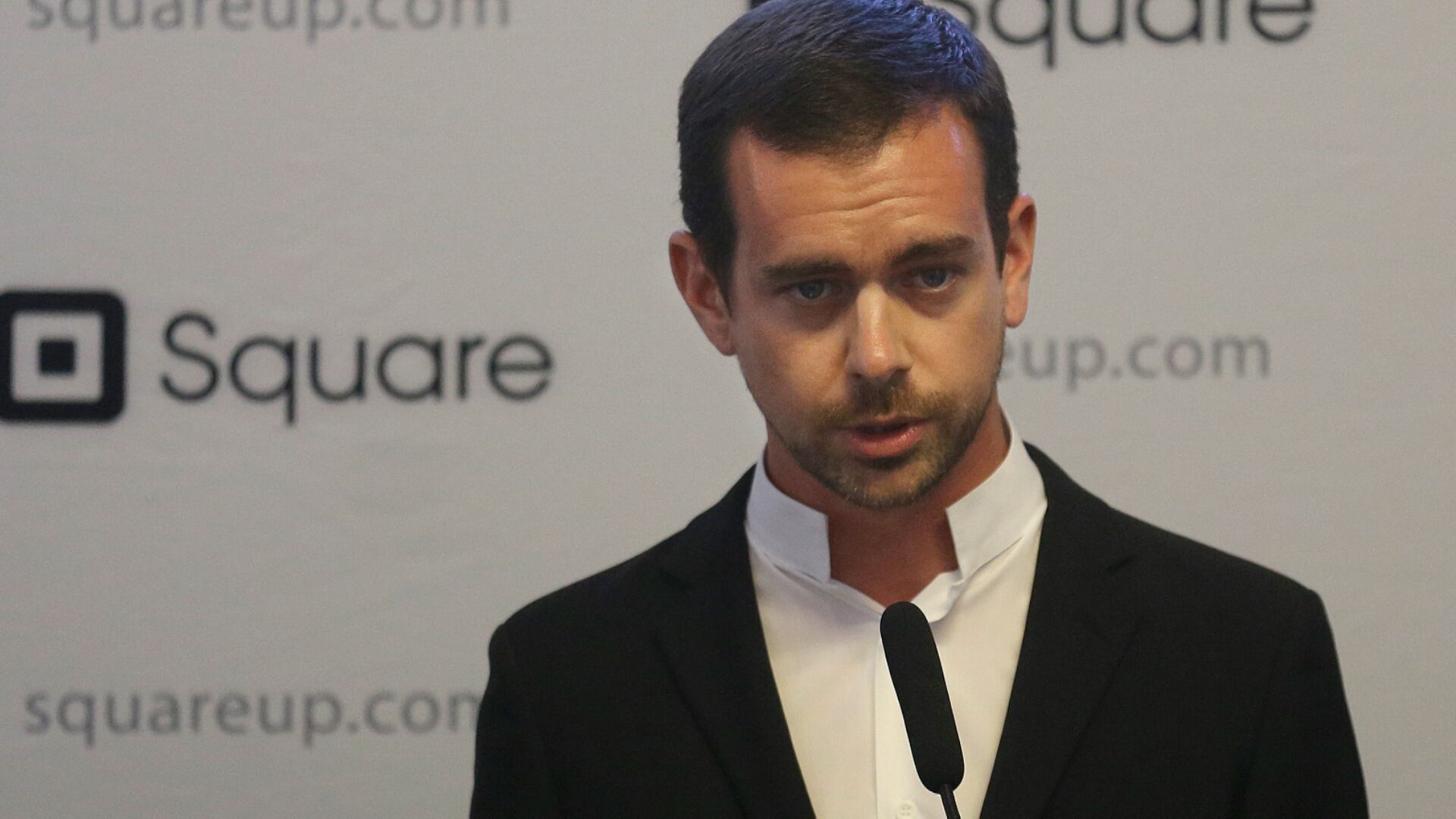
Square is changing its name to Block. It comes as the company expands beyond its original credit card reader business and into blockchain and crypto technology.
The name change will go into effect on December 10th, and the company says the name change, "creates room for further growth." Jim Anderson, CEO, SocialFlow joined Cheddar Movers to discuss.
Stock markets around the world continue to be impacted by fears of the new Omicron COVID-19 variant. President Biden today reiterated his stance that the new strain is cause for concern, but not cause for panic. Wells Fargo Investment Institute Global Equity Strategist Scott Wren joined Cheddar News' Closing Bell to discuss.
Not only has the Shiba Inu cryptocurrency become the 13th most valuable cryptocurrency by market cap with a worth of over $23 billion, but it has made one duo, known as the Shiba Brothers, millionaires. The brothers, Tommy and James, and Oskar Kowalski, Founder of The Global Incubator, join Cheddar News' Closing Bell, where they discuss their collaboration on Legends of Bezogia.
As the Leonardo DiCaprio-backed, pure-play electric vehicle company Polestar plans to close a SPAC IPO with Gores Guggenheim, CEO Thomas Ingenlath talked to Cheddar about how the company positioned itself to be able to go public. With competition tightening in the electric vehicle sector, Ingenlath noted what differentiates his cars from the competitors. "Scandinavian cool design and of course the road to zero emissions is something that we take very, very seriously," he said.
Bitcoin is slowly coming back to life after plunging recently, but everyone's favorite cryptocurrency needs to chart a 77% rally in the next four weeks to reach the widely forecast year-end value of $100,000. Bitcoin was trading more than 0.8% percent lower on Thursday morning, Ethereum was also declining. David Nage, portfolio manager at Arca, joins Cheddar News to talk discuss the market.
Jack Dorsey is stepping down as CEO of Twitter. In a statement, he says he is leaving because the company is ready to move on from its founders. Twitter's chief technology office Parag Agrawal will take over as CEO. Ian Sherr, editor at large at CNET, joins Cheddar News to talk about the announcement.