Lower-Income Teens Rely on Facebook More Than Wealthier Peers
*By Amanda Weston*
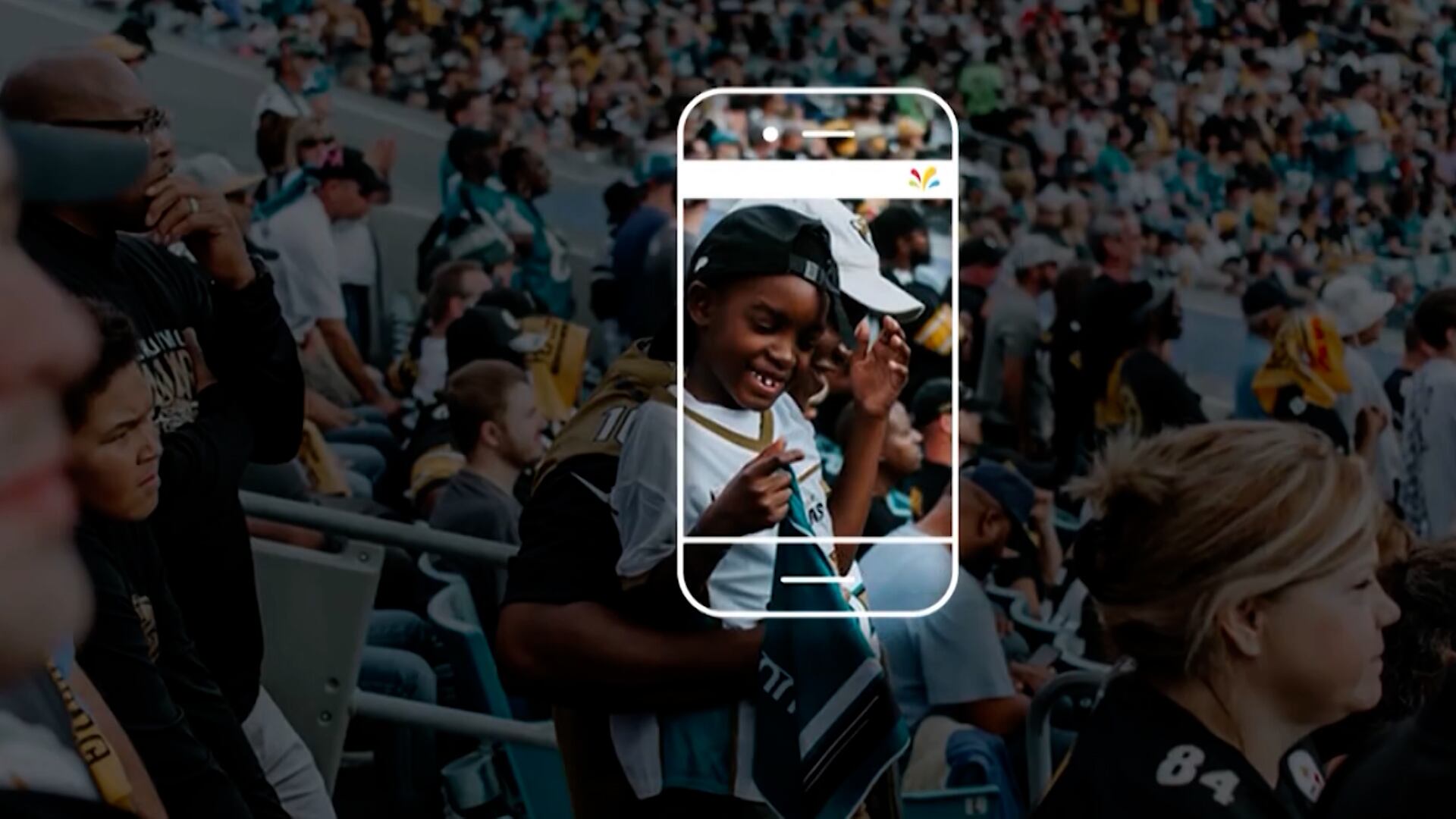
Teens whose families earn $30,000 or less a year are more likely to rely on Facebook than their wealthier peers. [A Pew Research Center survey](https://qz.com/1355827/do-teens-use-facebook-it-depends-on-their-familys-income/) reported 70 percent of teens in lower-income households still use the platform, compared with only 36 percent of teens in the $75,000 and up bracket.
"A lot of them have to do with resilience and how teens use Facebook to kind of get ahead," said Hanna Kozlowska, a reporter at Quartz. "So they use it for networking for example, because they might not have as much resources as wealthier teens."
About half of all teenagers use Facebook, but Kozlowska said that lower-income students who may not have as much access to resources turn to the social platform to get in touch with teachers, ask for homework help, and create a support network. Their older relatives are also more likely to be on the platform.
The teens who are still on Facebook may not want to spend as much time there as they do, said Kozlowska, and their numbers could dwindle if the adults they usually connect with age or abandon social media.
"Facebook isn't actively doing anything to kind of help them, to elevate them," Kozlowska said, and that the company didn't respond specifically to the Pew study. "They said, 'Oh, yeah, this is just an example of how an ad-based free network is good' right? They didn't particularly elaborate on that," she said.
Facebook had the biggest differences between three income brackets. Instagram and YouTube were the most consistent.
For full interview, [click here] (https://cms.cheddar.com/videos/VmlkZW8tMjIxODQ=).
Michael Cohen, Donald Trump's former personal lawyer, has been busy since completing his prison sentence in November. He's getting into the NFT space, selling his federal prison badge and the original manuscript of his book "Disloyal" as NFTs. Cohen joined Cheddar to discuss his latest venture and why he thinks there is still much to be revealed about his case.
VMG Consumer Acquisition Corp, a blank check company targeting consumer and retail companies, has officially hit Wall Street. The company listed its $200 million IPO on the NASDAQ, trading under the ticker symbol 'VMGAU.' Aarti Kapoor, CEO of VMG Consumer Acquisition Corp, joined Cheddar Movers to discuss.
Goldman Sachs is getting into the holiday giving spirit with its sixth annual Analyst Impact Fund competition. The Shark-Tank style contest gives Junior Analysts the chance to pitch a charity of their choice to senior leadership, with the winner being granted $250,000 to donate to their chosen non-profit. The team representing Lime Connect, the world's largest network of people with disabilities, has taken home this year's top prize. For more on this, Jim Esposito, Goldman Sachs Co-Head of the Investment Banking Division, and Julian Sanchez, one of this year's winners, joined Cheddar Movers.
Sprinklr CEO Ragy Thomas joined Wake Up With Cheddar's Baker Machado to discuss the customer experience company's latest earnings report and forecasts for future growth.
Carlo and Baker wrap up the week talking about the Biden economic boom that no one seems to notice, a verdict in the Jussie Smollett case, the first Starbucks union in America and the pleasures of the "dude nod."
According to the U.S. Department of Health and Human Services, more than 40 million people have had their personal health information exposed in data breaches this year alone. A number of these incidents have caused health care networks to crash for weeks. Founder and CEO of BlackCloak Chris Pierson, joined Cheddar to discuss more.