Lower-Income Teens Rely on Facebook More Than Wealthier Peers
*By Amanda Weston*
Teens whose families earn $30,000 or less a year are more likely to rely on Facebook than their wealthier peers. [A Pew Research Center survey](https://qz.com/1355827/do-teens-use-facebook-it-depends-on-their-familys-income/) reported 70 percent of teens in lower-income households still use the platform, compared with only 36 percent of teens in the $75,000 and up bracket.
"A lot of them have to do with resilience and how teens use Facebook to kind of get ahead," said Hanna Kozlowska, a reporter at Quartz. "So they use it for networking for example, because they might not have as much resources as wealthier teens."
About half of all teenagers use Facebook, but Kozlowska said that lower-income students who may not have as much access to resources turn to the social platform to get in touch with teachers, ask for homework help, and create a support network. Their older relatives are also more likely to be on the platform.
The teens who are still on Facebook may not want to spend as much time there as they do, said Kozlowska, and their numbers could dwindle if the adults they usually connect with age or abandon social media.
"Facebook isn't actively doing anything to kind of help them, to elevate them," Kozlowska said, and that the company didn't respond specifically to the Pew study. "They said, 'Oh, yeah, this is just an example of how an ad-based free network is good' right? They didn't particularly elaborate on that," she said.
Facebook had the biggest differences between three income brackets. Instagram and YouTube were the most consistent.
For full interview, [click here] (https://cms.cheddar.com/videos/VmlkZW8tMjIxODQ=).
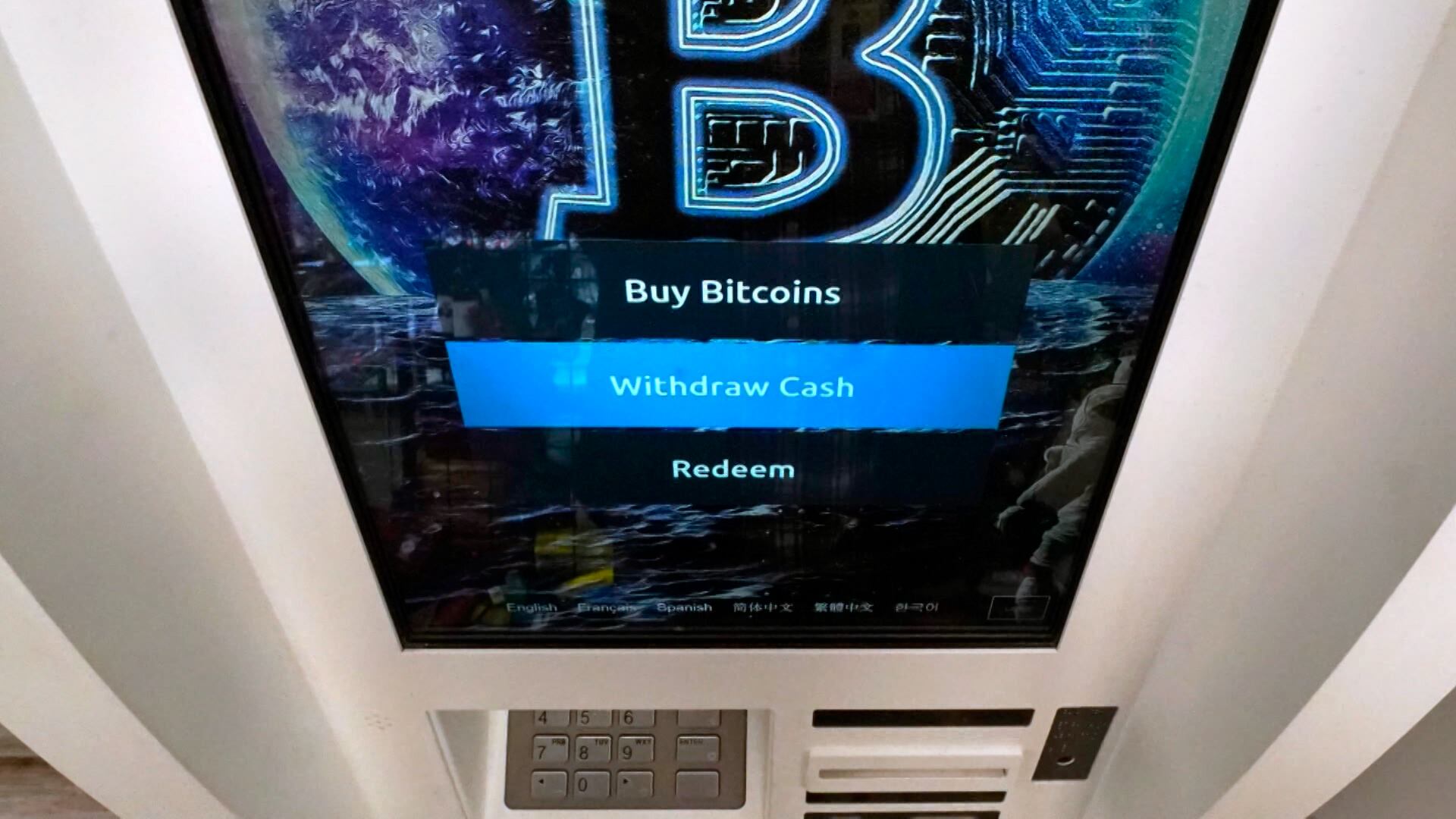
Carl "The Moon" Runefelt, a Bitcoin investment expert, recently made a hefty purchase of a $2 million Bugatti sports car at a Dubai dealership. The Swedish crypto evangelist joined Cheddar to talk about how he made the big acquisition of a luxury item he had long had his eye on and why he chose the dealership, The Car Vault, to make the unprecedented transaction. "They accepted crypto directly, and that was important to me," he said. "I am not going to go to any car dealership that don't accept crypto, and that's kind of a principle I have today."
2021 proved that crypto currency is here to stay. This year saw more and more adoptions of crypto, from top athletes looking to be paid in bitcoin, to Elon Musk even experimenting with bitcoin and dogecoin payments for a bit over at Tesla. And it wasn't all bitcoin either - other cryptos like Cardano and Solana saw some action in 2021 as well. Patrick McConlogue, CEO of Overline and former Citadel Investment Group Engineer explains why 2021 was such a good year for crypto, and what to expect in 2022.
2021 saw markets continue to be impacted by the onslaught of the coronavirus pandemic -most recently in the form of the Omicron variant- in addition to the global supply chain shortage, and increased inflation. But it wasn't all bad news, as crypto soared throughout the year, and meme stocks continued to have a moment. With the year coming to a close, investors are keeping an eye out to see if they should expect more of the same in the new year. Chris Vecchio, Senior Analyst, at DailyFX tells us what market trends to be on the watch for in 2022.
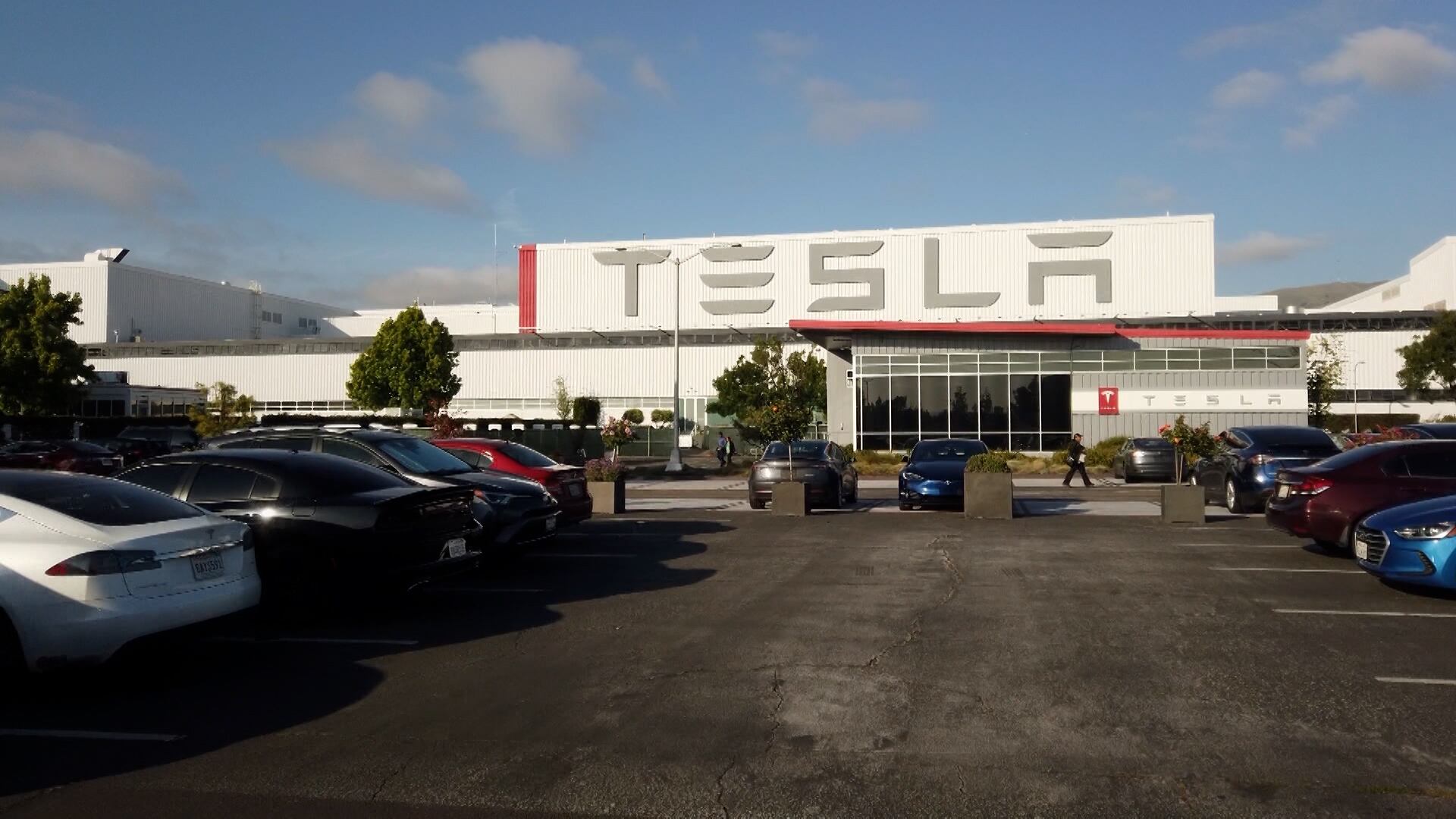
2021 proved to be yet another formidable year for Tesla. In a year that saw electric vehicles carve out their own space in the transportation world, the company made further strides, keeping its spot on top even as new companies threatened competition. Tesla was able to hit the trillion dollar valuation mark, increase vehicle deliveries even as the world grappled with supply chain and delivery issues and sign a major deal with Hertz this year. And of course, you can't talk about Tesla without talking about Elon Musk, CEO and founder of the company, richest man in the world and Time Magazine Person of the Year, who saw plenty of successes in 2021 as well. Al Root, Senior Writer at Barron’s, explains just how good a year it was for Tesla.
David Ewalt, Editor-in-Chief at Gizmodo joins Cheddar News to discuss a TikTok moderator suing the platform over mental trauma caused by graphic videos