Lower-Income Teens Rely on Facebook More Than Wealthier Peers
*By Amanda Weston*
Teens whose families earn $30,000 or less a year are more likely to rely on Facebook than their wealthier peers. [A Pew Research Center survey](https://qz.com/1355827/do-teens-use-facebook-it-depends-on-their-familys-income/) reported 70 percent of teens in lower-income households still use the platform, compared with only 36 percent of teens in the $75,000 and up bracket.
"A lot of them have to do with resilience and how teens use Facebook to kind of get ahead," said Hanna Kozlowska, a reporter at Quartz. "So they use it for networking for example, because they might not have as much resources as wealthier teens."
About half of all teenagers use Facebook, but Kozlowska said that lower-income students who may not have as much access to resources turn to the social platform to get in touch with teachers, ask for homework help, and create a support network. Their older relatives are also more likely to be on the platform.
The teens who are still on Facebook may not want to spend as much time there as they do, said Kozlowska, and their numbers could dwindle if the adults they usually connect with age or abandon social media.
"Facebook isn't actively doing anything to kind of help them, to elevate them," Kozlowska said, and that the company didn't respond specifically to the Pew study. "They said, 'Oh, yeah, this is just an example of how an ad-based free network is good' right? They didn't particularly elaborate on that," she said.
Facebook had the biggest differences between three income brackets. Instagram and YouTube were the most consistent.
For full interview, [click here] (https://cms.cheddar.com/videos/VmlkZW8tMjIxODQ=).
Peloton has weathered a seemingly never-ending storm the past few months: PR blunders, sinking customer demand, and in recent weeks, reported cost-cutting and potential layoffs. Now, several companies are said to be in the mix as potential buyers: Amazon, Netflix, Disney, and Apple. How likely is it that one of these companies pursues a deal — and how likely is it that it will be Apple who buys Peloton? Dan Ives, Managing Director of Equity Research at Wedbush Securities, joins Closing Bell to discuss his thoughts about Apple pursuing a Peloton takeover,
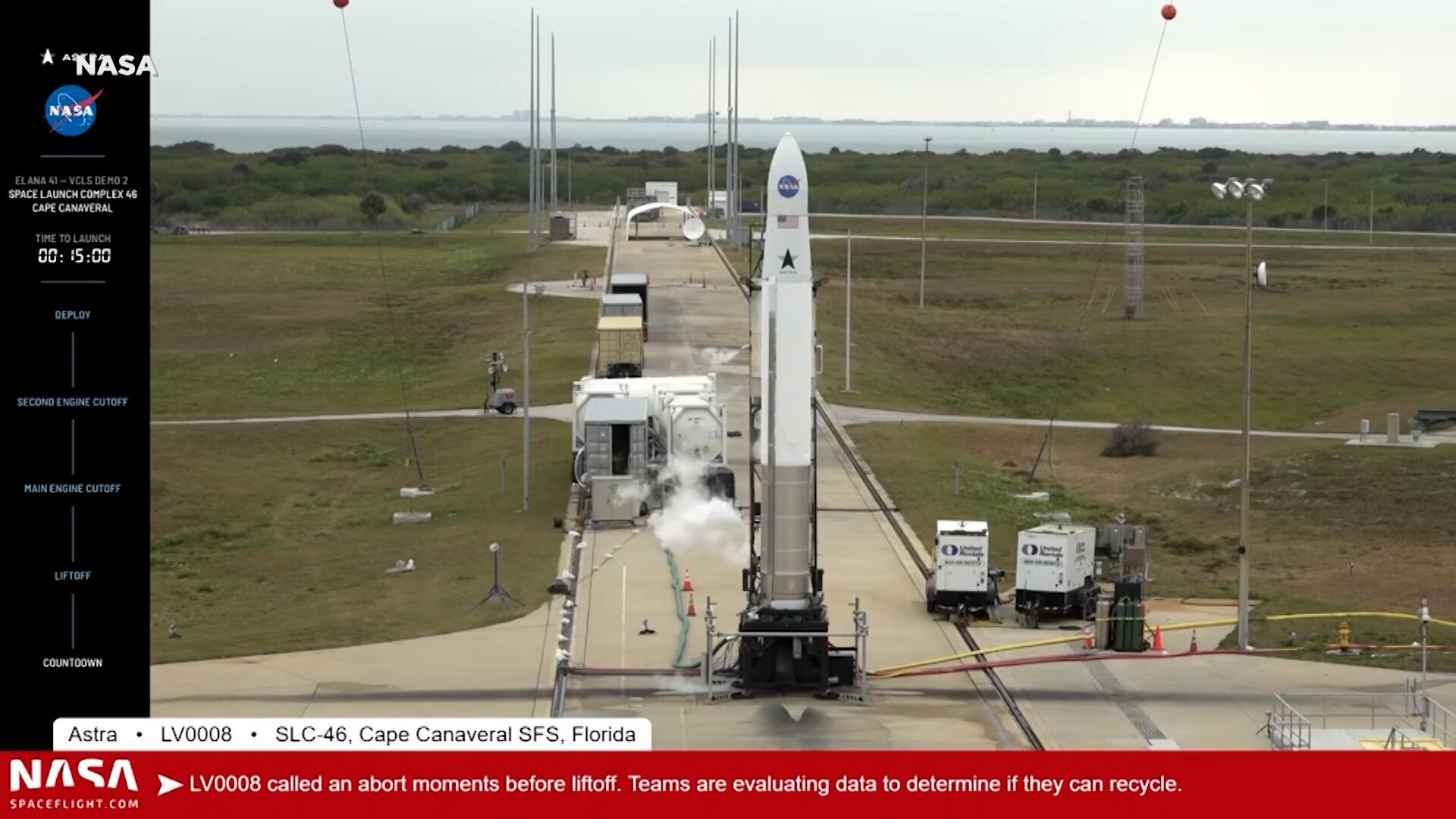
Astra aborted the launch for NASA ELaNa 41 Mission out of Cape Canaveral on Monday due to what was described as a minor issue, but the company's stock fell nearly 14 percent following the news. Jim Cantrell, CEO and co-founder of Phantom Space, which builds and launches spacecraft of its own, joined Cheddar to discuss the scrubbed mission. “The last thing you want is for this to go wrong, you're better to err on the side of safety expectations,” Cantrell explained, noting that the mission delay was a normal event.
The Biden Administration is set to revise federal rules to address potential security risks from foreign-owned apps, mainly Tiktok. This comes after the White House opted not to pursue a forced shutdown of the Chinese-owned video sharing platform. Under these new rules, federal oversight would be expanded to explicitly include apps that could be used by foreign adversaries to steal or otherwise obtain data. Senior Fellow at the Foundation for Defense of Democracies, Craig Singleton, joined Cheddar to discuss more.
The metaverse platform Decentraland hosted its first wedding over the weekend. The union was overseen by Rose Law Group, at the firm's virtual property, hosting witnesses including 2,000 guests. The ceremony endured some technical glitches before being completed.
The gaming industry has been under the spotlight so far this year following some big mergers and acquisitions. This week featured earnings of three major gaming companies, but also Meta and for the latter, things are not doing too hot. Joining Cheddar News to break it all down was Kenny Rosenblatt, President and Co-Founder of Arkadium.
While it was a volatile week in tech as Meta experienced the biggest one-day drop in the history of the U.S. stock market, industry giant Amazon reported 40 percent growth — largely on the strength of the cloud. Dan Ives, managing director of equity research at Wedbush Securities, joined Cheddar News to break down how the e-commerce company stock managed to pop despite headwinds against its core retail business. "It's all about cloud because of sum of the parts, you could argue, amazon could be $3,500/$4,000 stock just based on cloud," he said. Ives also addressed the apparent the differing impact of Apple iOS changes on Facebook and Snapchat.
Following Ford's earnings miss, the stock price dropped despite a bullish outlook from the auto giant. Karl Brauer, an executive analyst with ISeeCars.com, joined Cheddar to break down why investors may not be sold on the carmaker because of the ongoing factor of supply constraints. "The product is not an issue. There's really good product coming from them, including the electric vehicle side, and the demand is not an issue. There's plenty of demand, but nobody really has a solid grasp on when we're going to get past the supply chain issue," said Brauer.