Lower-Income Teens Rely on Facebook More Than Wealthier Peers
*By Amanda Weston*
Teens whose families earn $30,000 or less a year are more likely to rely on Facebook than their wealthier peers. [A Pew Research Center survey](https://qz.com/1355827/do-teens-use-facebook-it-depends-on-their-familys-income/) reported 70 percent of teens in lower-income households still use the platform, compared with only 36 percent of teens in the $75,000 and up bracket.
"A lot of them have to do with resilience and how teens use Facebook to kind of get ahead," said Hanna Kozlowska, a reporter at Quartz. "So they use it for networking for example, because they might not have as much resources as wealthier teens."
About half of all teenagers use Facebook, but Kozlowska said that lower-income students who may not have as much access to resources turn to the social platform to get in touch with teachers, ask for homework help, and create a support network. Their older relatives are also more likely to be on the platform.
The teens who are still on Facebook may not want to spend as much time there as they do, said Kozlowska, and their numbers could dwindle if the adults they usually connect with age or abandon social media.
"Facebook isn't actively doing anything to kind of help them, to elevate them," Kozlowska said, and that the company didn't respond specifically to the Pew study. "They said, 'Oh, yeah, this is just an example of how an ad-based free network is good' right? They didn't particularly elaborate on that," she said.
Facebook had the biggest differences between three income brackets. Instagram and YouTube were the most consistent.
For full interview, [click here] (https://cms.cheddar.com/videos/VmlkZW8tMjIxODQ=).
Google announced it will be updating its privacy restrictions that will limit tracking throughout apps on android devices. The update is similar to Apple's previous update, which ended up causing companies like Meta to lose billions of dollars on the market. Cheddar News was joined by David Trainer, CEO of New Constructs, to discuss the implications of the new privacy updates.
Global semiconductor sales topped $500 billion dollars for the first time in history in 2021. Demand for microchips has been at an all-time high amid a global shortage, but questions still remain about the future of semiconductor production. Cheddar News was joined by Tristan Gerra, Senior Research Analyst at Baird, to answer some of these questions and more.
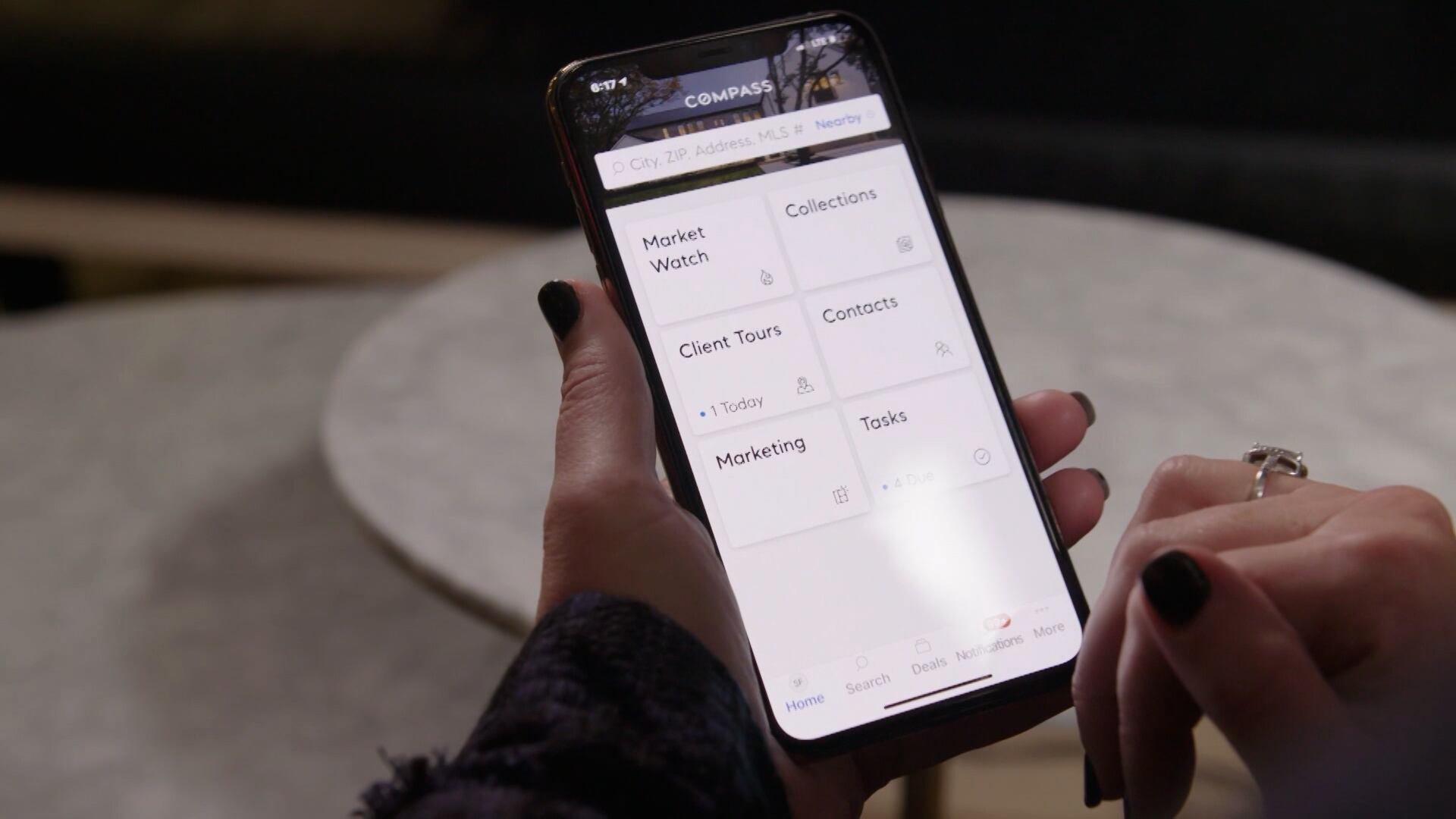
Compass Inc. reported its Q4 earnings on Wednesday, noting a 31 percent surge in quarterly revenue year over year. The real estate brokerage platform allows agents to promote and market their properties online and saw a 90 percent agent retention rate as well. Compass CEO Robert Reffkin joined Cheddar News to discuss the company's earnings, what ongoing inflation means for the housing market and how they help agents directly. "Let me start by saying my mom is actually a real estate agent, has been the majority of my life. She's a real estate agent today at Compass, and so I built Compass with her in mind," Reffkin said. The goal for an agent is to grow their business and have a better quality of life, more income to support their family, more time to be with their family, and it's not just software. It's a platform of software and services."
While many are excited to watch the final two NFL teams square-off and see which one ultimately takes home the trophy, some, on the other hand, are there for another mian attraction -- the commercials. Companies during this year's game are looking towards the future From electric vehicles, to robots, and crypto-currency, several first-time advertisers are expected to join long-time advertisers like Pepsi, Budweiser and Doritos during the NFL's biggest game. Tom Morton, Global Chief Strategy Officer at R/GA, joined Cheddar News' Big Game Special to discuss.
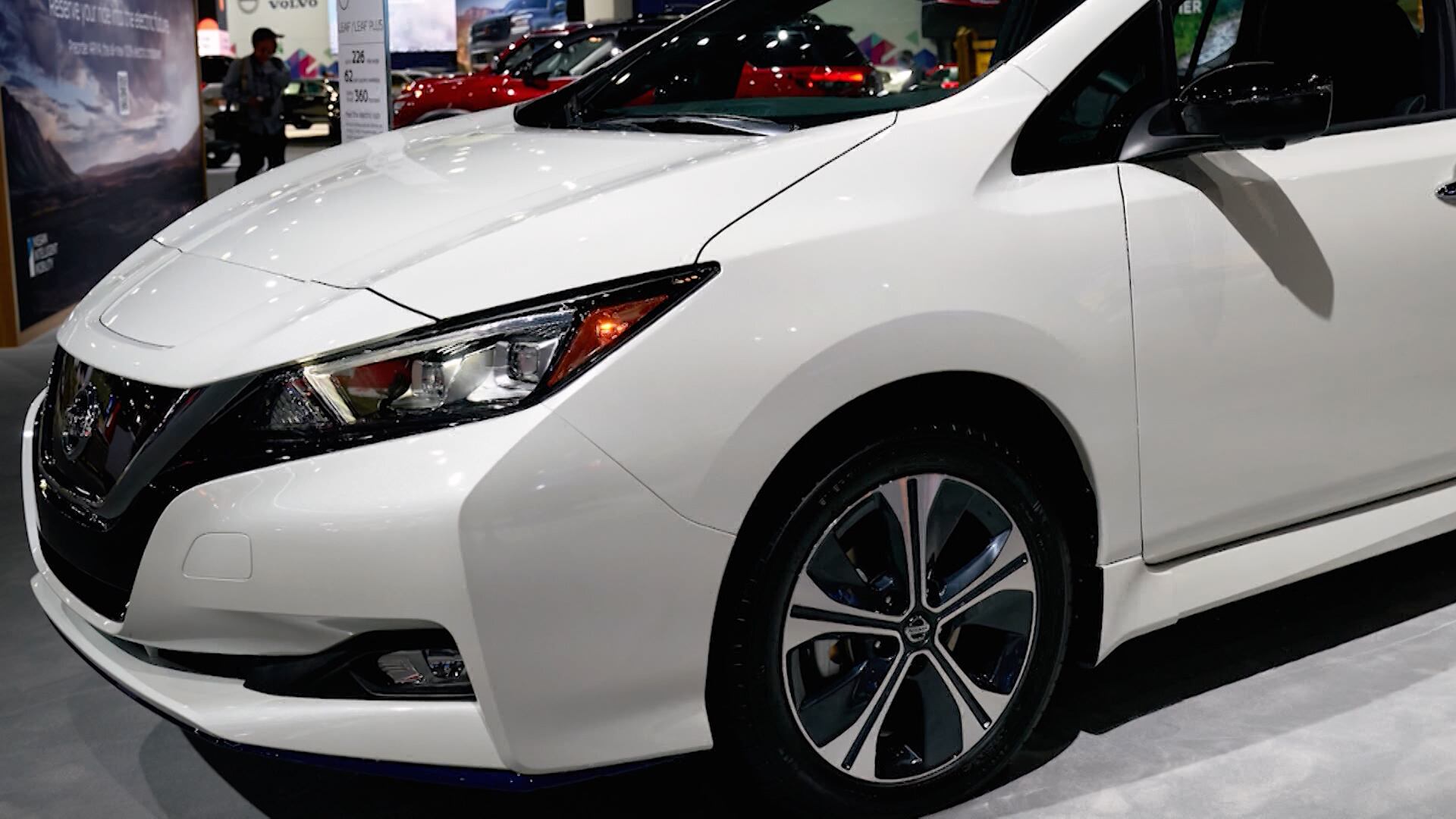
Nissan is revving up its commitment to electric vehicles. the Japanese automaker announcing plans to invest $500 million to transform its assembly plant in Mississippi to build two all-new EV models starting in 2025. It's all part of Nissan's goal to have 23 electrified models for the Nissan and Infiniti brands globally by 2030. Ashwani Gupta, Nissan's COO, joined Cheddar's Opening Bell to discuss this announcement and the company's EV goals moving forward.
Cepton made its debut on the Nasdaq under the ticker symbol ‘CPTN’ on Thursday. Jun Pei, the co-founder and CEO, joined Cheddar News to discuss going public and its lidar-based solutions for improving safety in autonomous features in cars. "It's really just a huge benefit in addition to radar and camera, and becomes an entire sensor suite that will bring cars to a higher level, both for safety and autonomy."