Industrial conglomerate 3M Company is partnering with the Massachusetts Institute of Technology to develop a cheaper, quicker COVID-19 test.
Right now, test results can take anywhere from a few hours to a week. Quest Diagnostics, for instance, said the average turnaround time at its labs is currently seven days.
3M's new test would function more like a pregnancy strip, a rapid paper-based test that could be mass-produced and quickly distributed at the point of care.
"In terms of patient experience, what we're looking to do is create that low-cost, highly-accurate, simple-to-use test that would be accessible to a lot of people," Dr. John Banovetz, chief technology officer for 3M, told Cheddar.
The antigen-based test, which looks at proteins on the virus, would offer a "preliminary view" of a patient's coronavirus status — though ideally, patients would follow up with a doctor, he added.
"Our goal would be a point-of-care test, so maybe it's taken in a doctor's office. Maybe you pick it up at the pharmacy," Banovetz said.
The goal is to start producing tests by the end of summer or early fall. Once manufacturing is rolling, 3M could produce millions of tests per day, according to the company.
As cases surge across the country and many anticipate a second wave in states where the infection rate has dropped off, calls for more testing are growing.
More than 41 million tests have been reported to the CDC, with a 9 percent positivity rate, but the U.S. continues to lag behind other countries by some measures.
In the meantime, the Trump administration is relying on the private sector to meet the demand for tests, putting pressure on companies such as 3M to come up with a solution.
"We're going as quick as we can right now," he said. "Our focus is trying to get that accuracy up and in a way that we know that we can mass-produce it. That's really where 3M can help contribute to this, our ability to be able to commercialize and bring to market new ideas and innovations."
Cheddar's Need2Know Podcast for Tues., June 16, 2020.
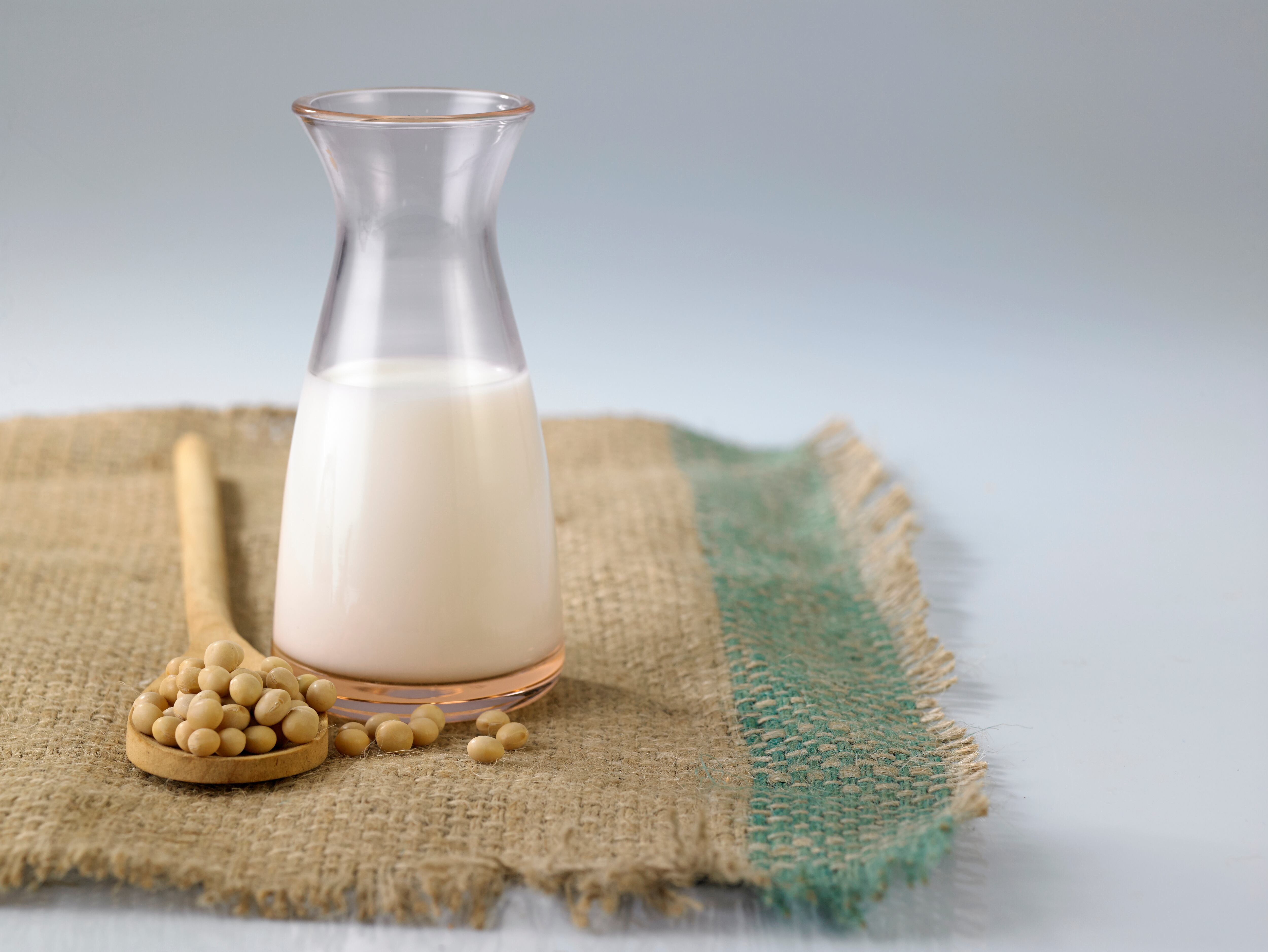
From milk to canned tuna to shampoo, soy is in a good majority of our day-to-day products. It’s added to around 60% of the nation’s processed foods. Soy has been known to provide some real health benefits, like high protein. But there are legitimate health and environmental consequences that raise the question: why do we use so much soy? And should we?
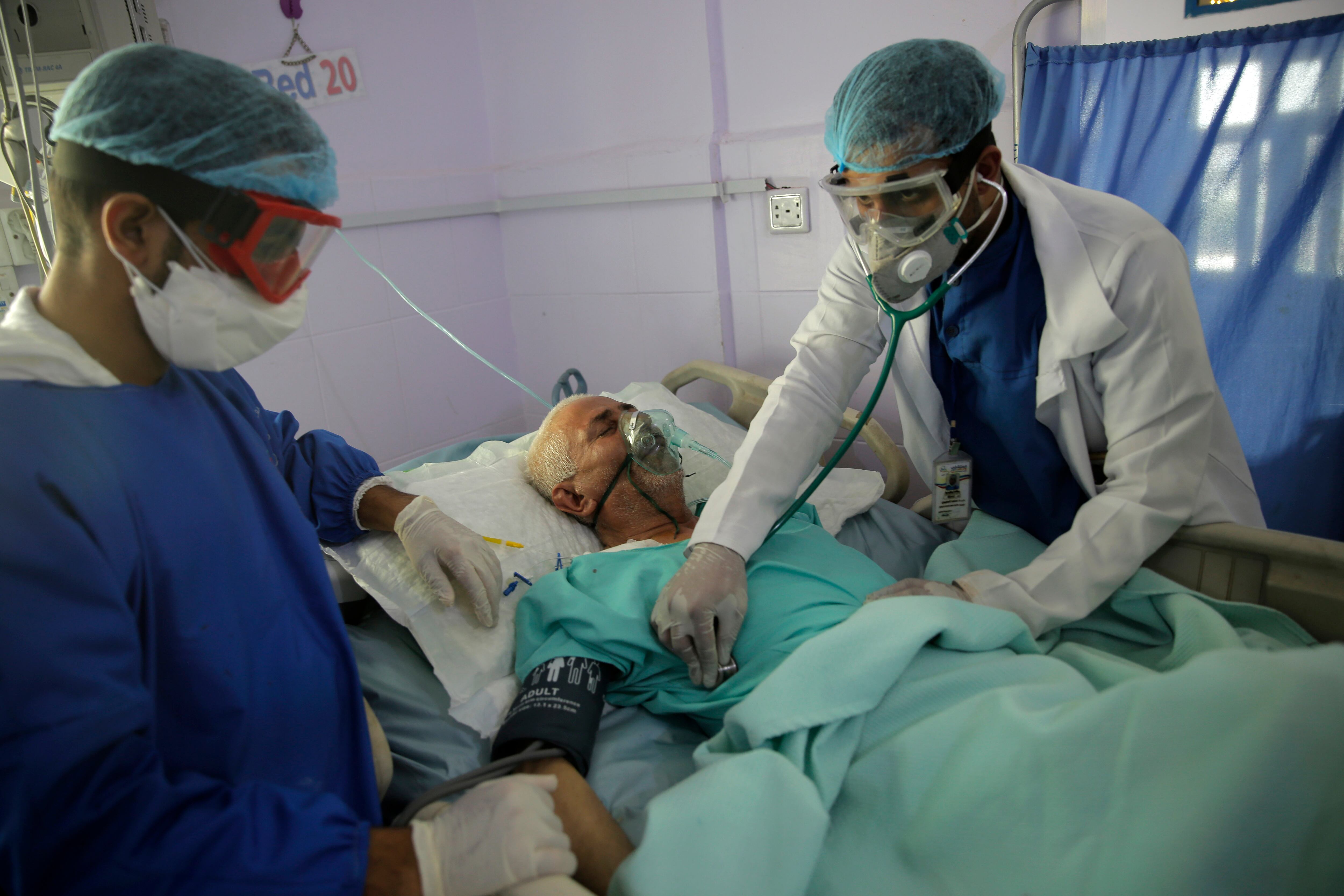
Researchers in England say they have the first evidence that a drug can improve survival from COVID-19. The drug is a cheap, widely available steroid called dexamethasone.
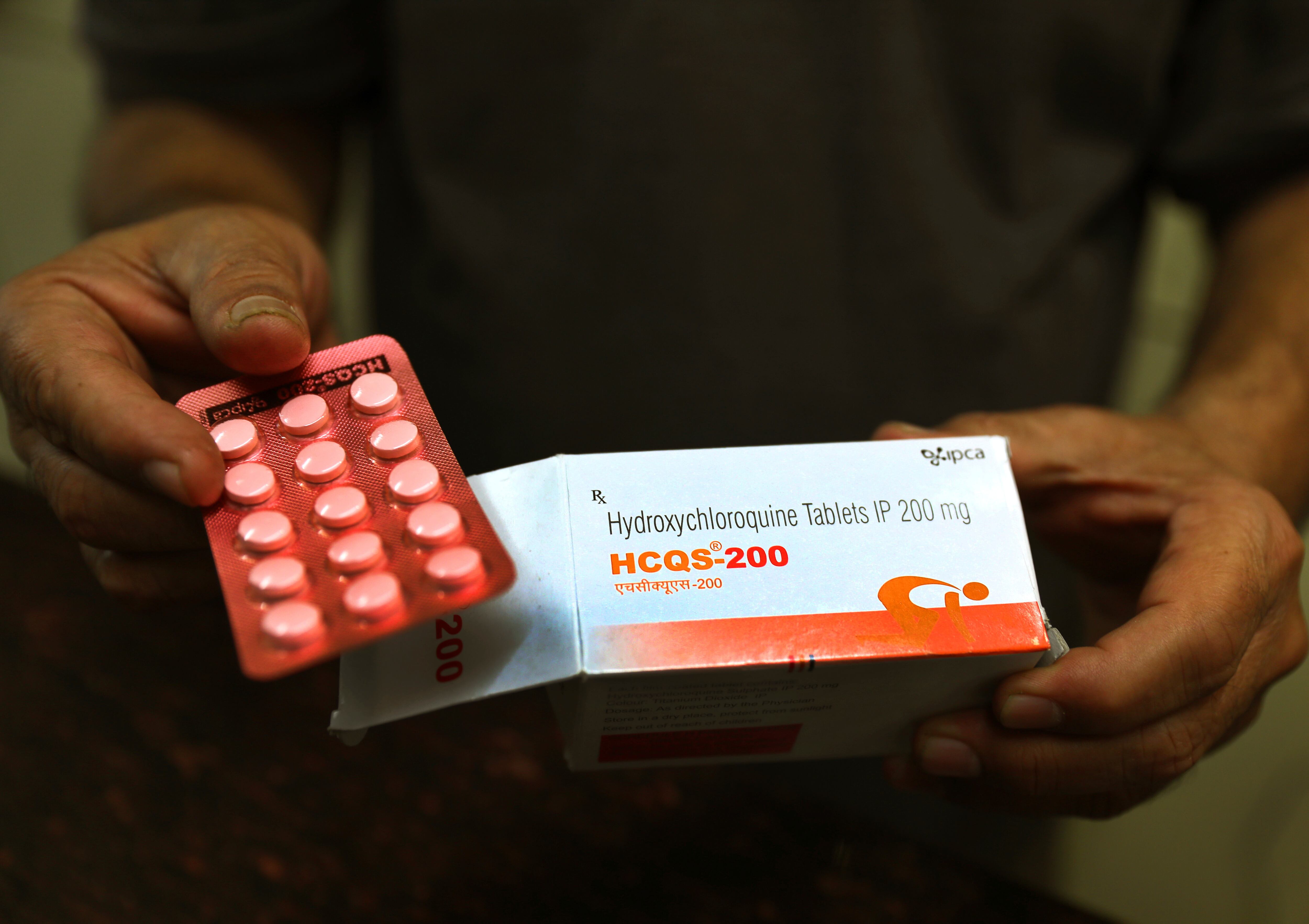
The Food and Drug Administration said Monday that the drugs hydroxychloroquine and chloroquine are unlikely to be effective in treating the coronavirus.
As the number of coronavirus cases continues to rise in the U.S., Johnson & Johnson's chief scientific officer Dr. Paul Stoffels told Cheddar the company has an accelerated plan to create a vaccine.
Scientists are beginning a new study to tell if the blood plasma of COVID-19 survivors might help prevent infection in the first place.
Coronavirus cases are rising in nearly half the U.S. states. And while many are chalked up to increased testing or to small, local outbreaks, others are more alarming.
If you lived in a big city in the 90s, you're probably one of the unlucky people who was kept up at night on a regular basis by errant car alarms. But today, those in that same big city hear alarms far less often than you did. So where did car alarms go? How have they evolved, and did we ever need them to begin with?
The skyline of Washington D.C. is stunted. You've probably heard that D.C. can't build skyscrapers taller than the U.S. Capital Building or the Washington Monument. But those are both myths from a bygone era. Cheddar tells the real story.
A top World Health Organization expert has tried to clear up “misunderstandings” about comments she made that were widely understood to suggest that people without COVID-19 symptoms rarely transmit the coronavirus.