Industrial conglomerate 3M Company is partnering with the Massachusetts Institute of Technology to develop a cheaper, quicker COVID-19 test.
Right now, test results can take anywhere from a few hours to a week. Quest Diagnostics, for instance, said the average turnaround time at its labs is currently seven days.
3M's new test would function more like a pregnancy strip, a rapid paper-based test that could be mass-produced and quickly distributed at the point of care.
"In terms of patient experience, what we're looking to do is create that low-cost, highly-accurate, simple-to-use test that would be accessible to a lot of people," Dr. John Banovetz, chief technology officer for 3M, told Cheddar.
The antigen-based test, which looks at proteins on the virus, would offer a "preliminary view" of a patient's coronavirus status — though ideally, patients would follow up with a doctor, he added.
"Our goal would be a point-of-care test, so maybe it's taken in a doctor's office. Maybe you pick it up at the pharmacy," Banovetz said.
The goal is to start producing tests by the end of summer or early fall. Once manufacturing is rolling, 3M could produce millions of tests per day, according to the company.
As cases surge across the country and many anticipate a second wave in states where the infection rate has dropped off, calls for more testing are growing.
More than 41 million tests have been reported to the CDC, with a 9 percent positivity rate, but the U.S. continues to lag behind other countries by some measures.
In the meantime, the Trump administration is relying on the private sector to meet the demand for tests, putting pressure on companies such as 3M to come up with a solution.
"We're going as quick as we can right now," he said. "Our focus is trying to get that accuracy up and in a way that we know that we can mass-produce it. That's really where 3M can help contribute to this, our ability to be able to commercialize and bring to market new ideas and innovations."
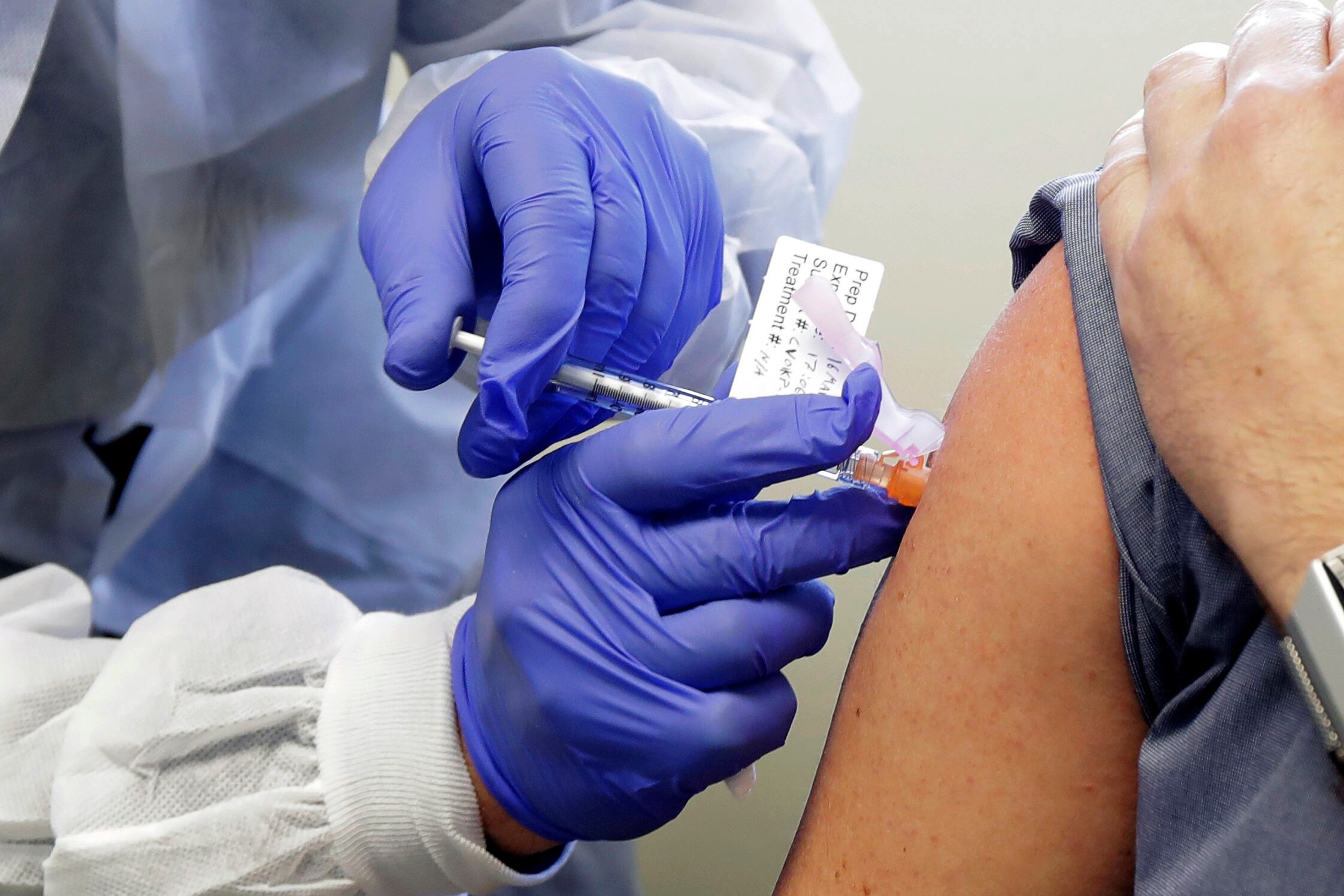
Early-stage testing showed the first COVID-19 vaccine tested in the U.S. revved up people’s immune systems the way scientists had hoped.
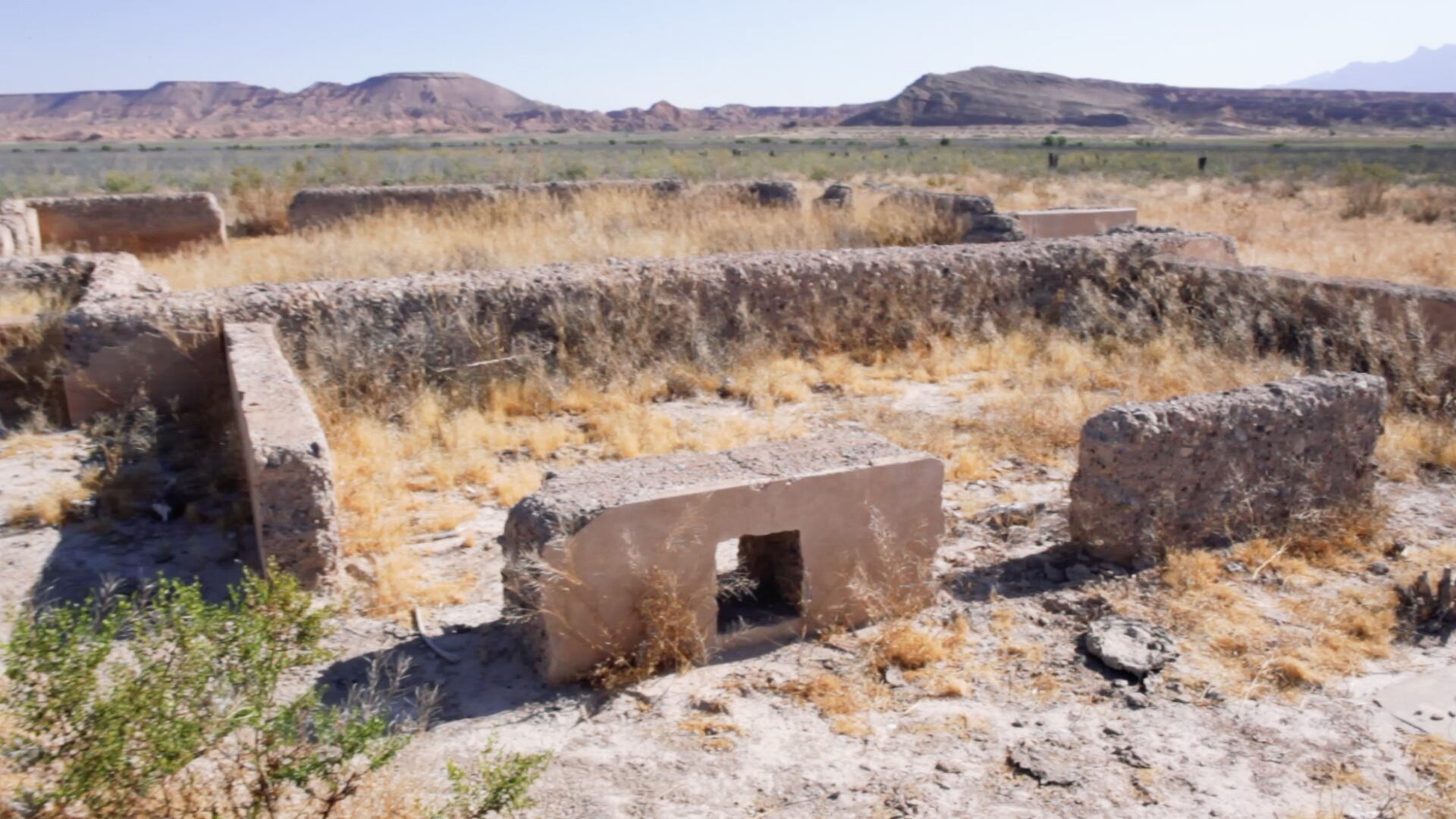
Millions of people thrive in the American West’s deserts today, but not every is thriving. You’ve probably heard of droughts and wildfires in California, of groundwater drying up in Arizona, and of entire communities, like those on the Navajo Nation, that have been left without running water. The region is finally coming to terms with decades of infrastructure projects, coupled with using more water than nature can provide, as the threat of climate change moves in. Cheddar explains why the American West is running out of water.
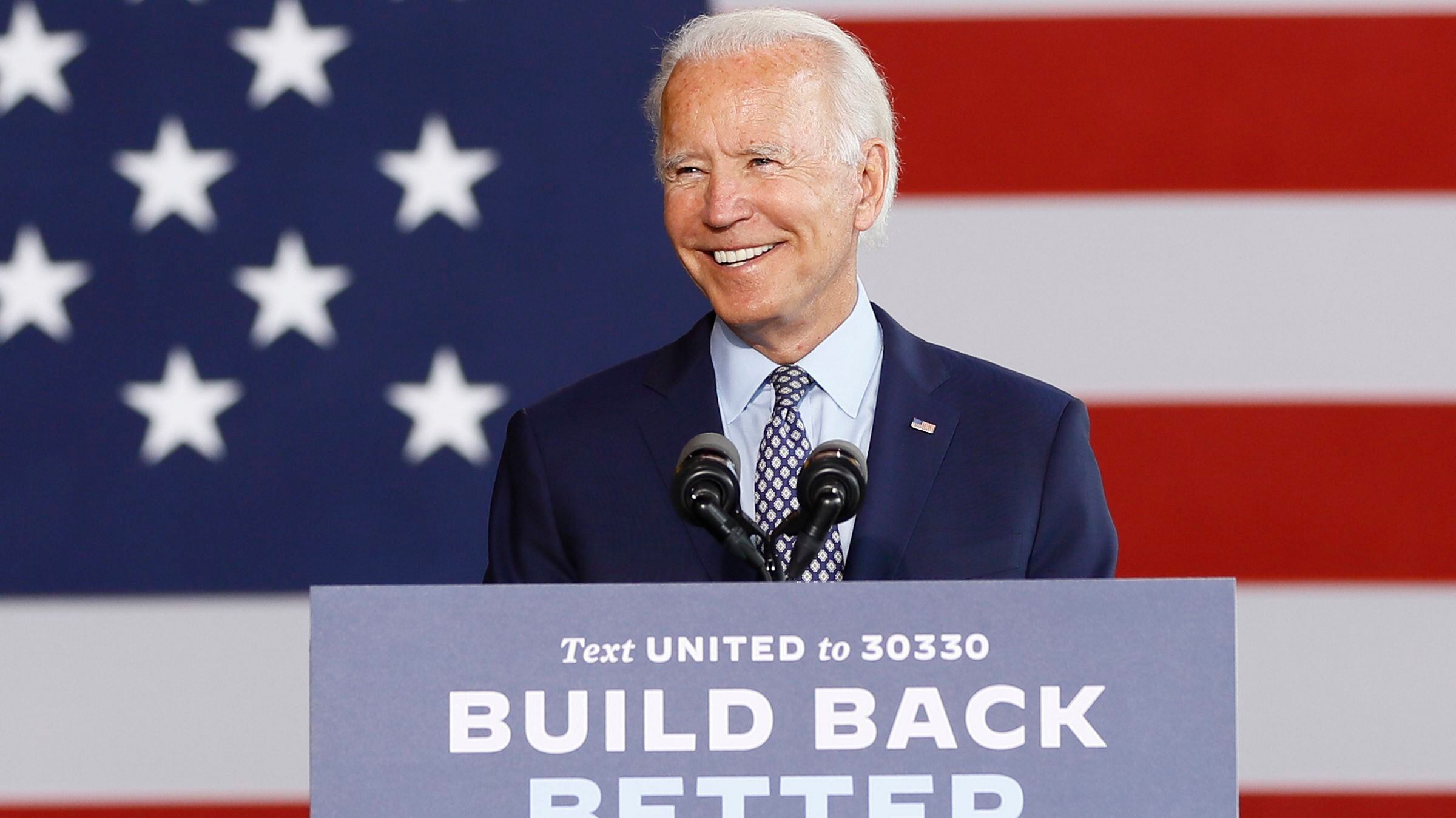
Joe Biden released a plan Tuesday aimed at combating climate change and spurring economic growth in part by overhauling America’s energy industry.
Burger King has rebalanced the diet of some of the cows by adding lemon grass in a bid to limit bovine contributions to climate change.
Hope is set to reach Mars in February 2021, the year the UAE celebrates 50 years since its formation. Two other Mars missions are planned in coming days by the U.S. and China.
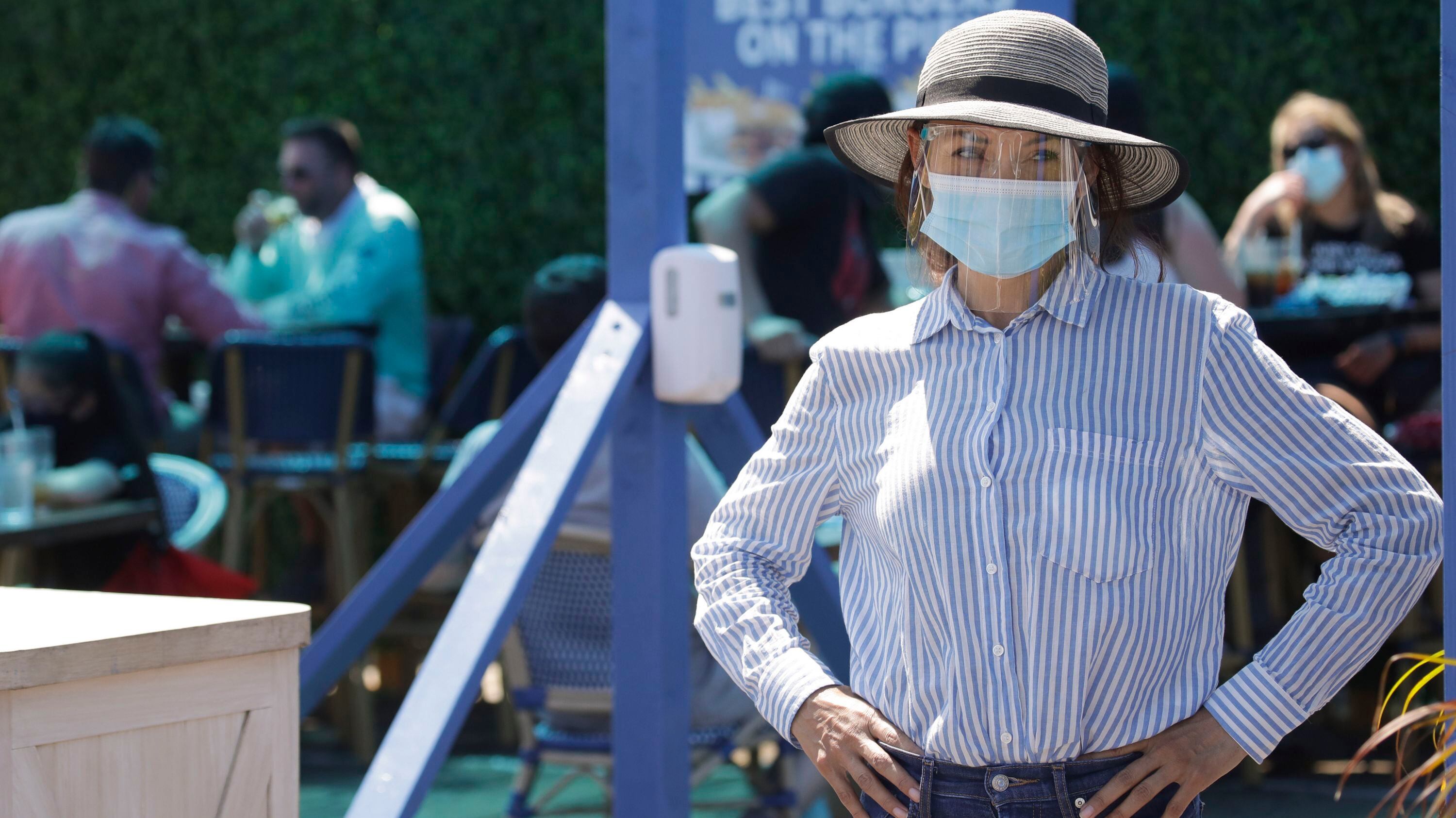
California Gov. Gavin Newsom has extended the closure of bars and indoor dining statewide and has ordered gyms, churches and hair salons closed in most places as coronavirus cases keep rising.
The United States is grappling with the worst coronavirus outbreak in the world, as Florida shattered the national record for a state’s largest single-day increase in new confirmed cases with a reported 15,299.
As the NBA gears up to resume gameplay in Orlando, Dr. Priya Sampathkumar, consultant of infectious diseases at the Mayo Clinic, said the league could be a model for other sports and businesses to return to operations as we fight against coronavirus.
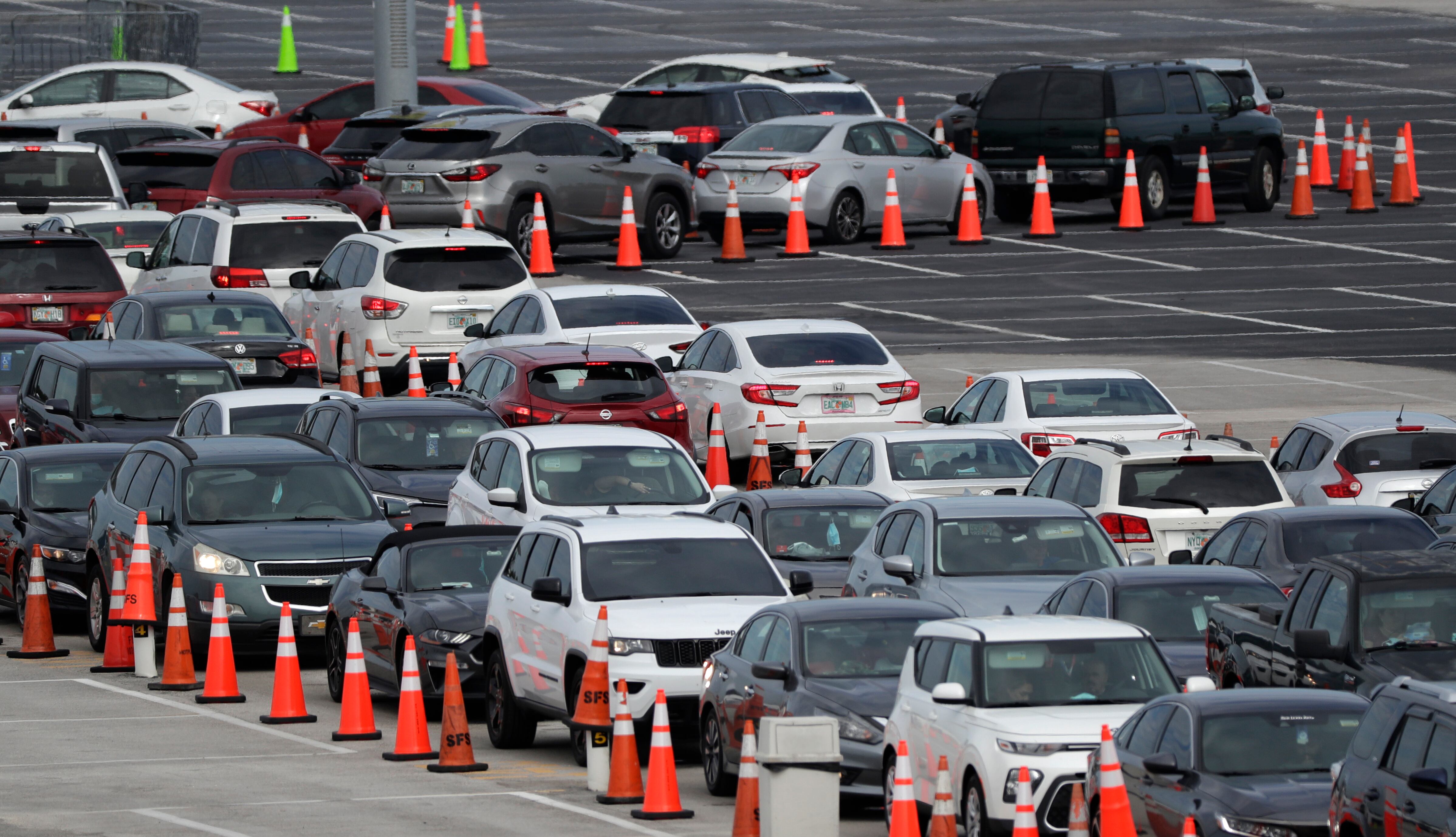
Four months, three million confirmed infections and over 130,000 deaths into the U.S. coronavirus outbreak, Americans are facing long lines at testing sites and going a week or more without receiving a diagnosis.