Industrial conglomerate 3M Company is partnering with the Massachusetts Institute of Technology to develop a cheaper, quicker COVID-19 test.
Right now, test results can take anywhere from a few hours to a week. Quest Diagnostics, for instance, said the average turnaround time at its labs is currently seven days.
3M's new test would function more like a pregnancy strip, a rapid paper-based test that could be mass-produced and quickly distributed at the point of care.
"In terms of patient experience, what we're looking to do is create that low-cost, highly-accurate, simple-to-use test that would be accessible to a lot of people," Dr. John Banovetz, chief technology officer for 3M, told Cheddar.
The antigen-based test, which looks at proteins on the virus, would offer a "preliminary view" of a patient's coronavirus status — though ideally, patients would follow up with a doctor, he added.
"Our goal would be a point-of-care test, so maybe it's taken in a doctor's office. Maybe you pick it up at the pharmacy," Banovetz said.
The goal is to start producing tests by the end of summer or early fall. Once manufacturing is rolling, 3M could produce millions of tests per day, according to the company.
As cases surge across the country and many anticipate a second wave in states where the infection rate has dropped off, calls for more testing are growing.
More than 41 million tests have been reported to the CDC, with a 9 percent positivity rate, but the U.S. continues to lag behind other countries by some measures.
In the meantime, the Trump administration is relying on the private sector to meet the demand for tests, putting pressure on companies such as 3M to come up with a solution.
"We're going as quick as we can right now," he said. "Our focus is trying to get that accuracy up and in a way that we know that we can mass-produce it. That's really where 3M can help contribute to this, our ability to be able to commercialize and bring to market new ideas and innovations."
A trio of scientists is championing a controversial alternative to coronavirus lockdowns in a 500-word document called the Great Barrington Declaration, which is stirring up significant backlash from other public health experts.
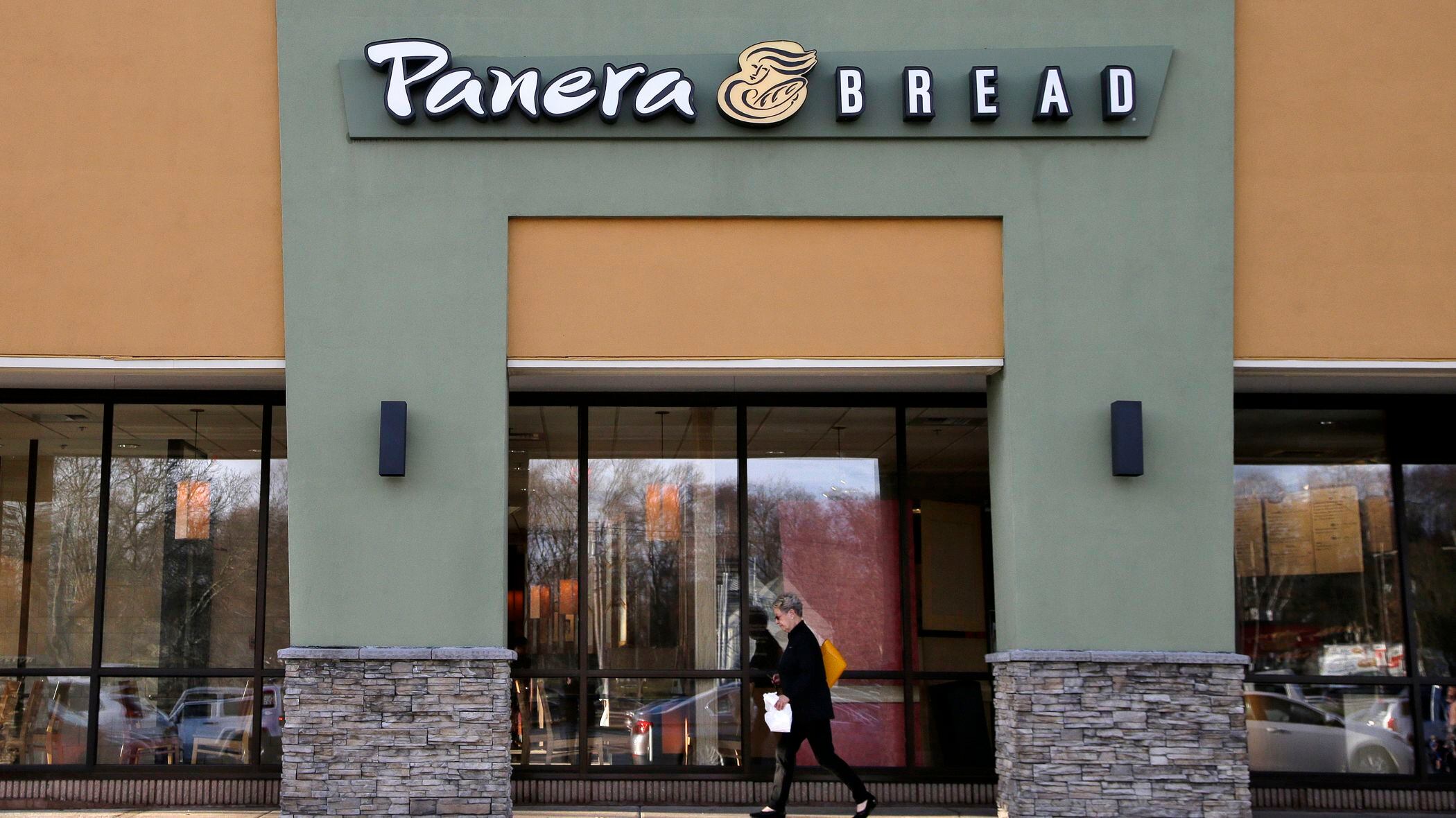
Panera is doing its part to go green, upgrading its menu options to include the carbon footprint of each item. CEO Niren Chaudhary joined Cheddar to break down food production's link to climate change.
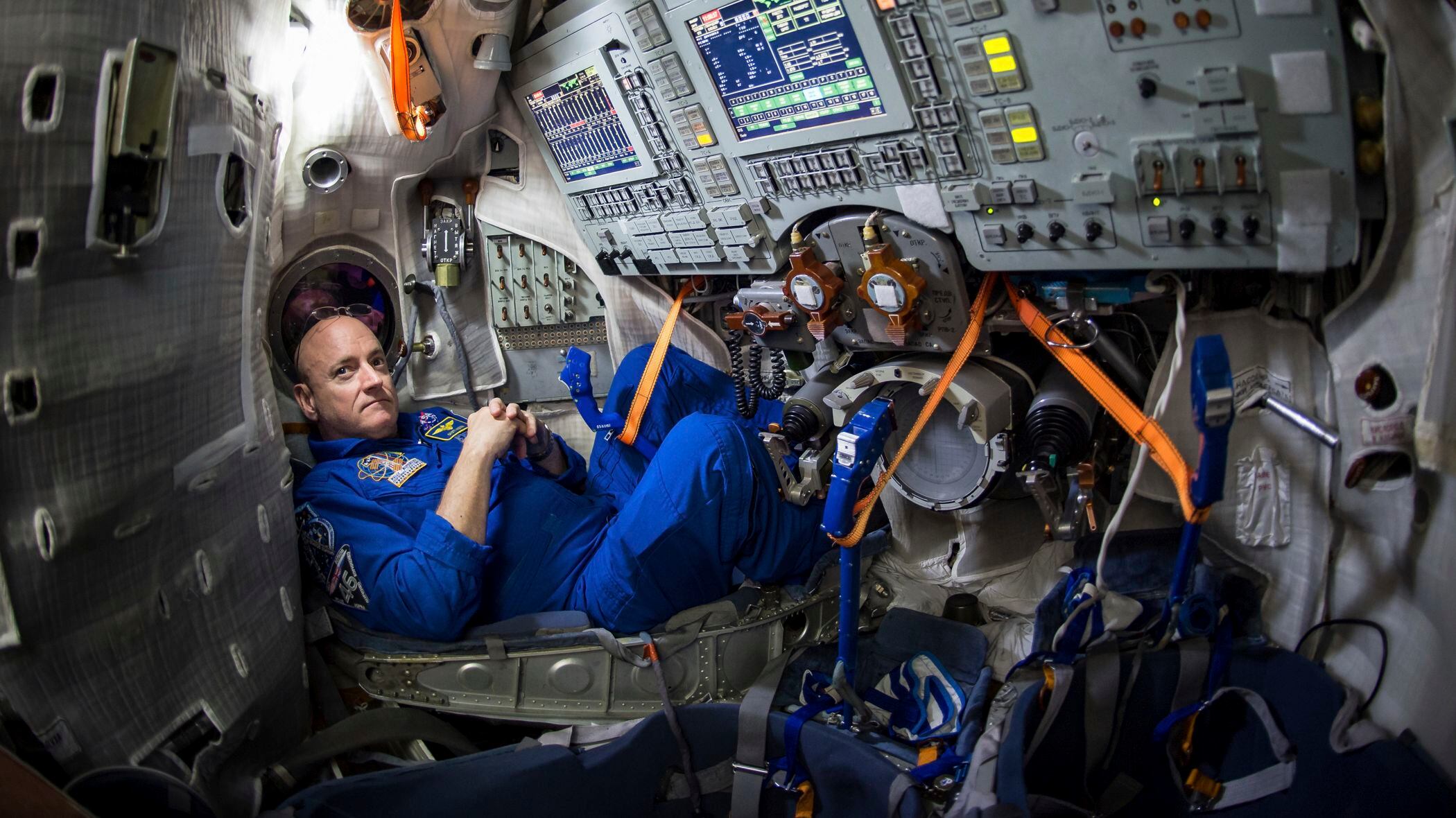
Former NASA astronaut, Scott Kelly provides some insight into the impacts of being isolated, particularly as people around the world experience it amid the coronavirus pandemic.
US Scientists calculate that Earth hit its warmest September on record last month. The National Oceanic and Atmospheric Administration Wednesday said there's nearly a two-to-one chance that 2020 will end up as the hottest year on record.
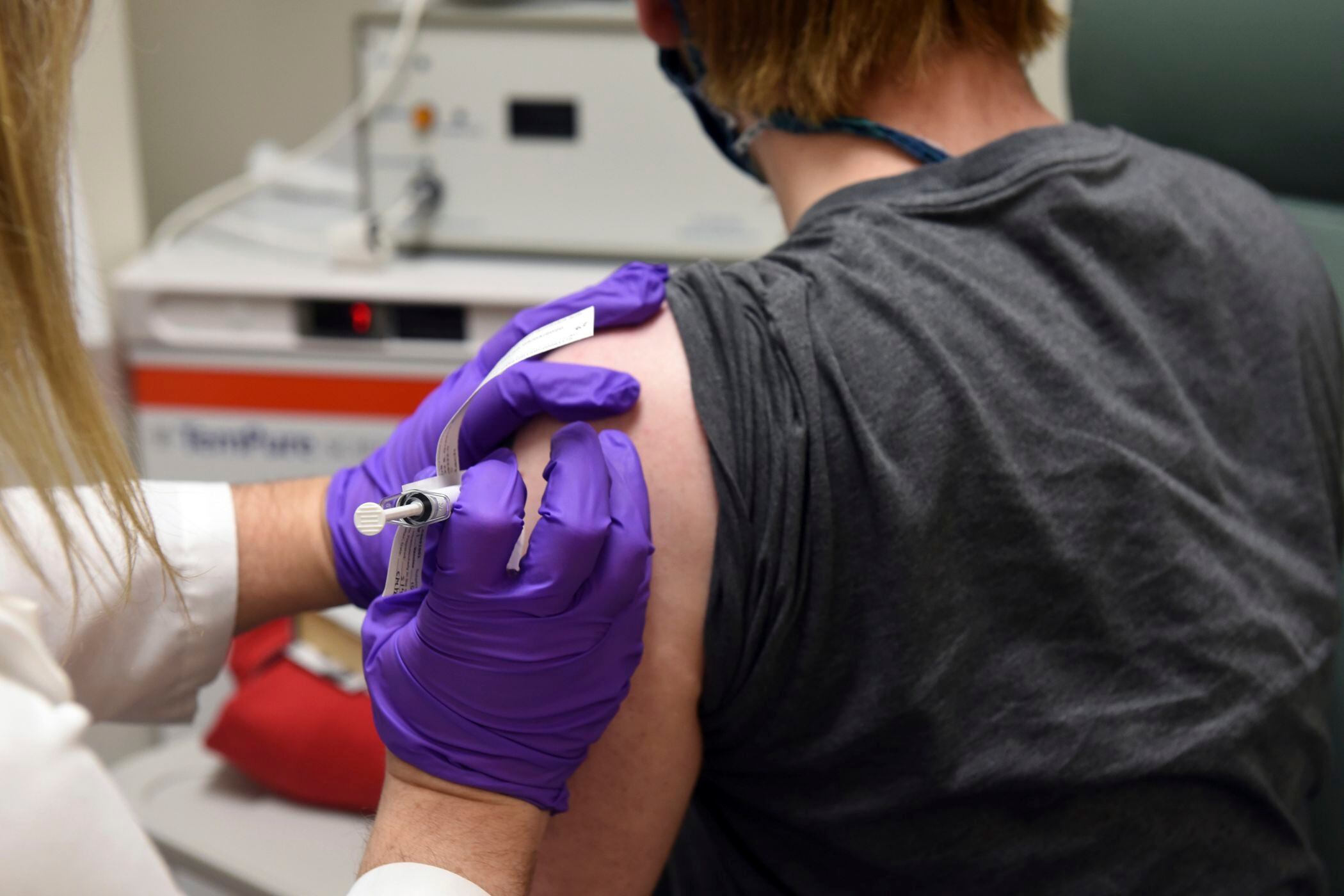
Facing public skepticism about rushed COVID-19 vaccines, U.S. health officials are planning an extra layer of safety scrutiny for the first people vaccinated when shots become available.
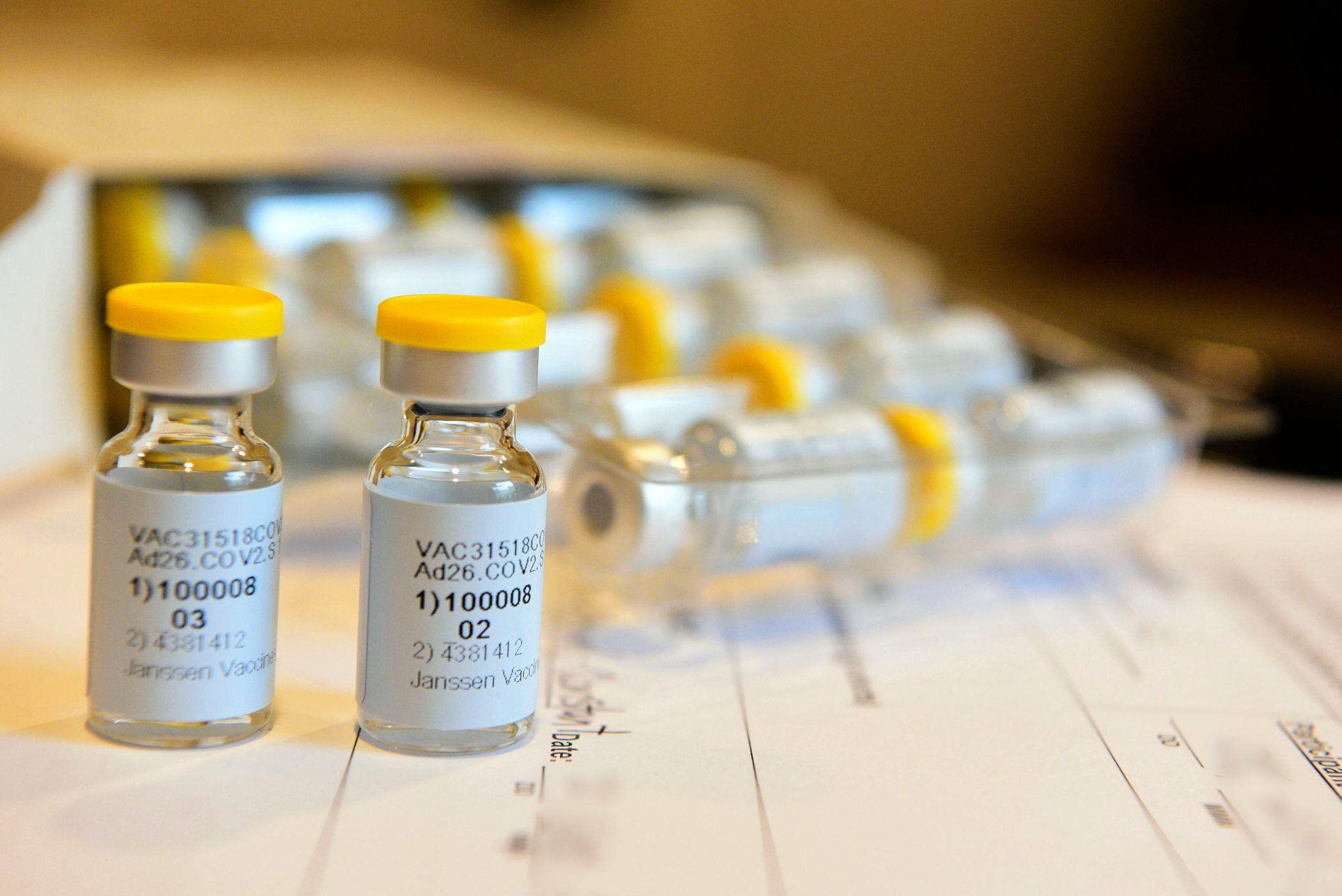
A late-stage study of Johnson & Johnson’s COVID-19 vaccine candidate has been paused while the company investigates whether a study participant’s “unexplained illness” is related to the shot.
At least 2 percent of American children are being raised by their grandparents, an arrangement that already has unique challenges for such families, but the COVID-19 pandemic is adding even more obstacles to contend with.
From Wall Street to Silicon Valley, these are the top stories that moved markets and had investors, business leaders, and entrepreneurs talking this week on Cheddar.
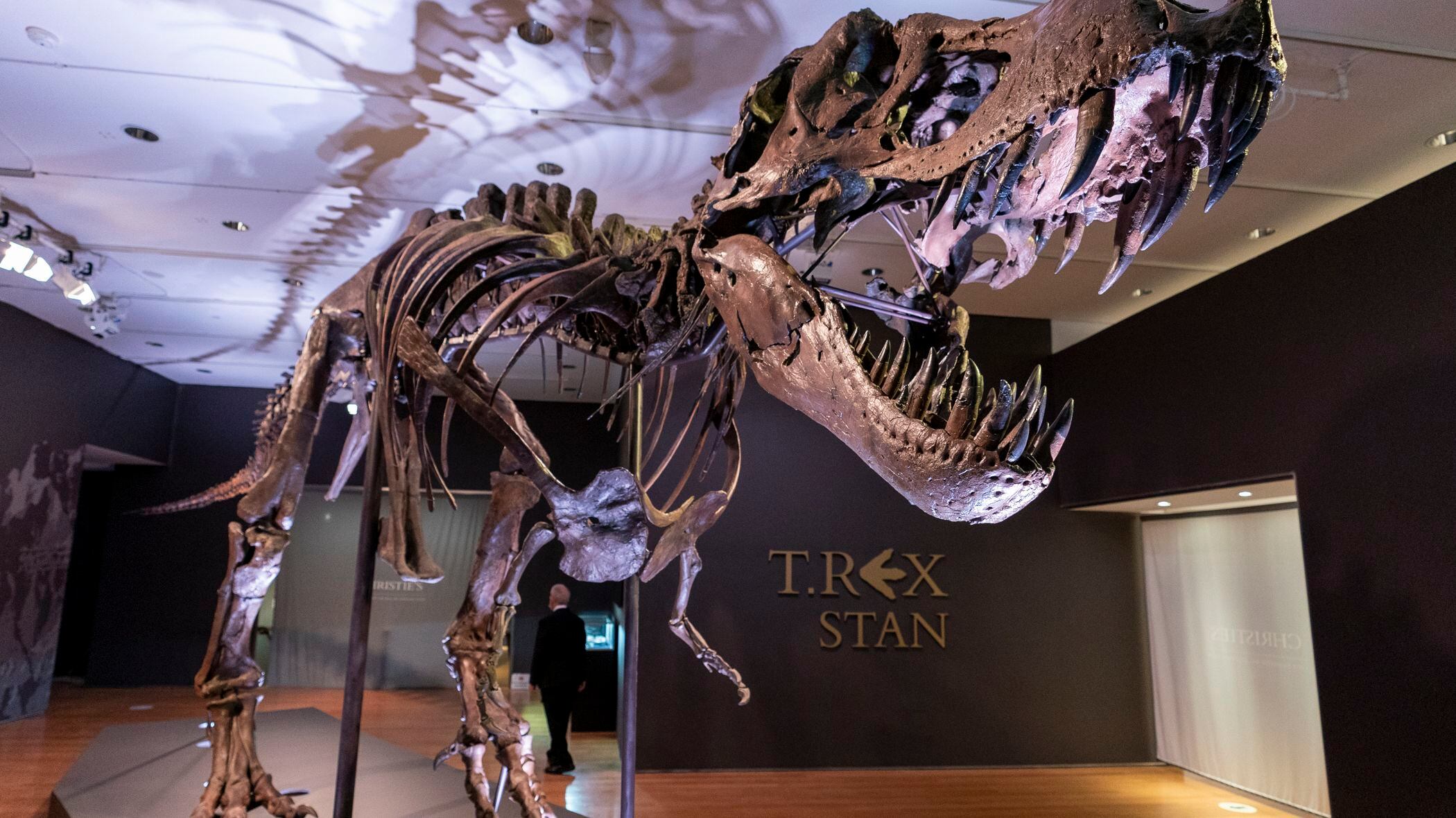
A 67 million-year-old Tyrannosaurus rex skeleton sold at Christie's Auction House for a record-shattering $31.8 million. Cheddar's Chloe Aiello takes a look into the sale of the massive complete fossil and Christie's virtual auction process.
Democratic lawmakers are speaking out against a proposed Labor Department rule that they argue would make it harder for retirement funds to consider important environmental factors when making investment decisions.