Industrial conglomerate 3M Company is partnering with the Massachusetts Institute of Technology to develop a cheaper, quicker COVID-19 test.
Right now, test results can take anywhere from a few hours to a week. Quest Diagnostics, for instance, said the average turnaround time at its labs is currently seven days.
3M's new test would function more like a pregnancy strip, a rapid paper-based test that could be mass-produced and quickly distributed at the point of care.
"In terms of patient experience, what we're looking to do is create that low-cost, highly-accurate, simple-to-use test that would be accessible to a lot of people," Dr. John Banovetz, chief technology officer for 3M, told Cheddar.
The antigen-based test, which looks at proteins on the virus, would offer a "preliminary view" of a patient's coronavirus status — though ideally, patients would follow up with a doctor, he added.
"Our goal would be a point-of-care test, so maybe it's taken in a doctor's office. Maybe you pick it up at the pharmacy," Banovetz said.
The goal is to start producing tests by the end of summer or early fall. Once manufacturing is rolling, 3M could produce millions of tests per day, according to the company.
As cases surge across the country and many anticipate a second wave in states where the infection rate has dropped off, calls for more testing are growing.
More than 41 million tests have been reported to the CDC, with a 9 percent positivity rate, but the U.S. continues to lag behind other countries by some measures.
In the meantime, the Trump administration is relying on the private sector to meet the demand for tests, putting pressure on companies such as 3M to come up with a solution.
"We're going as quick as we can right now," he said. "Our focus is trying to get that accuracy up and in a way that we know that we can mass-produce it. That's really where 3M can help contribute to this, our ability to be able to commercialize and bring to market new ideas and innovations."
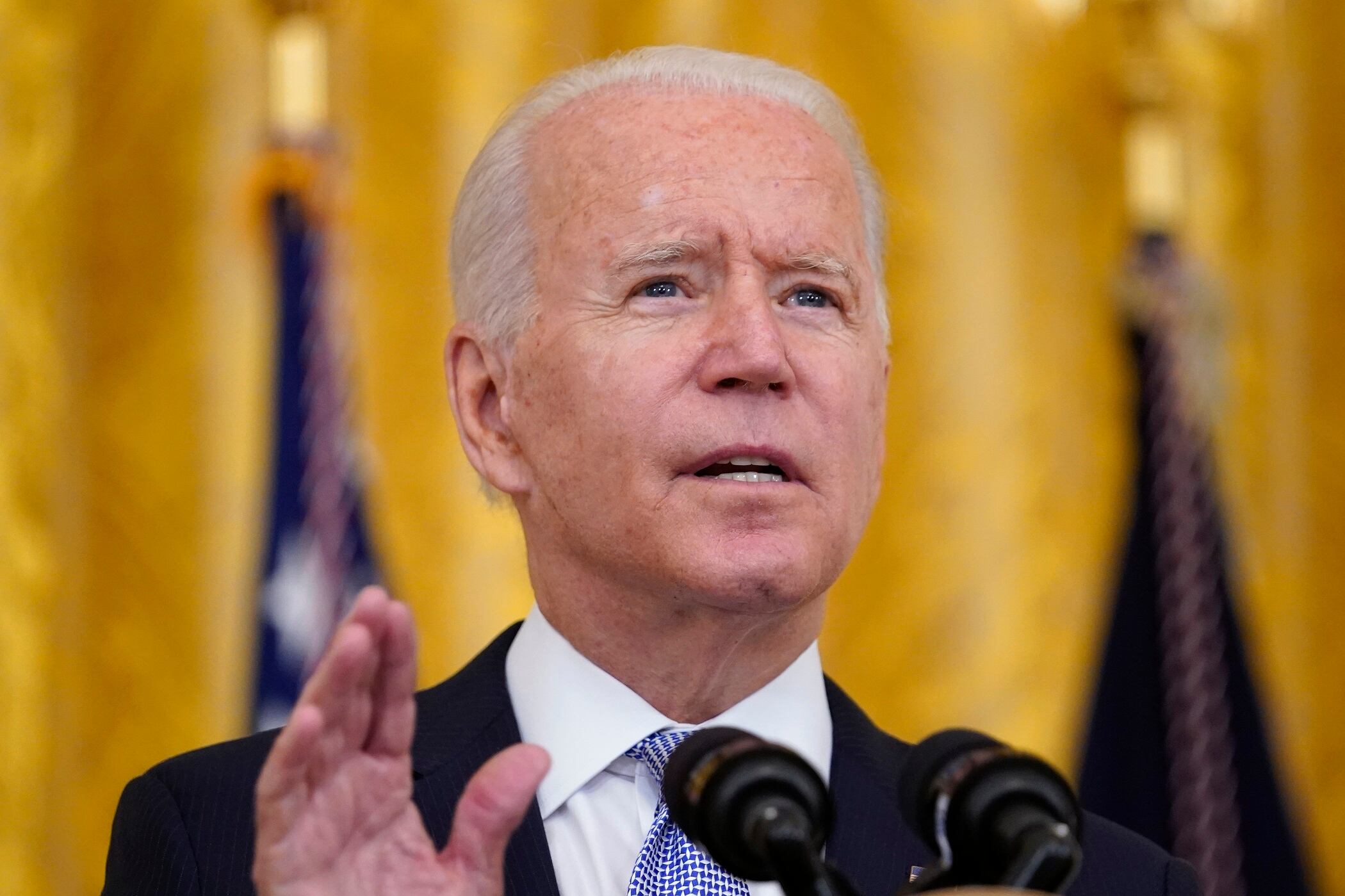
The Biden administration has announced sweeping new pandemic rules for federal workers and some contractors.
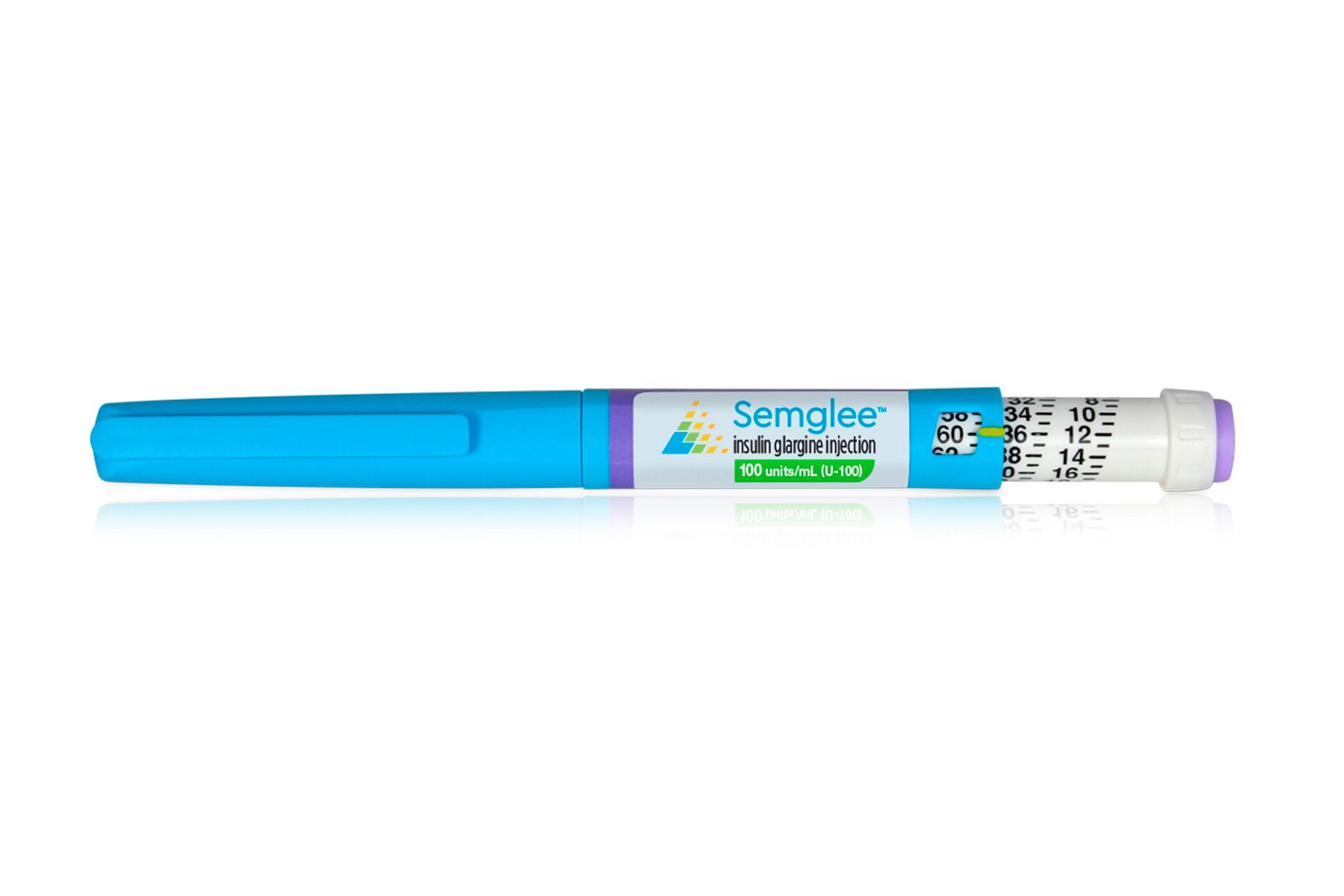
U.S. regulators have taken action that will make it easier to get a cheaper and similar version of a brand-name insulin at the drugstore.
The Centers for Disease Control and Prevention is reversing course on some masking guidelines. The agency announced new recommendations Tuesday that even vaccinated people should return to wearing masks indoors in parts of the U.S.
Vaccine Mandates, Osaka Out & LeVar Burton Takes Jeopardy!
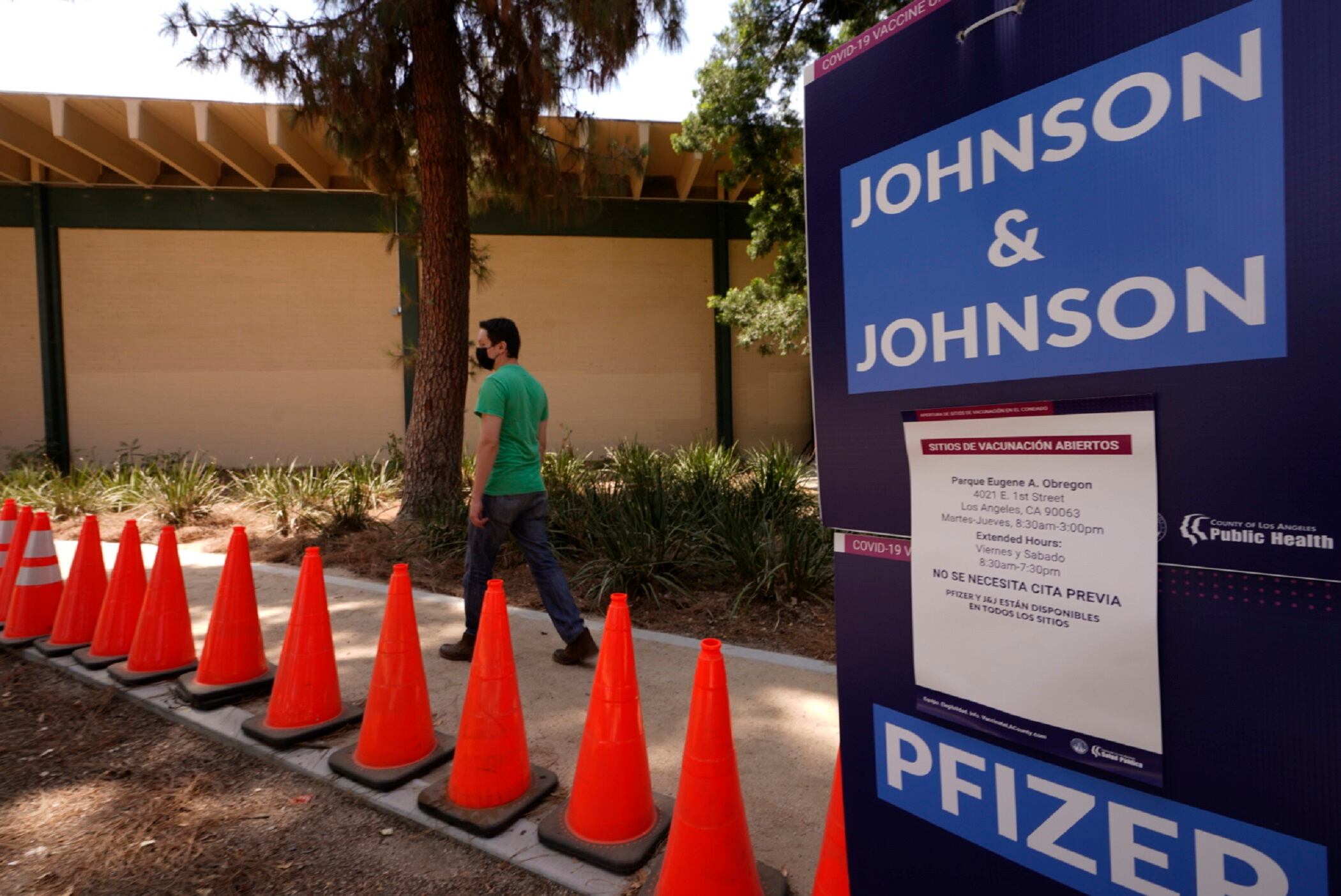
New York City will require all municipal workers to get coronavirus vaccines by mid-September or face weekly COVID-19 testing.
Team USA's Uneven Start, Optimism Plummets & 'Old' Stuns Box Office
The flame at Tokyo’s National Stadium and another cauldron burning along the waterfront near Tokyo Bay throughout the games will be sustained in part by hydrogen, the first time the clean fuel source will be used to power an Olympic fire.
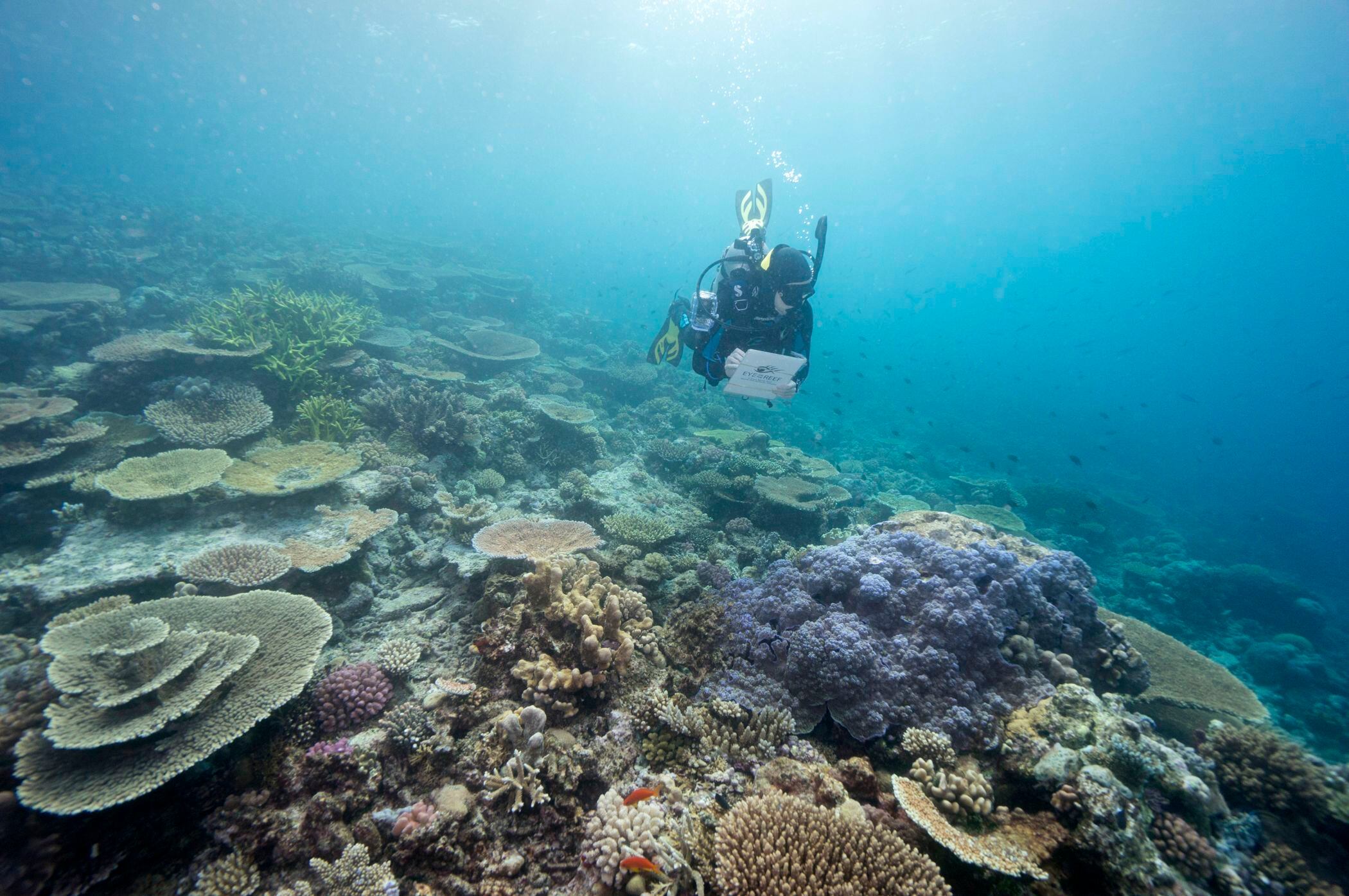
Australia has garnered enough international support to defer for two years an attempt by the United Nations’ cultural organization to downgrade the Great Barrier Reef’s World Heritage status because of damage caused by climate change.
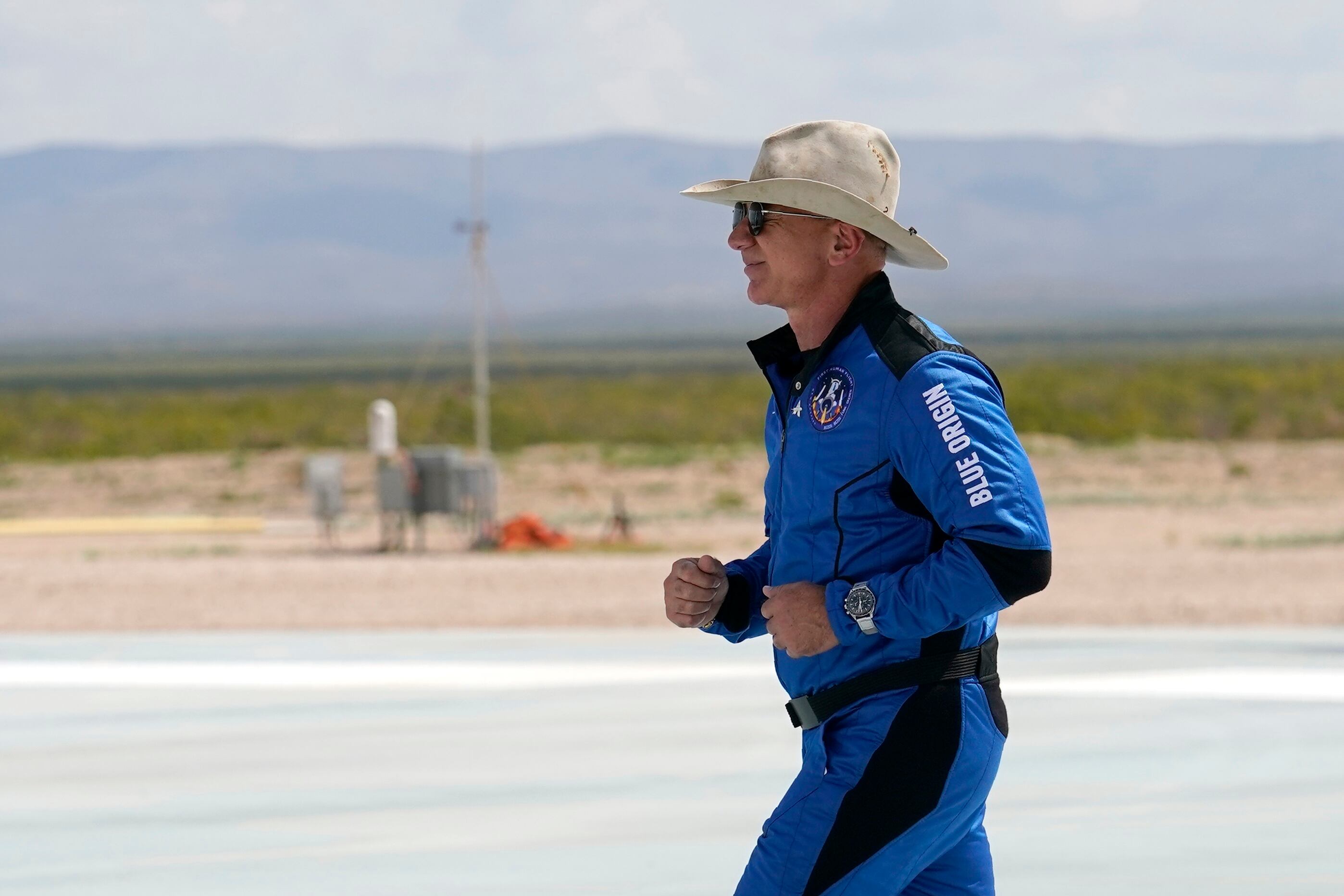
Amazon founder Jeff Bezos, along with three civilians, launched into space aboard a rocket and capsule developed by his private spaceflight company, Blue Origin. The highly-anticipated, historic flight lasted for about 11 minutes. This comes after Sir Richard Branson flight with Virgin Galatic nine days ago. Senior national correspondent from POLITICO Bryan Bender joined Cheddar News to discuss what the launch means for the future of space tourism.
The Canada goose isn't native to Long Island, New York but now flocks of them are permanent residents. While most are migratory, some have made their homes in the area especially as more wild areas turn into green spaces for parks, housing developments, and businesses. Long Island Geese Control has found a solution to get rid of the birds without using chemicals or harming them: They send in specially trained border collies to chase them away. President and CEO Bill Alemaghides joined Cheddar News to tell us more.