Industrial conglomerate 3M Company is partnering with the Massachusetts Institute of Technology to develop a cheaper, quicker COVID-19 test.
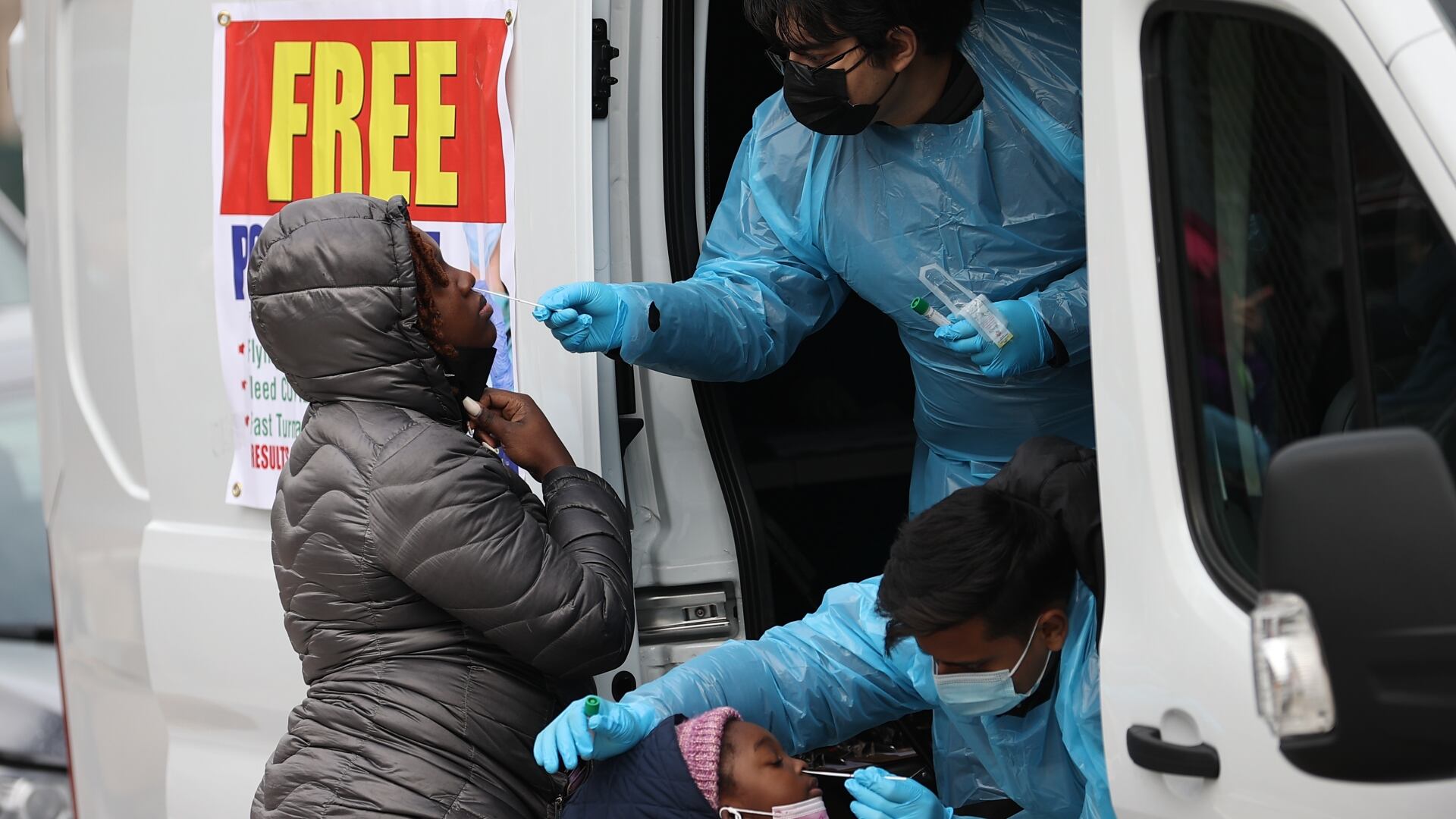
Right now, test results can take anywhere from a few hours to a week. Quest Diagnostics, for instance, said the average turnaround time at its labs is currently seven days.
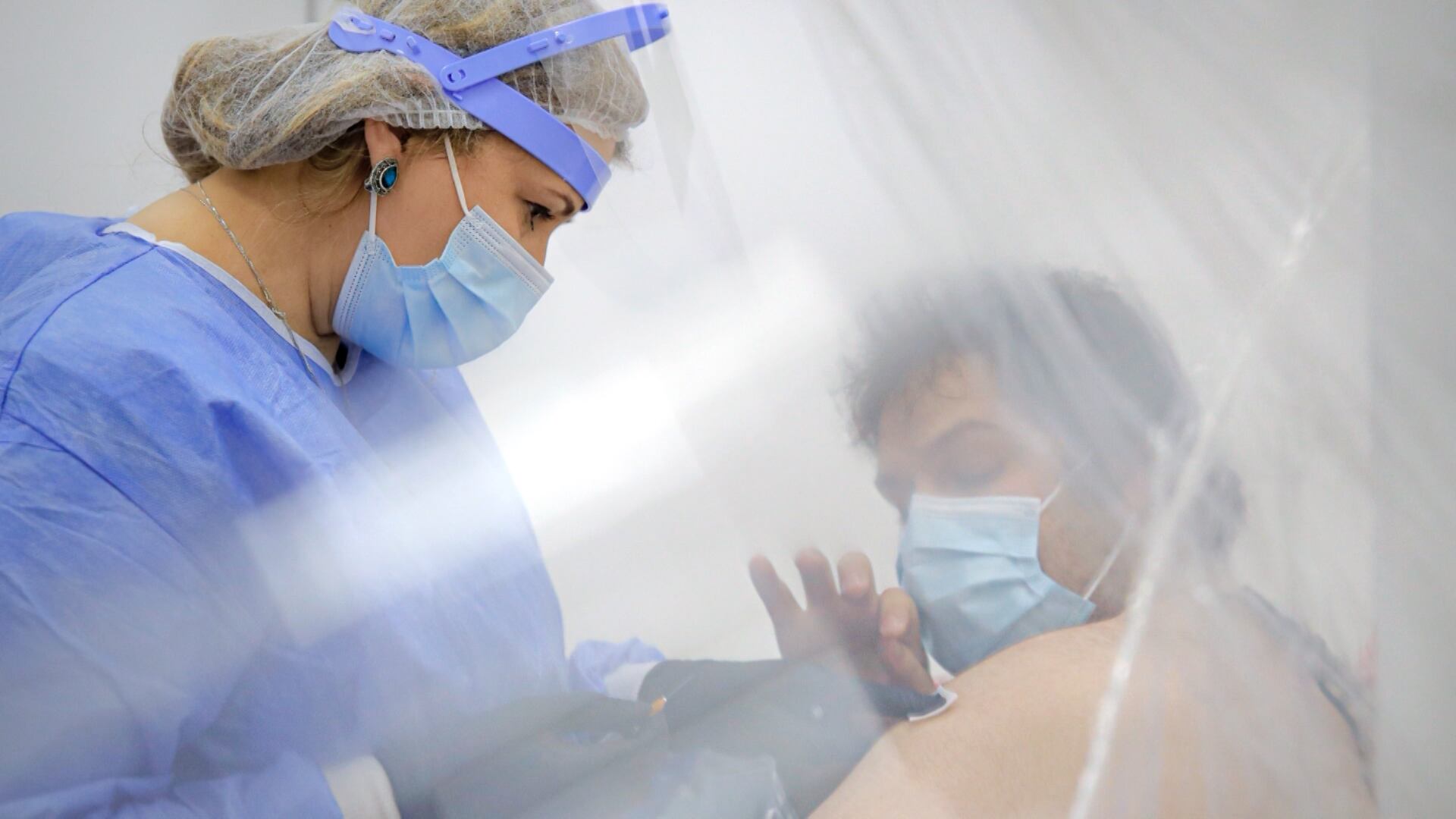
3M's new test would function more like a pregnancy strip, a rapid paper-based test that could be mass-produced and quickly distributed at the point of care.
"In terms of patient experience, what we're looking to do is create that low-cost, highly-accurate, simple-to-use test that would be accessible to a lot of people," Dr. John Banovetz, chief technology officer for 3M, told Cheddar.
The antigen-based test, which looks at proteins on the virus, would offer a "preliminary view" of a patient's coronavirus status — though ideally, patients would follow up with a doctor, he added.
"Our goal would be a point-of-care test, so maybe it's taken in a doctor's office. Maybe you pick it up at the pharmacy," Banovetz said.
The goal is to start producing tests by the end of summer or early fall. Once manufacturing is rolling, 3M could produce millions of tests per day, according to the company.
As cases surge across the country and many anticipate a second wave in states where the infection rate has dropped off, calls for more testing are growing.
More than 41 million tests have been reported to the CDC, with a 9 percent positivity rate, but the U.S. continues to lag behind other countries by some measures.
In the meantime, the Trump administration is relying on the private sector to meet the demand for tests, putting pressure on companies such as 3M to come up with a solution.
"We're going as quick as we can right now," he said. "Our focus is trying to get that accuracy up and in a way that we know that we can mass-produce it. That's really where 3M can help contribute to this, our ability to be able to commercialize and bring to market new ideas and innovations."
Experts say that at some point next year, the pandemic will officially drop its pandemic status, becoming endemic. While this is a milestone to acknowledge, it does not mean we're free of infections, illnesses, and deaths. Dr. Rajeev Fernando, infectious disease specialist, Beth Israel Hospital and fellow, joins Cheddar News' Closing Bell to discuss.
Chicago-based Internist Dr. Vivek Cherian joined Wake Up With Cheddar to break down the unprecedented surge in U.S. COVID-19 as many prepare to celebrate the new year.
Dr. Soumi Eachempati, co-founder and CEO of Cleared4 and former professor of surgery and public health at Weill Cornell Medical College, joined Cheddar to breakdown what people should know about the recently FDA-approved emergency use of Merck and Pfizer's COVID-19 treatment pills. He noted that not only do people need to be aware of other medications they are taking that could cause adverse effects if coupled with COVID-19 pill treatments, he also talked about the intense in-take regiment. "The Merck pills are actually about 40 pills over five days. The Pfizer ones are three pills over five days, so people have to be prepared for that because it is a lot of pills you'll have to take to get full value from these drugs," Eachempati told Cheddar.
Twitter is exploding with a new meme after the CDC revised its Covid-19 guidelines, shortening the recommended isolation period to five days instead of 10 for when you test positive and are asymptomatic. The change came amid a skyrocketing surge of new cases is the U.S. due to the Omicron variant, drawing criticism from experts and Twitter --with users claiming the government agency is giving funny advise on a variety of issues. But what does the meme say about the public’s trust in the agency? Cheddar News speaks with political strategist Hastie Afkhami.
The list of questions should be getting shorter as we enter the pandemic's third year, but that isn't the case. There's another question to add to that list: is the U.S. doing enough to track the virus and its variants? Lawrence Gostin, faculty director of the O'Neill Institute for national and global health law at Georgetown University, joins Cheddar News.
As we prepare to ring in the new year, COVID cases are hitting an all-time high. Dr. Anthony Fauci has said the safest way to celebrate would be a small gathering with vaccinated family members only... far from the large, flashy parties from a few years ago. Dr. Christina Johns, senior medical advisor at PM Pediatrics, joins Cheddar News to discuss how to celebrate safely.