Industrial conglomerate 3M Company is partnering with the Massachusetts Institute of Technology to develop a cheaper, quicker COVID-19 test.
Right now, test results can take anywhere from a few hours to a week. Quest Diagnostics, for instance, said the average turnaround time at its labs is currently seven days.
3M's new test would function more like a pregnancy strip, a rapid paper-based test that could be mass-produced and quickly distributed at the point of care.
"In terms of patient experience, what we're looking to do is create that low-cost, highly-accurate, simple-to-use test that would be accessible to a lot of people," Dr. John Banovetz, chief technology officer for 3M, told Cheddar.
The antigen-based test, which looks at proteins on the virus, would offer a "preliminary view" of a patient's coronavirus status — though ideally, patients would follow up with a doctor, he added.
"Our goal would be a point-of-care test, so maybe it's taken in a doctor's office. Maybe you pick it up at the pharmacy," Banovetz said.
The goal is to start producing tests by the end of summer or early fall. Once manufacturing is rolling, 3M could produce millions of tests per day, according to the company.
As cases surge across the country and many anticipate a second wave in states where the infection rate has dropped off, calls for more testing are growing.
More than 41 million tests have been reported to the CDC, with a 9 percent positivity rate, but the U.S. continues to lag behind other countries by some measures.
In the meantime, the Trump administration is relying on the private sector to meet the demand for tests, putting pressure on companies such as 3M to come up with a solution.
"We're going as quick as we can right now," he said. "Our focus is trying to get that accuracy up and in a way that we know that we can mass-produce it. That's really where 3M can help contribute to this, our ability to be able to commercialize and bring to market new ideas and innovations."
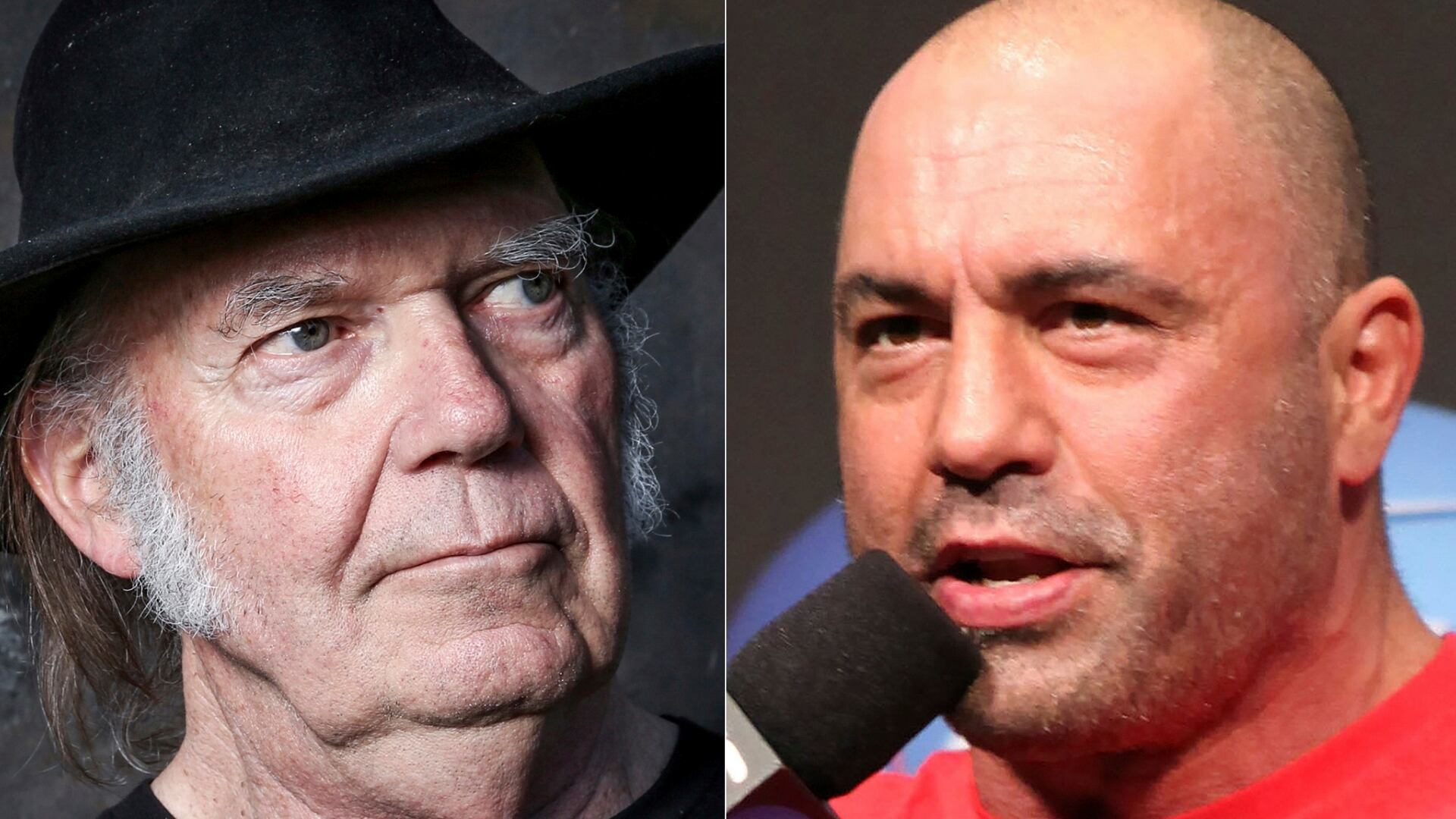
Neil Young has come up with an ultimatum for Spotify: his music or Joe Rogan’s podcast. This comes over concerns that the podcast is spreading COVID-19 vaccine misinformation to its listeners. "The Joe Rogan Experience," which is exclusive to Spotify, is currently the number one streamed podcast on the platform.
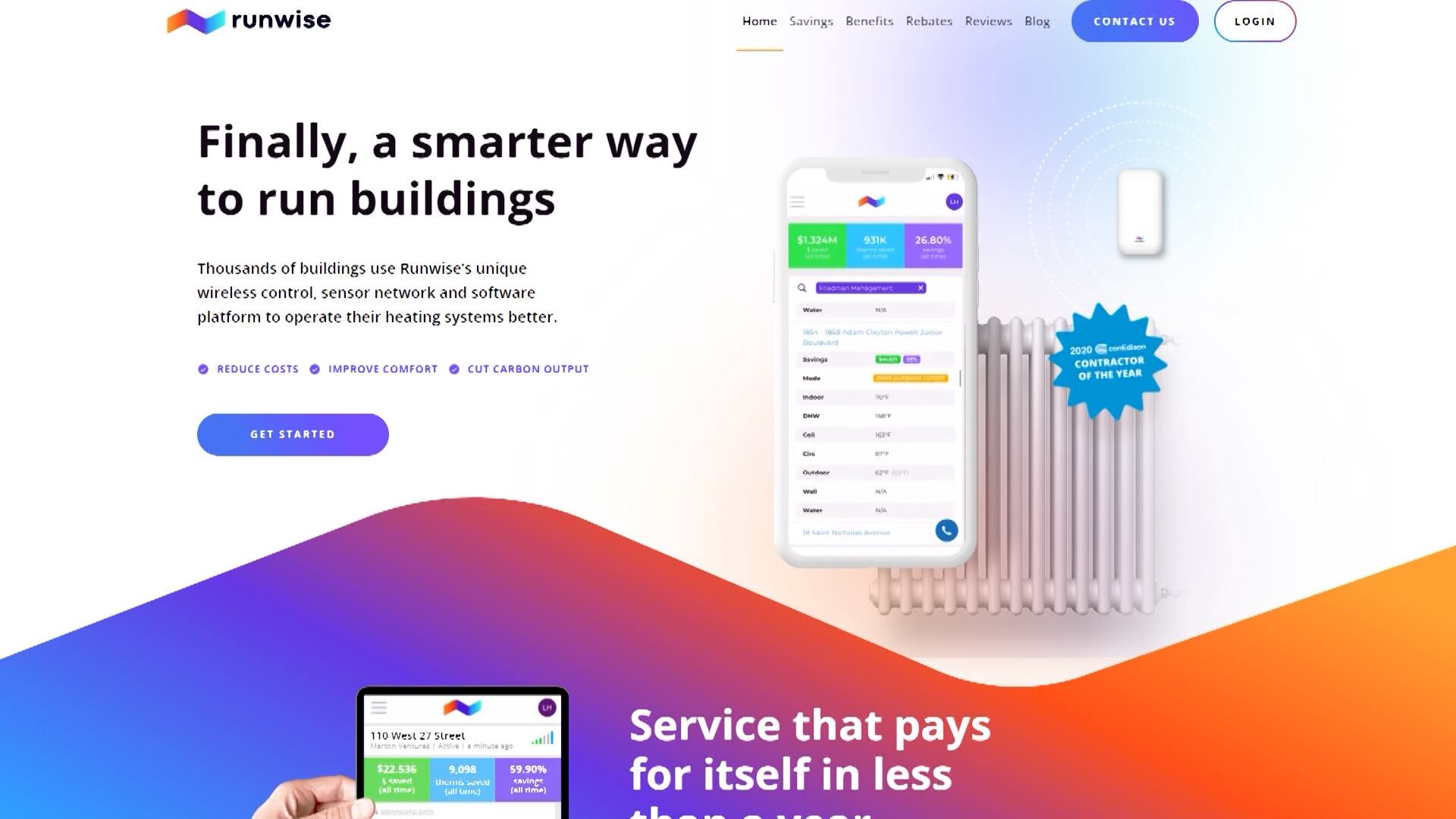
Commercial and residential buildings account for 13% of carbon emissions in the U.S., according to the EPA, and one company says it has a solution. Runwise says it has updated the boiler and heating systems of thousands of buildings, and that its technology not only lowers carbon output but also saves landlords money. Lee Hoffman, Co-Founder and COO of Runwise, joined Cheddar Climate to discuss.
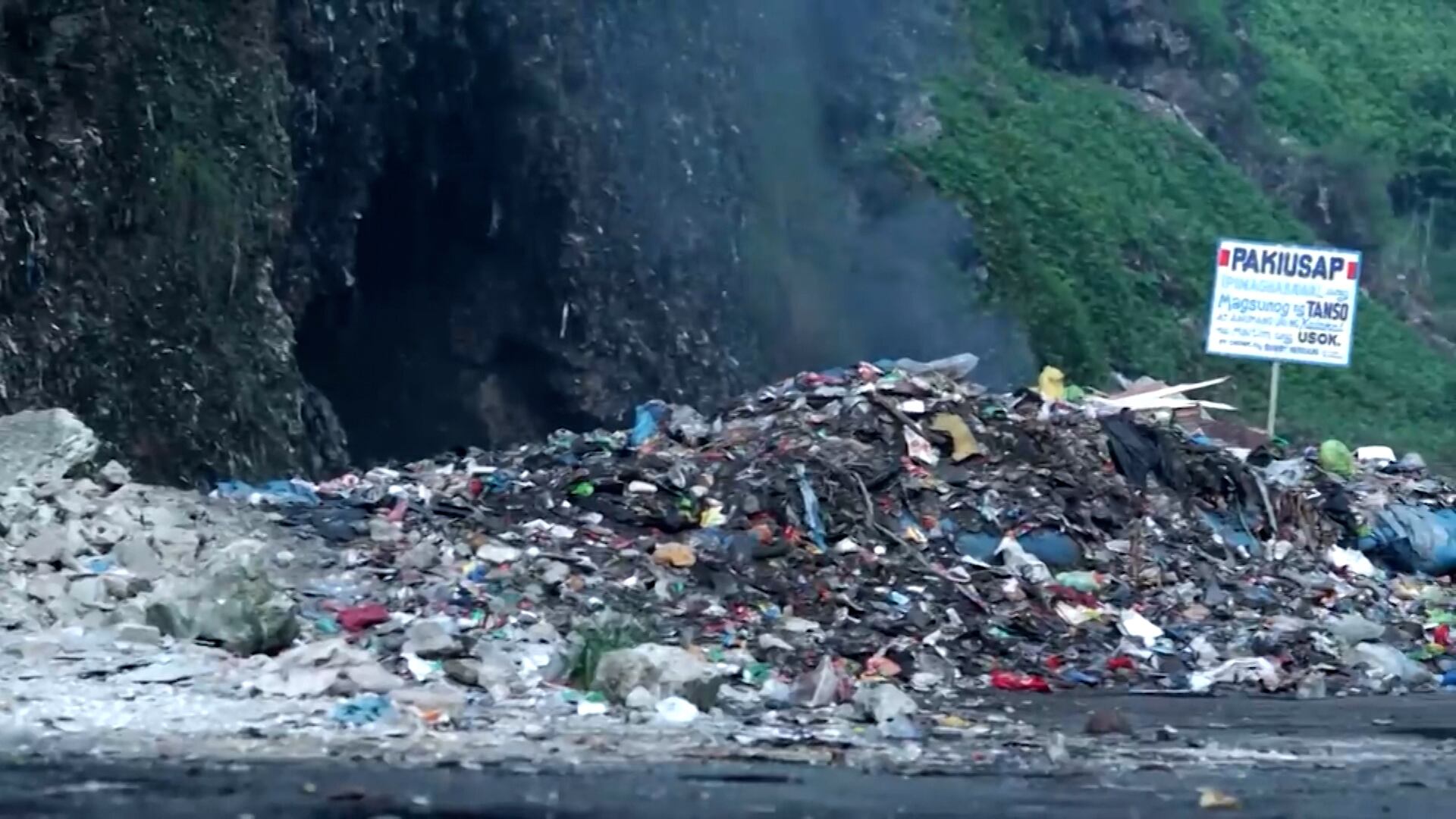
Jo Ruxton, Founder of Ocean Generation, joins Cheddar Climate, where she explains the threat that plastic pollution poses to marine life, but elaborates on why we shouldn't be looking to ban plastic entirely. Ruxton also discusses her biggest takeaways while producing the film ‘A Plastic Ocean.'
President Joe Biden's Build Back Better deal seems all but finished after months of Democratic infighting and the Senate's deadlock over certain provisions. But Biden mentioned during a press conference marking his first year in office that 'chunks' of the bill could be passed. Is that enough motivation to force Democrats to rally around certain parts of the bill - especially those that focus on climate and green energy? Andrew Freedman, Energy and Climate Reporter at Axios, joins Cheddar Climate to discuss whether Senate Democrats will be able to rally around climate provisions, if the idea of passing Build Back Better in 'chunks' is doable, and more.
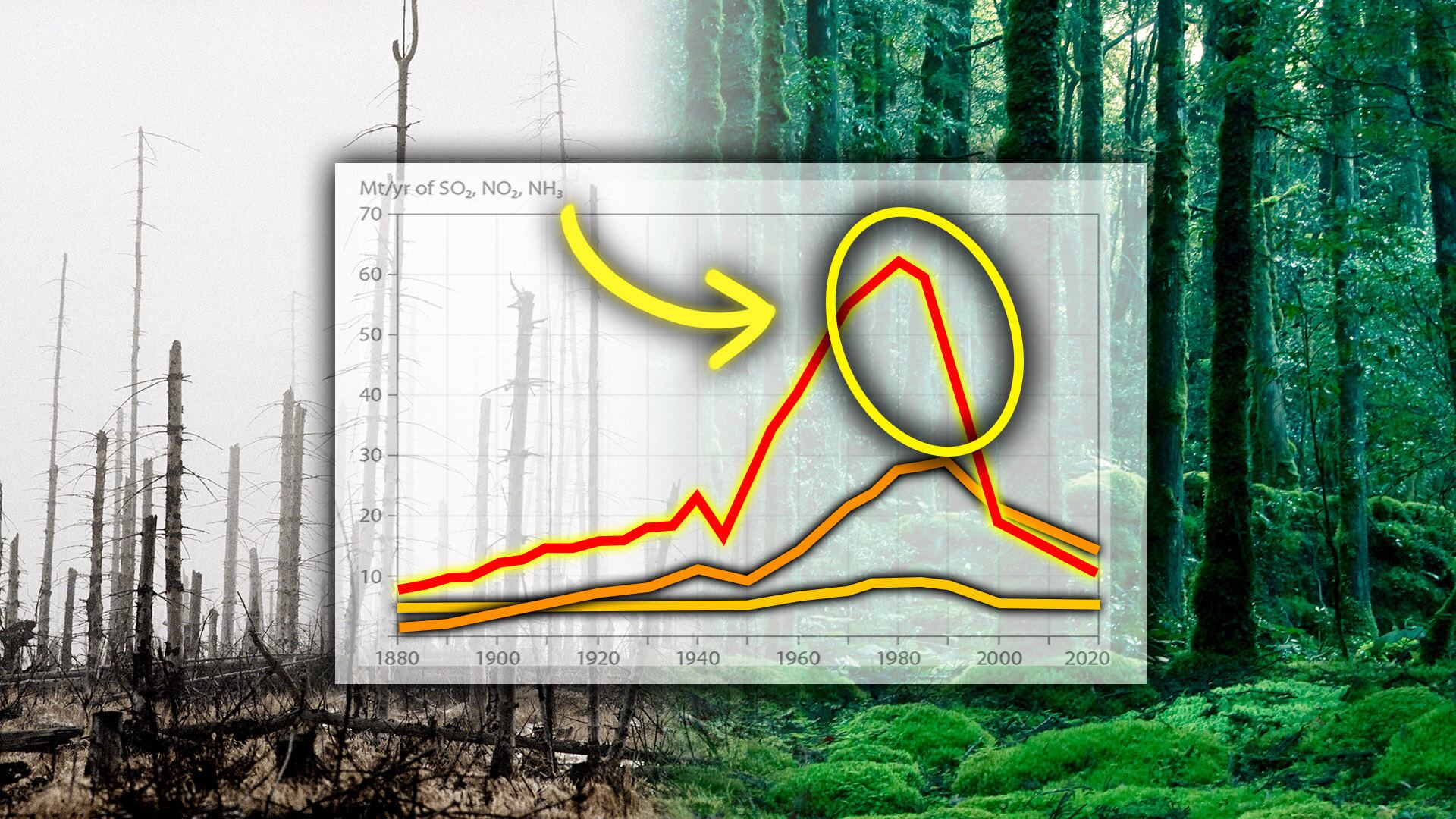
Anyone who remembers the 70s and 80s will probably remember acid rain. Industrial emissions acidified precipitation around the globe, which killed forests and crops, rendered lakes inhospitable, corroded buildings, and exacerbated human health problems.
But anyone who follows environmental news will be surprised to learn this: we solved it! Countries came together to limit acid rain-causing emissions, eliminating the problem altogether.
…kind of. Acidic precipitation may not be a thing of the past after all.
Natalie Ginsberg, Global Impact Officer, MAPS, joins Cheddar Reveals to discuss MAPS organization and its current initiatives and their work to get FDA approval for MDMA to treat PTSD.
Kelsey Ramsden, Co-Founder, President & CEO, Mind Cure Health, joins Cheddar Reveals to break down what 'psychedelic therapy' could look like once it's legalized and how Mind Cure Health is using AI to help treat everything from addiction to depression.
On this episode of Cheddar Reveals, Natalie Ginsberg, Global Impact Officer, MAPS, discusses the MAPS organization and its current initiatives and their work to get FDA approval for MDMA to treat PTSD; Kelsey Ramsden, Co-Founder, President & CEO, Mind Cure Health, breaks down what 'psychedelic therapy' could look like once it's legalized and how Mind Cure Health is using AI to help treat everything from addiction to depression; Cheddar gets a look at Curiosity Stream's 'Pain, Pus and Poison.'