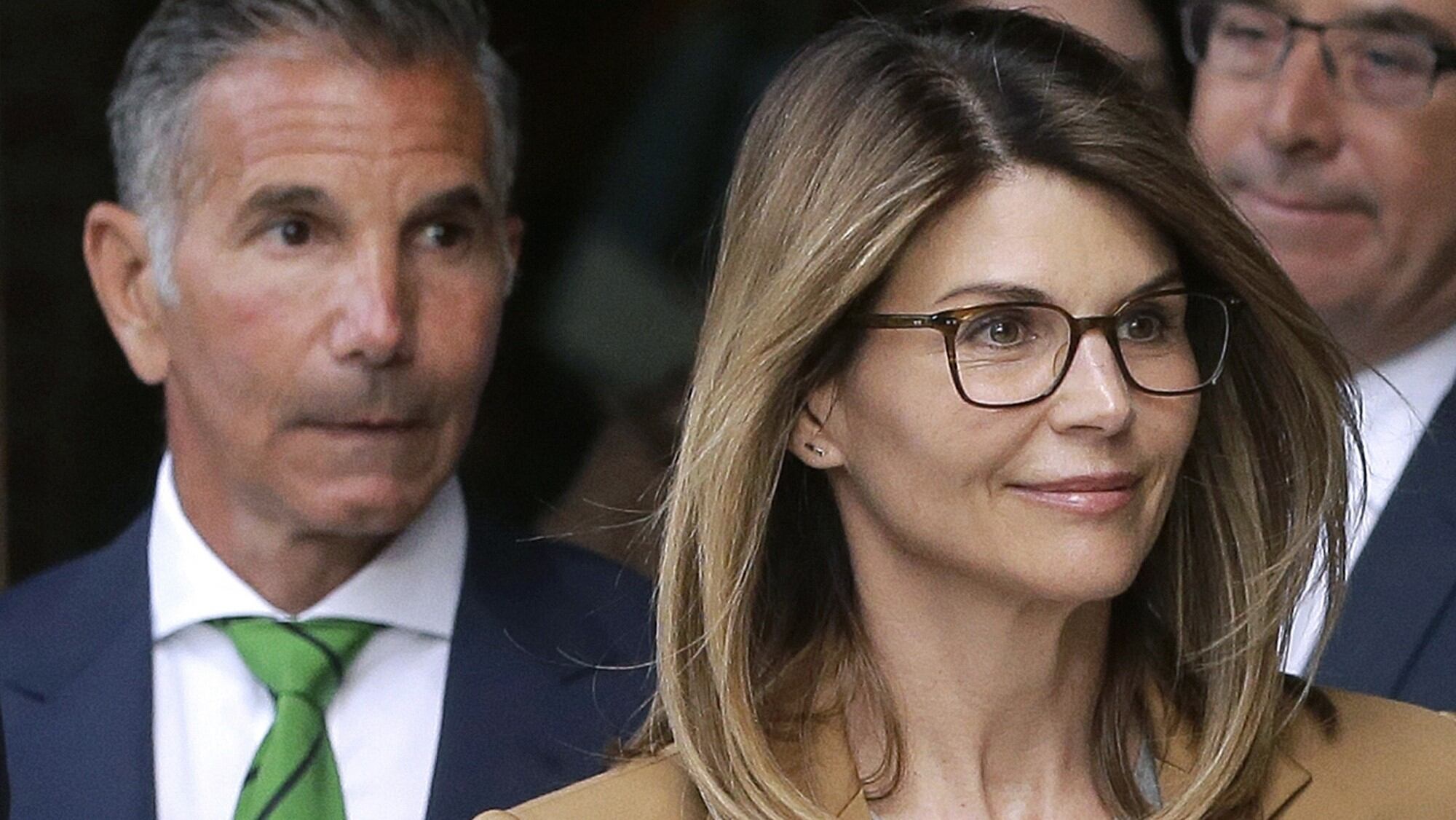
In this April 3, 2019 file photo, actor Lori Loughlin, front, and husband, clothing designer Mossimo Giannulli, left, depart federal court in Boston after facing charges in a nationwide college admissions bribery scandal. Loughlin was released from federal prison in Dublin, Calif., Monday, Dec. 28, 2020, after spending two months behind bars for paying half a million dollars in bribes to get her two daughters into college. (AP Photo/Steven Senne, File)
By Alanna Durkin Richer
“Full House” actor Lori Loughlin was released from prison Monday after spending two months behind bars for paying half a million dollars in bribes to get her two daughters into college.
Loughlin was released from the federal lockup in Dublin, California, where she had been serving her sentence for her role in the college admissions bribery scheme, the federal Bureau of Prisons said. Her husband, fashion designer Mossimo Giannulli, is serving his five-month sentence at a prison in Lompoc near Santa Barbara, California.
Loughlin and Giannulli were both initially supposed to report to prison on Nov. 19, but prosecutors and defense attorneys agreed Loughlin could start her sentence on Oct. 30. Loughlin also agreed that she would not seek early release on coronavirus-related grounds, prosecutors said.
Giannulli is scheduled to be released on April 17, the Bureau of Prisons says.
Loughlin and Giannulli were among the highest-profile defendants charged in the scheme, which revealed the lengths to which some wealthy parents will go to get their children into elite universities.
The famous couple admitted in May to paying $500,000 to get their two daughters into the University of Southern California as crew recruits even though neither girl was a rower. Their guilty plea was a stunning reversal for the couple, whose lawyers had insisted for a year were innocent and accused investigators of fabricating evidence against them.
The only public comments either Loughlin or Giannulli made about the case since their arrest last year came at their sentencing hearings in August. Loughlin told the judge her actions “helped exacerbate existing inequalities in society” and pledged to do everything in her power to use her experience as a “catalyst to do good."
Their younger daughter, social media influencer Olivia Jade, made her first public remarks about the scandal this month on the series “Red Table Talk." Olivia Jade said she doesn't want or deserve pity.
“We messed up. I just want a second chance to be like, ‘I recognize I messed up.’ And for so long I wasn’t able to talk about this because of the legalities behind it," she said.
Of the nearly 60 parents, coaches and others charged in the case, about a dozen are still fighting the allegations. The sentences for the parents who have pleaded so far in the case range from a couple weeks to nine months.
Developers for the video game "Call of Duty: Warzone" staged a walkout in protest of 12 quality assurance testers being laid off by parent company Activision Blizzard. This marks the latest work stoppage for the embattled game publishing giant.
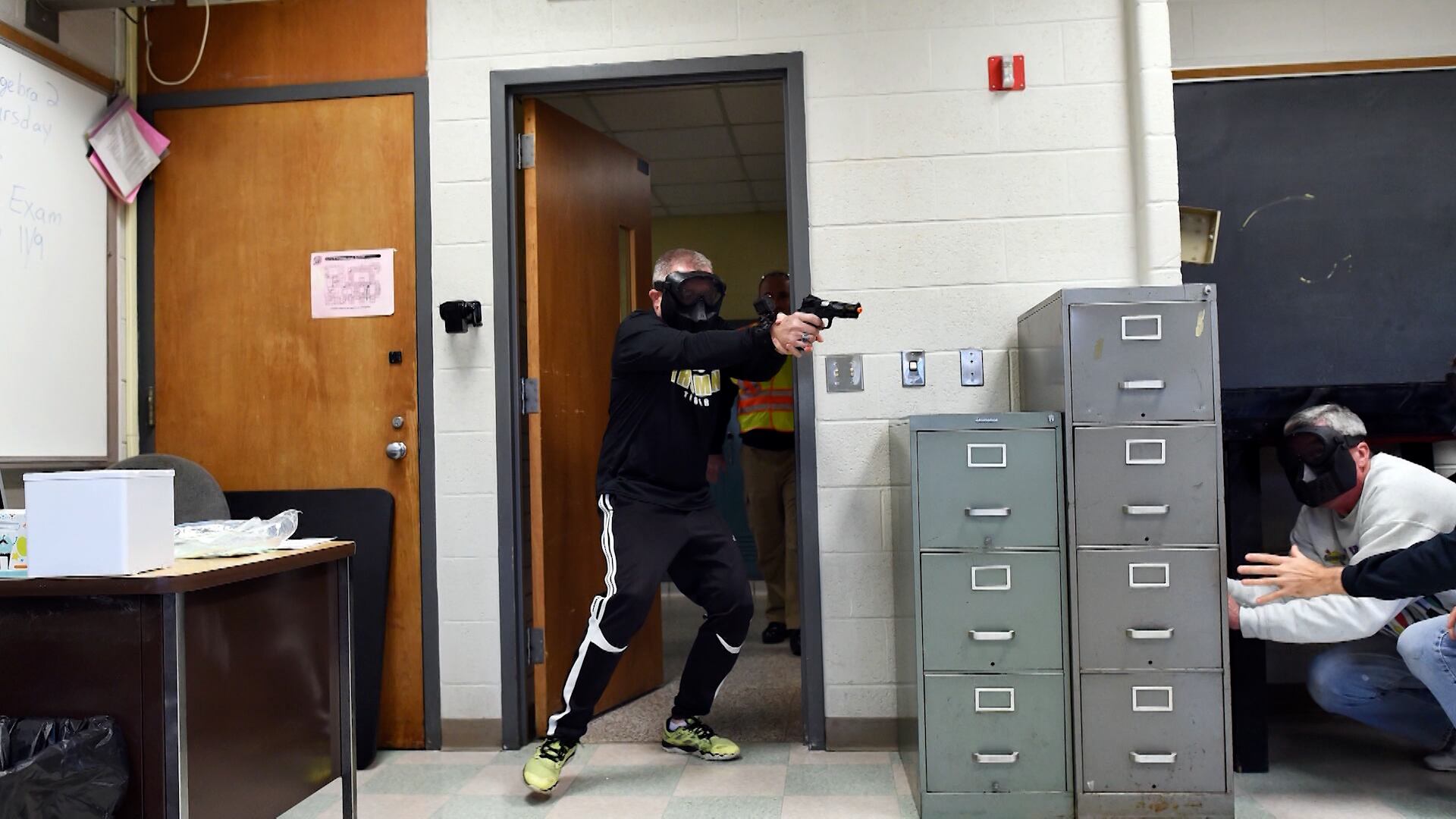
The most recent school shooting in Michigan is highlighting the tragic fact that U.S. shootings on campuses are ticking up. The aftermath of these incidents leaves students, faculty, and families suffering intense trauma with lasting effects. Darby Fox, an adolescent family therapist, joins Cheddar News to discuss how school shootings impact the mental health of students and their families.
With so many high-profile court cases taking over the media, from the trial over the murder of Ahmaud Arbery to the trial of Kyle Rittenhouse to the ongoing Elizabeth Holmes trial, Cheddar took a look at these cases and why there is such a big interest in them. Rachel Fiset, a white collar criminal defense lawyer and partner with Zeiback, Fiset, and Coleman, and Bryan Hance, attorney-at-law, professor, and academic program director of the pre-law and paralegal studies program at National University, joined Cheddar for a roundtable discussion on why there is so much public interest in so-called courtroom drama.
2022 is just around the corner and one of the world's most famous trendspotters says that there is a wide-ranging mix of trends coming up in the new year that could impact businesses, culture, and our society at large.
Trendspotter and cultural zeitgeist analyst Marian Salzman, joined Cheddar to discuss more.
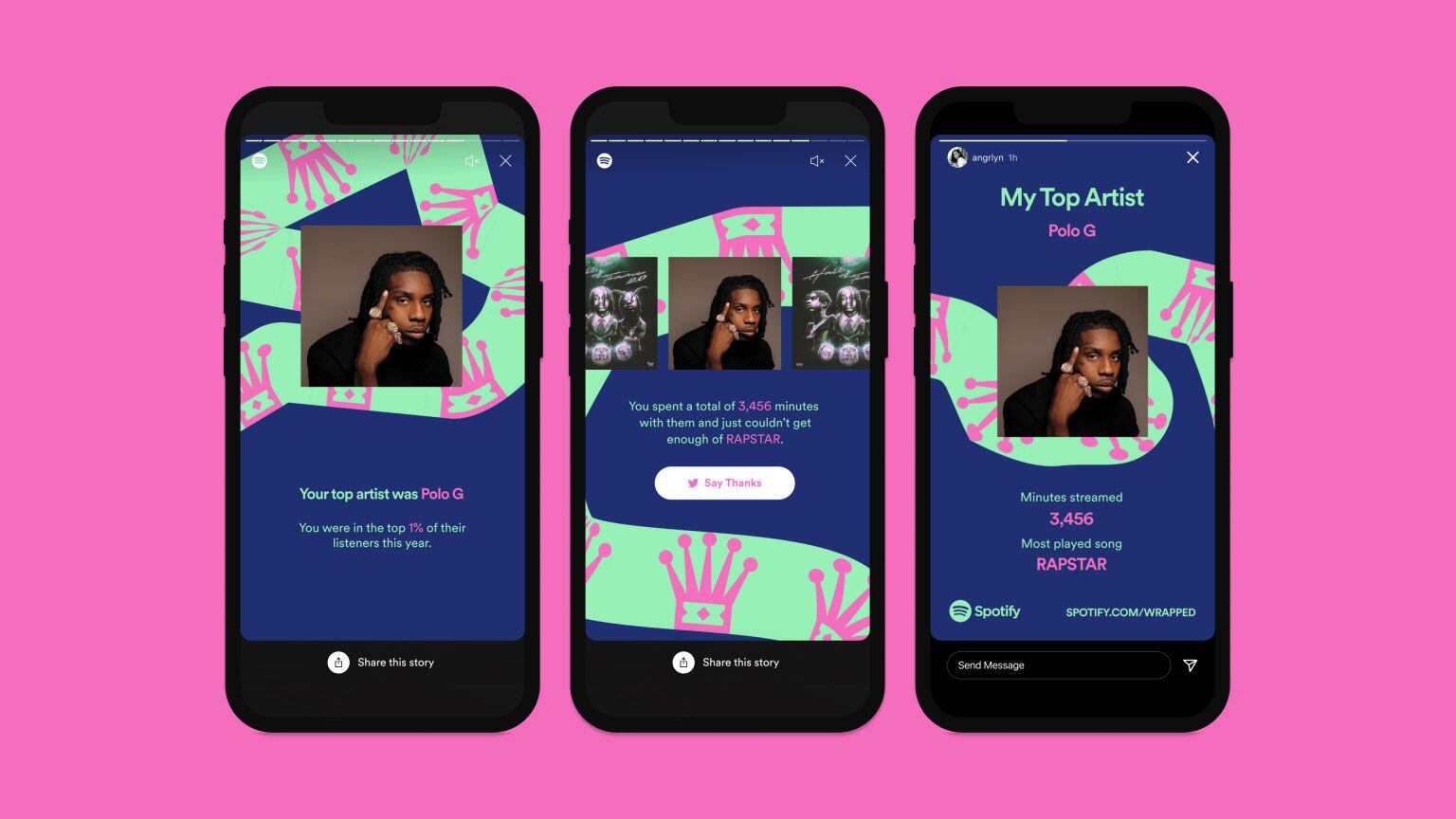
Spotify has just officially released its 2021 'Wrapped'. For the past few years, the streaming giant has been presenting customers with their listening habits from the prior year, including favorite artists, most listened to the genre, podcasts, songs you name it. However, critics say this method just shows how apps can collect our data. CEO of Prevailion Karim Hijazi, joined Cheddar to discuss more.
Recent internal documents obtained by the New York Times reveal how exactly TikTok's algorithm works. The report highlights how the app is mainly focused on retaining two metrics which are retention and time spent. In addition, the document titled, "TikTok Algo 101" details how the algorithm understands human nature from when we get bored to our sensitivity and culture ques. It means the app monitors will kind of videos you like. Professor of Computer Science at the University of California in San Diego Julian McCauley, joined Cheddar to discuss more.
According to a recent study by a group of international researchers, artificial intelligence can predict new illegal drugs before they hit the streets. This method could help save lives and fight crime. Professor of Computing Science at the University of Alberta, joined Cheddar to discuss more.
Carlo and Baker discuss the sweeping new vaccine mandate in NYC that will target all private businesses. Plus, Trump's media venture gets its CEO and more.