L'Oreal Launches First Battery-Free Wearable for UV Protection
In 1935 L'Oreal developed the first commercial sunscreen product. Now, the beauty company is out with the first battery-free wearable that help will with UV protection. UV Sense could usher in a new wave of preventative sun skin care.
Guive Balooch is the Global Vice President of L'Oréal's Technology Incubator. Balooch explains the importance of creating a wearable that is as fashionable as it is functional. UV Sense is the only wearable that has no battery. This makes the device small enough to fit on a consumer's fingernail.
Balooch says the key to creating a wearable that people want is to make it have actionable results and make it something fashionable that people want it to wear.
UV Sense is being piloted this year and should be officially launched for commercial purchasing in 2019.
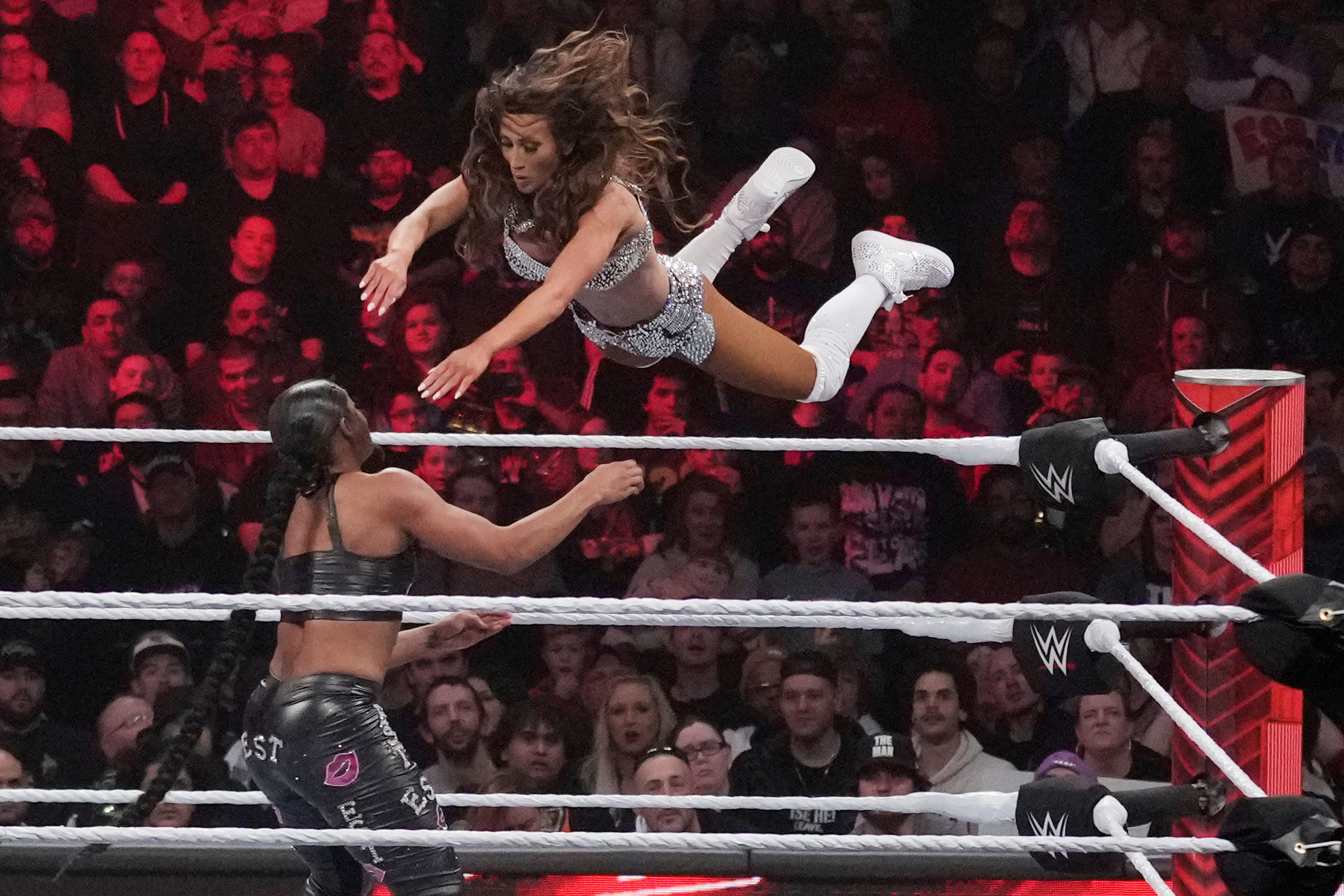
WWE’s weekly television show, “Raw,” will move to Netflix next year as part of a major streaming deal worth more than $5 billion. WWE, which is part of TKO Group Holdings Inc., said Tuesday that “Raw” will air on Netflix starting in January 2025.
Propublica national reporter Peter Elkind shares details on his investigation into how scammers stole over $1 billion using Walmart's gift cards and financial services, and how consumers can protect themselves.
Ed Siddell, CEO and Chief Investment Advisor at EGIS financial explains why election years tend to cause bull markets, the latest inflation data, and why he’s concerned about the ‘debt bubble.’
Archer Aviation founder and CEO Adam Goldstein shares big news about the aerospace company's new partnership with NASA and why they want to make your trip to the airport just five minutes long.
iFit CEO Kevin Duffy shares how the company is bringing artificial intelligence-powered workouts to consumers, plus other fitness trends to be on the lookout for in 2024.
Macy’s is rejecting a $5.8 billion takeover offer from investment firms Arkhouse Management and Brigade Capital Management, saying they didn’t provide a viable financing plan. The firms offered $21 per share for the stock they don’t already own.