One of the greatest unsolved mysteries of our time may have had a different ending if it had happened today.
That’s according to Emmy-winner Anthony Hemingway, director and executive producer of the new true crime series “Unsolved”, which tells the story of Biggie and Tupac.
He points out that the killings, which took place over two decades ago, occurred at a time when hip hop and rap weren’t as mainstream as they are today. There was also no social media back then.
Today, those two factors would probably have culminated in a different outcome, says Hemingway, who also produced “The People v. OJ Simpson.”
“Unsolved” attempts to answer the questions behind the shootings of the two rival rap superstars, examining not just what happened but the context surrounding the events.
“This was a period of time that was on the heels of the O.J. trial, the Rampart scandal, even [the] L.A. riots,” Hemingway explains. “L.A. at the time was volatile."
Add to that tinderbox the notorious reputations of both Tupac Shakur and The Notorious B.I.G.
“We’ve only really been given the negative of their story,” he says.
In an attempt to change that, Hemingway’s series tries to “humanize” the two rappers and put forth an idea of “who they could’ve been today.”
“[The] theme that really drove us through the story is perception and how perception challenges your best judgements, how perception dictates treatment,” he says.
Hemingway hopes the series will “shine a light on what we continue to struggle with -- the injustices that are happening, that have just been systemic for a very long time.”
“Unsolved: The Murder Of Tupac and Notorious B.I.G.” premieres on February 27 on USA Network.
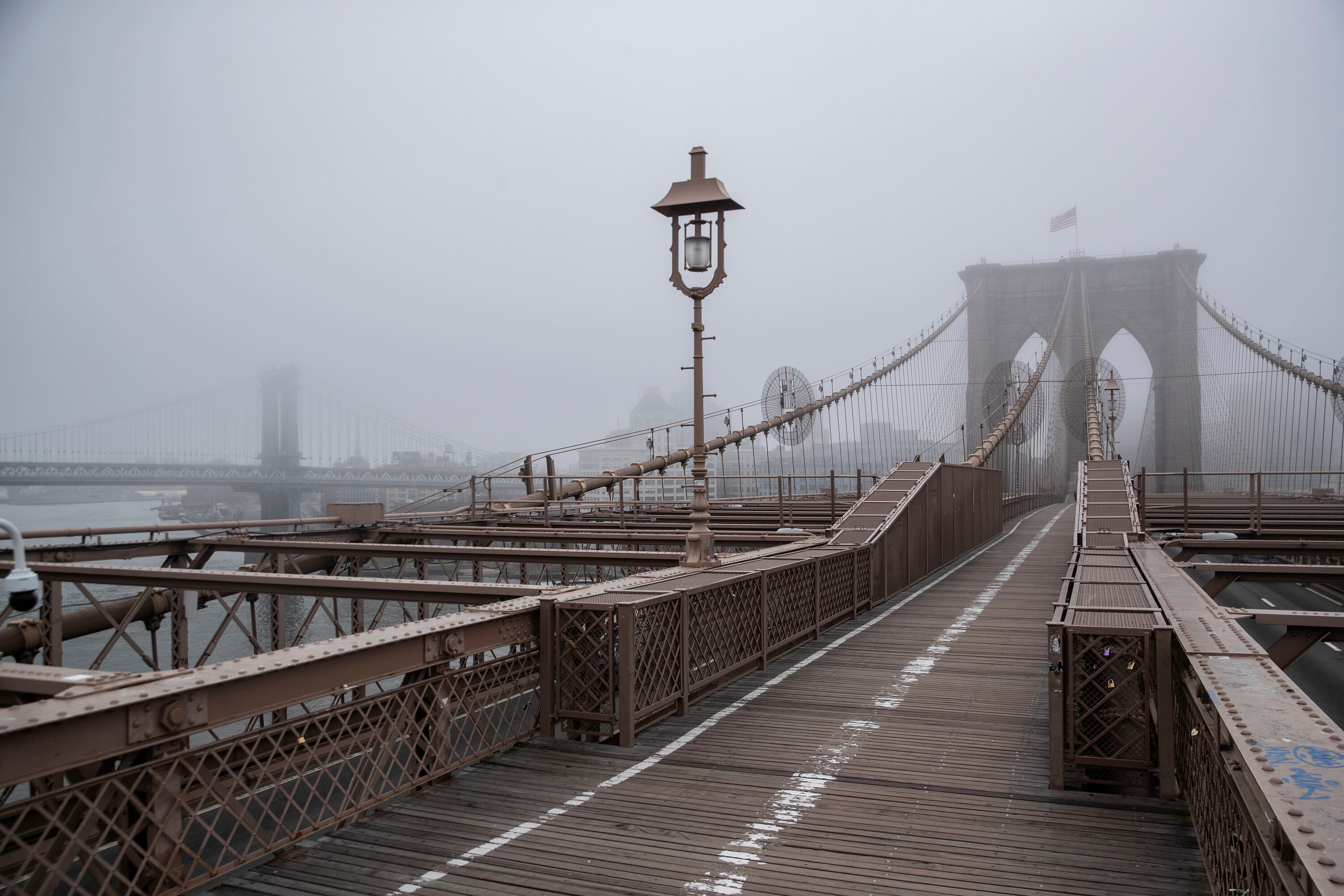
New York is joining California in seriously altering daily operations after Governor Andrew Cuomo announced he will sign an executive order mandating that 100 percent of the non-essential workforce stay home. The order will go into effect Sunday night.
As a producer at Cheddar, Brian Henry feels incredibly lucky to be working at a company where working from home is an option amid the coronavirus outbreak. That said, it’s an adjustment. Here are the songs that are getting him through it.
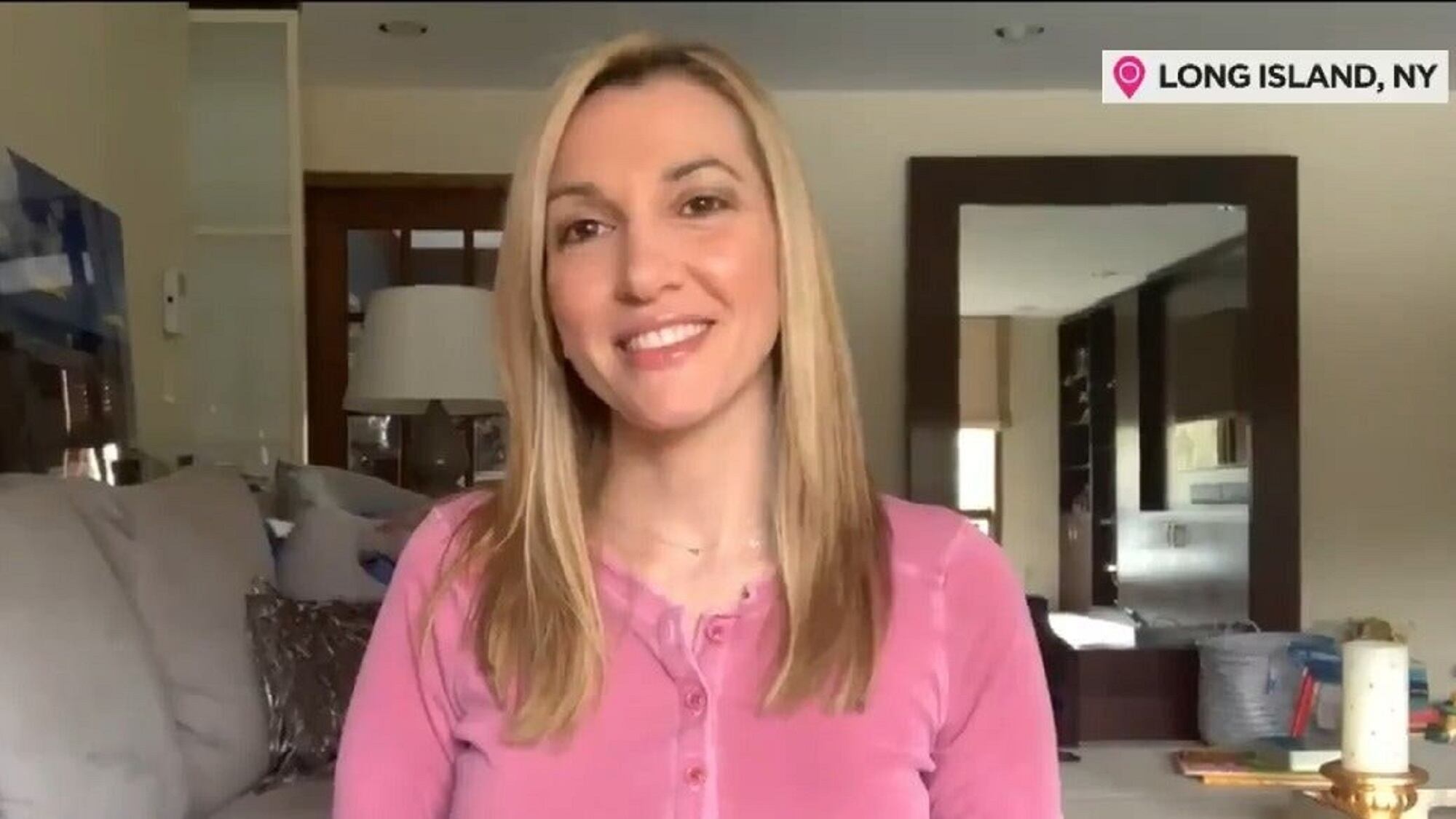
Working from home can be a challenge, especially when you are a working parent but that is the new normal for some as the coronavirus continues to spread. Cheddar anchor Jill Wagner has been working from home accompanied by her toddler.
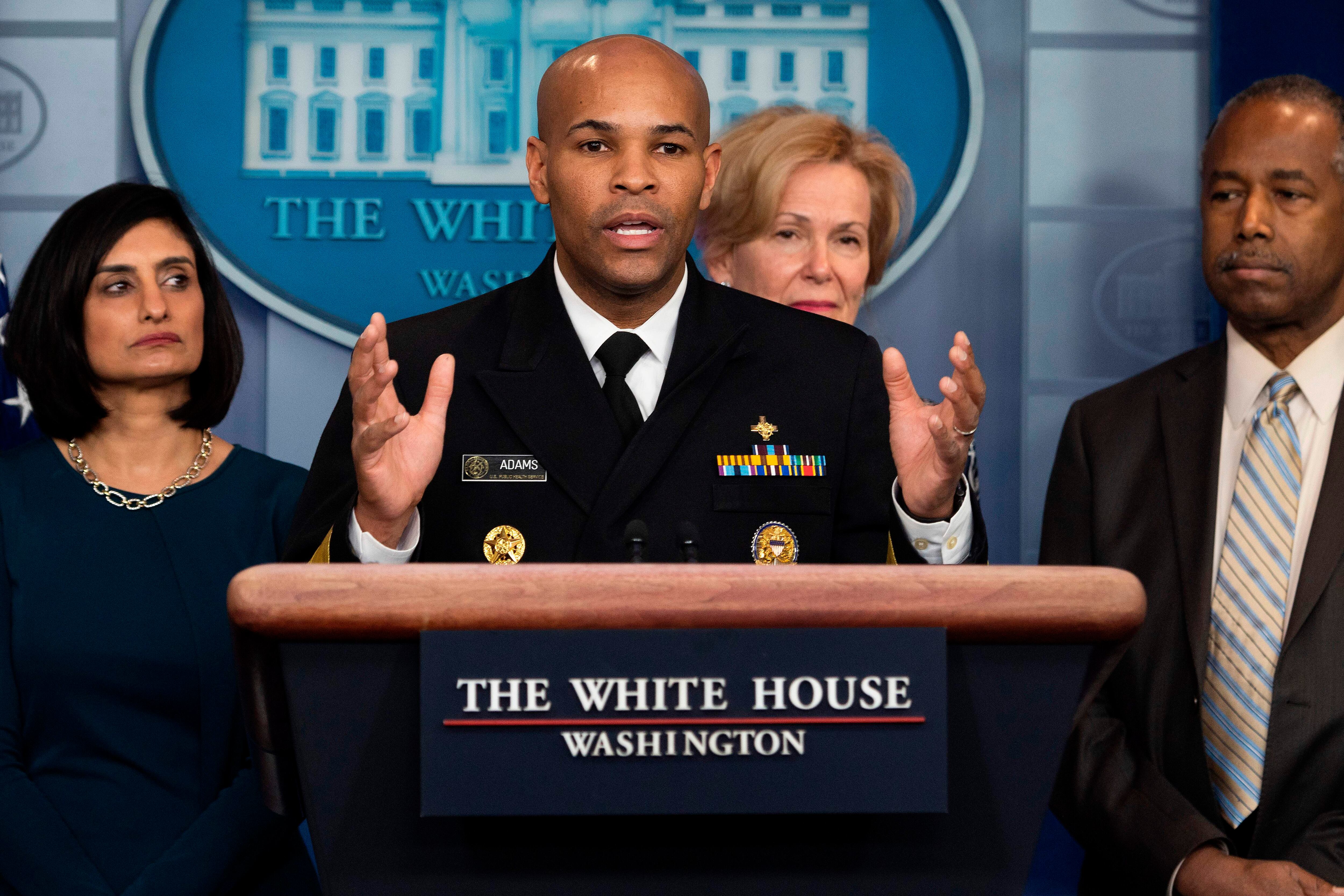
Surgeon General Dr. Jerome Adams on Thursday warned young people that they are not immune to the worse consequences of the coronavirus outbreak.
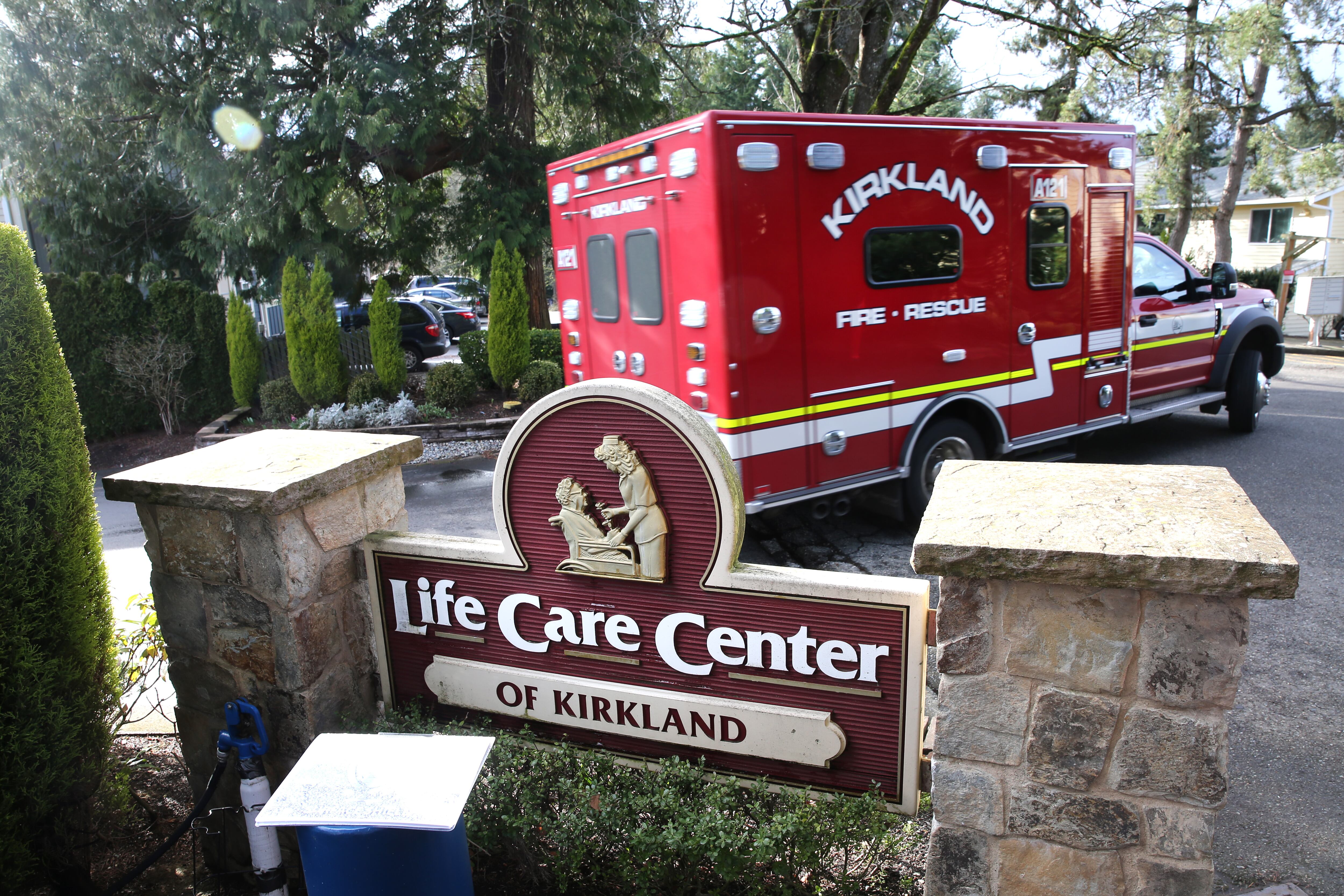
The demographics of U.S. victims reflect adults most at risk — those who have died from COVID-19 range in age from their 50s to their 90s, and the overwhelming majority suffered from pre-existing conditions like diabetes, emphysema, and heart problems.
In the morning conference, the governor also waived mortgage payments for 90 days and revealed the spike in new cases bringing the full total to 4,152, the most in the nation.
With Spain in lockdown due to the coronavirus pandemic, Marta Martínez Fernandez is chronicling her experience in 15 days and a podcast.
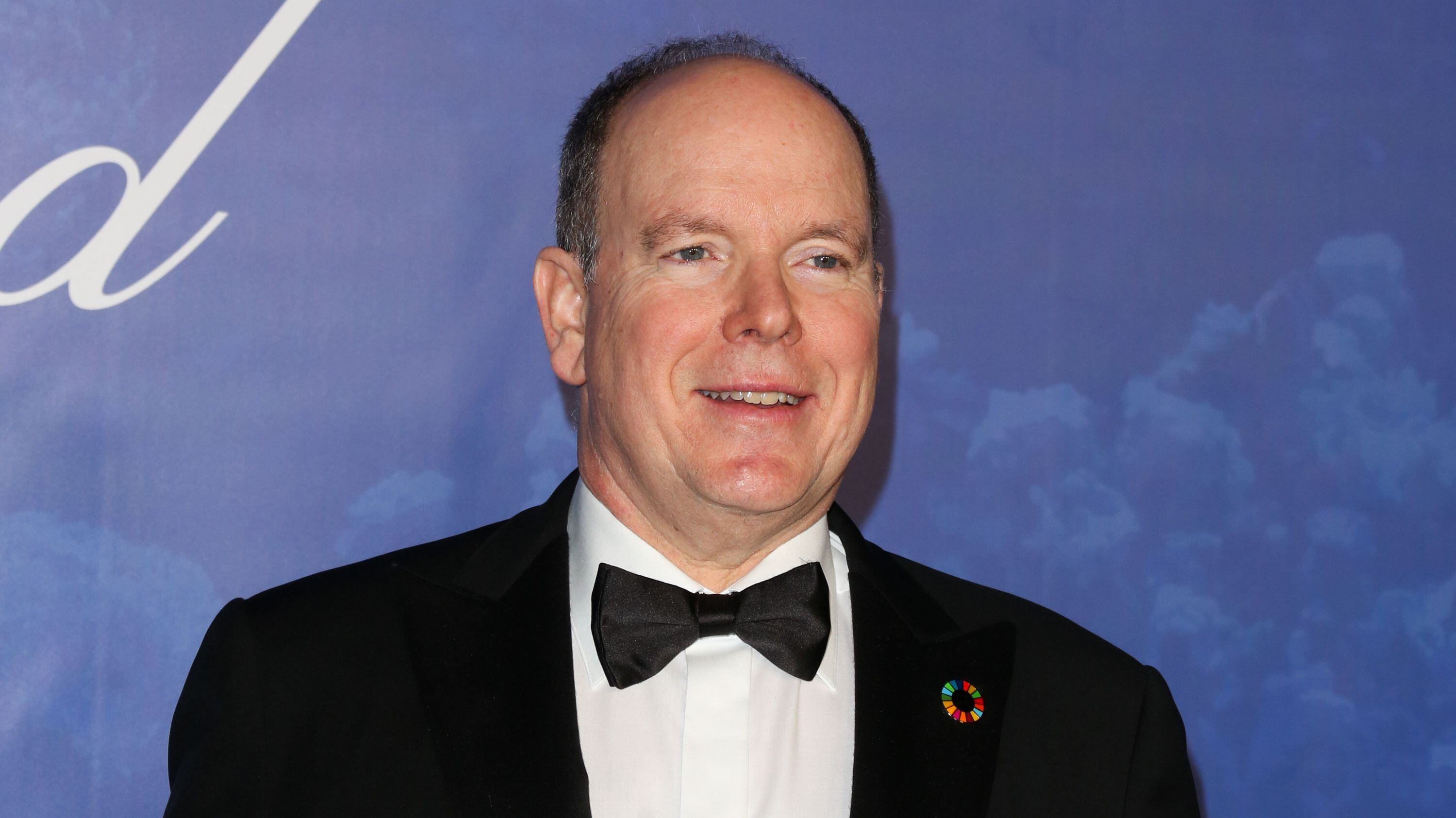
The palace of Monaco says its head of state, Prince Albert II, has tested positive for the new coronavirus. In a statement Thursday, the palace of the tiny Mediterranean principality said that his health is not worrying.
President Trump outlined a plan to alleviate interest on student loans held by federal agencies, but the details on how people can access the economic relief during the COVID-19 outbreak remains elusive.
From MLB ponying up for their workers to swans returning to Venetian canals