One of the greatest unsolved mysteries of our time may have had a different ending if it had happened today.
That’s according to Emmy-winner Anthony Hemingway, director and executive producer of the new true crime series “Unsolved”, which tells the story of Biggie and Tupac.
He points out that the killings, which took place over two decades ago, occurred at a time when hip hop and rap weren’t as mainstream as they are today. There was also no social media back then.
Today, those two factors would probably have culminated in a different outcome, says Hemingway, who also produced “The People v. OJ Simpson.”
“Unsolved” attempts to answer the questions behind the shootings of the two rival rap superstars, examining not just what happened but the context surrounding the events.
“This was a period of time that was on the heels of the O.J. trial, the Rampart scandal, even [the] L.A. riots,” Hemingway explains. “L.A. at the time was volatile."
Add to that tinderbox the notorious reputations of both Tupac Shakur and The Notorious B.I.G.
“We’ve only really been given the negative of their story,” he says.
In an attempt to change that, Hemingway’s series tries to “humanize” the two rappers and put forth an idea of “who they could’ve been today.”
“[The] theme that really drove us through the story is perception and how perception challenges your best judgements, how perception dictates treatment,” he says.
Hemingway hopes the series will “shine a light on what we continue to struggle with -- the injustices that are happening, that have just been systemic for a very long time.”
“Unsolved: The Murder Of Tupac and Notorious B.I.G.” premieres on February 27 on USA Network.
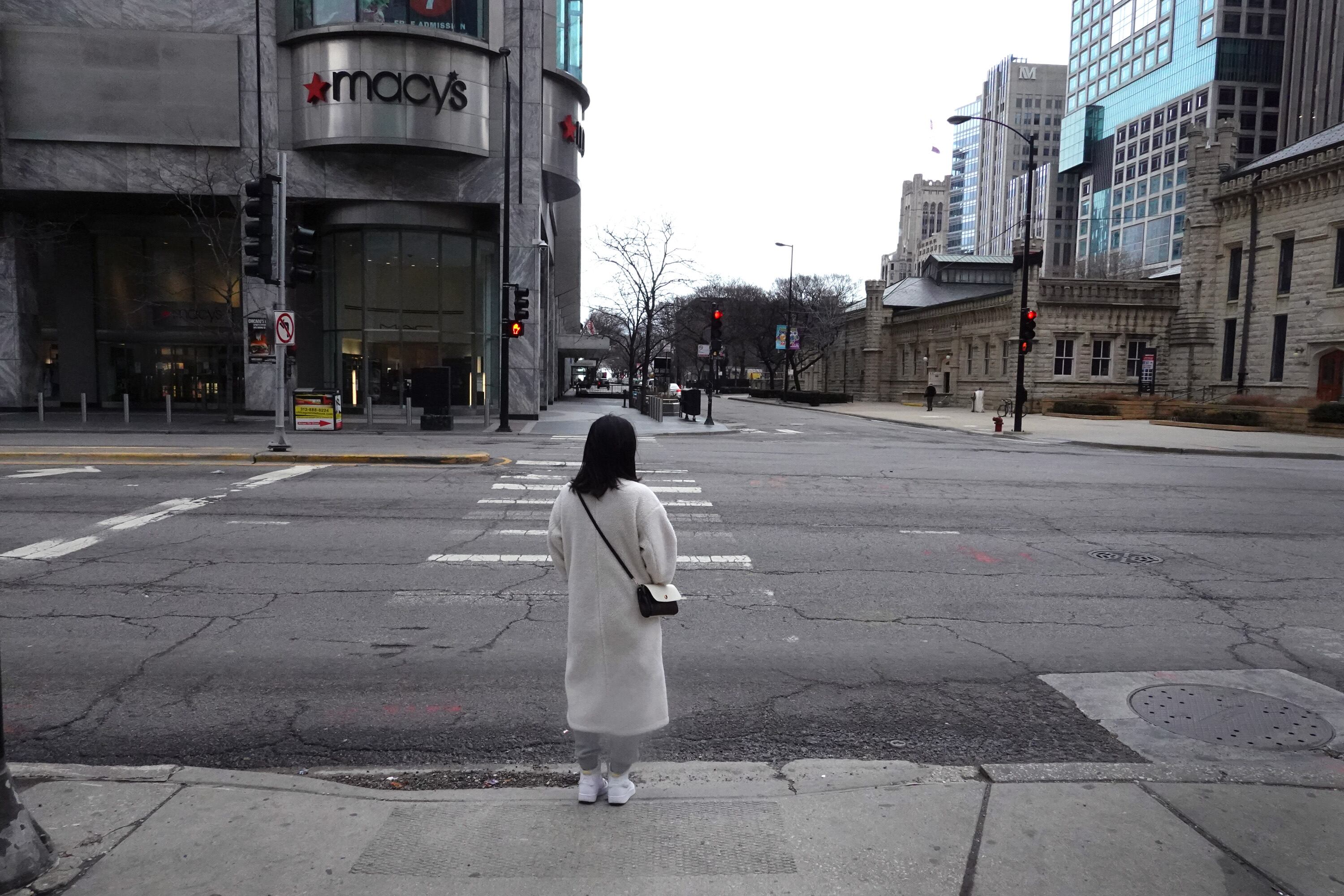
Despite localized reductions in emissions and pollution due to coronavirus-related shutdowns, it doesn't mean that the pandemic and ensuing economic crisis will somehow turbocharge the globe's glacial steps toward reducing humanity's impact on the environment.
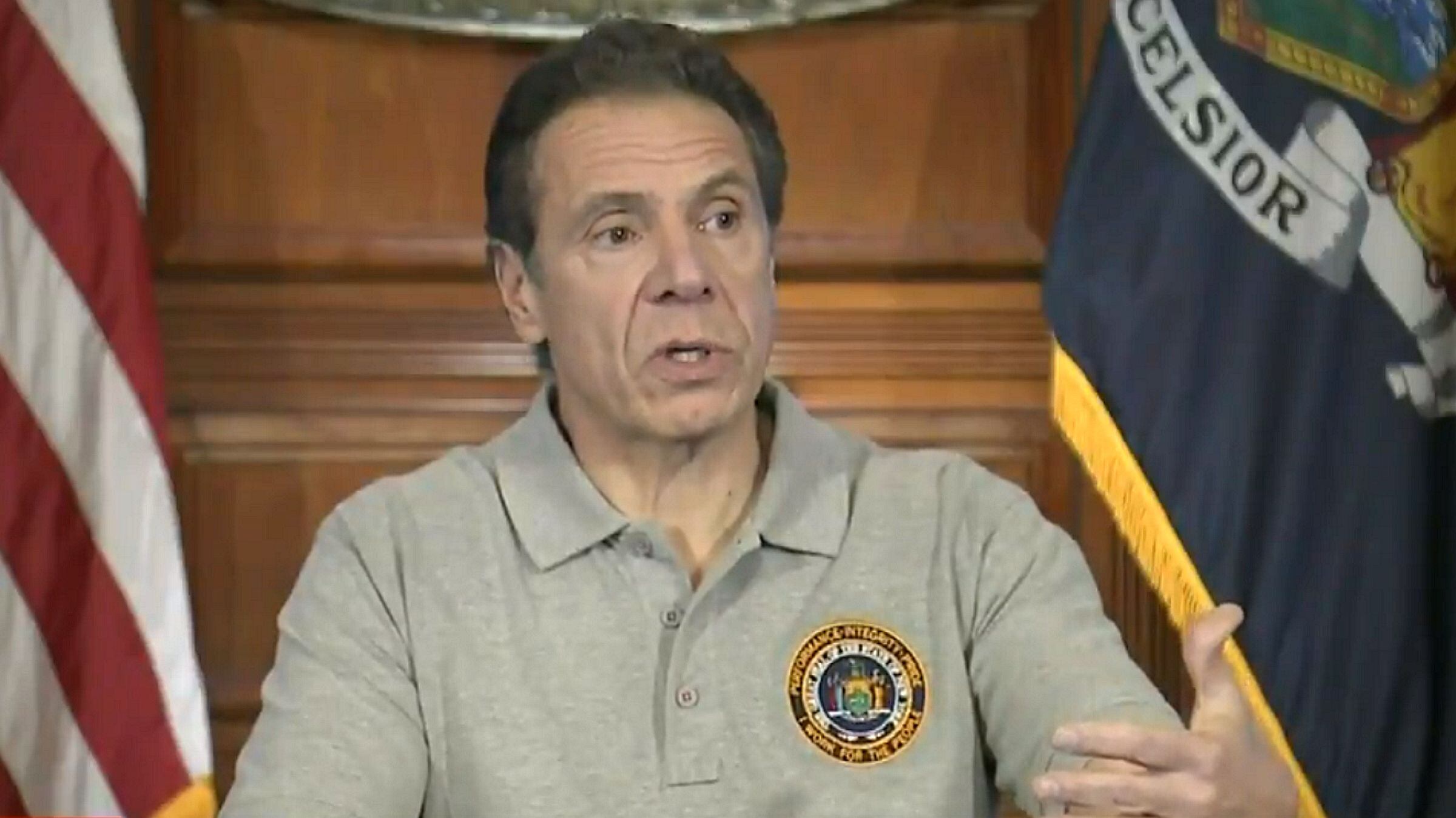
In a news conference, NY Gov. Andrew Cuomo said he has ordered the state's hospitals to increase their capacity for intake at least by half, if not doubling it., and also revealed that New York had procured more medical supplies in the fight against the coronavirus pandemic.
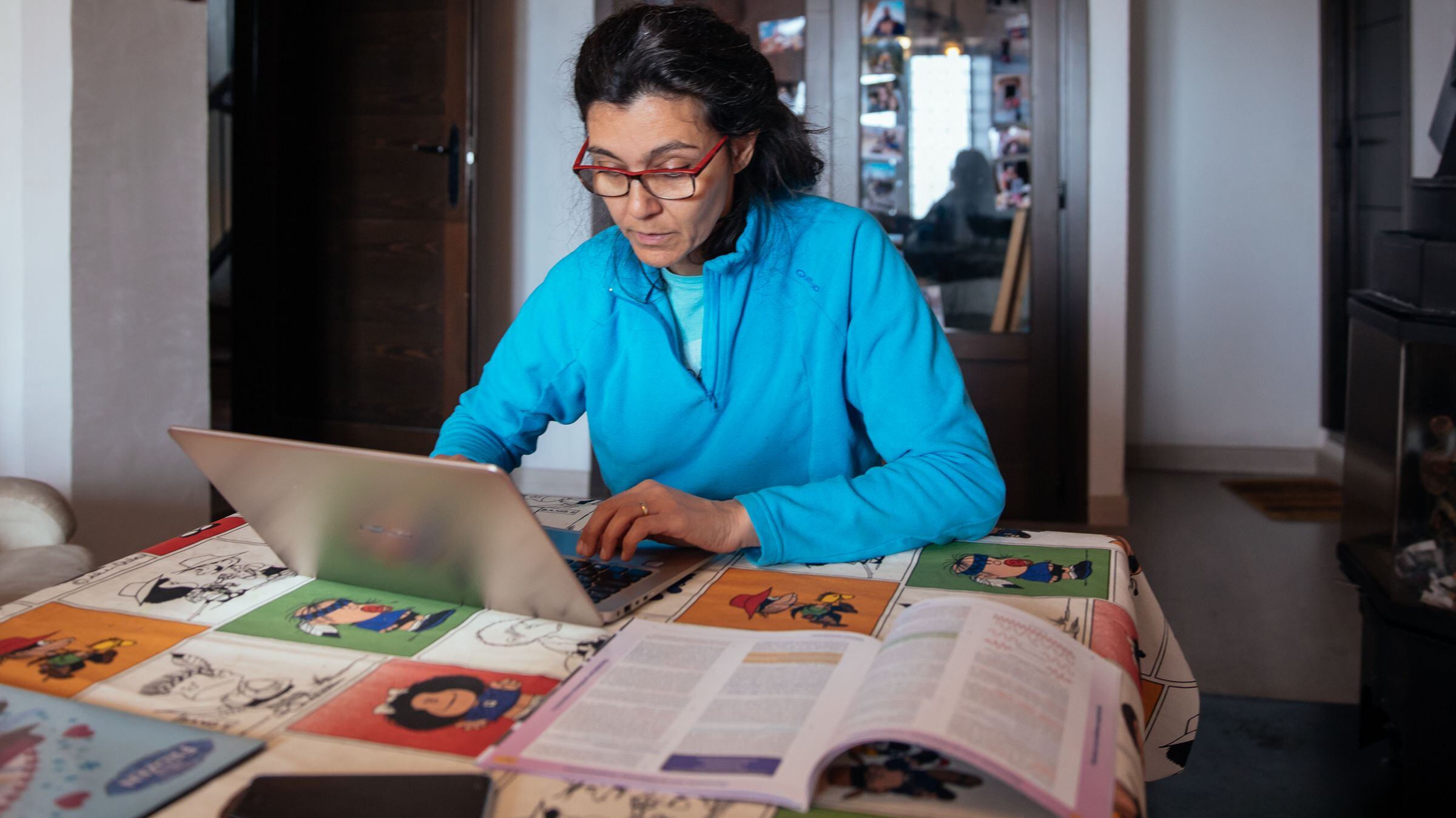
Now that we’re beginning to rely more heavily on video conferencing, a new trend is emerging: the Work-From-Home Mullet.
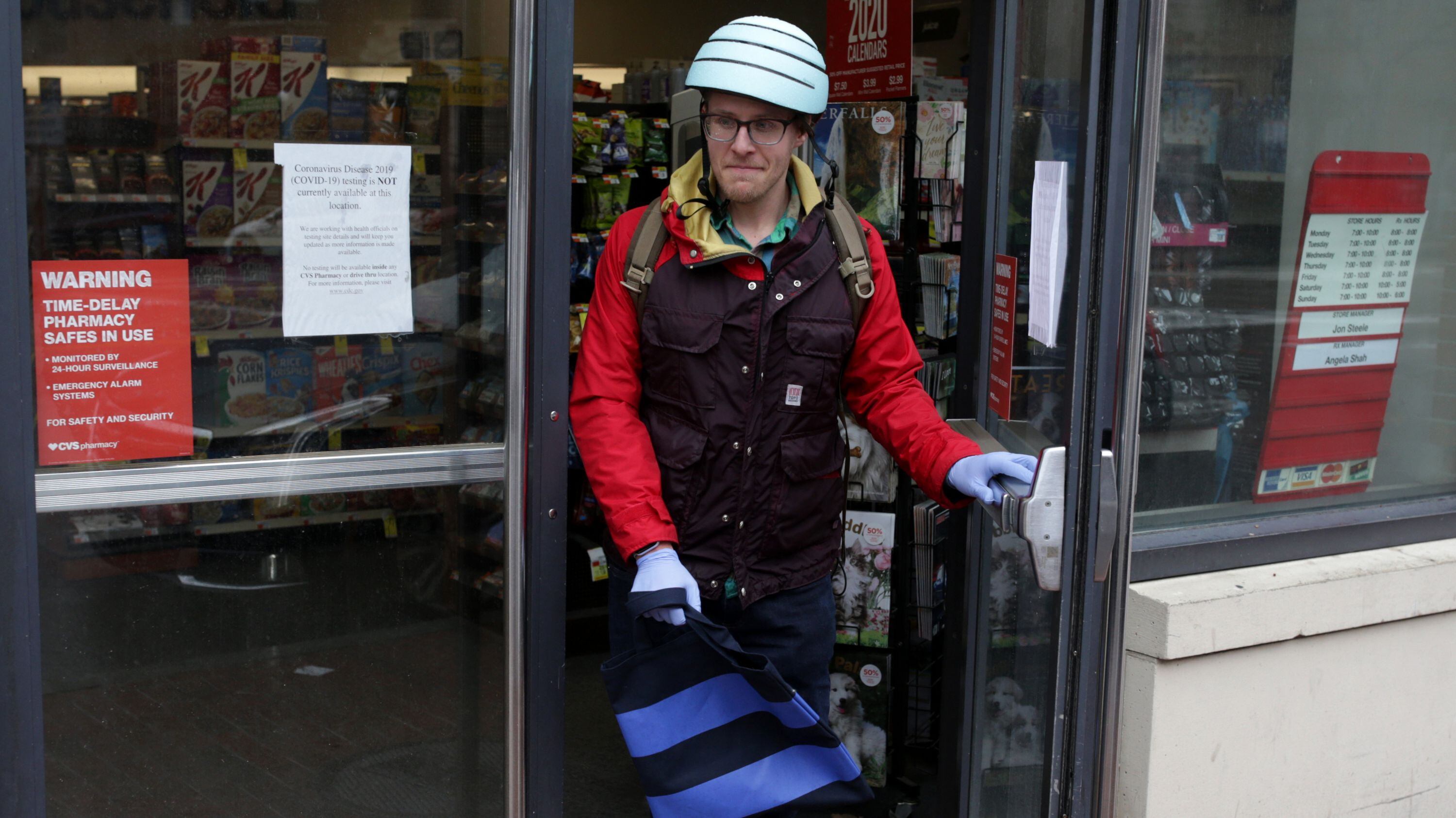
We’ve heard the usual guidelines for preventing coronavirus disease, but here are five ways you can show care and solidarity toward the rest of your community near and far and in the digital and physical worlds.
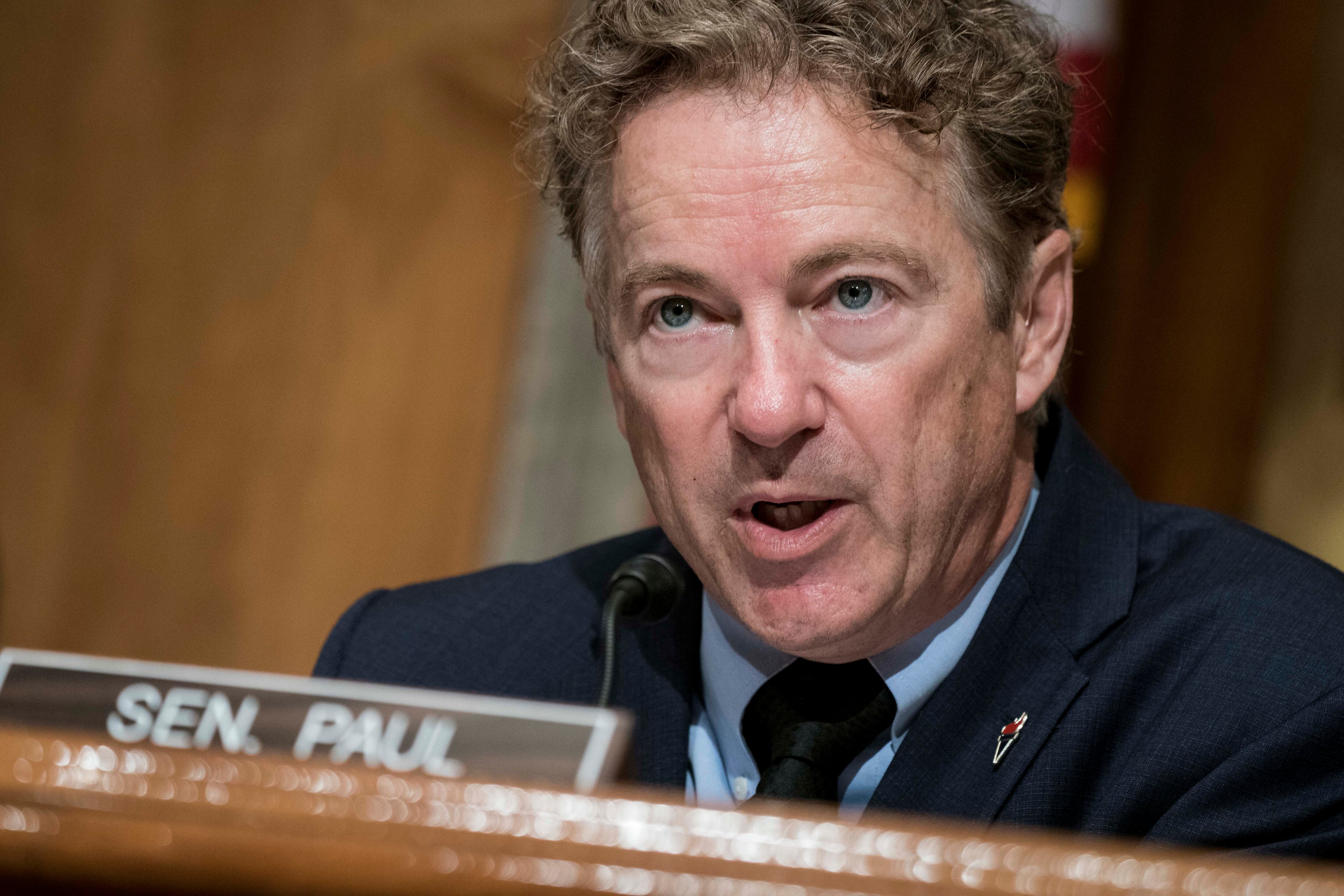
Sen. Rand Paul of Kentucky has tested positive for the novel coronavirus, becoming the first case of COVID-19 in the Senate and raising fears about the further transmission of the virus among Republicans at the Capitol.
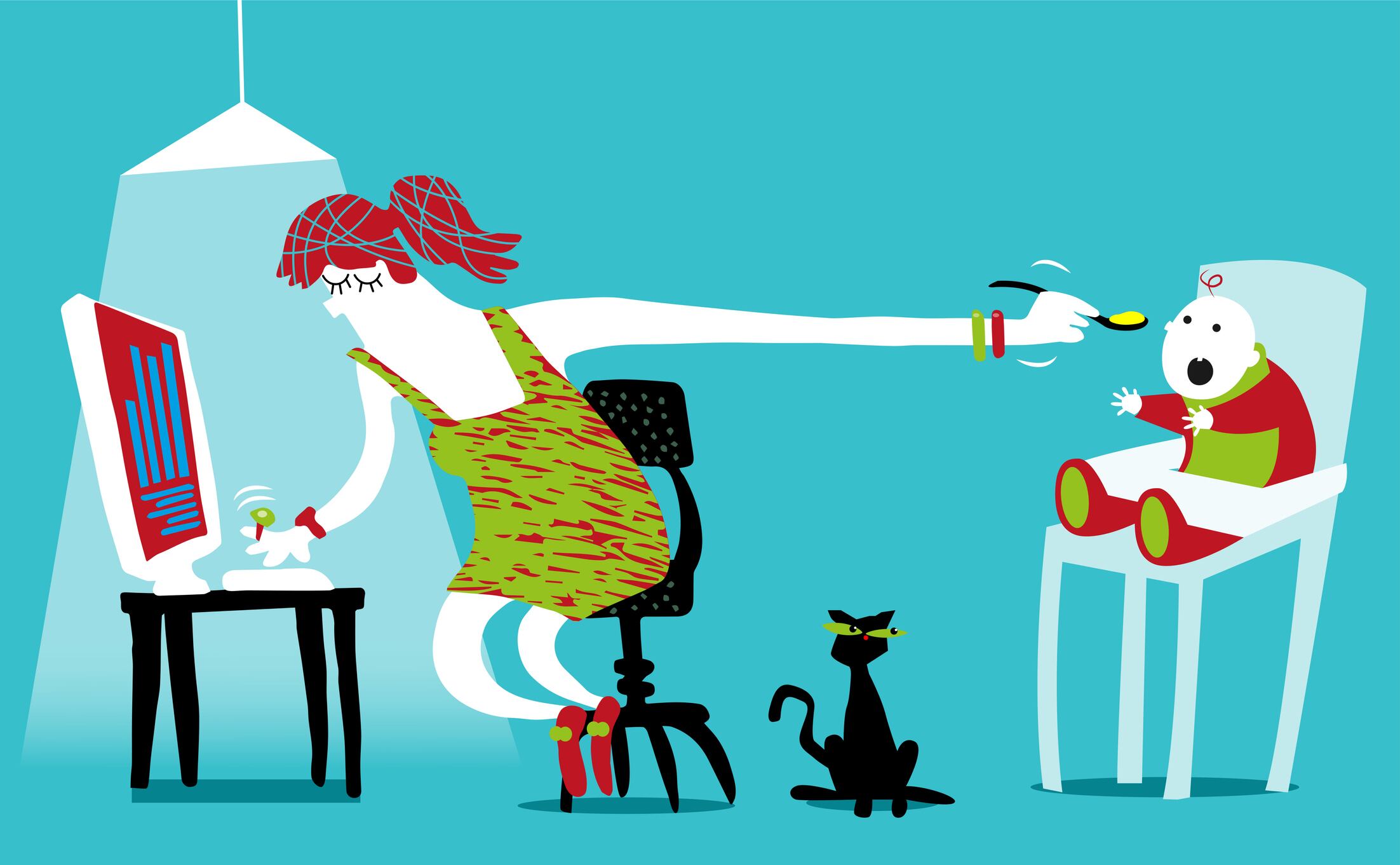
After careful consideration, I have come to the conclusion that it is nearly impossible to work from home with a 17-month-old toddler. But if you ARE going to do it (or attempt it), you need the right uniform. It’s called the WFH Mullet.
Streaming video companies like YouTube, Netflix, and Amazon have all agreed to reduce the quality of their streaming videos in Europe in order to reduce the strain on Internet bandwidth during the coronavirus pandemic.
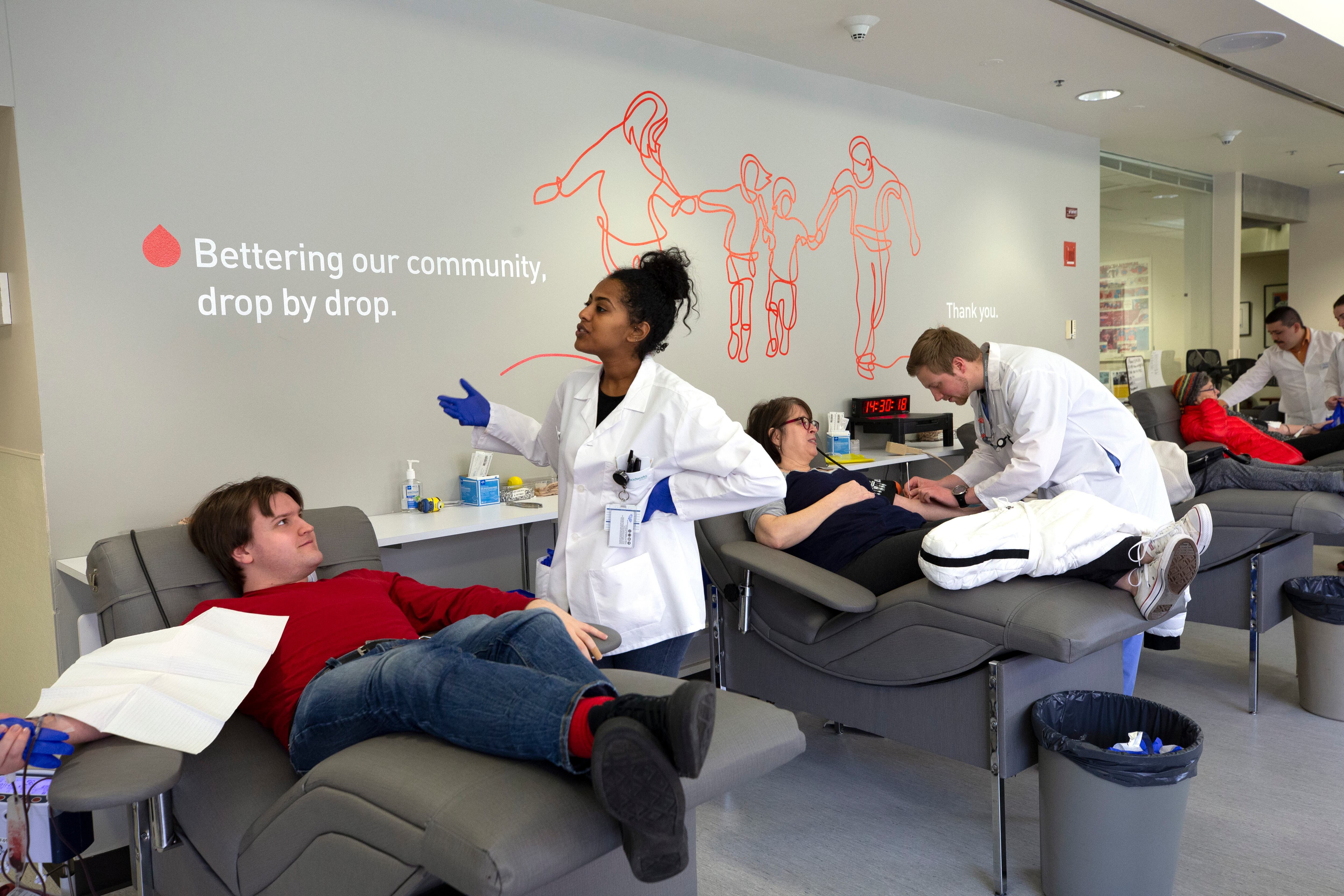
Americans capable, willing, and able to donate blood are encouraged to do so during an era of social distancing.
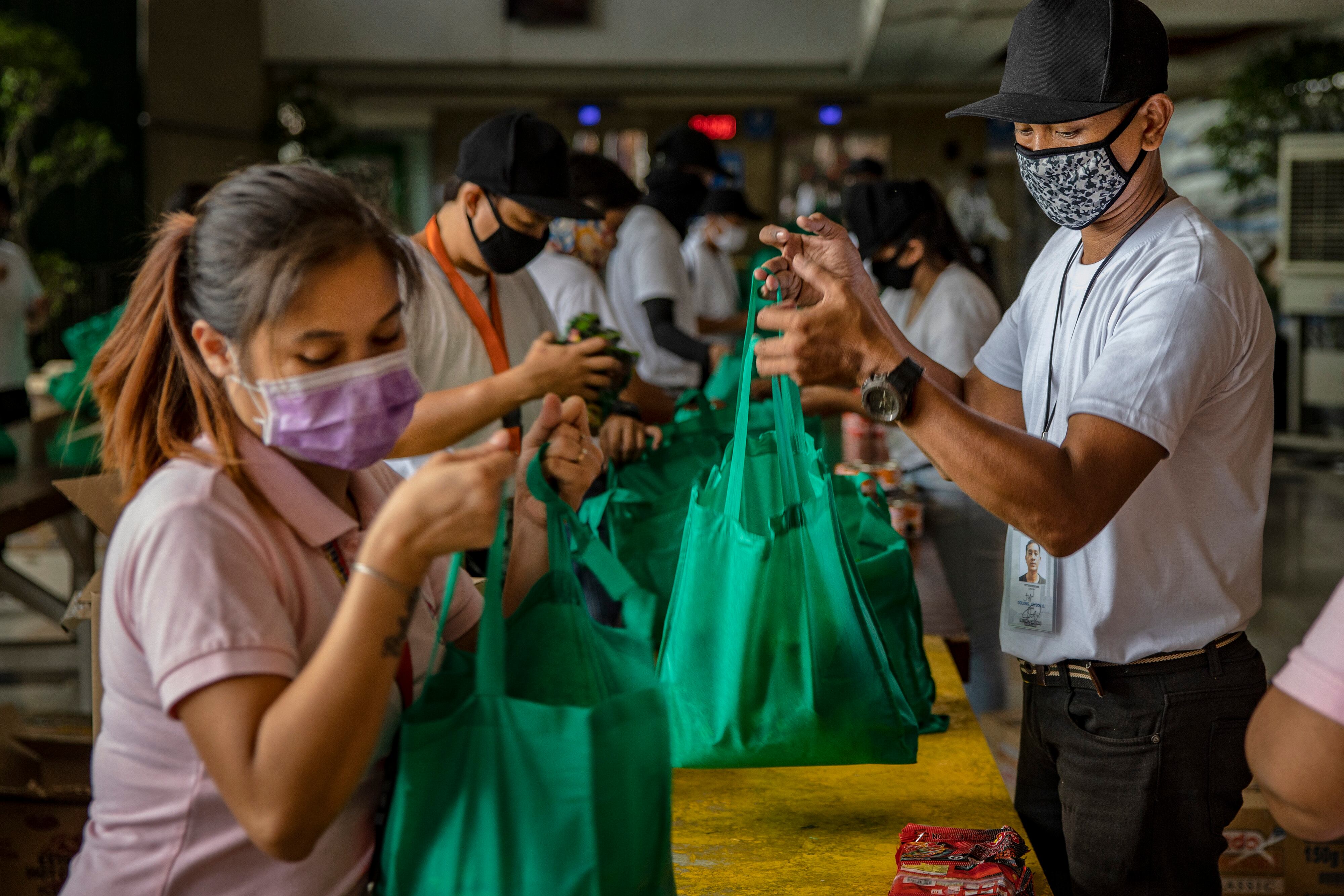
Cheddar compiled ways in which people who are able to help can get involved in their communities during the coronavirus outbreak.
Many Americans abroad rushed home as the COVID-19 pandemic exploded globally, but Matt Swider, the managing editor for TechRadar, was traveling in Egypt when he found himself lumped in with a group who tested positive for the virus.