One of the greatest unsolved mysteries of our time may have had a different ending if it had happened today.
That’s according to Emmy-winner Anthony Hemingway, director and executive producer of the new true crime series “Unsolved”, which tells the story of Biggie and Tupac.
He points out that the killings, which took place over two decades ago, occurred at a time when hip hop and rap weren’t as mainstream as they are today. There was also no social media back then.
Today, those two factors would probably have culminated in a different outcome, says Hemingway, who also produced “The People v. OJ Simpson.”
“Unsolved” attempts to answer the questions behind the shootings of the two rival rap superstars, examining not just what happened but the context surrounding the events.
“This was a period of time that was on the heels of the O.J. trial, the Rampart scandal, even [the] L.A. riots,” Hemingway explains. “L.A. at the time was volatile."
Add to that tinderbox the notorious reputations of both Tupac Shakur and The Notorious B.I.G.
“We’ve only really been given the negative of their story,” he says.
In an attempt to change that, Hemingway’s series tries to “humanize” the two rappers and put forth an idea of “who they could’ve been today.”
“[The] theme that really drove us through the story is perception and how perception challenges your best judgements, how perception dictates treatment,” he says.
Hemingway hopes the series will “shine a light on what we continue to struggle with -- the injustices that are happening, that have just been systemic for a very long time.”
“Unsolved: The Murder Of Tupac and Notorious B.I.G.” premieres on February 27 on USA Network.
Announcing 599 deaths in the last 24 hours, Cuomo called the fatality number “effectively flat for two days,” which he said hints at a possible flattening of New York’s curve, along with fewer hospital and ICU admissions
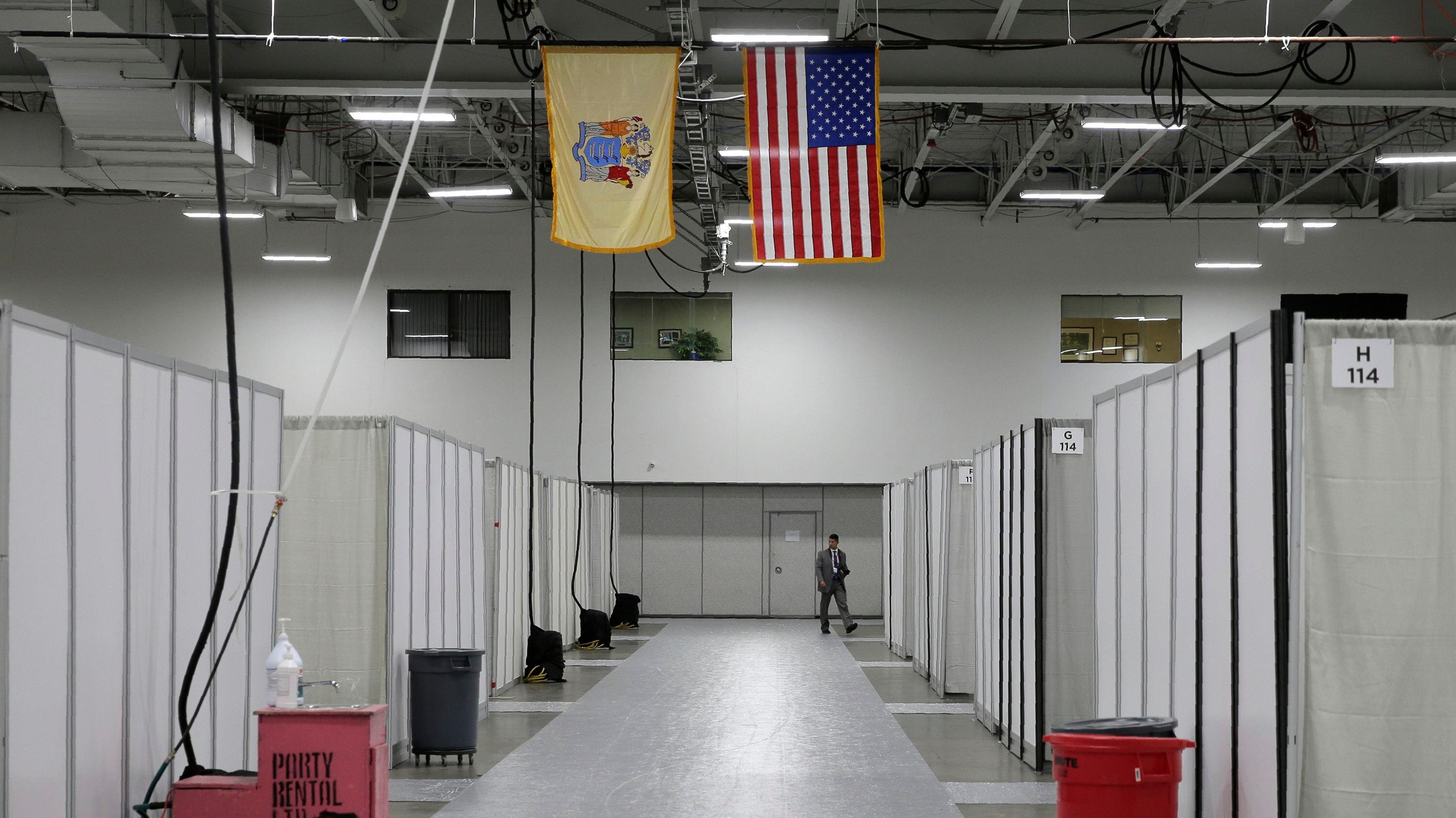
New Jersey is emerging as another hot spot of COVID-19 with nearly 40,000 confirmed cases and 917 deaths. However, the head of one of the state's health care systems said officials there hope they are beginning to see a peak.
New York City could start burying its dead in city parks if the mortality rate from coronavirus doesn’t decline soon, according to City Council Health Committee Chair Mark Levine.
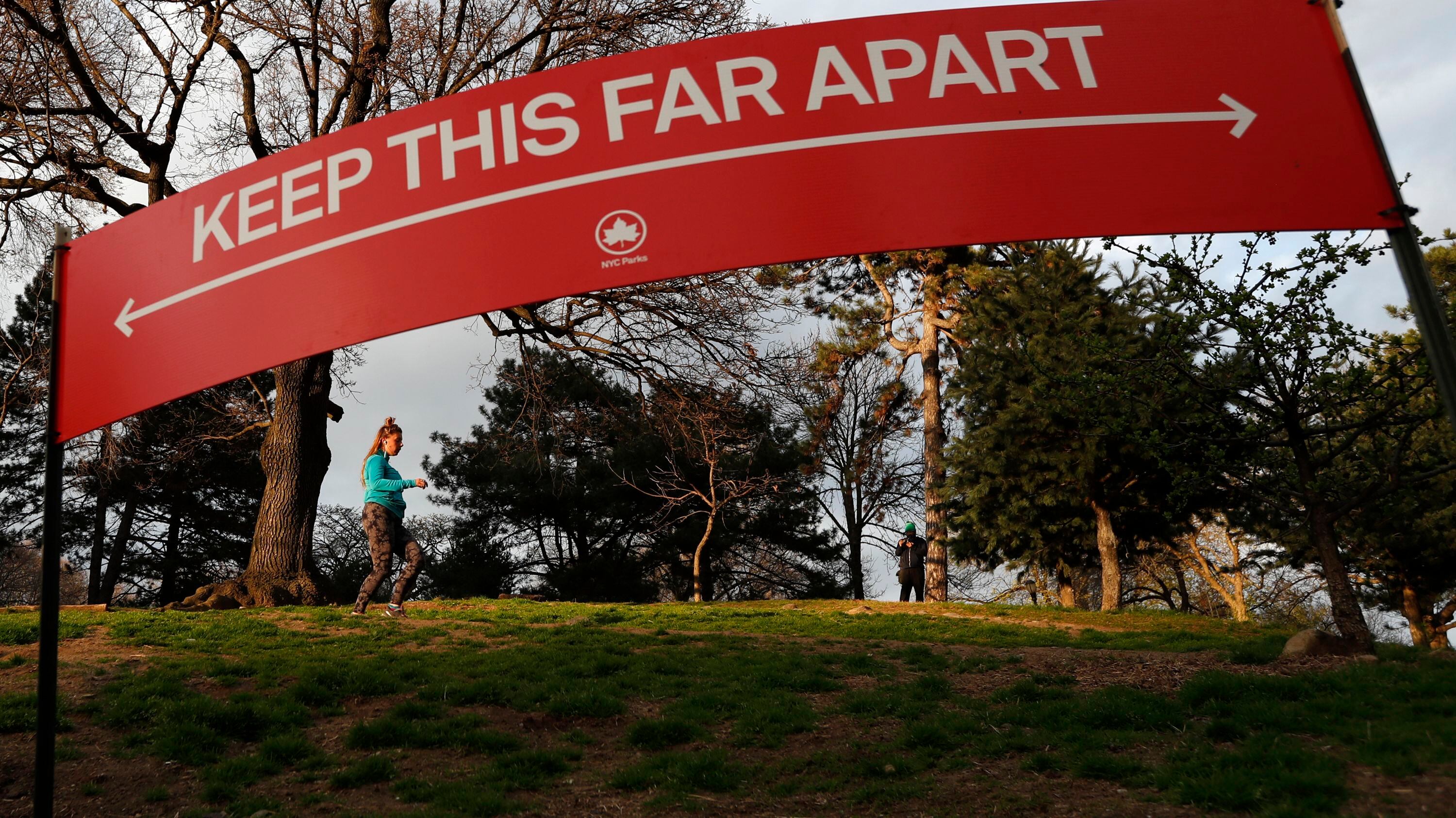
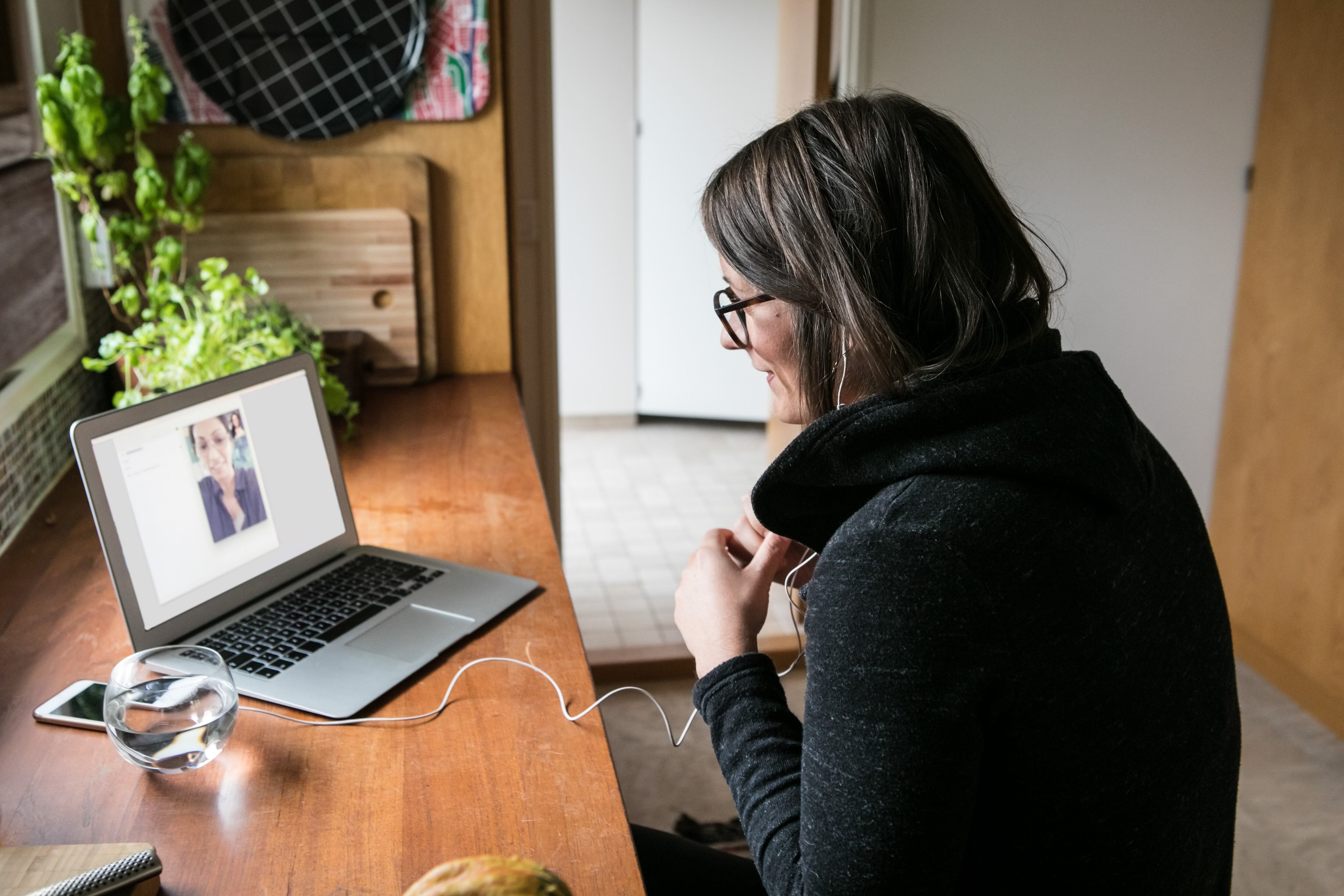
Experts maintain that despite social distancing and quarantining measures during the coronavirus pandemic, people should still attempt to socialize "serendipitously" and commit to acts of kindness to mitigate the stress.
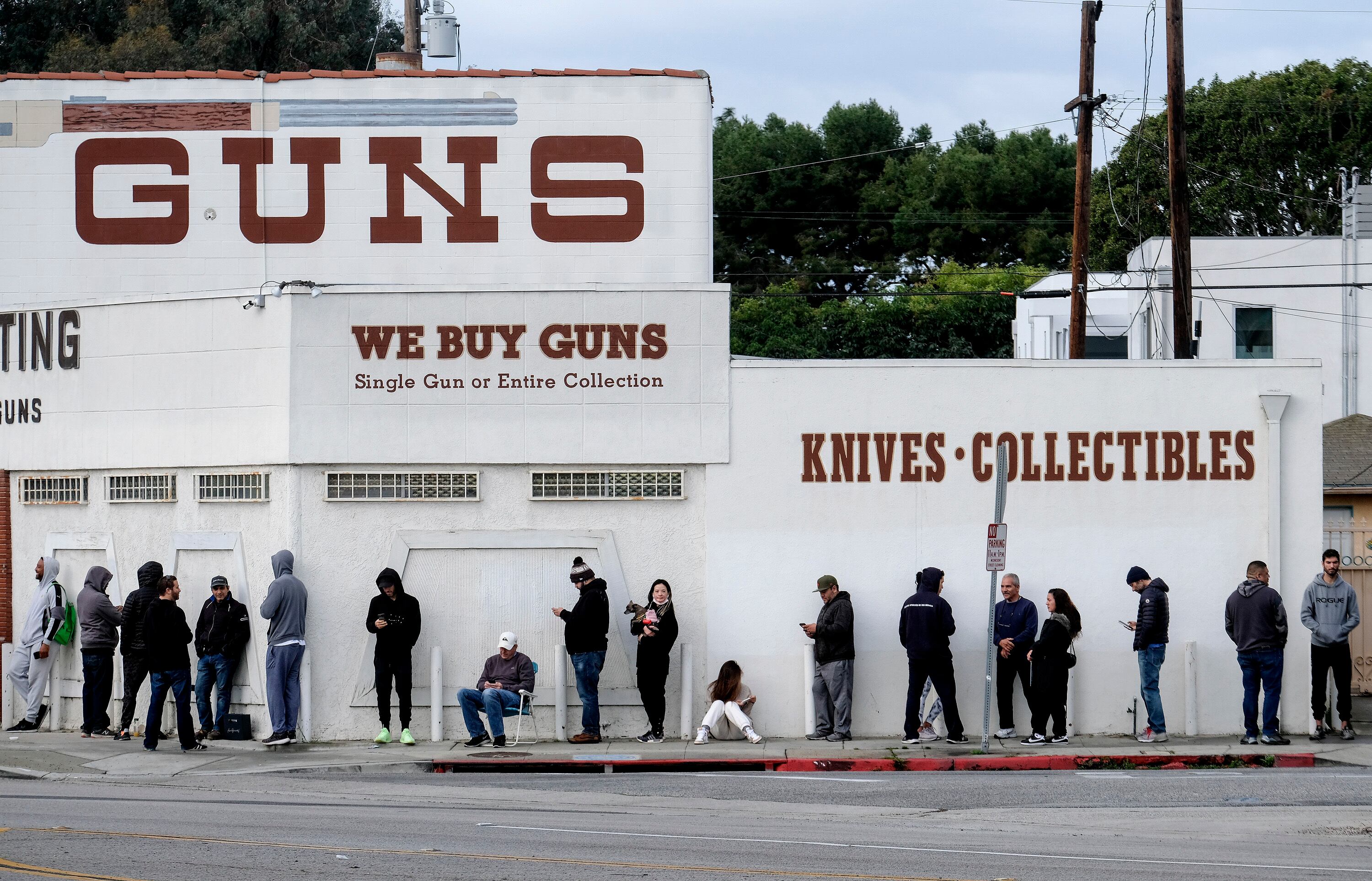
Gun sales spiked last month as fears around the coronavirus pandemic rose. A veteran ATF special agent told Cheddar that new gun owners need to make sure they know how to store and use those firearms safely.
Like many of you out there, everyone at Cheddar is cooped up at home for maximum social distancing. And we’ve noticed something: in our respective self-quarantines, we’re taking out the trash a lot more than usual.
So our Megan Pratz teamed up with HEATED’s Emily Atkin to figure out the impact this extra waste is having on our communities.
The coronavirus outbreak has triggered a stunning collapse in the U.S. workforce, with 10 million people losing their jobs in the past two weeks. Meanwhile, the number of confirmed infections worldwide has hit 1 million, with more than 50,000 deaths, according to the tally kept by Johns Hopkins University.
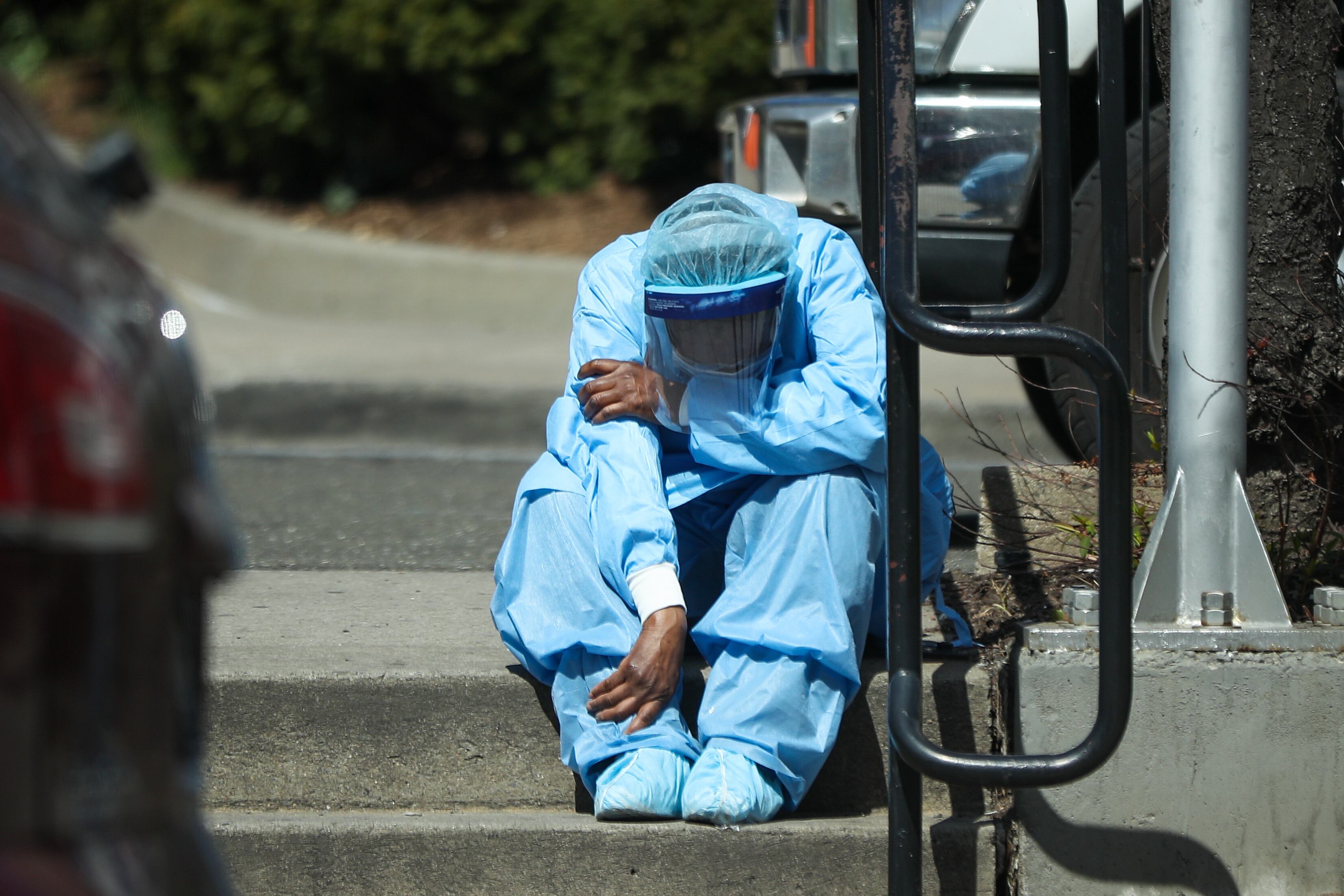
Dr. Eric Wei, chief quality officer for NYC Health + Hospitals, told Cheddar that one of his biggest fears as a hospital administrator and ER doctor is the potential impact of the pandemic on the emotional and mental well being of the health care workers.
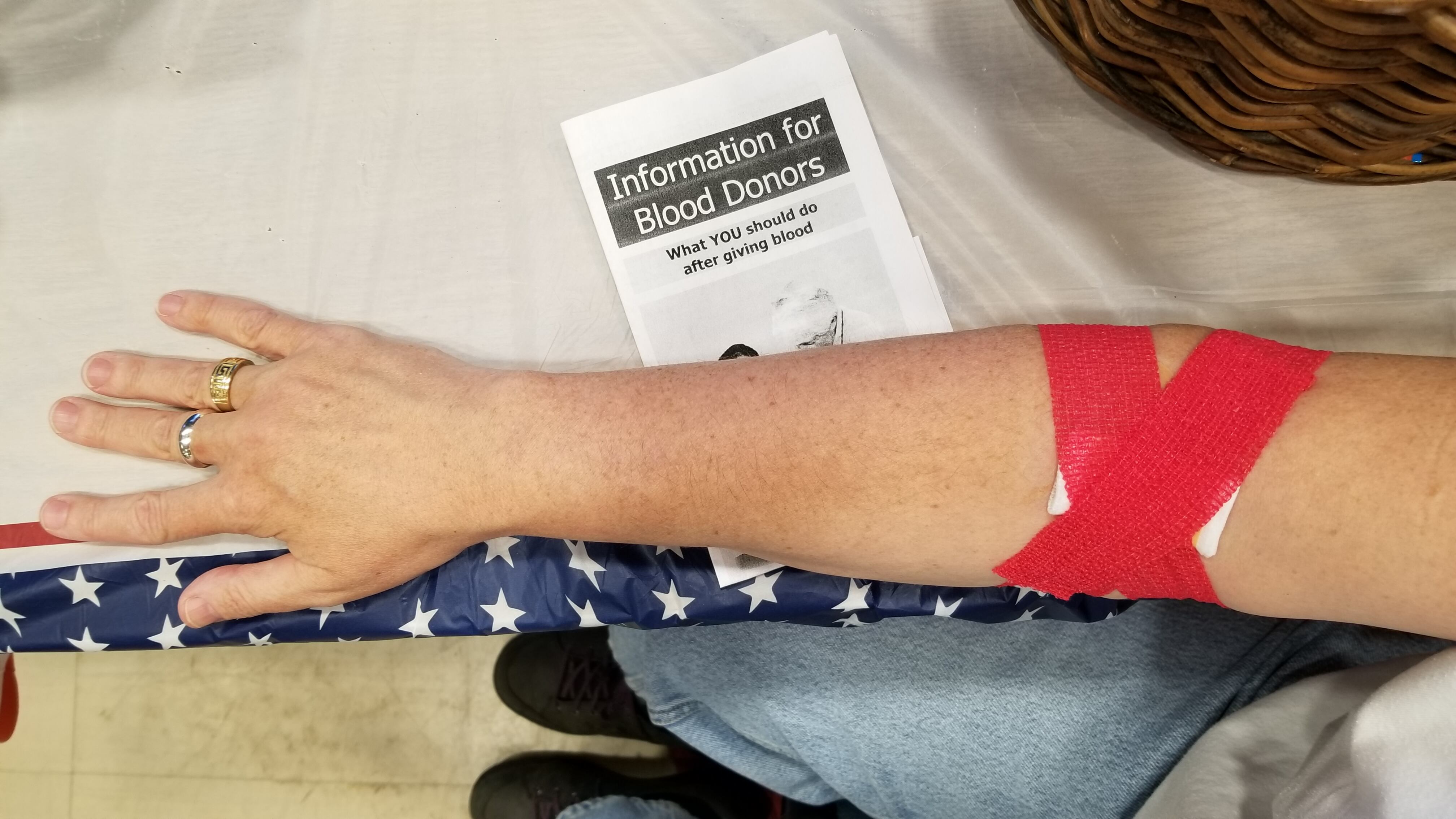
The U.S. Food and Drug Administration has released new guidelines for blood donors to bolster the supply of urgently needed blood and blood components. Most notable perhaps is a partial lifting of the controversial ban on men who have had sexual relations with another man within the last 12 months.
The director of the Samaritan's Purse emergency field hospital operating in New York City's Central Park told Cheddar that the group will "absolutely not" turn away queer COVID-19 patients, despite the parent organization's views on homosexuality.