One of the greatest unsolved mysteries of our time may have had a different ending if it had happened today.
That’s according to Emmy-winner Anthony Hemingway, director and executive producer of the new true crime series “Unsolved”, which tells the story of Biggie and Tupac.
He points out that the killings, which took place over two decades ago, occurred at a time when hip hop and rap weren’t as mainstream as they are today. There was also no social media back then.
Today, those two factors would probably have culminated in a different outcome, says Hemingway, who also produced “The People v. OJ Simpson.”
“Unsolved” attempts to answer the questions behind the shootings of the two rival rap superstars, examining not just what happened but the context surrounding the events.
“This was a period of time that was on the heels of the O.J. trial, the Rampart scandal, even [the] L.A. riots,” Hemingway explains. “L.A. at the time was volatile."
Add to that tinderbox the notorious reputations of both Tupac Shakur and The Notorious B.I.G.
“We’ve only really been given the negative of their story,” he says.
In an attempt to change that, Hemingway’s series tries to “humanize” the two rappers and put forth an idea of “who they could’ve been today.”
“[The] theme that really drove us through the story is perception and how perception challenges your best judgements, how perception dictates treatment,” he says.
Hemingway hopes the series will “shine a light on what we continue to struggle with -- the injustices that are happening, that have just been systemic for a very long time.”
“Unsolved: The Murder Of Tupac and Notorious B.I.G.” premieres on February 27 on USA Network.
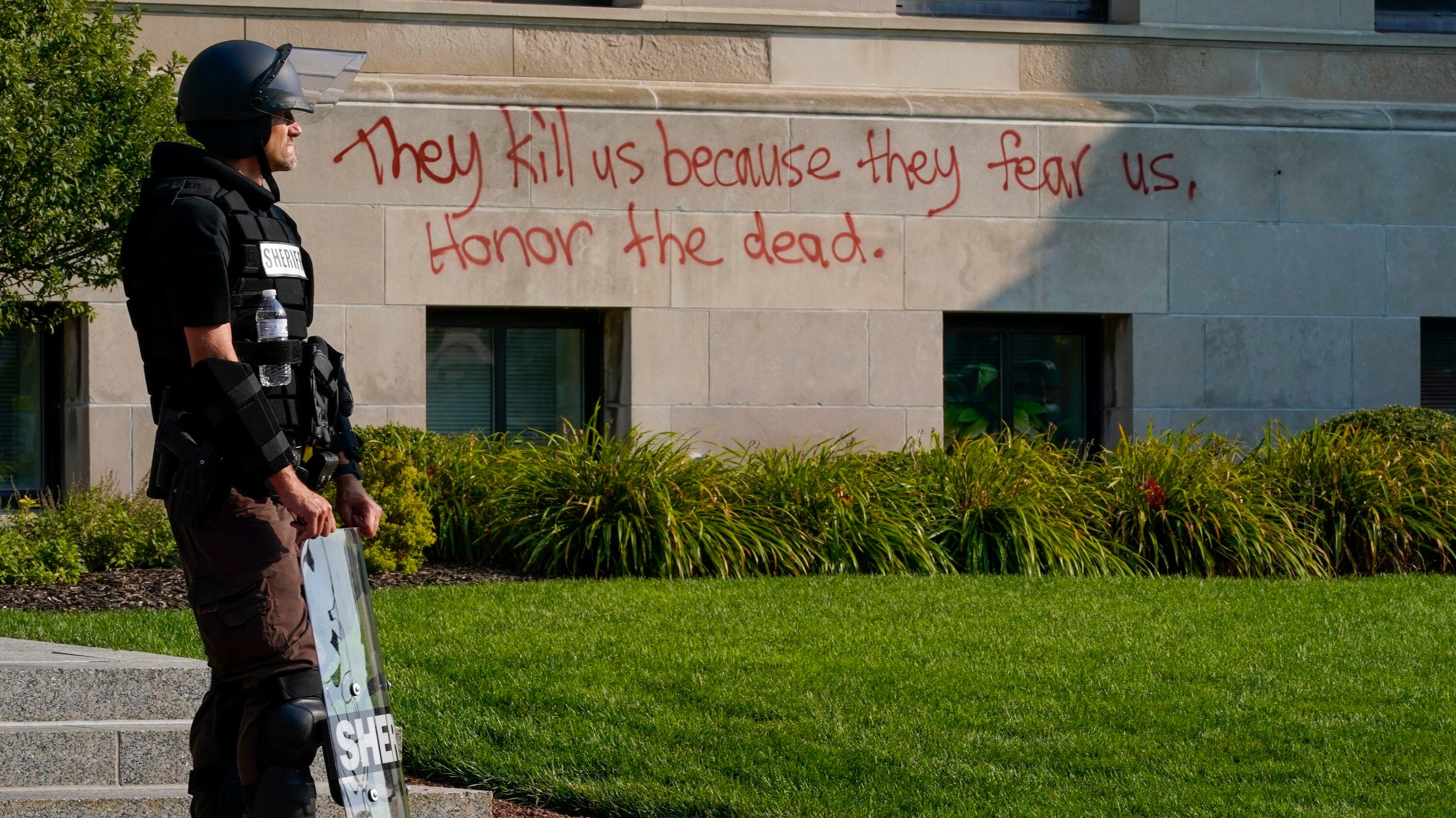
Kenosha, Wisconsin, became the nation’s latest flashpoint city in a summer of racial unrest after a Black man was shot and wounded by police, apparently in the back, as he leaned into his SUV.
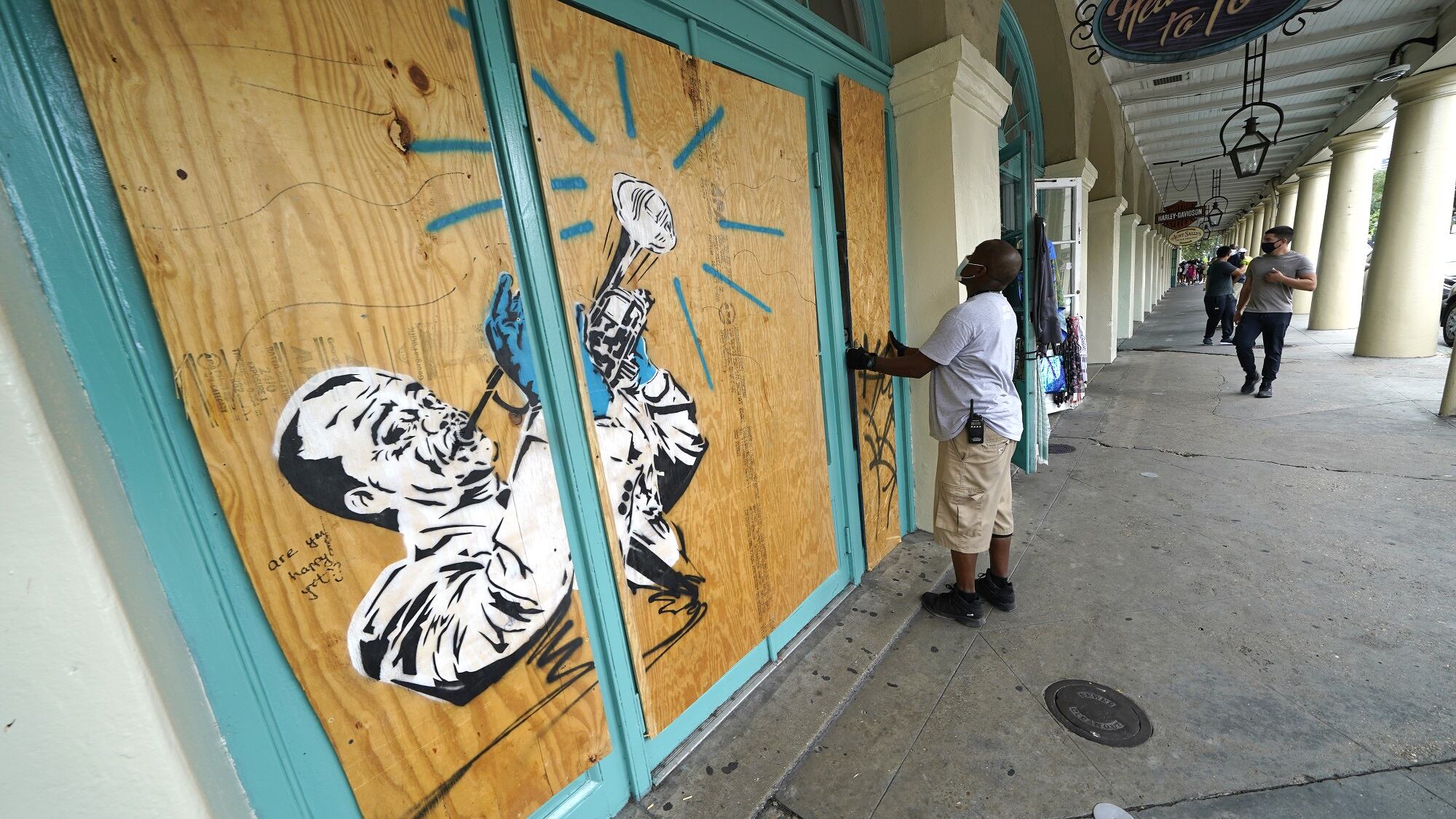
What to watch as the Republican National Convention kicks off tonight; convalescent plasma given the go-ahead; extreme weather everywhere & an asteroid is coming, but no need to worry.
Regal Theaters is among the movie chains reopening amid the coronavirus pandemic. Andy Stone, regional director of Regal, talks new experiences customers can expect and the importance of movie watching in a theater.
A former California police officer who became known as the Golden State Killer told victims he’s “truly sorry” before he was sentenced to life imprisonment for a decade-long string of rapes and murders across a wide swath of California.
The takeaways after Joe Biden closes out the DNC; Steve Bannon becomes sixth Trump adviser to face charges; fires in Cali and dual storms in the Tropics. Plus: Love, Hate, Ate -- Outdoor Dining Edition!
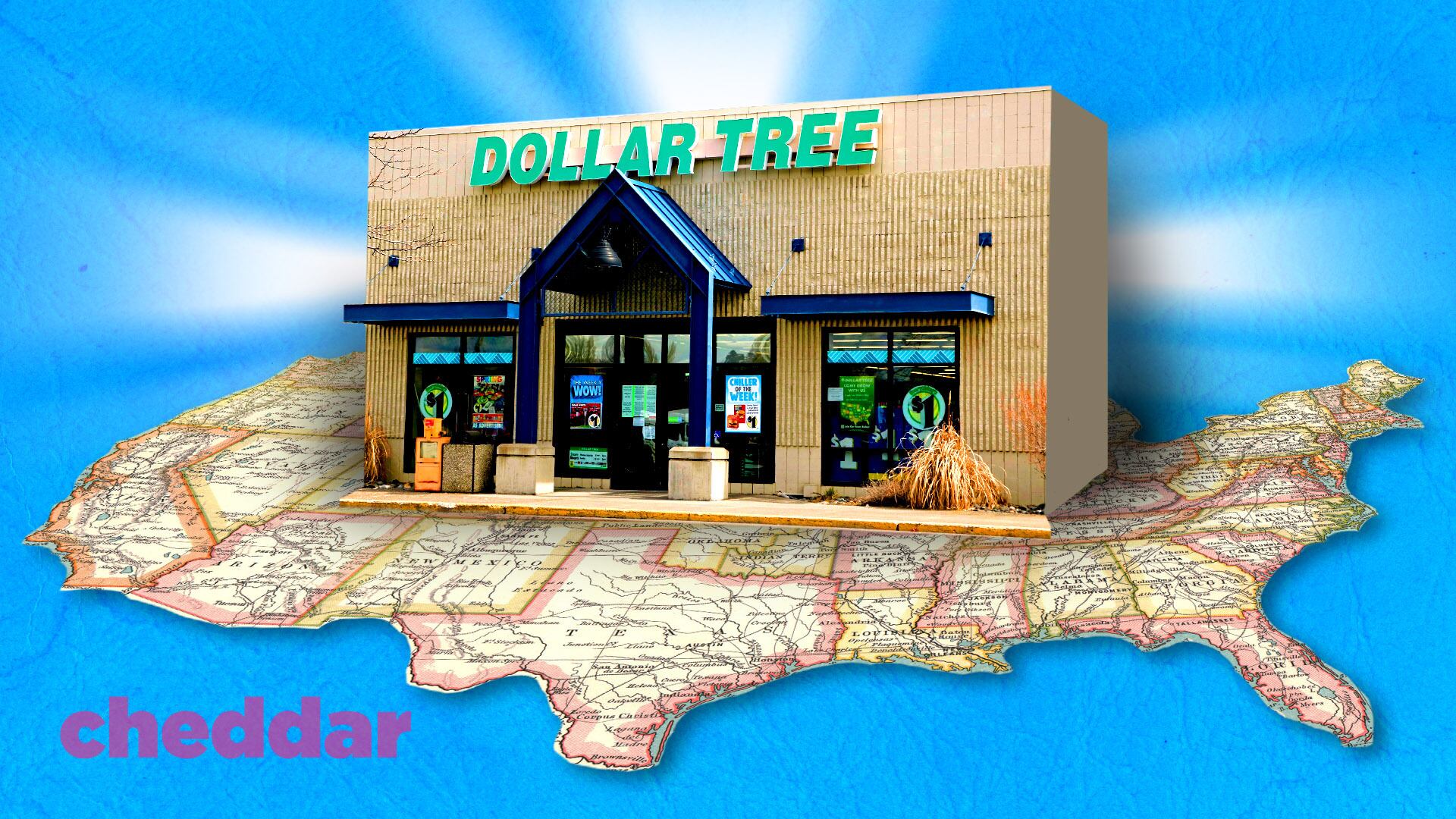
Dollar stores have conquered the United States, in an era where a “retail apocalypse” is slowly decimating brick and mortar retail shopping. The spread of these dollar stores is also deeply tied to issues of income inequality in the U.S. It’s argued that not only do these institutions benefit from poverty, but also that they perpetuate it. It has even led to some communities to limit the spread of dollar stores in their towns. So how did the dollar store conquer the U.S. - and what is their real impact?
Barack Obama comes to play at the DNC: the most important moments you missed from Night 3. Plus, California in emergency mode, what's behind the rise in crime, Apple's milestone and more.
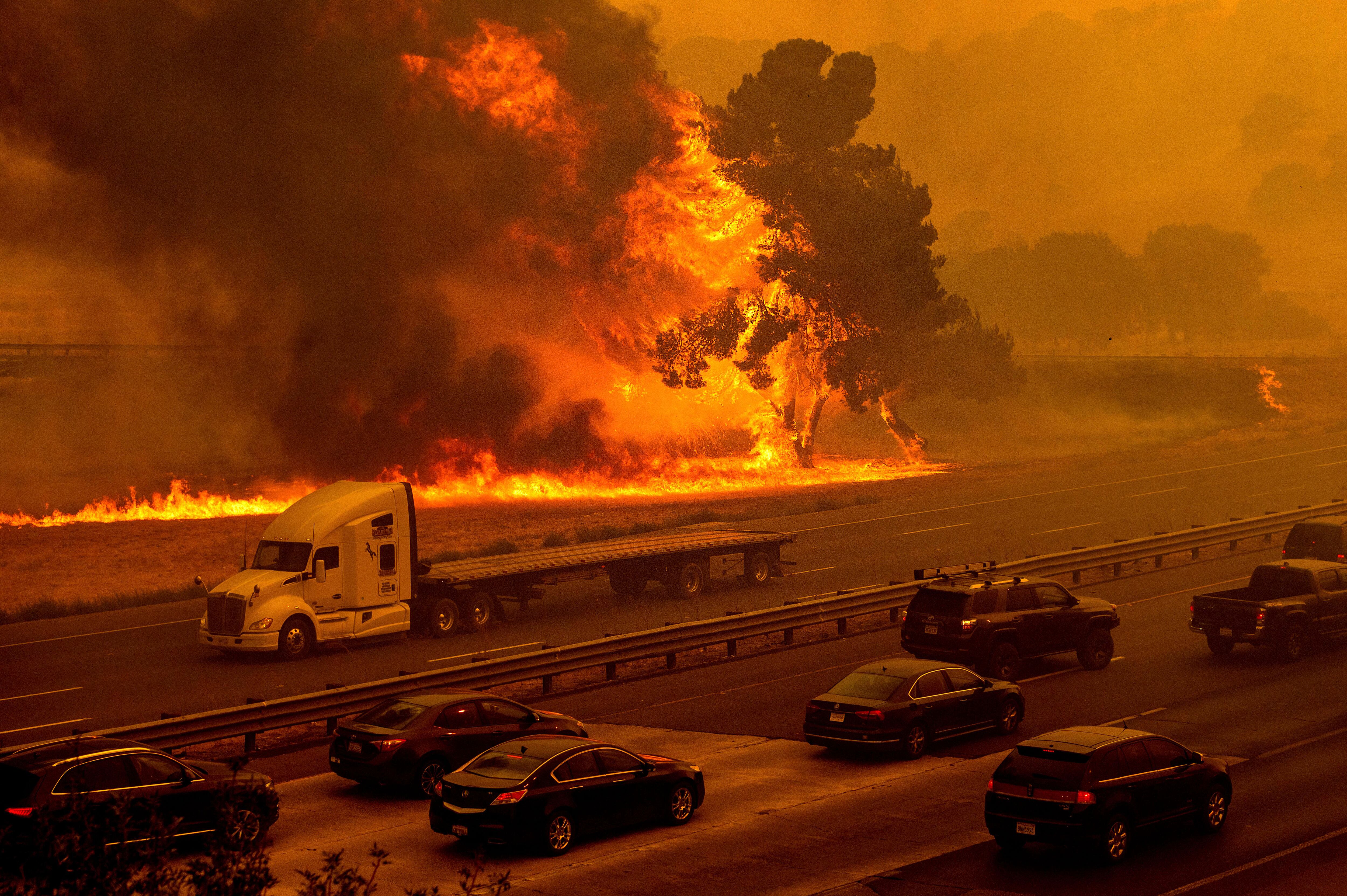
Crews were battling wildfires in the San Francisco Bay Area and thousands of people were under orders to evacuate Wednesday as hundreds of wildfires blazed across the state amid a blistering heat wave now in its second week.
Rapper and businessman, Master P, stopped by Cheddar to talk about his mission in stopping gun violence in the wake up of the deadly shooting of 14-year-old basketball star, Semaj Miller.
Priya Krishna, author of 'Indian-Ish,' talks discrimination in the entertainment industry, particularly at Conde Nast, where she says creative restraints hindered her growth with the company.